The Rise of Overnight Pumpkin Chia Pudding as a Strategy for Nutritional Efficiency in Modern Fast-Paced Lifestyles

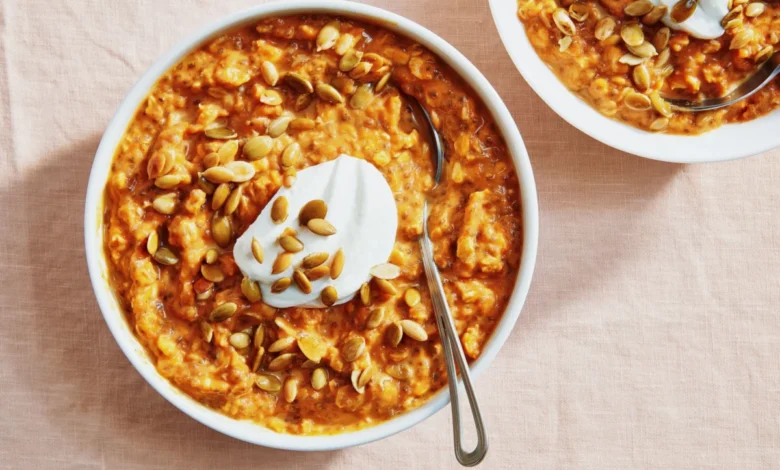
The contemporary breakfast landscape has undergone a significant transformation over the last decade, moving away from traditional cooked meals toward "grab-and-go" solutions that prioritize both time efficiency and nutritional density. Among the most prominent developments in this sector is the emergence of overnight oat-chia-pudding hybrids. These preparations, which require minimal active labor, have gained traction as a viable alternative to processed, store-bought breakfast options. By utilizing ingredients such as pumpkin puree and plant-based milks, these dishes bridge the gap between convenience and long-term health, offering a shelf-stable, overnight solution for professionals and students alike.
The Chronology of Convenience Breakfast Trends
The trajectory of the modern breakfast has been defined by the pursuit of time-saving measures. In the early 2000s, the market was dominated by high-sugar cereal bars and instant oatmeal packets. However, longitudinal data from the Bureau of Labor Statistics regarding consumer time-use shows a steady decline in the amount of time the average American household spends on food preparation. This shift prompted a market pivot toward "no-cook" recipes.
By 2015, the "overnight oats" phenomenon began to permeate social media platforms and food blogs, signaling a consumer shift toward DIY meal preparation. Unlike the instant products of the previous decade, this movement emphasized ingredient transparency. The introduction of chia seeds—a nutrient-dense, fiber-rich ingredient—into these mixtures marked a second phase in this trend, moving from simple grain-based breakfasts to complex, fiber-forward nutritional profiles. The current iteration, which incorporates canned pumpkin puree and specialized plant-based milks, represents the latest optimization of this model, designed to provide a mousse-like texture that mimics dessert while maintaining a glycemic-friendly profile.
Nutritional Analysis and Supporting Data
The integration of pumpkin and chia seeds into a breakfast routine offers specific health advantages supported by nutritional science. Pumpkin is a highly concentrated source of beta-carotene, a provitamin A carotenoid that plays a critical role in immune function and vision health. According to the United States Department of Agriculture (USDA) nutrient database, one cup of cooked, mashed pumpkin contains less than 50 calories while providing over 200% of the recommended daily intake of Vitamin A.
Chia seeds (Salvia hispanica) complement this profile by offering high levels of Omega-3 fatty acids and soluble fiber. Research published in the Journal of Nutrition and Metabolism suggests that the inclusion of viscous fiber, such as that found in chia, can significantly improve satiety levels, thereby reducing mid-morning snacking behaviors. When these seeds are submerged in liquid—whether soy, almond, or oat milk—they form a mucilaginous coating that creates the pudding-like consistency required for the dish.
From a cost-efficiency perspective, the "homemade vs. retail" argument remains strong. Data from the Consumer Price Index (CPI) for food at home indicates that prepared oatmeal cups and breakfast bowls often carry a premium markup of 300% to 500% compared to raw ingredients. By utilizing pantry staples like canned pumpkin, which has a long shelf life, consumers can achieve a cost-per-serving of less than $1.50, compared to the $4.00 to $6.00 range often seen in urban cafes and grocery store grab-and-go sections.
Ingredient Optimization and Dietary Implications
The efficacy of this meal preparation method relies on the chemistry of the ingredients chosen. The use of unsweetened soy or nut milks is not merely a preference for vegan demographics; it is a functional choice. Dairy milk, while providing protein, can sometimes interfere with the flavor profile of the pumpkin, whereas unsweetened plant-based alternatives maintain a neutral base that allows the earthy, sweet notes of the pumpkin to remain at the forefront.
Professional culinary experts, such as those within the Good for You test kitchen initiative, advocate for the "10 ingredients or fewer" rule to reduce cognitive load during the preparation process. By limiting the components, the risk of cross-contamination and the complexity of sourcing are minimized. The standard procedure—combining pumpkin, milk, chia seeds, and optional sweeteners or spices—requires approximately eight to ten minutes of active preparation time. The subsequent refrigeration process, which requires at least six to eight hours, allows the chia seeds to hydrate fully, transforming the liquid mixture into a cohesive, stable pudding.
Public Health Perspectives and Industry Reactions
Nutritionists and public health advocates have largely reacted favorably to the rise of overnight pudding hybrids, viewing them as a successful intervention against the "sugar-heavy" breakfast status quo. Dr. Helena Vance, a nutritional scientist focusing on metabolic health, notes that the ability to control sugar intake at home is a significant advantage. "When you purchase pre-packaged breakfast bowls, you are often subject to high levels of hidden sweeteners, preservatives, and sodium," Dr. Vance states. "By creating these puddings at home, the consumer gains agency over their glycemic response, which is crucial for long-term health management."
However, industry experts caution that convenience must not come at the expense of variety. While overnight pudding is an excellent delivery system for fiber, a singular reliance on it can lead to nutritional gaps. Experts suggest that the meal is best utilized as part of a rotational breakfast strategy, ensuring that the consumer also incorporates diverse protein sources, such as eggs or yogurt, to maintain a balanced amino acid intake.
Broader Socioeconomic Implications
The adoption of such recipes reflects a broader socioeconomic shift toward "lifestyle hacking." As inflation continues to affect grocery prices, the strategy of "bulk prep" becomes increasingly attractive. The canned pumpkin industry, in particular, has seen consistent growth as home cooks find new ways to incorporate shelf-stable, nutrient-dense ingredients into their daily routines.
Furthermore, the environmental impact of shifting toward plant-based milks and long-lasting pantry items is a point of consideration for sustainability-conscious consumers. The carbon footprint associated with almond and soy milk is significantly lower than that of dairy production, according to life-cycle assessment studies conducted by the Journal of Cleaner Production. As consumers become more cognizant of their dietary footprints, the transition toward these simplified, plant-forward breakfast solutions serves as a intersectional point between personal wellness and environmental stewardship.
The Future of Simplified Nutrition
Looking forward, the trend of high-efficiency, nutrient-dense breakfast preparation is expected to persist. The integration of "Good for You" culinary philosophies—where the emphasis is placed on simplicity, affordability, and health—suggests a move away from the hyper-processed food items of the 20th century.
As urban living continues to demand faster, more efficient solutions, the "overnight" preparation method offers a blueprint for how individuals can reconcile their busy schedules with their health objectives. By leveraging the natural properties of seeds and root vegetables, consumers are proving that high-quality nutrition does not necessitate high-cost labor or excessive time investments. The success of these puddings is a testament to the fact that when health is made accessible, manageable, and palatable, it becomes a permanent fixture in the modern lifestyle.
Ultimately, the act of preparing a simple bowl of overnight pumpkin chia pudding serves as a form of dietary self-care. It replaces the reactive, often unhealthy choices made in haste during a morning rush with a proactive, calculated decision to fuel the body efficiently. As food science continues to validate the benefits of fiber-rich, low-glycemic breakfasts, this preparation method is likely to remain a staple in the modern kitchen, representing a sophisticated blend of culinary tradition and nutritional necessity.