Beyond Borders: Expanding Your Moroccan Itinerary to Spain, the Atlantic Islands, and the Sahara

Morocco serves as more than just a captivating destination; it acts as a primary geographical and cultural gateway connecting Africa to Europe and the Atlantic expanse. While millions of travelers touch down in Marrakech, Casablanca, or Fez, few fully leverage the logistical ease with which they can transition from the bustling souks of the Maghreb to the European streets of Spain or the remote horizons of the Sahara. Whether through high-frequency ferry routes across the Strait of Gibraltar or established aerial corridors, the potential to expand a North African vacation into a multi-continental journey is both practical and historically significant.
Historical Context and Geopolitical Landscape
The connection between Morocco and its neighbors is rooted in centuries of trade, migration, and colonial history. The Strait of Gibraltar, a narrow waterway of approximately 14 kilometers, has served as a conduit for human movement since antiquity. In the modern era, the relationship between Morocco and Spain remains defined by intense economic interdependence. This is highlighted by the existence of Ceuta and Melilla, two Spanish autonomous cities located on the northern coast of Africa. These territories represent the only land borders between the European Union and the African continent, creating a unique, albeit complex, geopolitical environment that requires travelers to navigate international passport controls despite being physically situated in North Africa.
Chronology of Regional Connectivity

The evolution of these transit routes has accelerated significantly over the last three decades. In 1994, the closure of the Morocco-Algeria border halted all overland transit and direct aviation between the two nations, a status that persists today due to ongoing diplomatic tensions. Consequently, this closure forced a realignment of regional travel, cementing the importance of the Mediterranean ferry ports—namely Tangier-Med and Nador—as the primary lifelines for international transit.
In recent years, the modernization of port infrastructure in Tangier has transformed the region into a global shipping and passenger hub. The integration of high-speed rail links (Al-Boraq) connecting Tangier to Casablanca has further shortened the transit time for those arriving from Europe, allowing travelers to reach the heart of Morocco’s financial and cultural centers within hours of disembarking from a ferry.
Traveling Between Morocco and Spain: Logistics and Data
The ferry connection between Morocco and Spain remains the most popular route for international travelers. Statistics from port authorities indicate that during peak summer months, over 50,000 passengers and thousands of vehicles transit the Strait of Gibraltar daily. Major operators including FRS, Balearia, and Trasmediterranea maintain regular schedules that link Tangier-Med to Algeciras and Tarifa, as well as Nador to Almería.
For citizens of the European Union, the United Kingdom, the United States, and Canada, the entry requirements for Morocco remain streamlined. A passport valid for at least six months is the standard requirement, with most visitors granted a 90-day visa-free stay. Conversely, crossing into Spain—a member of the Schengen Area—requires compliance with standard EU entry protocols. Travelers are advised that while the proximity is short, the transition involves moving between distinct regulatory frameworks.

The Canary Islands and the Atlantic Route
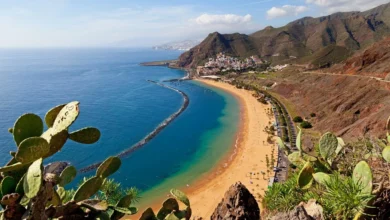
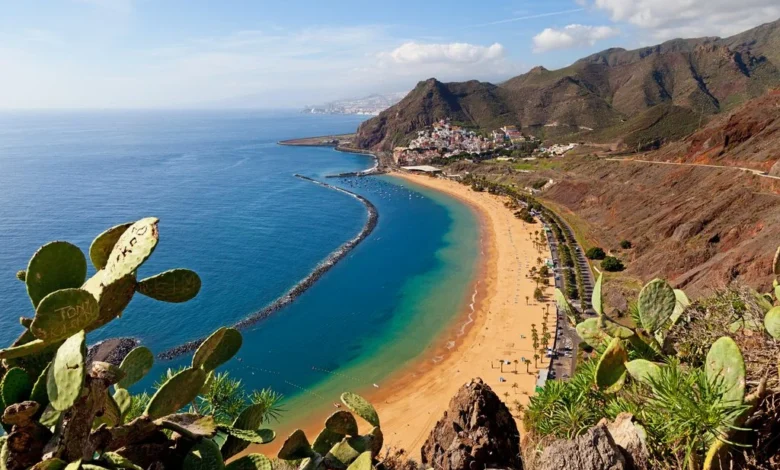
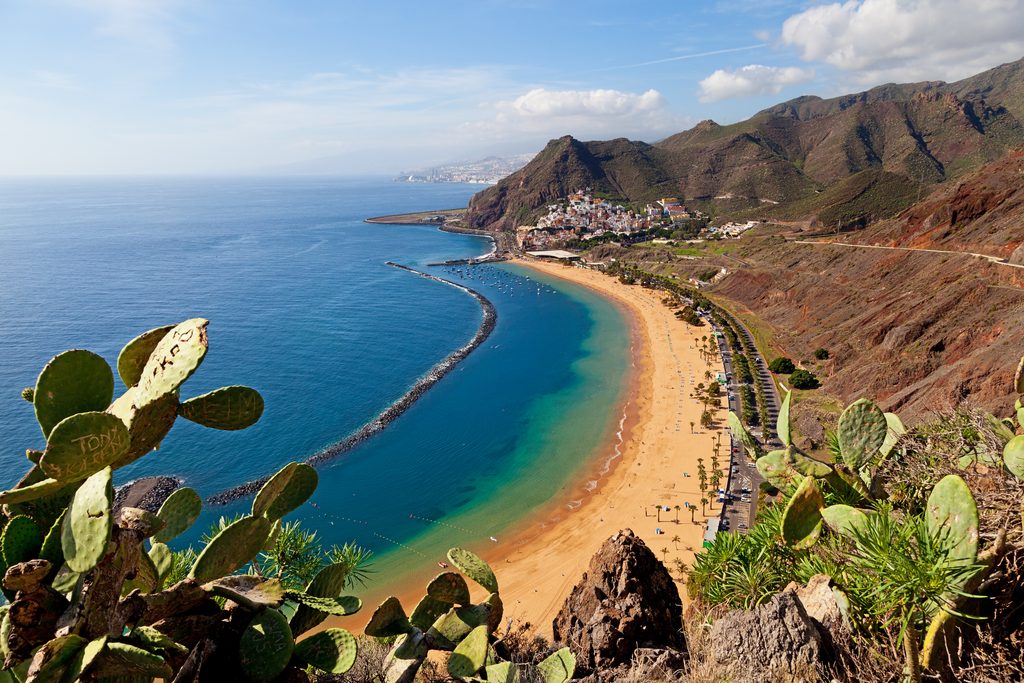
To the southwest, the Spanish Canary Islands represent a distinct travel corridor. While politically Spanish, the archipelago’s geography places it in the Atlantic, closer to the coastline of Western Sahara than to the Iberian Peninsula. Airlines such as Binter Canarias and Royal Air Maroc operate regional routes that bridge these destinations, catering to a mix of tourism and commercial traffic. This route is particularly popular for travelers seeking a contrast between the arid, volcanic landscapes of the islands and the mountainous interior of Morocco.
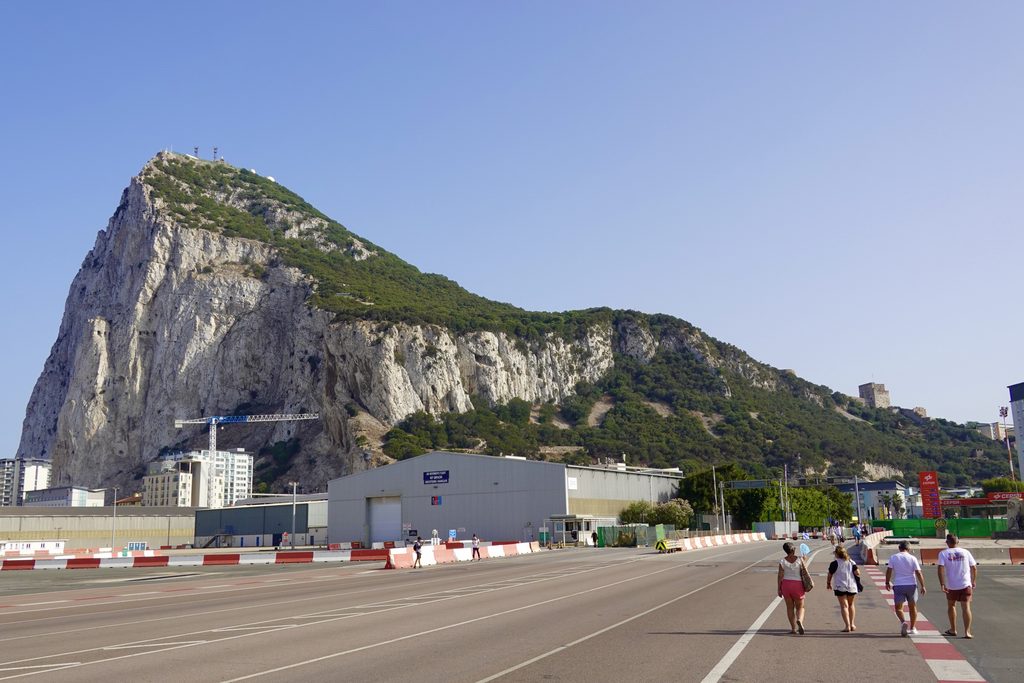
The British Overseas Territory of Gibraltar offers yet another dimension to regional travel. Linked to the mainland by a land border with Spain, it serves as a unique enclave where British law and culture meet the Mediterranean. For those arriving from Morocco, a ferry to Algeciras followed by a short bus or taxi ride across the border is the standard transit method.
Navigating the Western Sahara and Mauritania
Travel beyond the southern border of Morocco requires a different level of logistical preparation. The Western Sahara region, administered by Morocco, is a vast territory characterized by its rugged coastline and the city of Dakhla, which has emerged as a global destination for kitesurfing and extreme sports.
Moving further south into Mauritania presents a significant transition in travel conditions. The border crossing at Guerguerat is the primary, and only, official land transit point between the two countries. Unlike the northern ferry terminals, this crossing involves navigating a "no man’s land" that requires significant attention to safety protocols and local customs. The U.S. Department of State and other international diplomatic missions generally advise that travelers exercise high levels of caution in the border regions due to the potential for political instability and the inherent challenges of remote desert navigation. Prospective travelers are encouraged to consult current diplomatic advisories and ensure their documentation is in perfect order, as the bureaucracy at this crossing is substantial and subject to change without notice.
Implications and Strategic Travel Analysis
The decision to extend a Moroccan itinerary beyond its national borders is not merely a matter of convenience; it is an exercise in experiencing the overlapping histories of the Mediterranean basin. The implications for the modern traveler are twofold: logistical efficiency and cultural immersion.
From a logistics standpoint, the integration of digital ticketing for ferries and the expansion of budget airline networks across the Mediterranean have made cross-border travel more affordable than ever. However, the closure of the eastern border with Algeria serves as a reminder of the region’s volatile political history. This geopolitical reality dictates that all "loop" itineraries must be carefully planned to account for the necessary return via the Mediterranean or by air through third-party hubs like Paris, Madrid, or Tunis.
Economic data suggests that regional tourism is becoming increasingly interconnected. Investment in infrastructure—such as the expansion of Moroccan airports and the upgrading of maritime terminals—indicates a long-term commitment to facilitating this transit. For the observer, this signifies a region that is actively working to balance its traditional role as a cultural crossroads with the demands of 21st-century global tourism.
Expert Recommendations for Multi-Country Planning
For those planning an extended regional tour, the most effective strategy is to treat the journey as a series of distinct phases. First, utilize the high-speed rail network within Morocco to reach the northern ports. Second, secure ferry bookings in advance, particularly during the summer and holiday periods when demand surges. Finally, when venturing into the southern territories or into Mauritania, prioritize reputable transport services and maintain a flexible schedule to accommodate the realities of remote border logistics.
Ultimately, the act of crossing from the vibrant, bustling markets of Morocco into the structured, historic squares of Spain, or the remote, silent dunes of the deep Sahara, provides a profound perspective on the fluidity of borders. It is a journey that connects the legacy of the Al-Andalus era with the modern, globalized landscape of the Mediterranean, offering a comprehensive look at a corner of the world where history, geography, and culture remain in constant, fascinating conversation.
Related posts: