Eating Through Central Otago’s Wine Country: A Full-Day Wine Tour from Queenstown

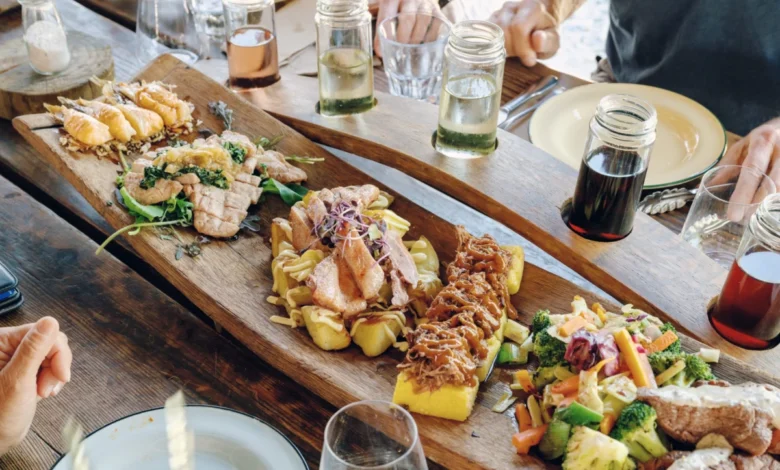
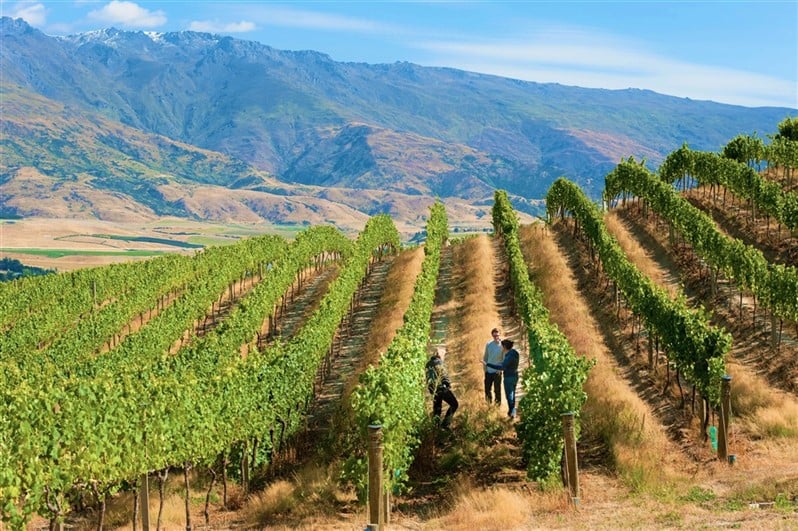
Central Otago stands as a geographic and meteorological anomaly in the global wine-making community, successfully cultivating vitis vinifera at extreme southern latitudes and high altitudes on soils dominated by schist and clay that traditional agricultural paradigms once deemed too marginal for commercial production. Stretching across a dramatic Southern Alps landscape of glacier-carved gorges, arid river basins, and frost-pocket valleys, New Zealand’s southernmost and most dramatic wine-growing region operates under severe continental weather patterns marked by intense summer heat, freezing winters, and diurnal temperature fluctuations that regularly exceed 20 degrees Celsius. This extreme climate forces vines to struggle, concentrating flavors and driving remarkable structural definition into the region’s flagship varietal: Pinot Noir.
To comprehend the sheer diversity of this terroir, a superficial cellar-door visit is insufficient. The region is officially delineated into six distinct sub-regions, each characterized by microclimates and soil compositions so varied that adjacent valleys produce wines of entirely divergent profiles. Recognizing that no single geographic pocket tells the complete story of Central Otago, premium tour operators have engineered immersive, full-day itineraries designed to traverse the physical and sensory boundaries of the landscape. These signature excursions deliberately target three of the region’s most prominent sub-regions—Gibbston, the Cromwell Basin, and Bannockburn—offering an intensive, comparative tasting methodology that places disparate terroirs side by side within a single afternoon.
The Anatomy of Central Otago: Three Sub-Regions in One Day
The structural and flavor variance across Central Otago’s sub-regions provides a masterclass in cool-climate viticulture. A comparative tasting of a Gibbston Pinot Noir alongside a Bannockburn expression, sampled barely an hour apart, reveals radical departures in acidity, tannin weight, and aromatic development.
Gibbston, historically known as the "Valley of the Vines," occupies the highest and coolest altitude among the primary sub-regions. Tucked tightly into the sheer, rocky gorge carved by the Kawarau River, vineyards here are subjected to cooler air drainage and limited direct sunlight exposure relative to the lower basins. The resulting wines are defined by striking structural backbone, high natural acidity, and savory, complex aromatics that challenge the palate with earthy spice and fine-grained, persistent tannins.
Conversely, the Cromwell Basin presents a significantly warmer environment. Buffered by the massive thermal mass of Lake Dunstan, which absorbs solar radiation during long summer days and radiates it back during chilly nights, the Cromwell Basin allows fruit to achieve higher sugar levels and plush, riper tannin profiles. The climatic shift alters the chemical development of the grapes, yielding wines characterized by dark fruit abundance, fleshy textures, and broader mid-palates.
Crossing the basin to Bannockburn reveals yet another distinct ecosystem. Anchored by ancient, deeply weathered schist-heavy slopes that form some of the oldest commercial vineyard plantings in the district, Bannockburn stamps its wines with an unmistakable mineral signature. Connoisseurs frequently identify a distinct crushed-stone or saline minerality on the first sip—a tactile reflection of the poor, mineral-rich soils that force vine roots deep into fractured rock fissures in search of moisture and trace nutrients. Experiencing these three sub-regions consecutively provides a crash course in how minute variations in geography dictate what ultimately lands in the glass.
Subterranean Vinification: Inside the Gibbston Valley Wine Cave
Among the architectural and operational marvels incorporated into premier regional itineraries is the vast subterranean wine cave network situated within the Gibbston Valley. Carved deep into the schist rock face, this subterranean facility holds the distinction of being the largest underground wine-caving system in New Zealand.
Stepping off the sun-drenched valley floor and into the subterranean network immediately alters the sensory environment. The cave maintains a naturally regulated, cool ambient temperature and a damp humidity level ideal for long-term barrel maturation, all enveloped in absolute acoustic silence. Visitors participate in a specialized, 30-to-40-minute guided walking tour through the dimly lit tunnels, flanked by towering stacks of oak barrels resting horizontally against raw rock walls. Rather than standing at a standard, commercial cellar-door counter, guests taste mature reserves directly from the source as expert guides elucidate the physics and chemistry of cave-aging.
Strict health, safety, and operational regulations govern access to the subterranean vaults. Minors under the age of 17 are prohibited from entering the active barrel-aging facility due to heavy machinery movement, atmospheric safety protocols, and alcohol licensing compliance. To accommodate families and mixed-age travel parties, professional tour operators coordinate dedicated supervised holding periods at the main Gibbston Valley cellar door, pairing younger guests with alternative non-alcoholic experiences while adult members complete the underground excursion. Private bookings offer greater flexibility, allowing itineraries to substitute surface-level tastings or entirely alternate boutique vineyards to accommodate family dynamics.
Gastronomic Innovation: Barrel-Cooked Cuisine at The Stoaker Room
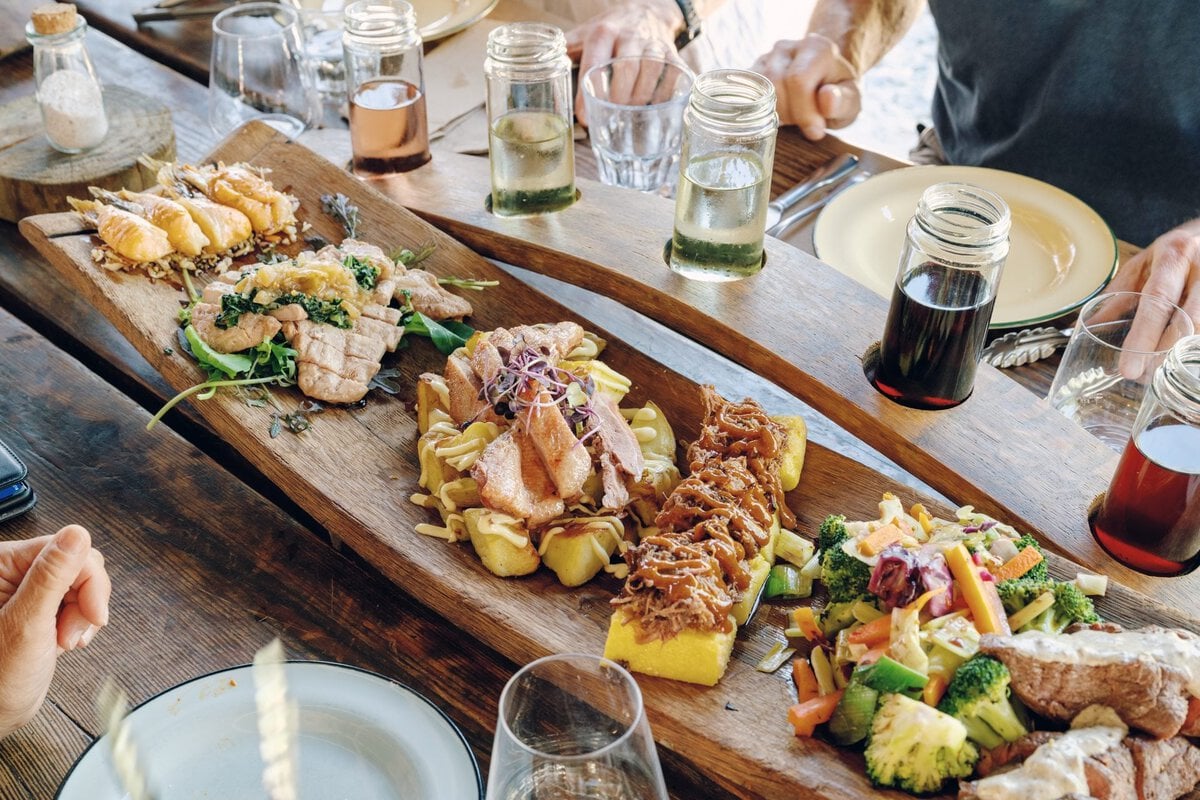
While structural tastings provide the intellectual framework of the journey, the culinary component anchors the experiential itinerary. Midday dining is executed at The Stoaker Room in Cromwell, an establishment that has garnered critical acclaim for a specialized and historically resonant cooking technique: utilizing retired oak wine barrels as natural smoking and roasting chambers.
The resulting five-course luncheon is deliberately engineered as an integrated flavor-matching exercise rather than a casual midday meal. Meats and proteins—alternating seasonally between local venison, wild goat, free-range duck, sustainably farmed pork, and freshwater king salmon—are slow-cooked inside charred staves that once held robust red wines. This imparts subtle, secondary oak tannins and caramelized aromatics into the food, which are then systematically paired with five distinct regional wines.
Industry analysts and culinary historians note that integrating a formal, multi-course matched dining experience directly into the baseline tour structure represents a significant departure from standard industry practices. Many regional operators treat food as an à la carte auxiliary service, requiring separate financial outlays and scheduling considerations. By embedding the five-course pairing into the core itinerary, operators ensure that participants engage in sensory education. Food proteins fundamentally alter the chemical perception of tannins, acid, and residual sugar in wine, frequently leading novices to discard preconceived notions about varietal preferences—such as converting staunch red-wine traditionalists into enthusiasts of Central Otago’s crisp, mineral-driven aromatic whites.
Pioneering History, Landscape Architecture, and Seasonal Transitions
Beyond viticulture and gastronomy, the full-day transit functions as a comprehensive regional history lesson. Between vineyard stops, executive Mercedes-Benz transport vehicles navigate historical landmarks that self-guided tourists frequently overlook. Guides provide detailed narrative commentary on infrastructural and social milestones, including the architectural significance of the Edith Cavell Bridge spanning the Shotover River, panoramic vantage points atop Queenstown Hill, and the deep river canyons carved by the Kawarau.
Depending on scheduling constraints and weather viability, itineraries frequently incorporate walking explorations of Arrowtown or Old Cromwell. Arrowtown preserves the physical footprint of the 1960s Central Otago gold rush, featuring preserved miners’ cottages and the historic Chinese Settlement, where interpretive walking trails detail the hardships and cultural contributions of early Cantonese prospectors. Old Cromwell Town, relocated and painstakingly restored prior to the filling of the Lake Dunstan hydro-electric reservoir, offers a living museum of stone buildings, mercantile shops, and artisan workshops dating back to the 1860s.
The experiential character of the tour shifts dramatically depending on the seasonal calendar:
- Spring (September to November) introduces agricultural vitality, with newborn lambs dotting the pastoral fields between vineyard rows and fruit trees bursting into white and pink blossom.
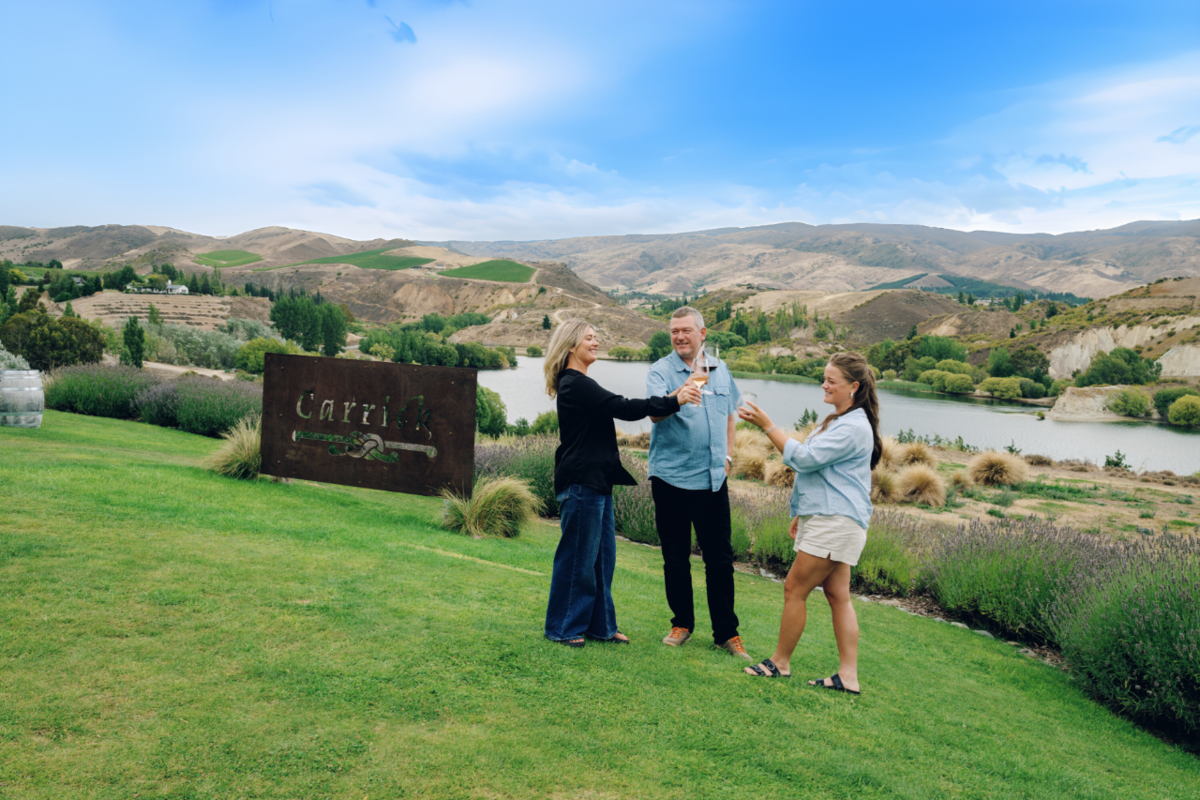
- Summer (December to February) brings long, high-sunlight hours, allowing for outdoor tastings on manicured lawns overlooking alpine lakes and jagged peaks.
- Autumn (March to May) transforms Arrowtown into a visual spectacle as exotic deciduous trees turn explosive shades of amber, gold, and deep crimson, drawing landscape photographers from across the globe.
- Winter (June to August) settles a quiet, reflective atmosphere over the valleys, characterized by snow-dusted peaks, crisp blue skies, crackling open fires in boutique tasting rooms, and minimal tourist congestion.
Logistical Framework and Socio-Economic Implications
The operational success of these premium full-day excursions relies heavily on professional logistical execution and high-caliber human capital. Senior guides stationed on these routes are rarely seasonal university students; many are long-term regional residents with three-decade tenures in Central Otago. Their prior professional backgrounds—spanning commercial jet-boat piloting, alpine paragliding instruction, and historical gold-panning—inject authenticity and localized storytelling into the journey, transforming group transit among strangers into a cohesive social experience.
From an economic perspective, structured multi-winery and multi-sub-regional tours serve as a critical economic engine for boutique, family-owned vineyards that lack the marketing budgets or physical capacity to draw independent international traffic. By routing visitors through four distinct boutique estates per day, tour operators distribute tourist capital away from high-volume commercial producers and directly into the hands of independent growers.
Practical considerations for prospective travelers emphasize comprehensive, all-inclusive packaging. Standard inclusions typically feature door-to-door luxury hotel transfers from Queenstown accommodation bases, all structured wine-tasting fees across four premier estates, the multi-course barrel-cooked lunch with matched wine flights, and historical commentary. Group sizes are maintained at intimate levels to preserve the educational integrity of tastings and ensure seamless navigation of narrow cellar doors and subterranean spaces.
As Central Otago continues to cement its reputation as a world-class powerhouse for cool-climate viticulture, comprehensive, experiential immersion tours provide a vital bridge between the agricultural harshness of the land and the refined elegance of the glass. By synthesizing geology, history, gastronomy, and geography into a single, cohesive narrative arc, these itineraries offer an exhaustive examination of a wine region unlike any other in the Southern Hemisphere.
Related posts: