The traditional approach to exploring the cultural institutions of the Finnish capital has long relied on a checklist mentality—a high-speed marathon of ticking off five or more collections before noon, capturing a superficial photograph at each threshold, and rushing onward to the next exhibit. However, tourism boards, cultural critics, and seasoned travelers are increasingly advocating for a profound shift in methodology. A more deliberate, immersive strategy not only yields a deeper appreciation of the nation’s artistic heritage but also provides a more accurate reflection of the urban fabric of Helsinki itself. By limiting a first-day itinerary to three carefully chosen cultural destinations separated by unhurried transitions, visitors can engage with the city in alignment with the Finnish concept of rauhassa—roughly translated as "in peace" or "without rushing."
Main Facts of the Cultural Route
The recommended itinerary commences at the Ateneum Art Museum in the morning, proceeds with a brief, highly walkable five-hundred-meter transfer to the Museum of Contemporary Art Kiasma, incorporates a substantive break for lunch and coffee, and concludes with a single, intentional afternoon selection, such as the subterranean Amos Rex or the city’s prominent design and architecture institutions. This streamlined framework directly challenges the conventional wisdom that tourist efficiency is measured by the sheer volume of venues visited.
According to cultural analysts, the human cognitive capacity for absorbing visual and historical information diminishes rapidly after visiting multiple dense galleries in a single afternoon. Packing four or five museums into a compressed window typically results in cognitive fatigue by mid-afternoon, rendering visitors unable to distinguish between distinct collections, architectural periods, or artistic movements. Conversely, dedicating uninterrupted time to two or three targeted venues fosters genuine engagement, allowing travelers to sit with individual works rather than skimming past them.
Chronology and Spatial Logistics of the Day
To execute this measured exploration effectively, urban planners and tourism coordinators recommend a structured timeline that integrates physical movement through the city as a core component of the experience rather than an inconvenient gap between stops.
Morning Phase: The Ateneum Art Museum
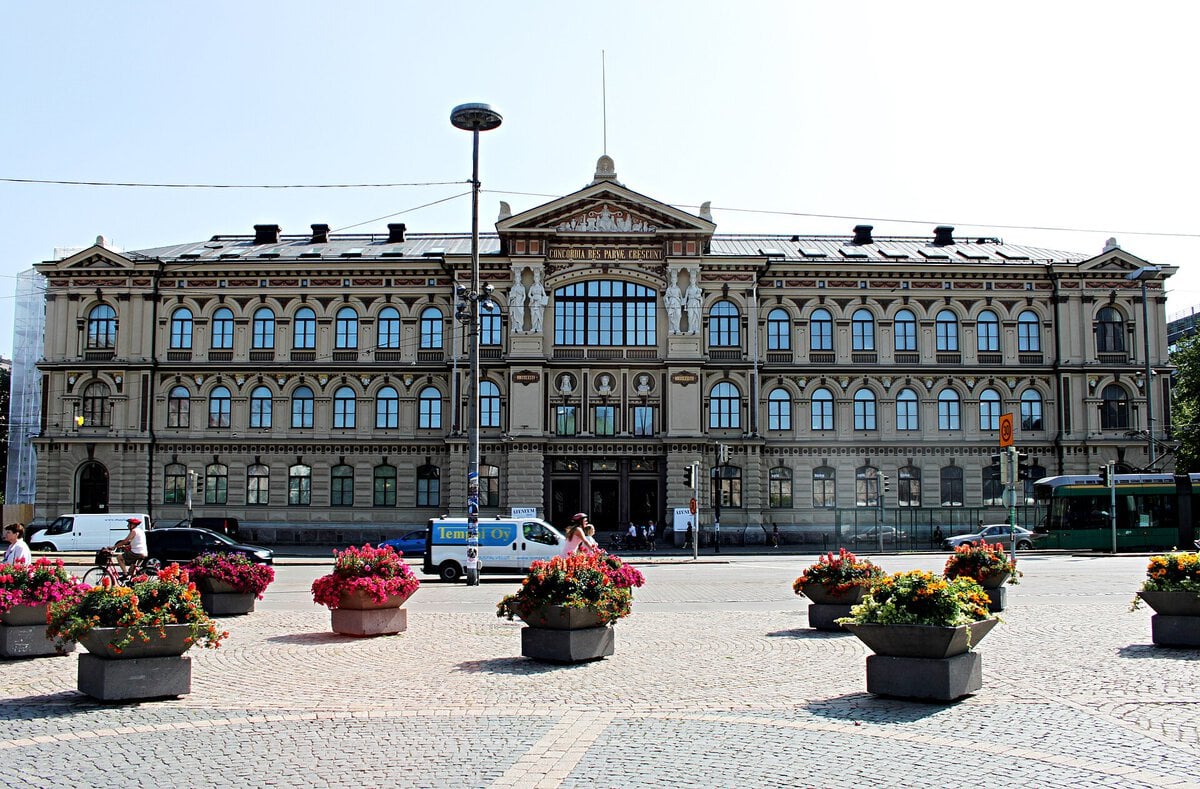
The day begins at the Ateneum, whose grand neoclassical facade rises prominently beside Helsinki Central Station. Situated at the intersection of bustling tram lines and pedestrian thoroughfares, the museum serves as a dynamic threshold. Stepping through its heavy doors instantly transitions the visitor from the kinetic energy of the metropolitan center into an acoustic sanctuary where footsteps soften on gallery floors and conversations drop to deliberate murmurs.
As an anchor institution of the Finnish National Gallery, the Ateneum houses the country’s most comprehensive historical collection of fine art. Its permanent and rotating exhibitions feature foundational pieces by renowned Finnish masters such as Akseli Gallen-Kallela and Helene Schjerfbeck, alongside significant international acquisitions. Gallery officials note that visiting during the morning hours—when visitor density is lower and cognitive energy is at its peak—maximizes the psychological benefit of the space. Rather than relying on rigid, pre-recorded audio guides, visitors are encouraged to initiate brief conversations with information desk personnel to identify standout pieces within current temporary exhibitions, a practice that mirrors the informal, community-oriented ethos of Finnish cultural spaces.
Mid-Day Phase: The Transition to Kiasma
Upon departing the Ateneum, visitors undertake a modest five-hundred-meter walk toward the heart of the city center to reach Kiasma. Unlike sprawling metropolitan centers where transferring between major cultural institutions necessitates extensive public transit rides or taxi fares, Helsinki’s compact urban design allows the journey itself to serve as a restorative pause.
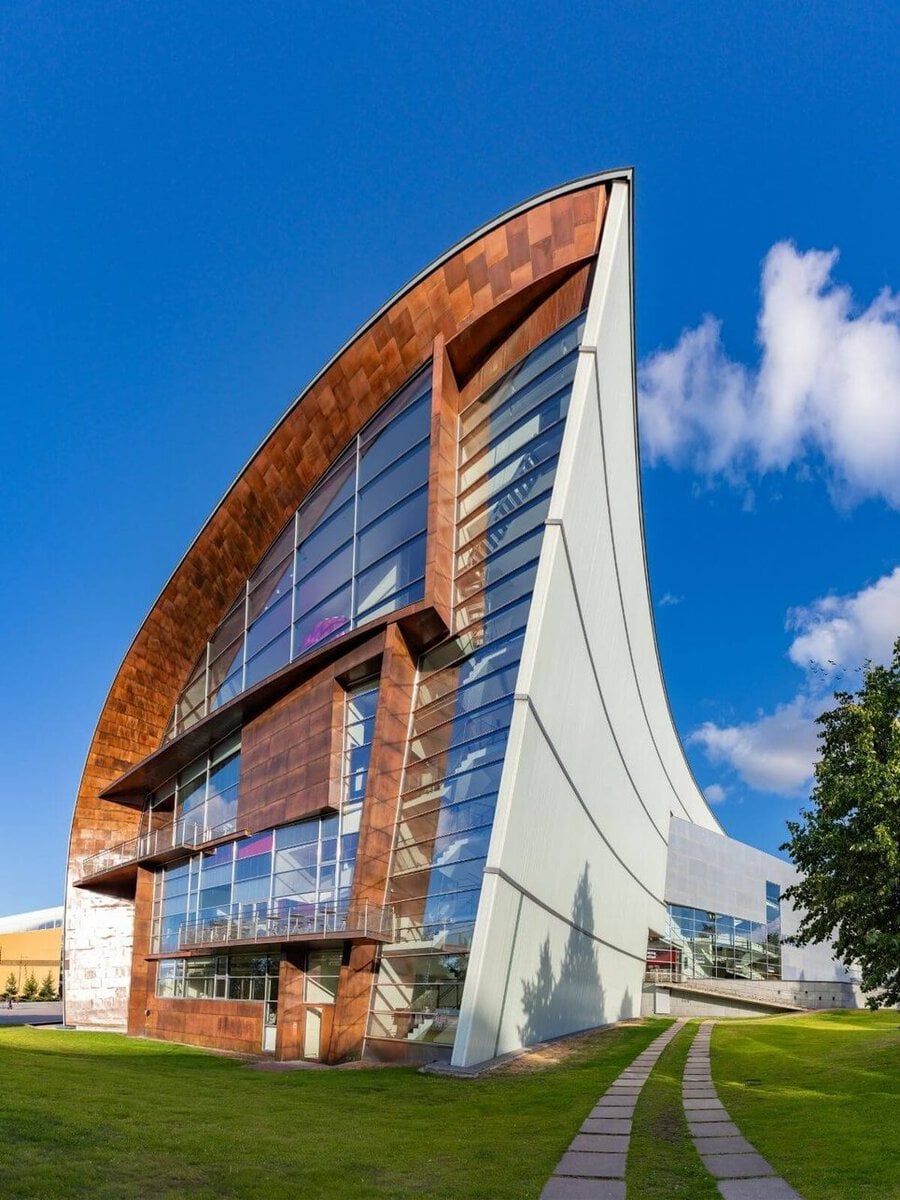
Arriving at Kiasma provides a striking architectural and conceptual contrast to the morning’s classical surroundings. Designed by American architect Steven Holl, Kiasma’s sweeping, organic curves and stark white minimalist interior stand in direct opposition to the nineteenth-century brick and masonry of the Ateneum. Chronologically and topically, this transition moves the visitor from the historical narratives that shaped Finland’s early visual identity into contemporary artistic dialogues that question current global paradigms. This sharp shift in environment prevents museum fatigue and revitalizes the visitor’s observational faculties.
Afternoon Phase: Culinary Intermission and the Third Selection
Rather than proceeding immediately from Kiasma to a subsequent gallery, cultural itineraries in Helsinki emphasize the necessity of a dedicated culinary pause. Museum cafés throughout the city function as social spaces rather than mere utilitarian snack bars, offering locally sourced coffees, traditional pastries, and seasonal light meals. This break provides essential physical recuperation for the lower limbs and mental decompression before the final leg of the journey.
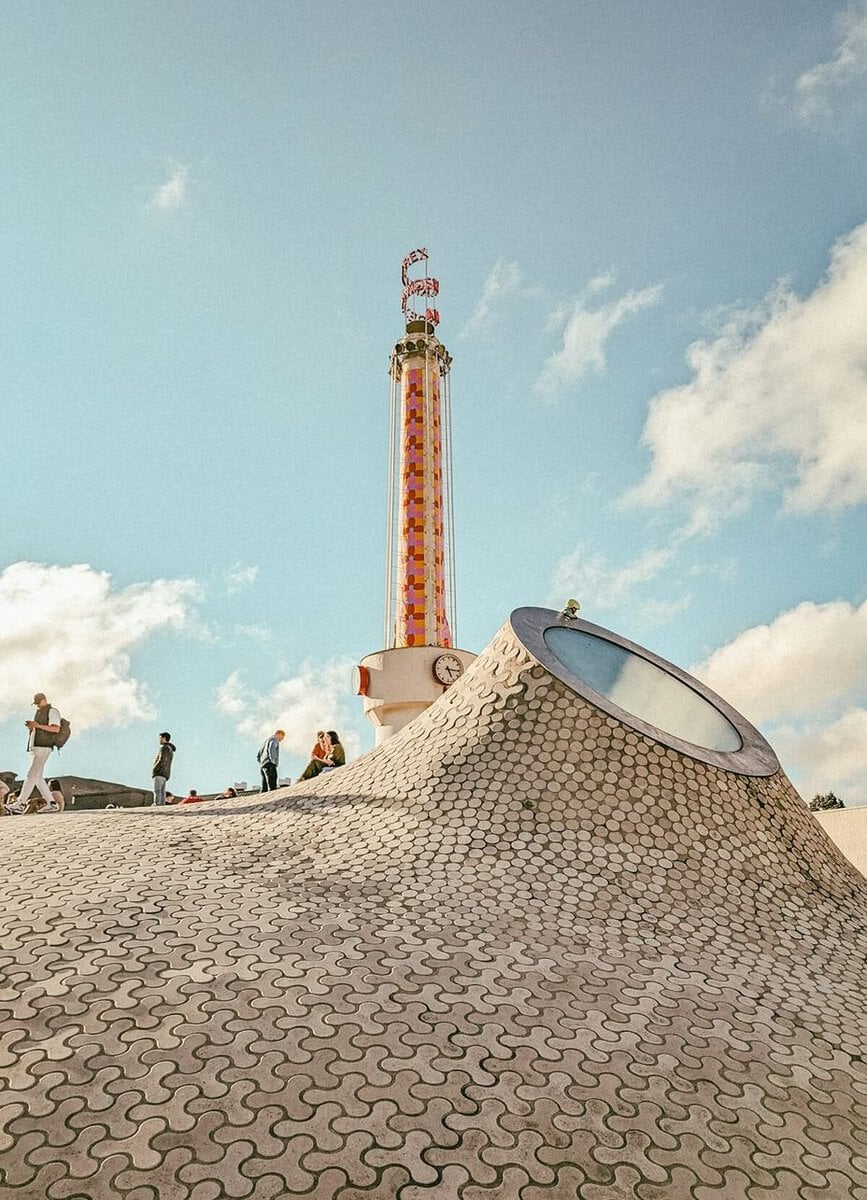
Following lunch, visitors face a singular choice for their third and final stop: exploring the subterranean, futuristic galleries of Amos Rex, known for its experimental media art and striking dome-shaped skylights projecting into Lasipalatsi Square, or turning their attention toward the nation’s rich industrial and spatial history at the Design Museum and Museum of Finnish Architecture. Industry experts caution against attempting to incorporate both options, or appending a fourth venue, under the erroneous assumption that maximization equals enrichment.
Supporting Data and Economic Analysis: Museum Cards vs. Single Admissions
An ongoing debate among travelers visiting Finland centers on the financial viability and logistical convenience of prepaid access passes, specifically the nationwide Museum Card (Museokortti) versus the multi-attraction Helsinki Card. A critical evaluation of these products reveals a frequent disconnect between marketing claims and actual tourist behavior.
The Museum Card is a nationwide, twelve-month personal pass granting admission to approximately three hundred museums across Finland. Conversely, the Helsinki Card is a municipal tourism pass valid for twenty-four, forty-eight, or seventy-two hours, bundling museum entries with public transportation and sightseeing discounts.
Financial analysts specializing in tourism economics point out that for a traveler executing a single, focused museum day comprising two or three primary stops, neither card is automatically the most cost-effective solution. Standard adult admission for individual major institutions, such as Ateneum and Kiasma, is structured around standardized ticket tiers—typically priced around €23 at the box office or €21 when purchased online, with significant concessions for students, seniors, and free admission for visitors under eighteen.
Consequently, purchasing a nationwide annual Museum Card exclusively for a single afternoon of two or three urban stops does not yield a positive return on investment. The card only achieves financial parity for individuals undertaking extended itineraries across multiple cities or dedicating several days entirely to gallery-going. Similarly, the Helsinki Card only delivers economic value if the holder actively utilizes its bundled transport and sightseeing components. Travelers are strongly advised to calculate projected individual ticket prices against pass costs prior to arrival.
Official Responses and Institutional Perspectives
Cultural administrators and tourism boards in the Nordic region have increasingly embraced slow-travel initiatives, aligning with broader municipal goals of sustainable tourism and visitor wellbeing. Representatives from the Finnish National Gallery emphasize that cultural institutions are designed for contemplation rather than consumption.
"When visitors attempt to compress five distinct collections into a single afternoon, they are treating art as a commodity rather than an experience," notes a Helsinki-based museum coordinator. "Our programming, seating arrangements, and spatial acoustics are specifically calibrated to encourage lingering. We welcome the movement toward deliberate, low-volume itineraries because it correlates with higher visitor satisfaction and deeper engagement with our collections."
Furthermore, accessibility initiatives continue to evolve. Major venues across Helsinki maintain robust inclusion policies, including free admission days—such as Kiasma’s popular policy of free entry on the first Friday of every month—though institutions proactively advise visitors seeking tranquility to select alternative days to avoid peak congestion.
Broader Impact and Implications for Urban Tourism
The paradigm shift toward rauhassa in Helsinki carries significant implications for the broader travel industry. As major European destinations grapple with the pressures of overtourism, pedestrian congestion, and the commodification of cultural landmarks, Helsinki’s emphasis on walkable, low-density, highly intentional cultural consumption offers a sustainable model for urban tourism management.
By encouraging visitors to spend extended periods within fewer venues and traverse the intervening spaces on foot, the city successfully distributes tourist traffic away from congested bottlenecks, supports local neighborhood economies along walking routes, and enhances the overall visitor experience. Weather resilience also plays a crucial role; because the core of this museum route is situated indoors with minimal outdoor exposure, it provides a reliable, climate-independent itinerary for travelers navigating Finland’s variable meteorological conditions, which can shift rapidly between wind, rain, and cold temperatures.
Ultimately, adopting a slower, more deliberate approach to Helsinki’s museum landscape transforms a routine sightseeing chore into an intimate, intellectually rewarding encounter with the capital’s artistic soul.