Your Ultimate Madrid Itinerary: A Comprehensive Guide to the Cultural and Gastronomic Heart of Spain

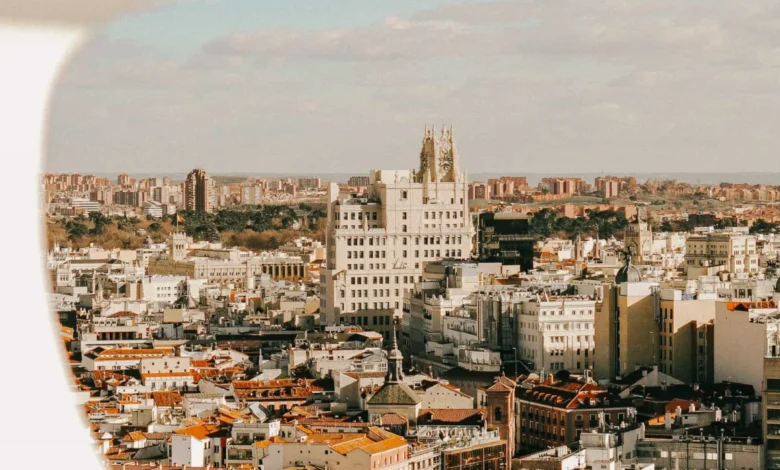
Madrid, the capital of Spain, serves as the nation’s political, economic, and cultural epicenter. Positioned on the central Iberian plateau, the city offers a profound synthesis of historical grandeur and contemporary urban development. For travelers and researchers alike, the city represents a significant case study in European urban planning, where the preservation of 17th-century architectural heritage intersects with a modern, high-density metropolitan lifestyle. A structured five-day exploration of Madrid reveals the complexities of its institutional infrastructure, its world-class museum ecosystem, and its evolving culinary landscape.

The Evolution of the Landscape of Light
The foundation of any comprehensive study or itinerary of Madrid begins with the Paseo del Prado and the Buen Retiro Park, collectively known as the "Landscape of Light." In July 2021, UNESCO designated this area a World Heritage Site, recognizing it as an urban landscape that has evolved since the mid-16th century. This area acts as a physical timeline of the Spanish Enlightenment, housing the Prado Museum, the Thyssen-Bornemisza, and the Reina Sofía.

The Prado Museum, inaugurated in 1819, currently holds one of the world’s most extensive collections of European art. Data from the Ministry of Culture indicates that the museum maintains a permanent collection of over 8,000 paintings, 9,000 drawings, and 5,000 prints. The strategic decision to prioritize specific galleries—such as those housing the works of Diego Velázquez—allows for a more rigorous engagement with the development of the Spanish Golden Age. The inclusion of the "Guernica" at the Reina Sofía provides a stark contrast, representing the 20th-century avant-garde and the political turbulence of the Spanish Civil War.

Culinary Infrastructure and Local Economies
The food markets of Madrid, such as the Mercado de San Miguel and the Mercado de Vallehermoso, serve as critical nodes in the city’s local economy. While the Mercado de San Miguel functions primarily as a high-end gastronomic hub for international visitors, the Mercado de Vallehermoso offers a more granular look at the supply chain of local produce.

Analysts note that these markets play a dual role: they preserve traditional culinary craftsmanship—such as the production of artisanal poultry or specialized regional wines—while acting as business incubators for young chefs. The "bocadillo de calamares" (calamari sandwich), a staple of the Plaza Mayor vicinity, is frequently cited by food historians as an example of Madrid’s adaptation to inland logistics; historically, the city relied on efficient transport from coastal regions to maintain a supply of fresh seafood.

Architectural Chronology: From Habsburgs to Modernism
The architectural evolution of Madrid is categorized by the distinct influence of the Habsburg dynasty (the Austrias) and the subsequent Bourbon reforms. The Plaza Mayor, completed in the early 17th century under Philip III, remains a primary example of Castilian urban design, characterized by its enclosed rectangular form and uniform facade.

In contrast, the Royal Palace of Madrid (Palacio Real) reflects the transition to 18th-century Italianate neoclassicism. Constructed following the destruction of the medieval Alcázar by fire in 1734, the palace contains 3,418 rooms, making it the largest functioning royal palace in Western Europe by floor area. Its proximity to the Almudena Cathedral—a structure whose construction spanned from 1883 to 1993—demonstrates the extended timeline of major public works in the capital. The cathedral’s crypt, which features Neo-Gothic elements, serves as a burial site for historical figures, bridging the gap between medieval religious traditions and contemporary architectural practice.

Neighborhood Dynamics: Chamberí and La Latina
The sociological structure of Madrid is defined by its distinct districts. Chamberí, historically the residence of the aristocracy and the rising bourgeoisie, maintains a high density of late 19th-century and early 20th-century architecture. The area surrounding the Plaza de Olavide serves as a barometer for current urban living trends, where the preservation of communal "terrazas" (outdoor seating) remains a vital component of the city’s social fabric.

La Latina, situated in the city’s oldest quarters, provides a starkly different environment. Its narrow, winding streets reflect the medieval urban plan that predates the systematic expansion of the city. The area’s economic vitality is tied to the "El Rastro" flea market, which operates on Sundays and public holidays. Historical records suggest the market has roots dating back to the 18th century, serving as a primary site for the trade of second-hand goods and local handicrafts, thereby sustaining a micro-economy that persists despite the rapid modernization of the central business district.

Institutional and Green Space Management
The city of Madrid manages approximately 6,000 hectares of green space. El Retiro Park, once a private royal retreat, is now a public asset managed by the city council. The park’s irrigation systems and maintenance protocols are subject to strict environmental regulations, particularly regarding the preservation of its 15,000 trees. The Crystal Palace, a glass-and-iron structure built in 1887, remains a focal point for temporary exhibitions and serves as a significant example of 19th-century engineering.

Further to the west, the Casa de Campo represents the city’s commitment to large-scale ecological management. Originally a hunting ground for the monarchy, it was opened to the public in 1931. Spanning over 1,700 hectares, it is one of the largest urban parks in Europe, functioning as a critical "green lung" for the capital. The Garabitas Hill Viewpoint provides a vantage point for assessing the city’s topographic layout, allowing for a comprehensive view of the urban sprawl against the backdrop of the Sierra de Guadarrama mountains.

Strategic Planning for Cultural Engagement
For those assessing the city’s offerings, a systematic approach is recommended to manage the high volume of cultural assets. Official municipal bodies, such as the Madrid Tourism Board, frequently update logistical data to assist in the flow of visitors through heritage sites.

Chronological summary of key sites:

- 17th Century: Plaza Mayor and the origins of the Habsburg urban grid.
- 18th Century: Construction of the Royal Palace and the development of the Prado museum area.
- 19th Century: The expansion of the city beyond the medieval walls and the construction of the Crystal Palace.
- 20th Century: The completion of the Almudena Cathedral and the establishment of contemporary art institutions like the Reina Sofía.
- 21st Century: Integration of sustainable urban practices and the UNESCO World Heritage designation of the "Landscape of Light."
Implications for Future Urban Development
Madrid’s reliance on its heritage assets for economic stability poses challenges for future urban planners. The balance between maintaining the structural integrity of historical buildings and the demands of a growing population requires consistent investment. Recent initiatives, such as the pedestrianization of major thoroughfares and the promotion of regional gastronomy, indicate a shift toward a tourism model that emphasizes longevity and local sustainability rather than rapid, high-turnover visits.

Statements from the Madrid City Council emphasize that the goal for the next decade is the "deseasonalization" of tourism, encouraging visitors to explore the city’s periphery, such as the Chamberí and Salesas districts, to alleviate the pressure on the central core. This approach is intended to preserve the social cohesion of neighborhoods while maintaining Madrid’s status as a top-tier global destination for cultural and educational exchange.

By analyzing the city through the lens of its institutions, infrastructure, and historical layers, one gains an objective understanding of Madrid not merely as a tourist destination, but as a living laboratory of European history and urban resilience. The city remains a testament to the ability of a major capital to synthesize its complex past with the requirements of an efficient, modern global city.