U.S. Inbound Tourism Faces Significant Contraction as Summer Performance Plummets

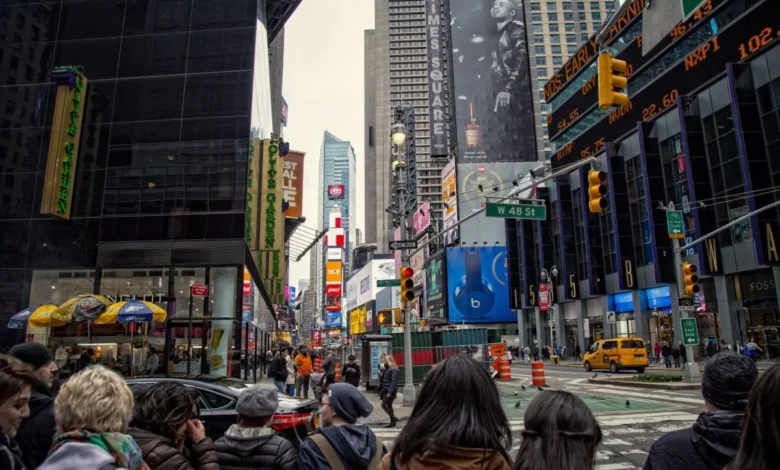
The United States travel industry, which had braced for a banner summer season defined by high-profile sporting events and robust seasonal demand, is now grappling with a sobering reality as recent data confirms a sustained decline in international arrivals. Following a disappointing July, the trajectory for inbound tourism worsened in August, casting a long shadow over the sector’s recovery efforts and prompting industry analysts to reevaluate the factors driving this sudden downturn.
According to the latest figures released on Thursday by the National Travel and Tourism Office (NTTO), the United States welcomed approximately 3.1 million international visitors during the month of August. This figure represents an 11.8% decrease compared to the same period in 2023. This contraction is not an isolated incident but rather the continuation of a downward trend; the U.S. travel sector previously recorded a 7% year-over-year decline in inbound tourism throughout July.
A Summer of Unmet Expectations
The anticipation surrounding this summer was largely anchored in the prospect of major global events, most notably the lead-up to and initial phases of international sports tournaments. Expectations were high that these gatherings would catalyze a surge in inbound travel, mirroring the post-pandemic "revenge travel" patterns observed in previous years. However, the anticipated influx failed to materialize at the scale projected by industry stakeholders and hospitality groups.
The discrepancy between forecast and reality has been particularly acute in the major gateway cities that typically serve as the primary entry points for international travelers. While the domestic travel market has remained resilient, the international segment—which is crucial for high-yield tourism revenue—has struggled to maintain momentum. The failure of visitor numbers to meet World Cup-related projections has served as a primary point of concern for tourism boards, as these events are traditionally expected to provide a substantial boost to hotel occupancy rates, restaurant spending, and regional retail activity.
Regional Breakdown and Geographic Disparities
The downturn in visitor numbers has been broad-based, affecting travel patterns across every major global region. The data from the NTTO highlights a widespread retreat in international interest, with specific markets showing double-digit declines.
Africa emerged as the region with the most significant drop, recording a 25.5% decline in arrivals compared to the previous year. Central America followed closely with a 20.6% reduction, while the critical Western European market—a cornerstone of U.S. inbound tourism—saw a 14.8% decrease.
These declines suggest that the barriers to entry are not limited to a single geopolitical sphere but are instead reflective of broader macroeconomic headwinds. High costs associated with international travel, including airfare volatility and the relative strength of the U.S. dollar, appear to be influencing the decision-making process for prospective travelers in these regions. Furthermore, the administrative complexity of the visa application process, which has remained a consistent point of friction for international visitors, continues to impede travel flow from key emerging and established markets.
Chronology of the 2024 Tourism Slump
The summer decline did not occur in a vacuum; it follows a series of shifts in the global travel landscape over the last eighteen months.
- Q1 2024: The U.S. travel industry entered the year with cautious optimism, expecting a full return to 2019 visitor levels as visa processing times began to normalize and flight capacity expanded.
- May 2024: Initial signs of slowing demand began to appear in monthly reports, though early summer bookings initially masked the softening trend.
- July 2024: The first concrete indicator of trouble emerged when the NTTO reported a 7% year-over-year decline, catching many hospitality analysts by surprise.
- August 2024: The decline deepened to 11.8%, confirming that the cooling of the market was accelerating rather than stabilizing.
- September 2024: Industry bodies began issuing revised forecasts for the remainder of the year, pivoting from growth expectations to strategies aimed at mitigating further losses during the upcoming shoulder season.
Economic Implications and Industry Analysis
The implications of this decline are significant for the U.S. economy, as international tourism is a primary export for the country. When international visitors choose not to travel to the U.S., the impact is felt across the service, retail, and aviation sectors.
Economists point to three primary drivers behind the August slump. First, the "cost-of-travel" factor remains prohibitive. With inflation impacting discretionary income globally, the premium pricing of U.S. hotel rooms and service-sector experiences has pushed many travelers toward more affordable regional alternatives. Second, the strength of the U.S. dollar has made the United States an expensive destination for foreign tourists, effectively reducing their purchasing power and discouraging longer stays.
Third, the competitive landscape has shifted. Countries in Asia and other parts of Europe have ramped up their own tourism marketing efforts, offering competitive pricing and more streamlined entry requirements. This has created a "competitor saturation" effect, where the U.S. is no longer the sole primary choice for international vacationers looking to spend their annual travel budgets.
Official Responses and Future Outlook
While government agencies have yet to issue a comprehensive policy response to the August data, industry leaders have begun to voice their concerns. Representatives from the U.S. Travel Association and various hospitality unions have highlighted that the current visa wait times remain a significant "bottleneck." In some major source markets, wait times for a visitor visa interview still exceed 300 days, a reality that effectively disqualifies millions of potential tourists who prefer to plan their travel on shorter timelines.
"The data is a clear signal that the U.S. must remain vigilant in its efforts to facilitate, not just invite, international travel," noted one industry analyst familiar with the NTTO data. "If we do not address the friction points—whether they are bureaucratic, financial, or related to the perception of travel safety—we risk losing ground to other nations that are aggressively courting global travelers."
Looking ahead, the focus of the travel industry is expected to shift toward the fall and winter seasons. Marketing campaigns are being recalibrated to emphasize value-added experiences and to target specific segments, such as business travel and luxury leisure, which have historically shown more resilience to macroeconomic volatility than the mass-market tourism segment.
The Path Toward Stabilization
Stabilizing the inbound tourism sector will require a multi-pronged approach. Experts suggest that the U.S. government should prioritize the modernization of the entry process, potentially through increased investment in consular staffing to reduce visa interview backlogs. Additionally, private sector players are likely to engage in more aggressive dynamic pricing strategies to ensure that the U.S. remains an attractive value proposition.
Despite the gloomy figures from August, there remains a baseline of demand that keeps the industry optimistic about a long-term recovery. The United States continues to be a top-tier destination for global travelers due to its unique cultural, historical, and natural assets. However, the summer of 2024 has demonstrated that this inherent appeal is no longer enough to insulate the country from global economic shifts and the increasing competitiveness of the international tourism market.
As the industry moves into the final quarter of the year, the focus will remain on whether August represented a seasonal nadir or the beginning of a prolonged period of stagnation. For now, the travel industry is operating in a state of adjustment, recalibrating expectations and preparing for a more complex and competitive global environment in 2025. The data serves as a critical reminder that international tourism is a fragile ecosystem, highly sensitive to policy, currency fluctuations, and global economic sentiment. The road back to growth will require deliberate action and a renewed commitment to keeping the United States open and accessible to the world.