Flydubai targets full network restoration by 2026 as regional aviation sector stabilizes

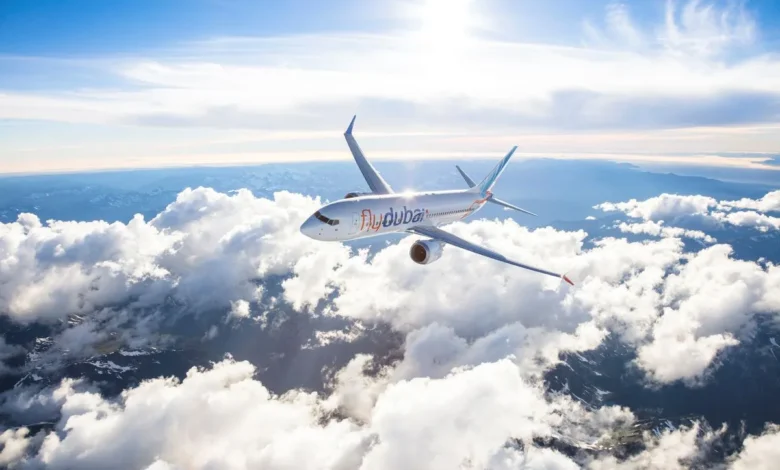
Flydubai, the prominent low-cost carrier based in the United Arab Emirates, has outlined an ambitious roadmap to return to its pre-conflict operational capacity by the conclusion of 2026. This strategic objective follows a period of significant volatility in the Middle East, which necessitated adjustments to flight schedules, route networks, and fleet deployment. As the airline navigates the complexities of a shifting geopolitical landscape, CEO Ghaith Al Ghaith has signaled confidence in the carrier’s ability to not only recover lost ground but to expand beyond its previous footprint, contingent upon the stabilization of regional conditions and the successful integration of new aircraft deliveries.
Navigating Geopolitical Turbulence and Operational Shifts
The aviation industry in the Middle East has faced unprecedented challenges over the past 18 months, driven by regional security concerns that forced major carriers to suspend services, reroute flights, and manage sudden drops in passenger demand. For flydubai, the impact was immediate. As a carrier with a wide reach across the Middle East, Africa, and Central Asia, flydubai’s operational model is particularly sensitive to regional stability.
In the immediate aftermath of rising tensions earlier this year, the airline was forced to suspend or truncate services to several key hubs. These disruptions ripple through the carrier’s bottom line, affecting everything from crew scheduling to maintenance cycles and fuel hedging strategies. Despite these hurdles, flydubai has maintained a resilient stance, utilizing its status as the sister airline to Emirates to optimize passenger connectivity through the Dubai aviation hub.
Speaking on the sidelines of the Arabian Travel Market in Dubai, CEO Ghaith Al Ghaith emphasized that the recovery is well underway. "Before the end of the year, we should go back to 100% of pre-war capacity, and even a little bit more because we will receive more aircraft," Al Ghaith noted. However, he remained grounded in the realities of the industry, adding, "But of course, that is subject to many things," a nod to the unpredictable nature of regional geopolitical shifts.
Chronology of the Recovery Effort
The path to 100% capacity has been a methodical, phased process. Following the initial shocks, the airline’s primary focus shifted from expansion to fleet preservation and network consolidation.
- Early 2024: Regional instability peaked, leading to airspace closures and the suspension of routes into high-risk zones. Flydubai began re-evaluating its 140-destination network to ensure safety and financial viability.
- Mid-2024: The airline initiated a tactical recovery phase, prioritizing high-demand routes and increasing frequency on stable corridors to mitigate the loss of revenue from suspended markets.
- September 2024: Industry data provider OAG reported that flydubai had experienced a notable contraction in seat capacity, reflecting the conservative approach taken during the height of the disruptions. The data showed a 18.3% year-on-year decline in seat capacity to approximately 1.05 million seats, marking the steepest decline among the top 10 airlines in the Middle East.
- Late 2024 and Beyond: The current phase involves the gradual reactivation of dormant routes as security assessments permit, bolstered by the anticipated influx of new Boeing 737 MAX aircraft, which are central to the airline’s growth strategy.
Fleet Dynamics and Growth Strategy
Central to flydubai’s recovery narrative is its fleet modernization program. The airline has long banked on the efficiency and range of the Boeing 737 MAX family. By the end of 2026, the carrier expects its capacity to exceed pre-conflict levels, driven primarily by the delivery of new aircraft that allow for higher flight frequencies and the opening of new, underserved markets.
The decision to lean into fleet expansion during a period of regional uncertainty demonstrates a long-term confidence in the Dubai aviation ecosystem. By maintaining an aggressive order book, flydubai ensures that it is positioned to capture market share as soon as regional demand rebounds. This growth strategy is supported by the airline’s partnership with Emirates, which allows for seamless codesharing and interlining, effectively insulating flydubai from some of the volatility that might affect a standalone budget carrier.
Statistical Context and Industry Implications
The OAG data from September serves as a crucial benchmark for understanding the scale of the disruption. While a 18.3% decline in seat capacity is significant, it must be viewed in the context of a broader regional trend where airlines were forced to prioritize safety over volume. In the highly competitive Middle Eastern market, where legacy carriers and low-cost models often intersect, such a contraction is a temporary departure from a decade of double-digit growth for the carrier.
Flydubai currently operates to 130 of its pre-conflict total of 140 destinations. Achieving this 85% network recovery rate in a relatively short timeframe is a testament to the carrier’s operational agility. The remaining 15% represent the most complex routes, where the resumption of service is heavily dictated by diplomatic developments and local regulatory approvals in destination countries.
Analysis: Broader Impacts on the Regional Aviation Sector
The recovery of flydubai is intrinsically linked to the health of the Dubai aviation hub. As a feeder for Emirates, the stability of flydubai’s network is vital for the continued success of Dubai International Airport (DXB) as a global transit node. Any prolonged disruption to flydubai’s capacity would not only hurt the carrier’s revenue but would also force a shift in transit patterns, potentially benefiting competitors in Saudi Arabia, Qatar, or Turkey.
Furthermore, the "wait and see" approach adopted by management reflects a broader trend among Middle Eastern airlines. There is a palpable shift toward "defensive growth," where capacity is added only when the underlying demand is proven to be robust. This conservative fiscal discipline is likely to characterize the region’s aviation sector for the foreseeable future.
Challenges to the 2026 Roadmap
While the goal of full recovery by 2026 is clear, several external factors could influence the timeline:
- Geopolitical Stability: The most significant variable is the potential for further escalations in regional conflicts. Any further disruption to regional airspace would force a recalibration of flight paths, increasing operational costs and fuel burn, which could stifle the expansion of the network.
- Supply Chain Constraints: Like many airlines, flydubai is subject to the delivery timelines of major aircraft manufacturers. Global supply chain bottlenecks have delayed aircraft deliveries for carriers worldwide. Should Boeing face further production or certification delays, flydubai’s ability to exceed pre-conflict capacity would be severely hampered.
- Fuel Price Volatility: The aviation industry remains sensitive to the price of Brent crude. With regional tensions often impacting oil markets, flydubai’s bottom line could face pressure from fluctuating fuel costs, which would necessitate higher ticket prices and potentially dampen passenger demand.
- Regulatory Hurdles: The process of reactivating routes into certain countries requires complex negotiations with local aviation authorities. In a shifting political climate, these negotiations can be slow, unpredictable, and subject to change on short notice.
Official Stance and Outlook
The leadership at flydubai has maintained a posture of cautious optimism. The airline’s ability to survive the downturn and maintain 85% of its network while navigating severe regional pressures highlights the strength of its underlying business model. By focusing on the integration of new aircraft and a gradual, phased return to its full destination list, the carrier is minimizing the risk of over-expansion.
Looking ahead, the airline’s strategy appears to be one of "controlled resilience." By the end of 2026, flydubai expects to emerge as a larger, more efficient carrier, having used the period of disruption to refine its route network and improve its fleet utilization. As Al Ghaith indicated, the path forward is subject to external factors, but the infrastructure and the strategic intent are firmly in place. The airline’s success in hitting these milestones will be a critical indicator of the broader recovery of the Middle Eastern aviation market, serving as a bellwether for the region’s economic and security stability in the years to come.