Navigating the Emerald Labyrinth: Essential Survival and Expedition Guidelines for Earth’s Vanishing Tropical Rainforests

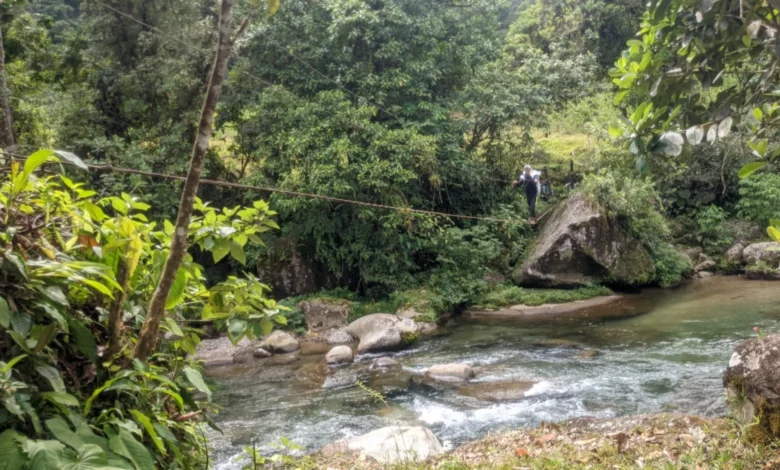
Tropical rainforests represent some of the most ecologically diverse and complex terrestrial ecosystems on the planet, serving as critical carbon sinks, biodiversity reservoirs, and living laboratories of evolutionary biology. However, these vital environments are vanishing at an alarming rate, driven by deforestation, agricultural expansion, and industrial development. Recent environmental data indicates that global tropical forests are disappearing at a rate exceeding 10,000 acres per day, amplifying the urgency for scientific exploration, ecotourism, and conservation advocacy.
For decades, remote rainforests such as those in Panama’s Parque Internacional La Amistad and the deep, primeval jungles of West New Britain Province in Papua New Guinea have drawn naturalists, researchers, and seasoned adventurers. Yet, traversing these environments demands rigorous preparation, specialized gear, and a comprehensive understanding of tropical logistics. Drawing from recent field expeditions conducted by outdoor and adventure journalists in remote regions of Central America and Oceania, this report outlines the critical protocols, equipment requirements, and environmental considerations necessary for safely navigating the world’s remaining tropical rainforests.
The Global Decline of Tropical Rainforests and Conservation Imperatives
The acceleration of deforestation across the Amazon Basin, Southeast Asia, and the island archipelagos of Oceania underscores a rapidly closing window for firsthand engagement with pristine jungle ecosystems. Conservation biologists emphasize that experiencing these habitats firsthand fosters a deeper public commitment to global environmental protection.
Historically, public access to deep-jungle environments was restricted to specialized scientific expeditions or military training exercises. In recent years, however, the growth of managed ecotourism in regions such as Papua New Guinea—facilitated by locally owned entities like the Walindi Plantation Resort and Liamo Reef Resort—has opened pathways for responsible, low-impact travel. Environmental analysts note that sustainable tourism initiatives can provide local indigenous communities with economic incentives to preserve primary forests rather than converting them to commercial agricultural land. Despite these initiatives, the logistical challenges of remote jungle travel remain formidable, requiring meticulous planning regarding climate, safety, and equipment.
Strategic Planning and Timing: Navigating Wet Versus Dry Seasons
A primary determinant of expedition safety and comfort is the timing of travel relative to regional meteorological cycles. In many equatorial and tropical zones, climatic patterns are sharply defined by wet and dry seasons.
In Papua New Guinea, the dry season typically extends from May through October, offering relatively cooler ambient temperatures, reduced precipitation frequency, and lower insect population densities. Conversely, expeditions attempted during peak monsoon or wet periods frequently encounter severe logistical impediments, including flooded trail systems, impassable river crossings, and heightened exposure to vector-borne disease vectors such as mosquitoes and sweat bees.
Expedition planners strongly advise analyzing historical weather data for specific micro-regions prior to finalizing travel dates. Mitigating the risk of a high-stress "sufferfest"—characterized by persistent moisture, gear degradation, and extreme heat exhaustion—hinges almost entirely on aligning the itinerary with seasonal windows of minimal precipitation.
Expedition Logistics: The Necessity of Local Guiding and Infrastructure
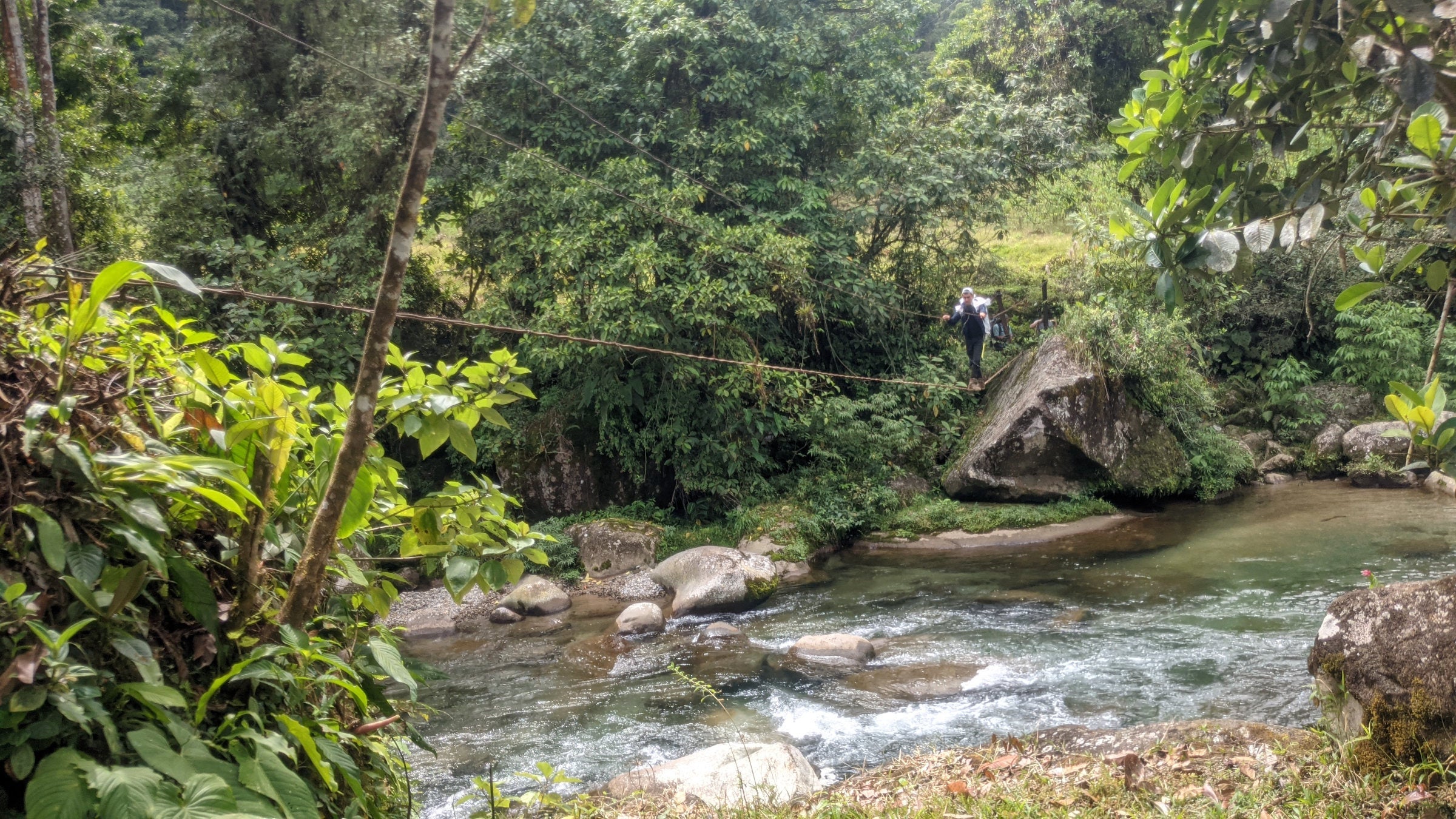
While independent wilderness travel is a hallmark of traditional mountaineering and backcountry exploration, tropical rainforests present unique navigational, ecological, and cultural challenges that frequently necessitate professional guidance. Dense foliage, rapid obliteration of trails by fast-growing vegetation, and the absence of reliable line-of-sight landmarks render standard compass-and-map navigation exceptionally difficult.
Industry standards dictate the employment of experienced local guides who possess deep knowledge of indigenous flora, fauna, and regional geography. Furthermore, utilizing established local lodges and regional outfitters ensures compliance with local protocols, respects sovereign indigenous territories, and provides a secure operational basecamp. Experts recommend conducting thorough vetting processes months in advance, including reviewing operator credentials, consulting peer networks, and verifying emergency evacuation protocols.
Biosecurity, Vector Control, and Health Precautions
The high biodiversity of tropical rainforests encompasses a wide array of venomous fauna, pathogenic microorganisms, and biting insects. Mitigating health risks requires a multi-layered approach to personal protection and pharmacological preparation.
Vector-Borne Disease Prevention
Malaria, dengue fever, and other mosquito-borne illnesses present severe health risks in tropical zones. Standard protocols require travelers to consult travel medicine physicians for appropriate prophylactic medications prior to departure. In addition to chemical repellents, treating outer layers of clothing with permethrin provides a highly effective barrier against ticks, mosquitoes, and chiggers. Field reports caution against the indiscriminate use of high-concentration DEET, which has been documented to compromise the waterproof laminates and chemical treatments of technical rain shells.
Physical Barrier Management
To prevent encounters with venomous insects, spiders, and barbed or toxic vegetation, expedition specialists recommend wearing lightweight long-sleeve shirts and durable hiking pants. Tucking pant legs securely into wool or synthetic socks creates an effective physical seal against crawling insects and ground-dwelling parasites. While this method increases thermal retention and perspiration, it significantly reduces the incidence of contact-dermatitis, insect stings, and secondary skin infections.
Emergency Medical Preparedness
Given the remoteness of deep-jungle environments, professional medical intervention can be hours or days away. Medical advisors recommend carrying a comprehensive field pharmacy, including broad-spectrum emergency antibiotics, anti-diarrheal agents, oral rehydration salts, antihistamines, and specialized treatments for topical fungal infections and insect stings.
Shelter Dynamics: The Superiority of Suspended Systems over Ground Tents
Selecting appropriate shelter in tropical rainforests requires a fundamental departure from standard temperate-zone camping practices. Ground-level camping in primary jungles exposes travelers to significant hazards, including scorpions, venomous snakes, flash floods, and aggressive ground-dwelling insects. Furthermore, the persistent humidity and lack of flat, cleared ground make traditional freestanding tents impractical.
Field testing in regions like Papua New Guinea has highlighted the efficacy of specialized suspended shelter systems, such as modern jungle hammocks equipped with integrated mosquito netting and rain flys (e.g., the Hennessy Jungle Explorer Zip XL). Advanced hammock designs feature internal sleeves to secure insulated sleeping pads—counteracting nocturnal temperature drops—and integrated deployment tubes (often termed "snakeskins") that prevent the shelter fabric from touching the damp, insect-laden forest floor during setup and breakdown.
Hydration Security and Advanced Water Treatment

Access to potable water is critical in tropical environments, where dehydration and waterborne pathogens present immediate threats to health. Natural water sources, including jungle streams and rivers, frequently harbor pathogenic bacteria, protozoa (such as Giardia and Cryptosporidium), and enteric viruses originating from wildlife populations.
While lightweight, travel-sized squeeze filters (such as the Hydrapak Flux) effectively remove bacteria and protozoa, expedition-grade purifiers—including the MSR Guardian Purifier—are often deployed for high-risk environments due to their ability to block viruses as well. However, due to the substantial weight and financial cost of expedition-grade mechanical purifiers, experienced leaders frequently recommend a redundancy model: pairing a primary microfilter with chemical treatment drops or tablets (such as Aquamira or Katadyn Micropur) to neutralize viral pathogens safely and economically.
Navigation and Communication in Dense Canopy Environments
Standard orienteering techniques rely heavily on visual identification of topographical features and celestial bodies. In dense tropical rainforests, however, continuous triple-canopy foliage frequently obscures the sky, rendering traditional compass navigation and satellite-based GPS tracking intermittent or unreliable.
To maintain situational awareness, expeditions utilize ruggedized satellite messengers and GPS units (such as the Garmin InReach series paired with regional mapping applications). These devices provide both global SOS emergency dispatch capabilities and waypoint tracking, ensuring that expedition members can communicate their status to remote support teams or family members despite heavy canopy interference.
Footwear and Podiatric Care in Wet Conditions
Footwear selection in tropical environments represents a critical compromise between structural support, protection, and moisture management. Contrary to popular assumptions regarding waterproof footwear, experts emphasize that waterproof membranes (such as Gore-Tex) are counterproductive in sustained tropical downpours and river crossings. Once water breaches the collar of a waterproof boot, the membrane traps moisture, accelerating skin maceration, blistering, and fungal infections.
Instead, field professionals recommend quick-drying, non-waterproof technical boots or specialized jungle boots featuring aggressive lug patterns and integrated drainage ports (manufactured by brands such as Vivo barefoot and Salomon). These designs allow water to escape rapidly during movement while offering robust ankle support and traction on slick mud and steep terrain. Proper breaking-in of footwear prior to expedition deployment remains essential to prevent debilitating blister formation in high-humidity conditions.
Broader Implications for Global Conservation and Adventure Travel
As the global footprint of industrialization and resource extraction continues to expand into primary wilderness areas, the opportunity to witness intact tropical rainforests diminishes daily. Responsible ecotourism serves as a vital economic counterweight to deforestation, demonstrating that living ecosystems can generate sustainable local revenue. By adhering to rigorous safety protocols, employing local guides, utilizing low-impact gear, and respecting indigenous sovereignty, modern travelers can safely engage with these irreplaceable ecosystems while contributing to their long-term preservation.
Related posts: