Virtual Horizons and Underground Classrooms: How Afghanistan’s First Female Tour Guide Keeps Her Homeland Alive Through Digital Exile

The geographical distance between a desk in Melbourne and a screen in Milan can span continents, but for Fatima Haidari, the bridge between her current exile and her ancestral home is built on pixels, memory, and defiance. Once celebrated as Afghanistan’s pioneering female tour guide, Haidari now conducts virtual journeys through the historical heartlands of her country—guiding international travelers past the 15th-century minarets of Herat while living thousands of miles away from the landscapes she describes.
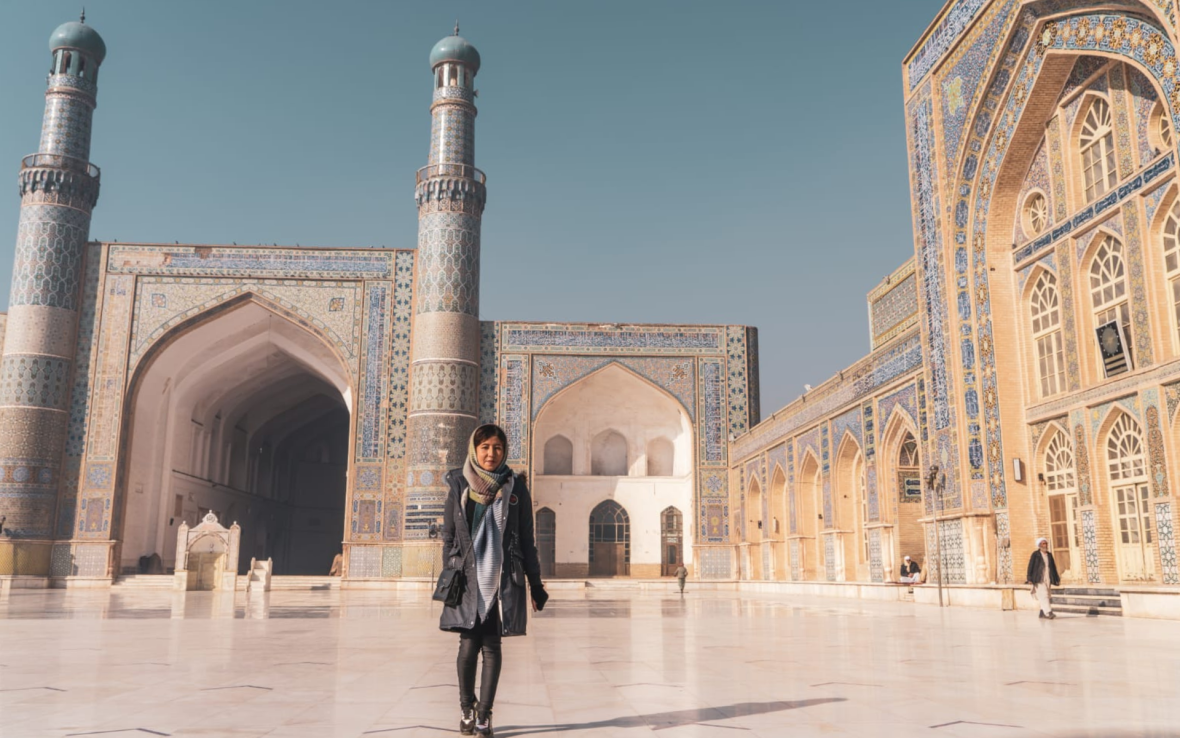
For Haidari, a 27-year-old native of the impoverished Ghowr province, the digital medium serves as a lifeline to a past violently severed. Her journey from an accidental guide sharing history on a university Facebook page to an international symbol of resilience highlights the profound human cost of the Taliban’s return to power in August 2021. Today, as the international community grapples with the world’s most severe women’s rights crisis, Haidari’s digital tours and underground educational initiatives offer a stark counter-narrative to the systemic erasure of women under the current regime.
A Chronology of Displacement: From the Silk Road to Milan
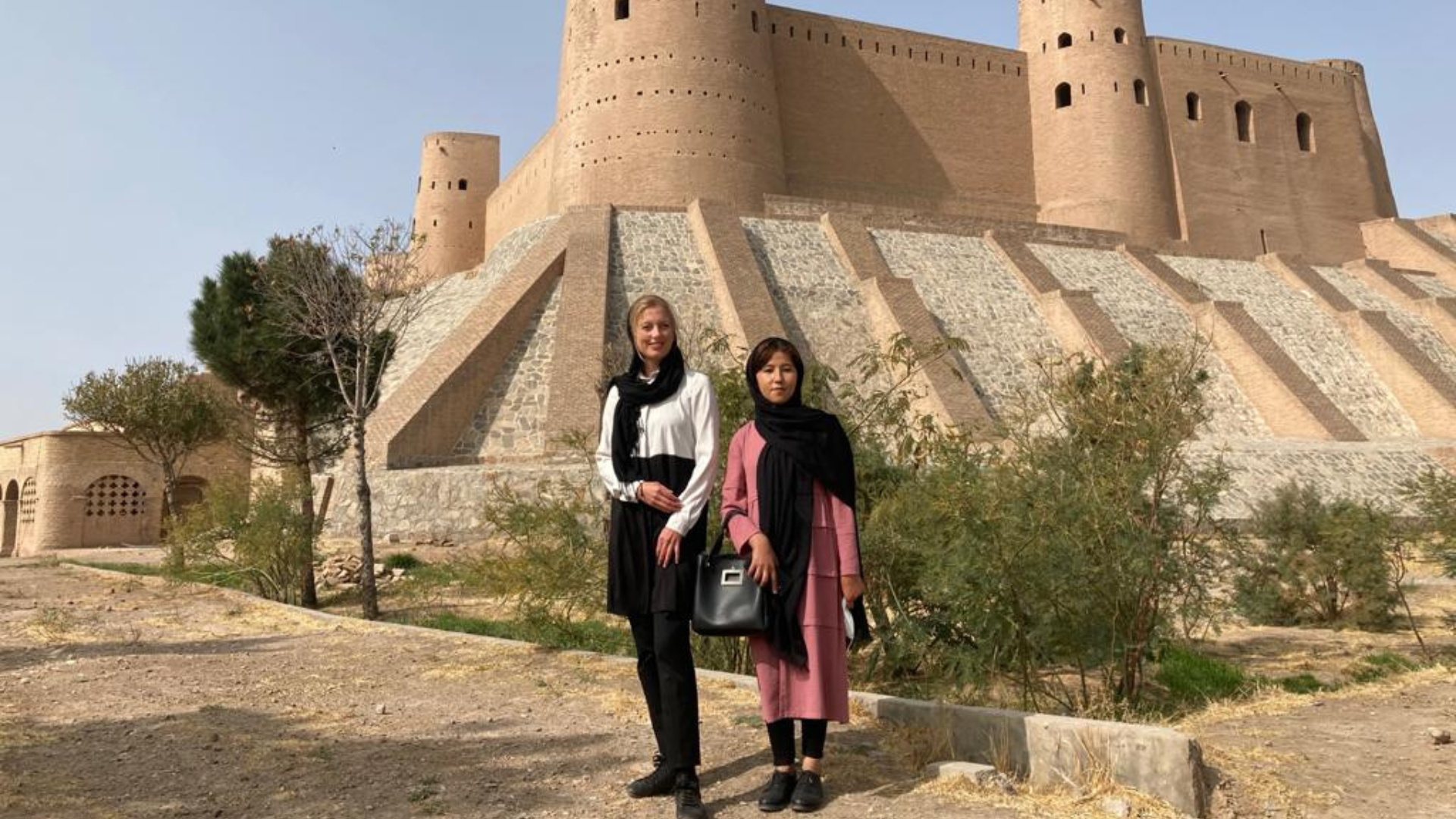
Haidari’s trajectory intertwines closely with the modern political turbulence of Afghanistan. Long before the events of 2021, her life was defined by an academic pursuit of her country’s 6,000-year history. While completing a university project on Afghan heritage, she launched a social media page to showcase the architectural and cultural wealth of her homeland. That digital curation caught the attention of a Ukrainian traveler who sought her out for a tour of Herat—an introduction that subsequently connected her with Untamed Borders, a British adventure travel company operating in the region for two decades. Breaking barriers in a heavily patriarchal industry, Haidari became Afghanistan’s first female tour guide.

Alongside her tourism work, Haidari maintained a demanding schedule as a journalism student. She ran a weekly radio program titled "Winner Women" to amplify female voices and co-founded an organization dedicated to teaching women English, mathematics, and university entrance exam preparation.
That fragile progress collapsed entirely within a month of the Taliban’s takeover in August 2021. The swift withdrawal of United States and coalition forces, followed by the fall of Kabul, plunged the nation into chaos. As a prominent young woman who had been interviewed by international media outlets like CNN, Haidari quickly became a high-profile target.
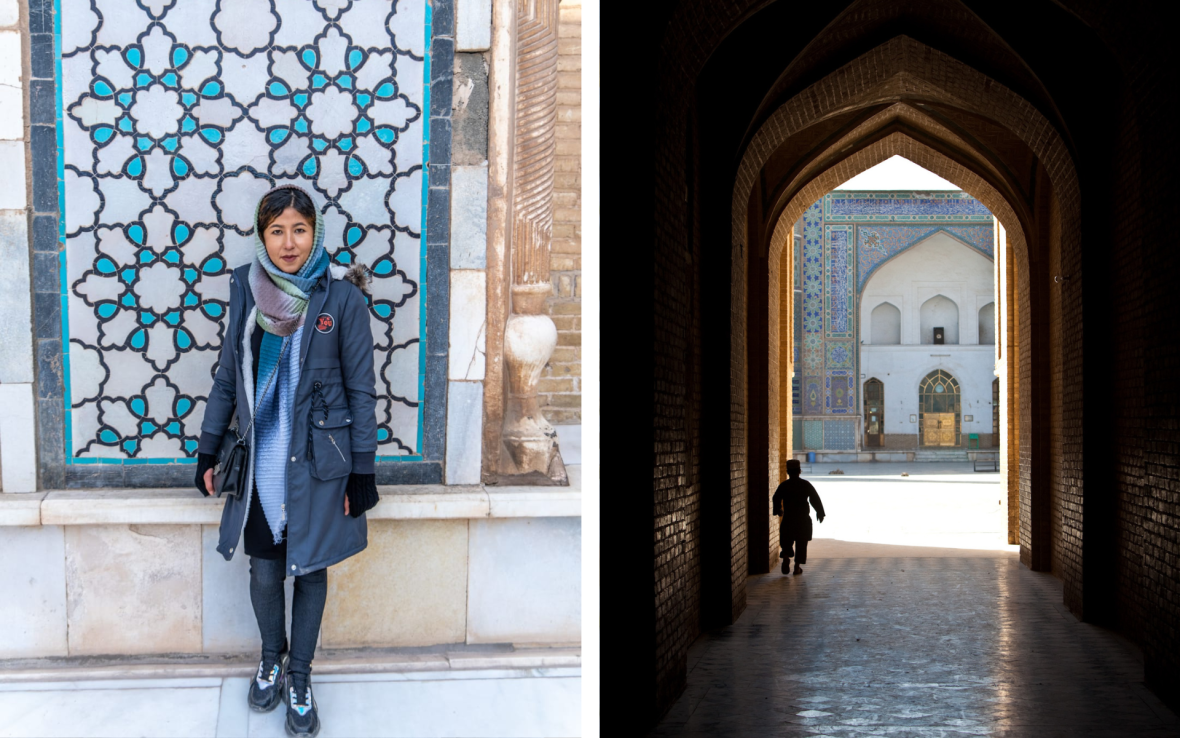
"If the Taliban had captured me, they would have not only harmed me, but also my family," Haidari recounts. Drawing on her mother’s stories of the first Taliban regime from 1996 to 2001—marked by the systematic bombing and closure of schools—she recognized the urgent imperative to flee.
The evacuation process required harrowing days navigating crowds outside Kabul’s Hamid Karzai International Airport. Amid violence, gunpoint confrontations, and crushing stampedes, Haidari secured a seat on an evacuation flight to Italy. Arriving with virtually no knowledge of the language—initially believing "pizza" was an authentic Afghan dish—she rebuilt her life. She mastered Italian and English, earned a degree in international politics and government from Milan’s prestigious Bocconi University, and prepared to advance her legal studies with a Master’s in International Law.
The Architecture of Memory: Virtual Tourism in Herat
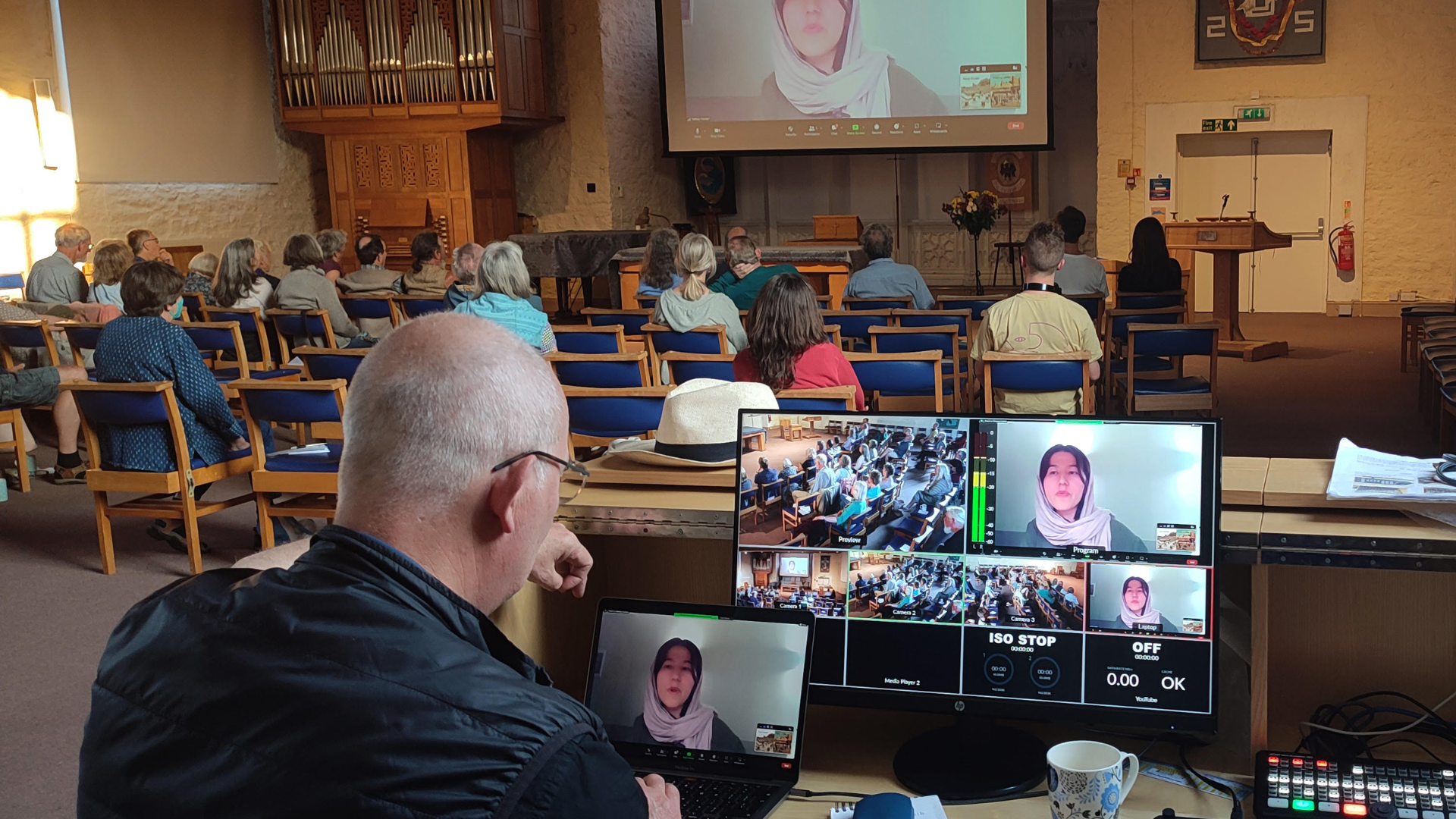
Through her collaboration with Untamed Borders, Haidari has transformed her exile into an educational enterprise. Utilizing Zoom, high-resolution photographs, and drone footage, she leads travelers on virtual walkthroughs of Herat, a historic crossroads on the ancient Silk Road.
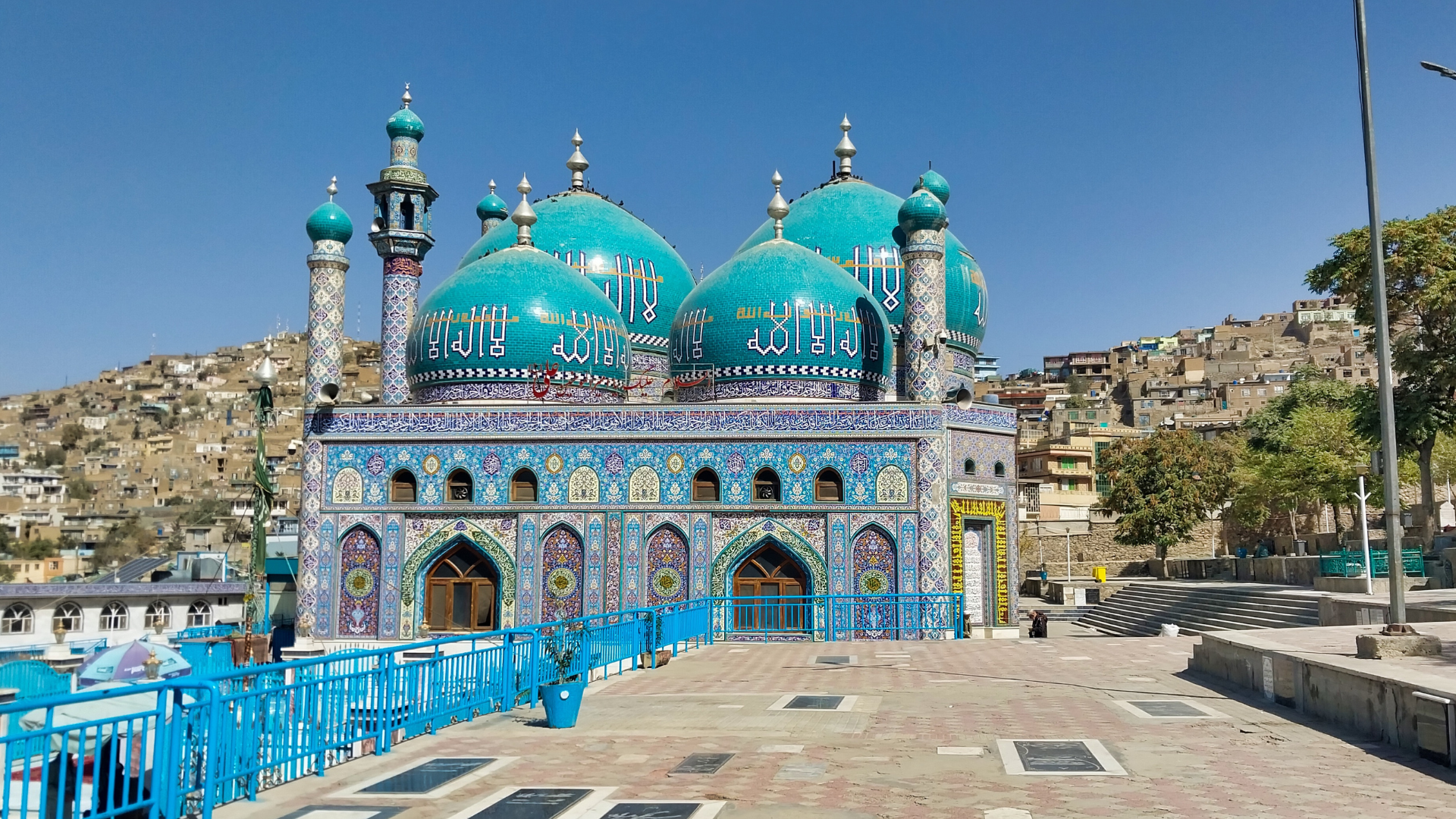
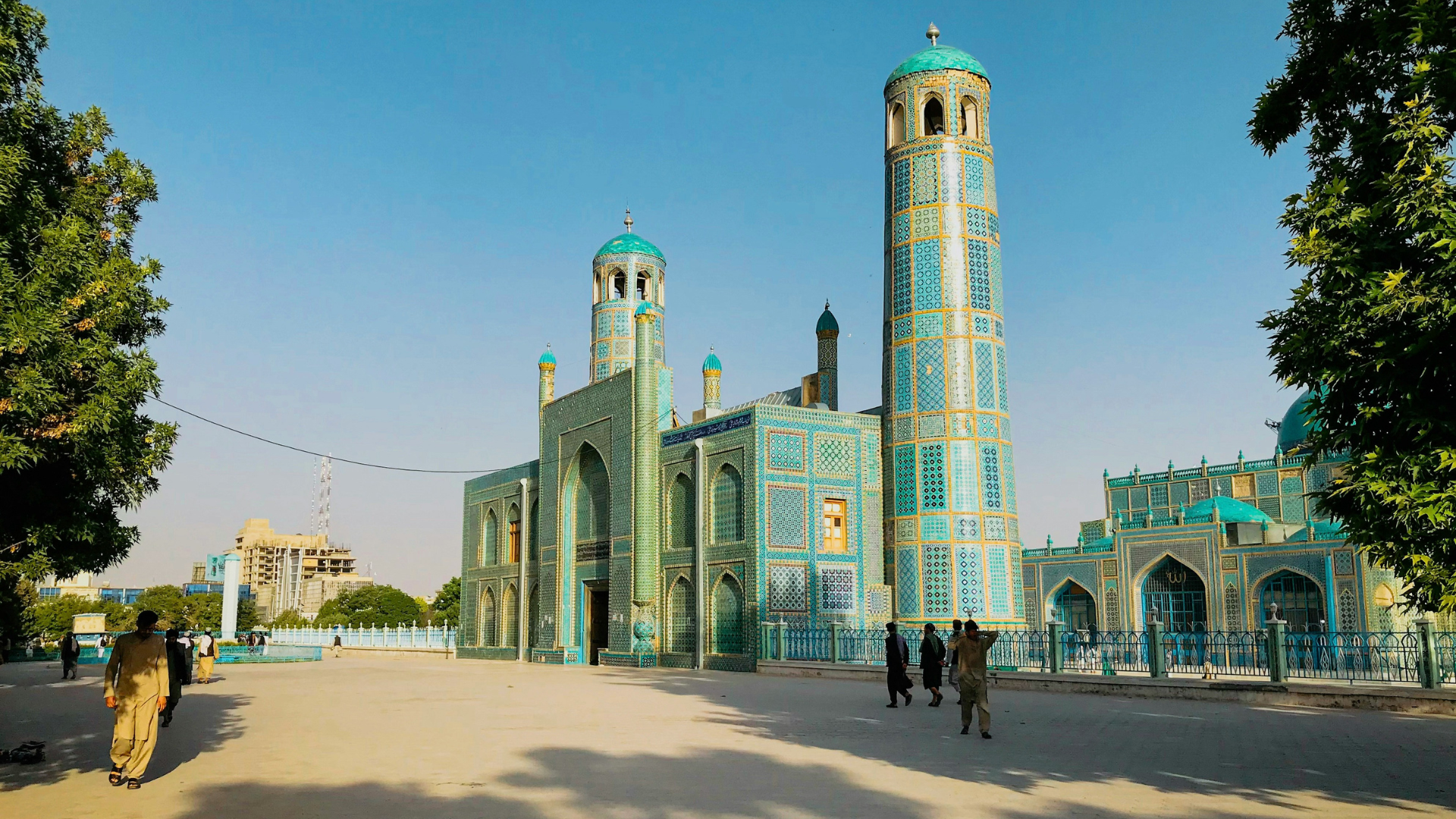
The tours immerse participants in the sensory details of western Afghanistan: the turquoise walls and looming minarets of the Musalla of Gawhar Shad, built under the Timurid Empire in 1405; the bustling atmosphere of the 13th-century old bazaar; and the enduring culinary traditions where tea is invariably served with black or green leaves, spiced with cardamom or saffron.
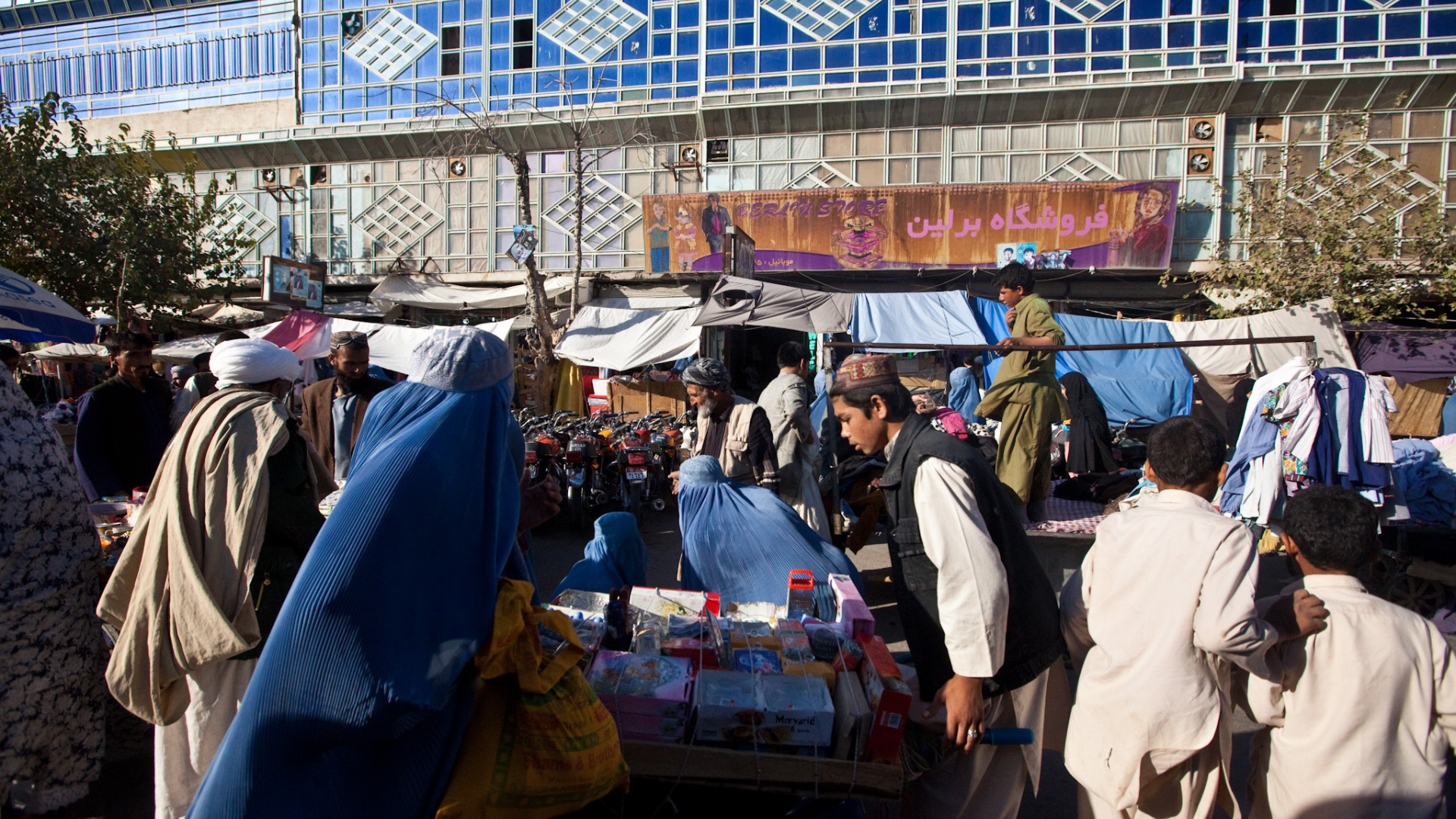
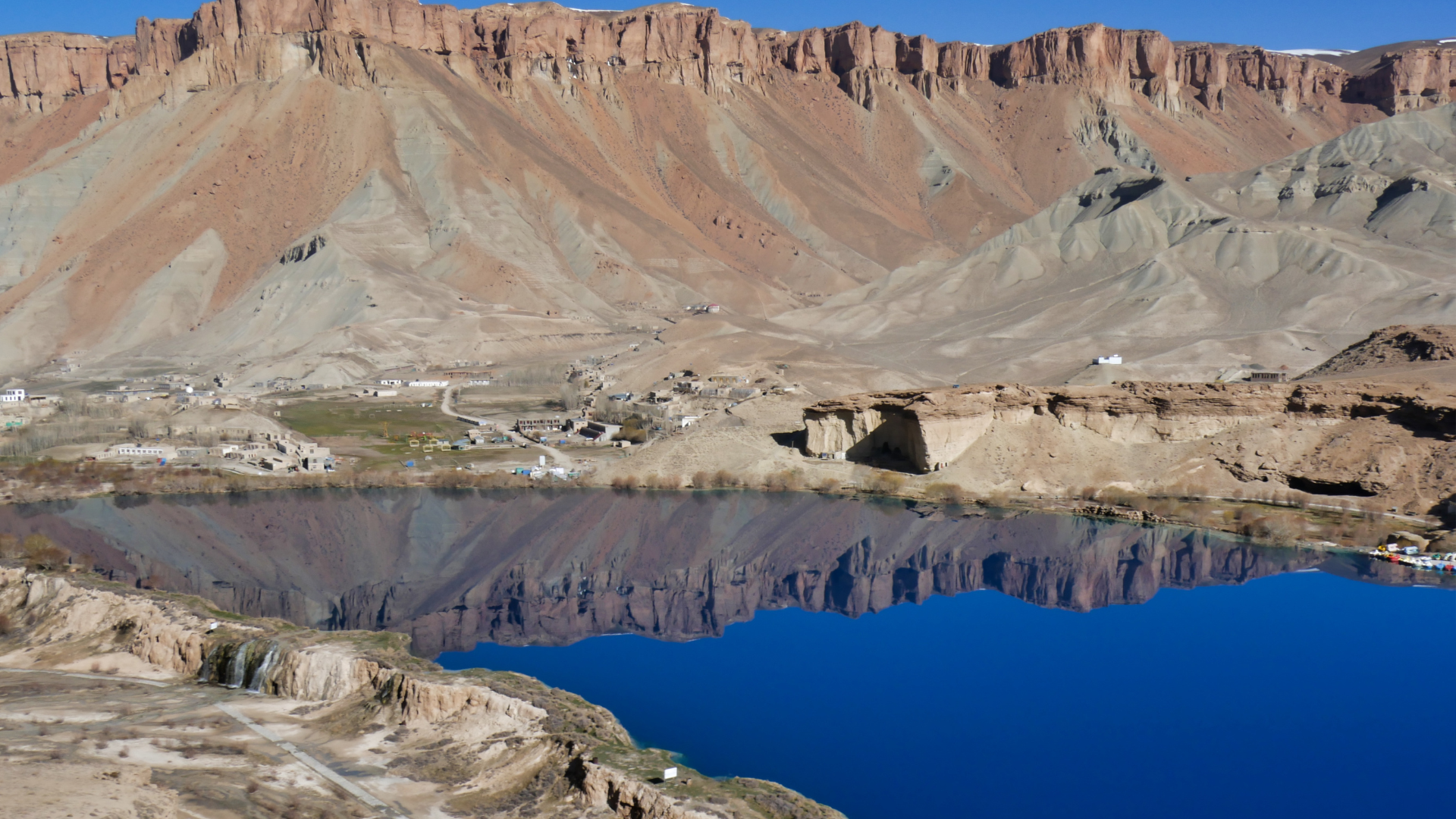
Haidari also highlights the profound cultural synthesis of Afghanistan, noting its mosaic of Sunni and Shia Muslims, nomadic tribes, and settled clans, including Pashtuns, Tajiks, Uzbeks, and her own ethnic minority, the Hazaras. She emphasizes the nation’s deep affinity for the color blue—visible in sapphire lakes, lapis lazuli antiques, and the iconic tiles of major shrines—while critically contrasting it with the coercive use of the blue burqa enforced by the current administration.
"Your face is your identity, so with the burqa, you don’t have an identity," Haidari notes, emphasizing that the mandatory full-body covering represents a systematic erasure of personal autonomy rather than a mere cultural garment.
Broader Implications: The Crisis of Women’s Rights and International Tourism
The operational reality inside Afghanistan presents a grim picture for human rights observers. In the years following the 2021 takeover, the de facto authorities have issued more than 100 decrees curtailing the freedoms of women and girls. These edicts include bans on secondary and university education, restrictions on employment and freedom of movement, the institutionalization of child marriage, and the total exclusion of women from public life.
United Nations bodies, including UN Women, have classified the situation as the most severe women’s rights crisis globally. Despite these documented abuses, bureaucratic realities regarding physical access have shifted. In March 2026, the Afghan administration introduced a 30-day e-visa system costing $128, available to nationals from most UN member states.
However, Western governments maintain strict travel warnings. The UK Foreign Office and the US State Department strongly advise against all travel to Afghanistan, citing extreme risks of civil unrest, violent crime, terrorism, and kidnapping. The Institute for Economics and Peace, in its 2026 Global Peace Index, ranks Afghanistan 157th out of 163 evaluated states and territories, reflecting persistent instability.
This environment has spawned a controversial trend among certain foreign social media influencers—sometimes colloquially termed "Talibros"—who visit the country under tightly controlled circumstances, publishing cheerful travelogues while ignoring the systemic oppression of the local female population. Haidari explicitly rejects this superficial tourism, labeling the ruling authority a terrorist group systematically dismantling civil society rather than a legitimate government.
Resistance Through Education: Funding Underground Schools
Rather than yielding to despair, Haidari channels the revenue generated from her virtual tours into direct action on the ground. A significant portion of her earnings finances a clandestine educational network for women and girls inside Afghanistan who are legally barred from attending formal institutions past the age of 12.
Starting with a single instructor, the underground initiative has expanded significantly. It now supports four female English teachers, a vocational sewing program where women produce marketable garments and household linens to achieve financial independence, and foundational literacy classes for older women previously denied educational opportunities. The curriculum also incorporates workshops focused on mental health awareness and legal rights regarding forced marriages.
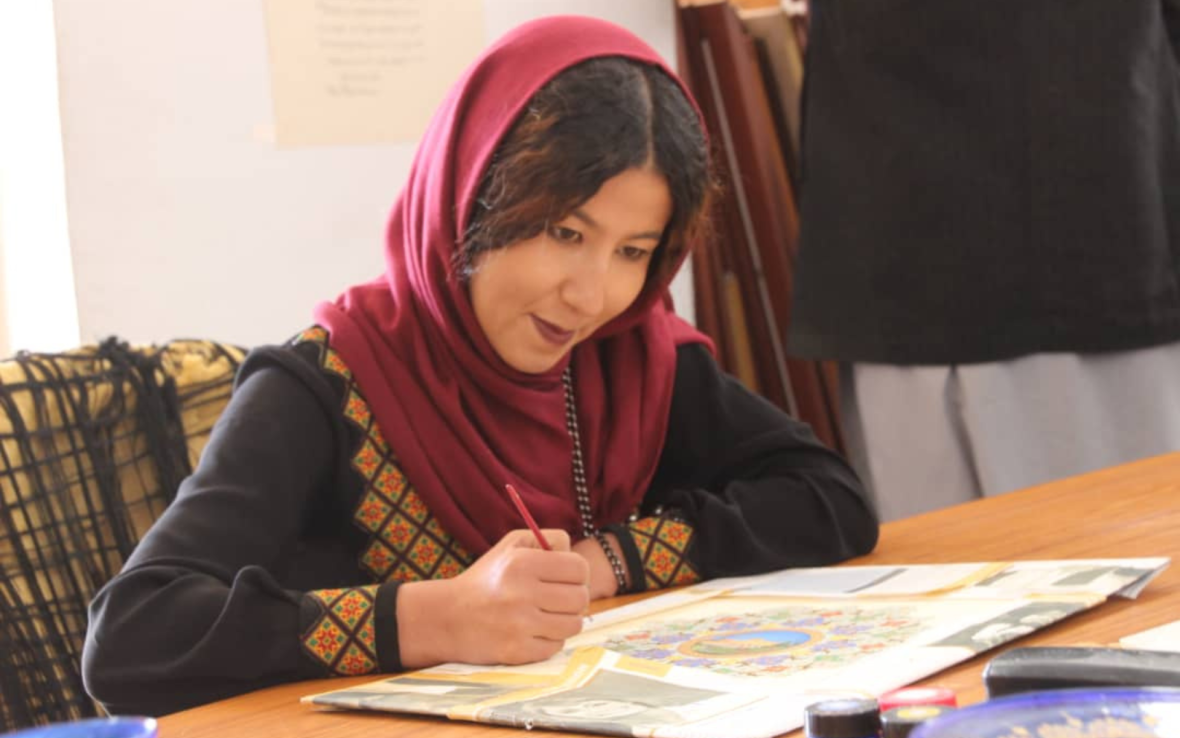
To navigate the restrictive local environment safely, the project utilizes a strategic division of labor. While female educators manage the classrooms, a male logistics coordinator handles errands such as purchasing textbooks and visiting banks—tasks that have become exceedingly hazardous or practically impossible for women to perform independently under current restrictions.
"For our students, it’s not just a classroom, but a way of resistance," Haidari states.
While the prospect of returning to her homeland remains uncertain, Haidari maintains an unwavering commitment to its long-term recovery. Whether through her academic pursuits in international law, her virtual mapping of Herat’s ancient monuments, or the quiet resilience of secret classrooms operating in defiance of authoritarian decrees, she continues to ensure that the intellectual and cultural identity of Afghan women remains visible to the world.
Related posts: