Skift Live Tourism Summit 2026: Navigating the Intersection of Global Events and Destination Economies

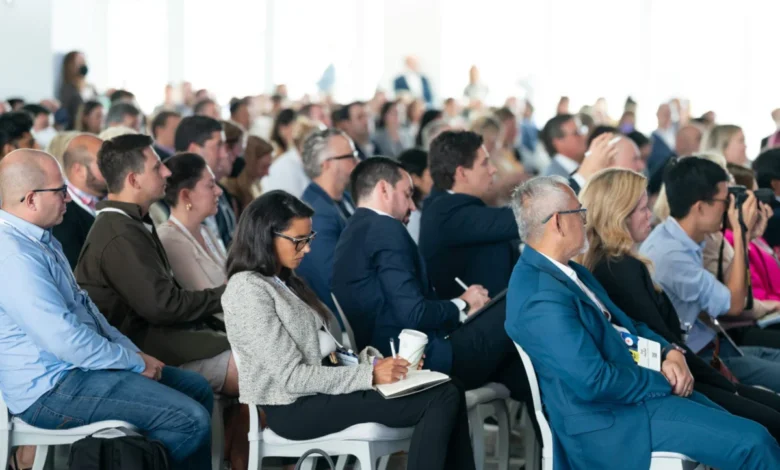
On September 22, 2026, the North Javits Center in New York City will host the Skift Live Tourism Summit, a high-level assembly of industry leaders tasked with reconciling the massive, surging demand for "live tourism" with the long-term sustainability of host destinations. Presented in partnership with Live Nation, the event marks a pivot in how travel stakeholders view the role of concerts, sporting events, and festivals. No longer considered mere "peripherals" to a standard travel itinerary, these moments have matured into the primary drivers of global tourism demand, necessitating a complete reevaluation of infrastructure, revenue modeling, and community relations.
The Evolution of the Traveler’s Motivator
Historically, tourism strategy focused on the destination first—the city, the beach, or the monument—with activities filled in later. Current data from Skift Research, as detailed in the report Ticket to Tourism: Live Tourism as a Travel Motivator, confirms a tectonic shift in consumer behavior. Modern travelers now prioritize the "moment"—a specific tour date, a championship final, or a global festival—and construct their travel plans entirely around that anchor.
This behavioral pivot has significant economic implications. When travelers choose the event before the destination, the demand becomes highly inelastic. This phenomenon, often called "event-led tourism," creates intense, localized surges in travel activity. While these surges offer immense potential for revenue, they also expose systemic vulnerabilities in cities that are not prepared to handle the sudden influx of thousands of visitors within a concentrated 48-to-72-hour window.
Chronology of the Live Tourism Surge
The current state of the industry is a byproduct of several years of explosive growth in the live entertainment sector. The following timeline illustrates the maturation of the live tourism phenomenon:
- 2022–2023: The Post-Pandemic Rebound. As global travel restrictions lifted, "revenge travel" combined with a backlog of major concert tours. The industry observed that fans were willing to pay significantly higher premiums for airfare and accommodation to ensure attendance at major shows.
- 2024: The "Eras Effect." Taylor Swift’s global tour provided the most definitive case study in modern history regarding the impact of live events on local economies. In cities across the United States, hotel occupancy rates surged to near-capacity, and local businesses reported record-breaking revenue figures.
- 2025: The Infrastructure Realization. As the novelty of these events faded, municipalities and travel operators began to analyze the "hidden costs." The year was defined by a surge in international music tourism, particularly in the UK, which saw a 26.8% increase in international visitors arriving specifically for live music.
- 2026: The Strategic Integration. The current year has shifted toward formalizing these events within municipal planning. The Skift Live Tourism Summit arrives at a critical juncture where stakeholders are moving from reactive management to proactive, long-term calendar integration.
Economic Realities: The Cost of the Surge
The allure of hosting a major event is often measured in immediate tax revenue and hotel RevPAR (Revenue Per Available Room). However, the underlying economics are increasingly complex. For example, the Las Vegas Grand Prix in its inaugural year generated an estimated $1.5 billion for the region. By the second year, this figure adjusted to $934 million as initial, one-time infrastructure build-out costs receded. This trajectory serves as a warning for cities: reliance on the "novelty" of an event is a risky financial strategy.

Furthermore, the distribution of wealth remains a point of contention. While airlines, luxury hotels, and rideshare platforms see an immediate spike in revenue, the host city often absorbs the burden of public safety, sanitation, and infrastructure strain. The U.S. Travel Association estimates that for every $100 spent on a live performance, roughly $300 is generated in local spending. Yet, if the city is not effectively capturing that secondary spending through tax structures or long-term partnerships with promoters, the event may actually leave the city in a net-neutral or negative position once public expenditures are accounted for.
The Conflict of Yield Management vs. Community Access
One of the most pressing topics for the upcoming summit is the ethical limit of pricing. In instances like the Eras Tour, hotel rates in cities like Cincinnati saw shifts from $72 to over $1,000 per night. While this represents a triumph of yield management, it raises significant questions about the long-term viability of the host brand.
When residents are priced out of their own cities during major events, the social license to operate begins to erode. This is a primary driver of the "overtourism" backlash currently being felt in major European and North American hubs. The industry is currently facing a dilemma: how to maximize the high-margin revenue of international "event tourists" without alienating the local populace that provides the city with its unique character. As noted by industry analysts, the revenue is undeniably attractive, but the long-term reputational cost is frequently absent from the initial spreadsheets.
Readiness and the Infrastructure Gap
The history of mega-events is littered with the carcasses of "white elephant" projects—stadiums and facilities built for a single event that fall into disrepair. The 2026 Summit will focus heavily on the difference between "winning a bid" and "readiness."
True readiness, according to current industry standards, requires a comprehensive overhaul of municipal operations. This includes:
- Supply Chain Resiliency: Ensuring that local hospitality and service sectors can scale up labor and resources to meet 1,000% spikes in demand.
- Service Recovery Protocols: Establishing robust systems for when the surge tests municipal infrastructure, as a single failure in service can leave a lasting negative impression on international travelers.
- Cross-Sector Coordination: Moving beyond the "silo" mentality. Currently, airlines, hotels, and promoters often operate independently. The most successful future models will be those that integrate these disparate parts into a unified ecosystem.
Official Perspectives and Industry Outlook
In advance of the summit, spokespeople for major travel organizations have emphasized the need for a shift in perspective. The general consensus among the 92% of executives who identify live tourism as critical to their five-year outlook is that the current ad-hoc approach is unsustainable.

"We are moving from a period of opportunistic hosting to a period of strategic integration," notes a representative from the planning committee. "The goal of the Skift Live Tourism Summit is to move the conversation from ‘How do we get this event?’ to ‘How do we build an economy that sustains these moments?’"
The challenge remains the inherent tension between the three primary stakeholders: the destination (which seeks social stability and long-term growth), the promoter (which seeks to maximize ticket and sponsorship revenue), and the operator (which seeks to maximize yield per unit). The friction between these three entities is the primary focus of the upcoming sessions at the North Javits Center.
Implications for the Future
The 2026 Skift Live Tourism Summit is not merely a conference; it is a response to a fundamental change in the travel industry. As 86% of travelers report that live events are central to their overall sense of well-being, the industry must pivot. Companies that view live events as one-off "windfalls" will likely find themselves losing market share to those that establish year-long, collaborative calendars with local governments and venue operators.
Participants leaving the summit in September are expected to be equipped with a new framework for decision-making. The core of this framework is a shift from programming events to building an economy. The destinations that succeed in the next decade will be those that treat their event calendar not as a series of disparate dates, but as a core component of their public infrastructure and long-term economic strategy. By surfacing the friction between competing interests and challenging the status quo, the summit aims to provide the blueprint for the next era of global travel.