Yeti Expands Gear Protection Portfolio with Three New Loadout GoBox Sizes for Professional Photographers and Adventurers

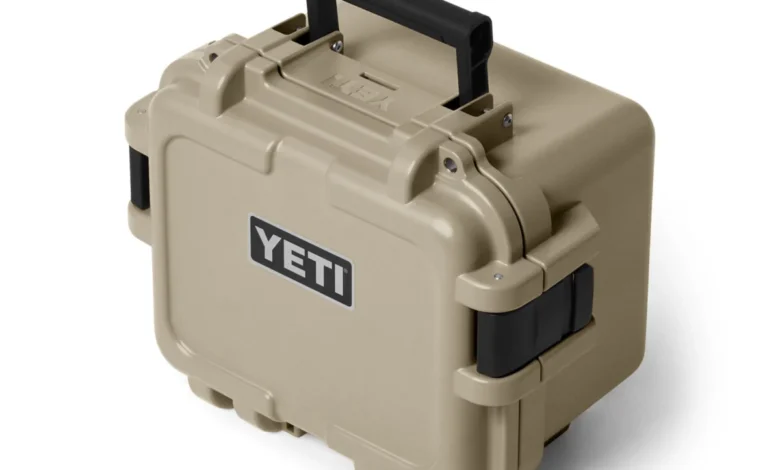
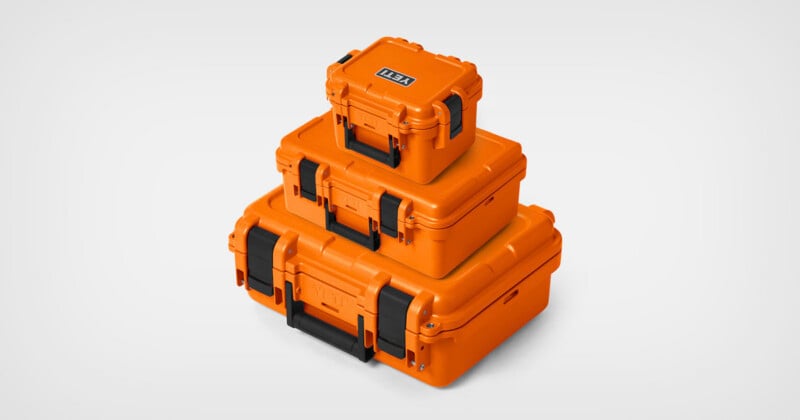
The landscape of professional gear storage has seen a significant evolution this week as Yeti, a brand synonymous with high-end thermal insulation and rugged outdoor lifestyle products, announced a major expansion of its Loadout GoBox series. By introducing the GoBox 8, 10, and 20, the company is signaling a deeper commitment to the specialized needs of photographers, videographers, and outdoor professionals who require more than just temperature control—they require mission-critical protection for sensitive optical and electronic equipment.
This strategic expansion represents the latest step in Yeti’s multi-year pivot toward becoming a comprehensive gear-management brand. While the Austin-based manufacturer initially built its reputation on coolers capable of surviving grizzly bears, the transition to hard-shell storage solutions places the company in direct competition with established industry titans like Pelican and Nanuk. These new models are designed to bridge the gap between heavy-duty industrial storage and the refined, modular requirements of modern creative workflows.
Chronology of the GoBox Evolution
Yeti’s entry into the hard-shell storage market was not an overnight endeavor. The company has methodically built its reputation for durability through a series of product launches that emphasized material science and structural integrity.
- 2019: Yeti introduces the inaugural Loadout GoBox 30, a flagship storage case that set the design language for the series. It was widely adopted by outdoor enthusiasts for its IP-rated seals and stackable design.
- 2021-2023: Recognizing the success of the 30-liter model, the company expanded the range to include the GoBox 15 and 60, catering to both minimalist travelers and expedition-scale storage needs.
- 2026 (September): The latest announcement brings the GoBox 8, 10, and 20 to the lineup. This move is widely viewed by analysts as a strategic attempt to capture the "prosumer" camera market, where portability and customizable interior organization are paramount.
Technical Specifications and Design Architecture
The three new models—the GoBox 8, 10, and 20—are engineered with a focus on specific form factors, ensuring that users can choose the exact volume required for their kit without unnecessary bulk.
The GoBox 8 (The Compact Specialist): With an internal capacity of 8.65 liters and a dry weight of 4.2 pounds, this model serves as the entry-level unit for small-form-factor photography. It is ideally suited for a mirrorless or DSLR body with a prime lens, or as a dedicated home for delicate electronics like hard drives, batteries, and memory card wallets.
The GoBox 10 (The Briefcase Alternative): Designed with a slim profile that mirrors a professional briefcase, the 10.11-liter GoBox 10 offers a more balanced capacity-to-footprint ratio. It is designed to accommodate a full-frame camera system along with a supplementary lens, making it an efficient "daily driver" for street photographers or field journalists.
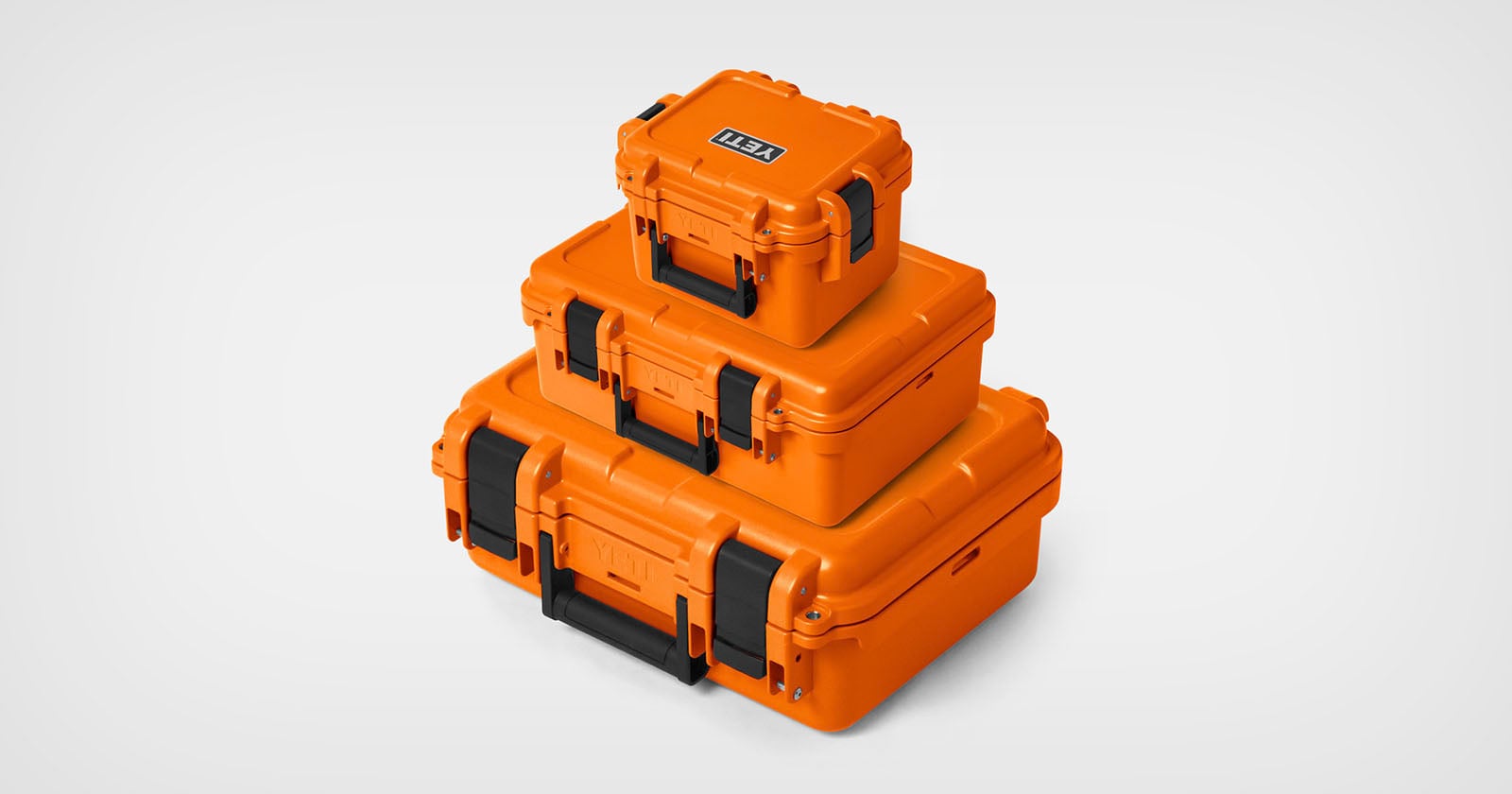
The GoBox 20 (The Heavy Lifter): The largest of the new additions, the 21.37-liter GoBox 20 is designed for more robust kits. With a weight of 6.8 pounds, it is intended for photographers carrying larger glass—such as a 70-200mm f/2.8 lens—or those who require extra space for lighting controllers and audio equipment.
Across the board, all three models feature identical ruggedization standards. They are certified as IP65 and IP67, which ensures total protection against dust ingress and the ability to withstand submersion in water up to one meter deep for a duration of 30 minutes. This level of protection is standard in the professional photography industry, matching the requirements for gear subjected to unpredictable weather conditions, from rainforest expeditions to dusty desert shoots.
Modular Innovation: The KOR Protective Insert System
Perhaps the most significant development accompanying the new hardware is the introduction of the KOR Protective Insert system. Previously, users of hard cases were often forced to rely on "pick-and-pluck" foam—a solution that is effective but destructive; once the foam is plucked, it cannot be repurposed.
Yeti’s KOR system utilizes advanced vacuum-form technology. Each insert features a malleable, air-filled structure that allows the user to reconfigure the interior compartment as their equipment changes. By using an integrated pump, the user can inflate the insert to create a custom-fitted mold around specific camera bodies, lenses, or accessories. This not only ensures maximum shock absorption but also allows the case to be a "living" storage solution that evolves with the photographer’s changing gear list. For users who prefer a more traditional organizational approach, the company also offers Loadout Gear Cubes, which provide soft-sided, zippered compartmentalization within the rigid outer shell.
Market Implications and Competitive Analysis
The move into the camera-centric storage market is a calculated risk. For years, Pelican has held a near-monopoly on the professional market due to its lifetime warranty and long-standing reputation for "military-grade" survivability. By entering this space, Yeti is leveraging its strong brand equity and aesthetic appeal to attract a younger demographic of content creators who value both utility and design.
From a pricing perspective, Yeti has positioned itself at the premium end of the market. The cases range from $100 for the GoBox 8 to $150 for the GoBox 20. When factoring in the optional KOR inserts—which cost between $100 and $125 depending on the size—a fully outfitted professional system can reach upwards of $275. While this is a significant investment, it remains competitive with other premium hard-shell brands that offer similar levels of environmental sealing and impact resistance.
Industry analysts suggest that the "Yeti ecosystem" is the primary driver for this product launch. Customers who already own Yeti coolers, drinkware, and soft goods are likely to prefer a storage solution that maintains the brand’s visual identity. The consistent design language—featuring the same latches, tie-down slots, and non-slip feet—allows for seamless stacking and integration across the entire Loadout product line.
Operational Utility for Professionals
For the working professional, the utility of these cases extends beyond the studio. The inclusion of locking ports allows the units to be secured during transport, while the "lockdown" latch system provides a tactile, secure closure that is designed to be operated even when the user is wearing gloves.
Furthermore, the integration of tie-down slots suggests that these boxes were designed with adventure photography in mind. Whether mounted to the roof of a 4×4 vehicle, secured in a boat, or strapped to the back of an ATV, the cases are built to withstand the high-vibration environments that often destroy less robust equipment cases.
Looking Ahead
As of September 2026, the Loadout GoBox 8, 10, and 20 are available in black, orange, and tan colorways. This color palette aligns with the company’s broader aesthetic, catering to those who prefer a tactical, low-profile look (black) as well as those who require high-visibility gear (orange) for search and rescue or remote field operations.
While the market for gear protection is mature, Yeti’s focus on vacuum-form technology and modularity suggests that there is still room for innovation. The success of these new sizes will likely depend on the durability of the KOR inserts under heavy, long-term use. If the vacuum seals hold and the material resists degradation over time, Yeti may very well redefine the standard for what professionals expect from their gear-transport solutions.
In conclusion, the launch of these three GoBoxes is a clear statement that Yeti is no longer content to simply be a part of the outdoor experience—they are positioning themselves as the primary protector of the tools that make that experience possible. Whether for a professional photographer navigating a remote location or an enthusiast protecting an expensive drone kit, the new Loadout GoBox series offers a compelling blend of industrial-strength security and modern, user-friendly customization.
Related posts: