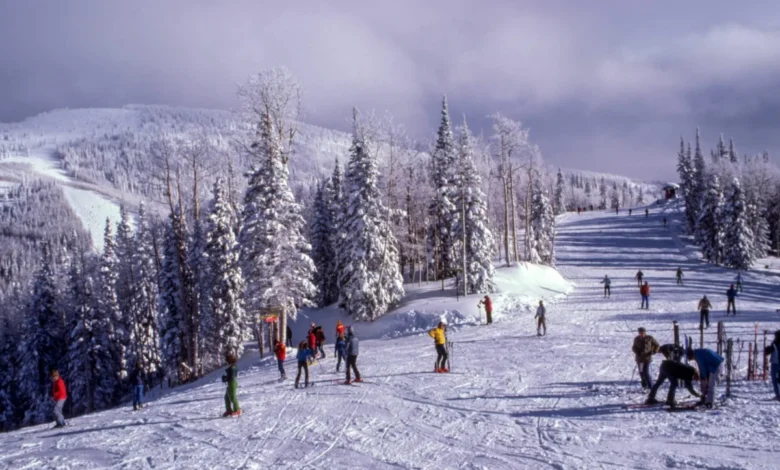
The golden era of secluded, crowd-free slopes in the Teton Range has transitioned into an era of high-density backcountry use, requiring a fundamental shift in how residents and visitors interact with public lands. As the popularity of human-powered skiing in Jackson Hole continues to surge, the infrastructure surrounding these iconic peaks—ranging from Teton Pass to the vast wilderness of Grand Teton National Park—is facing unprecedented pressure. With a local population of approximately 24,000 residents hosting upwards of 2.5 million visitors annually, the intersection of tourism and local daily life has created a complex management challenge for land agencies, conservationists, and the skiing community alike.

The growth of backcountry skiing in this region is not a recent phenomenon but the result of decades of development in ski mountaineering culture. Historically, figures such as Bill Briggs, the legendary skier who first descended the Grand Teton in 1971, set the precedent for the challenging objectives that define the area. Following in these footsteps, generations of athletes have refined the sport, turning the Tetons into a global epicenter for ski mountaineering. However, the current influx of recreationalists has moved beyond the expert level, drawing in thousands of intermediate and beginner skiers attracted by the ease of access to world-class terrain.
The concentration of this activity is particularly visible on Teton Pass, a mountain corridor that serves as both a critical transit route and a premier destination for backcountry enthusiasts. The logistical strain on this location—marked by limited parking, high-speed commuter traffic, and the proximity of avalanche-prone slopes to the highway—has become a primary focal point for local authorities. On peak weekends, the competition for trailhead parking often begins before sunrise, a phenomenon that has necessitated the intervention of organizations like the Teton Backcountry Alliance (TBCA).
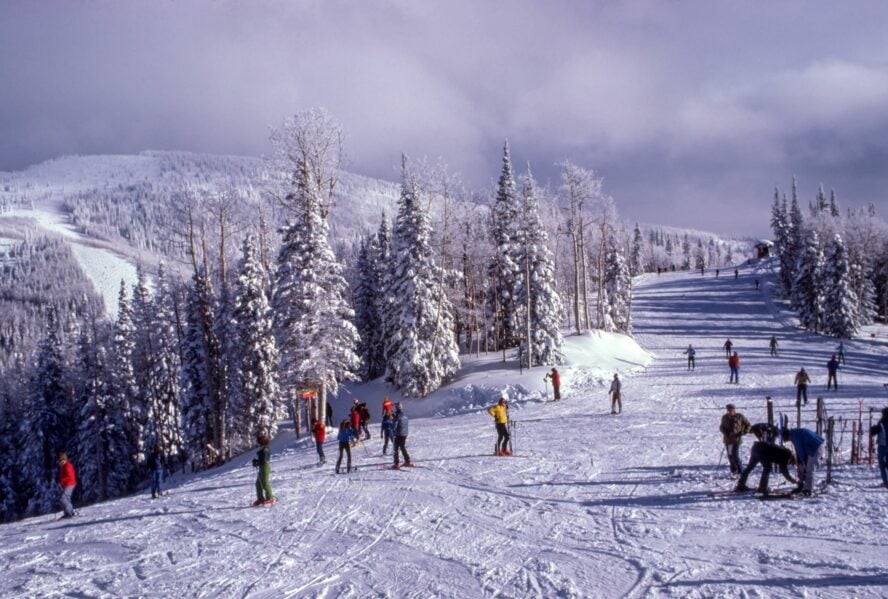
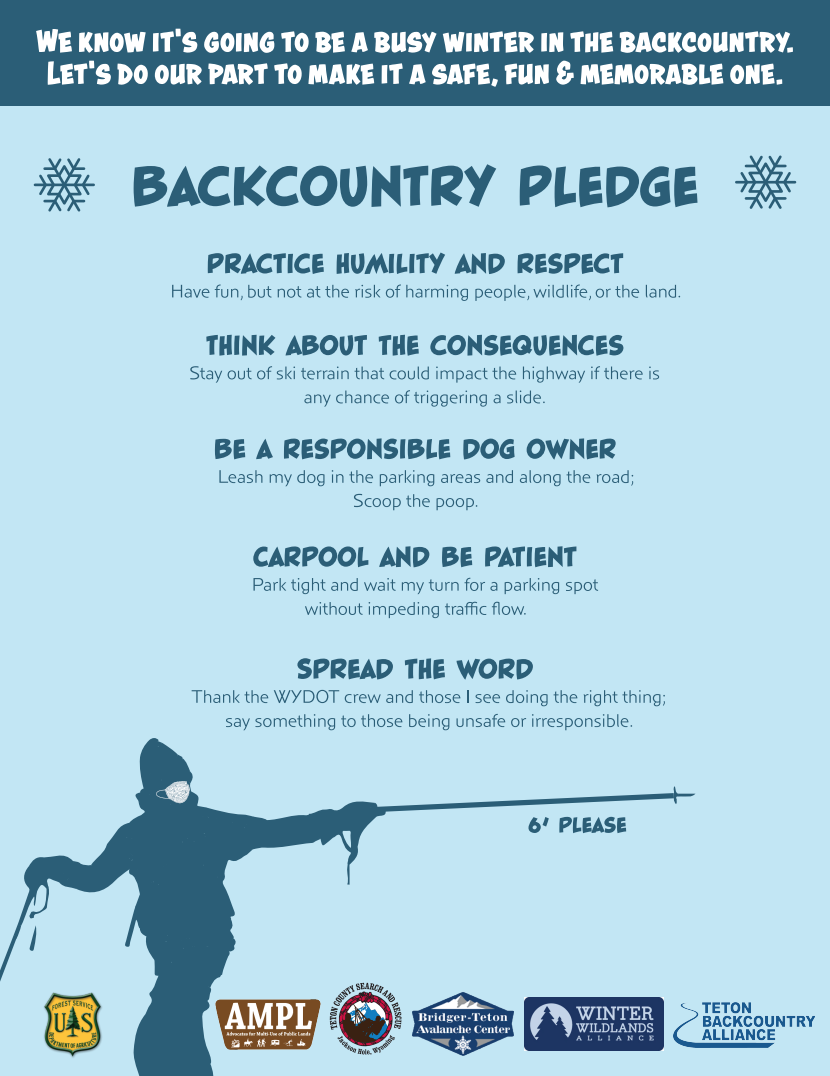
Founded in 2017, the TBCA serves as a vital bridge between the recreational community and governmental bodies such as the Bridger-Teton National Forest (BTNF) and the Wyoming Department of Transportation (WYDOT). The emergence of the organization marked a turning point in how the community manages its own growth. By implementing ambassador programs and educational initiatives, the alliance has sought to mitigate the risks associated with overcrowding, such as the accidental triggering of avalanches above public roads and the increased frequency of dangerous human-wildlife encounters.
Statistical trends underscore the necessity of these interventions. While precise figures for backcountry traffic are difficult to capture due to the diffuse nature of the wilderness, regional authorities have noted a consistent upward trend in search and rescue operations, as well as a marked increase in the frequency of "close calls" involving skier-triggered slides. The implications are clear: the more individuals traversing the backcountry, the higher the probability of incidents that could lead to the revocation of public access or, more importantly, loss of life.
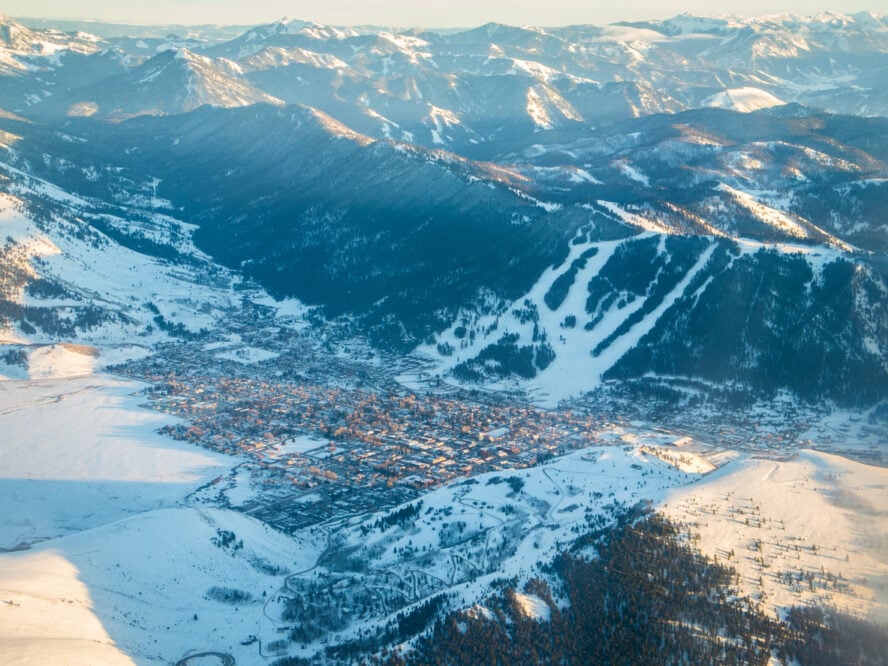
The management of the Teton backcountry is a delicate balance of competing interests. For the local economy, the "ski bum" tourism sector is a significant revenue driver; for land managers, the priority remains the preservation of ecological integrity and public safety. A key example of this balance is the introduction of seasonal wildlife closures. Since 2022, voluntary and mandatory closures have been enacted to protect endangered bighorn sheep populations. These measures are designed to minimize the caloric expenditure of wildlife during the harsh winter months, an essential practice as human presence pushes deeper into high-alpine habitats.
Communication has emerged as the most critical tool for managing these high-traffic zones. Experts, including guides from Jackson Hole Mountain Guides, emphasize that the culture of "top-down" access is essential in complex terrain. This means that if a party is already established on a climb or descent, subsequent groups must yield. The failure to adhere to this etiquette—as seen in incidents involving solo travelers dropping into established lines—not only risks physical injury but also undermines the community-based safety culture that the Teton region has worked to cultivate.
To navigate this changing landscape, experts recommend a multi-faceted approach to trip planning. This includes:
Prioritizing trailhead logistics: Utilizing transit options, such as the Stilson Parking Lot in Wilson, reduces congestion at critical access points.
Leveraging regional avalanche data: The Bridger-Teton Avalanche Center provides daily reports that are the industry standard for the region. Relying on these, rather than anecdotal social media reports, is essential for informed decision-making.
Adopting a "Plan B" mindset: In a high-traffic environment, having a secondary or tertiary destination is no longer a luxury; it is a requirement for safe, stress-free recreation.
Engaging with professional guidance: Hiring a certified guide, especially for those new to the region, provides a localized understanding of terrain, weather patterns, and etiquette that cannot be gleaned from guidebooks alone.
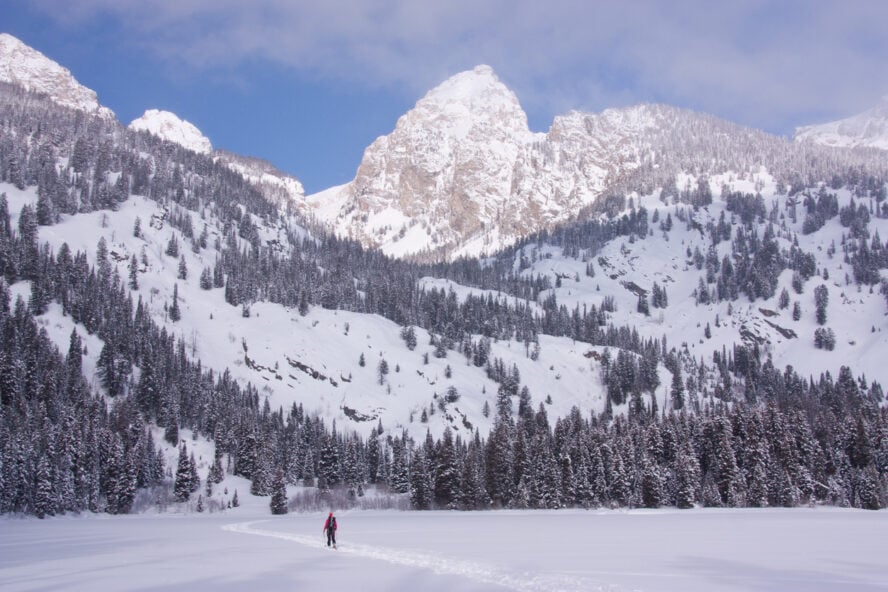
The broader implications of this recreational shift extend beyond the immediate concerns of parking and etiquette. The increased pressure on the Teton wilderness forces a conversation about the long-term sustainability of public land access. If the recreational community cannot demonstrate a capacity for self-regulation—respecting wildlife closures, managing pet behavior, and minimizing the environmental footprint—it is likely that land management agencies will be forced to implement more restrictive, top-down regulations. These could include permit systems, mandatory registration, or expanded off-limit zones, all of which would fundamentally alter the character of skiing in the Tetons.
The "golden days" of the past are now being replaced by a modern, collaborative reality. The current challenge for every skier, whether a local of twenty years or a first-time visitor, is to act as a steward of the environment. This responsibility includes recognizing that every action taken in the backcountry—from where one parks to how one interacts with wildlife—is a data point in the ongoing debate over the management of federal lands.
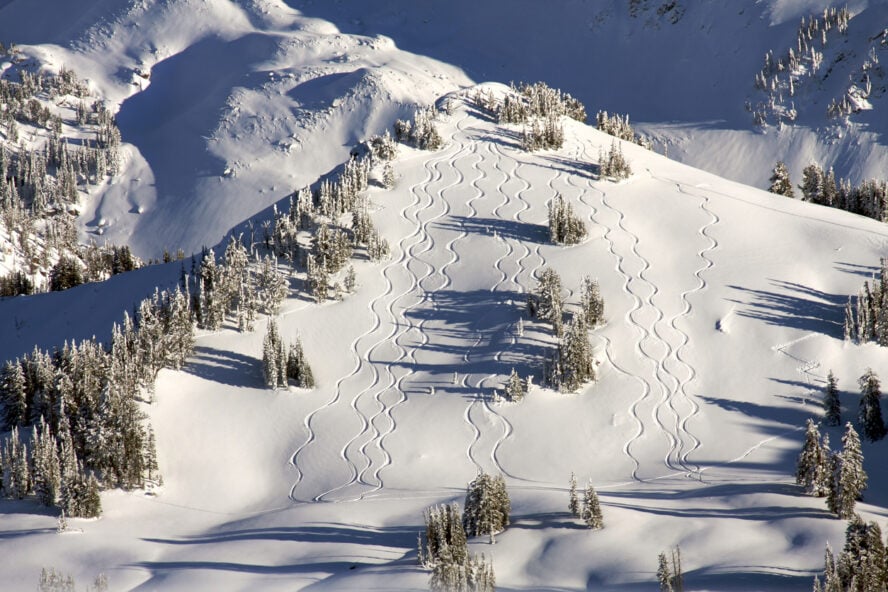
As the winter season progresses, the cooperation between the Bridger-Teton National Forest, the Wyoming Department of Transportation, and the Teton Backcountry Alliance remains the primary line of defense against the degradation of the outdoor experience. By formalizing etiquette, investing in education, and prioritizing communication, the community aims to preserve the spirit of the Teton backcountry. The goal is not to gatekeep the mountains, but to ensure that the environment remains both safe and accessible for future generations. As noted by industry experts, the "golden rule" of the backcountry remains as relevant today as it was in the past: if there is uncertainty about a line, a weather pattern, or a social interaction, the most prudent choice is to yield, regroup, and prioritize the collective well-being over the immediate desire for a turn in the powder. This level of maturity and mindfulness is the necessary price of entry for one of the most iconic skiing destinations in the world.