The city of Beloit, Wisconsin, serves as a compelling case study in urban revitalization and tourism accessibility. Situated at the confluence of the Rock River and the Illinois-Wisconsin border, this industrial-era city has successfully pivoted toward a model of tourism that prioritizes local cultural preservation over mass-market commercialization. While neighboring hubs like Madison and Rockford attract large-scale events and high-volume tourism, Beloit has carved a niche as a low-stress, high-value destination that draws visitors seeking a deliberate, manageable itinerary.
Historical and Economic Context
Beloit’s identity is deeply rooted in its industrial heritage. Founded in 1836, the city became a powerhouse of manufacturing, specifically in paper production and heavy machinery, epitomized by the Fairbanks-Morse company. Over the past two decades, however, the city has undergone significant structural transformation. The conversion of former industrial sites into modern hospitality and commercial spaces—such as the Ironworks Hotel—demonstrates a broader regional strategy to stimulate local economies through historic adaptive reuse. According to regional economic data, the city has seen a consistent uptick in boutique tourism, which provides a necessary buffer against the volatility of the manufacturing sector.
Strategic Points of Interest and Cultural Significance
The cultural landscape of Beloit is anchored by its educational and historical institutions. The Yerkes Observatory, while located nearby in Williams Bay, serves as a critical point of interest for visitors to the region. Founded in 1897 and operated by the University of Chicago for over a century, the facility is arguably one of the most important sites for astrophysics in the 20th century. It was here that the limitations of the Milky Way were first defined and where luminaries such as Edwin Hubble and Carl Sagan conducted foundational research. The transition of the observatory to a non-profit model in 2018 marked a shift toward public preservation, ensuring that the facility’s 180,000 glass plate images of the cosmos remain accessible to researchers and the public alike.
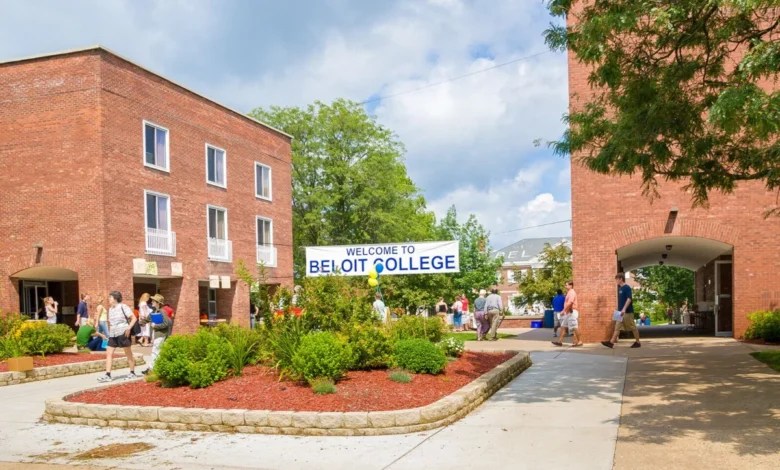
Within the city proper, Beloit College maintains a significant presence. Its institutions, specifically the Logan Museum of Anthropology and the Wright Museum of Art, serve as essential repositories of historical data. The Logan Museum, in particular, hosts extensive archaeological collections that provide visitors with a broad view of human history, reflecting the university’s long-standing commitment to interdisciplinary research.
The Commercial Ecosystem: Downtown Revitalization
The downtown district of Beloit, centered along the Rock River, functions as the primary engine for the city’s tourism economy. The Beloit Farmers Market, which operates from May through October, is perhaps the most visible indicator of this success. With over 85 weekly vendors, the market has become a regional draw, effectively bridging the gap between local agricultural producers and urban consumers. Data from local commerce boards suggests that the market significantly increases foot traffic for adjacent small businesses, including specialty retailers like The Rogue Bookshop and the nostalgic-focused Noble Nostalgics.
The integration of sports into the city’s tourism strategy is best evidenced by the construction of ABC Supply Stadium, home to the Beloit Sky Carps. As a minor league affiliate of the Miami Marlins, the team operates within the framework of professional development baseball. The stadium, which can host 3,850 spectators, serves as a community anchor that facilitates family-oriented tourism and generates predictable revenue streams for downtown hospitality businesses.
Gastronomic Trends and Culinary Identity
Beloit’s culinary scene reflects a blend of traditional Midwestern values and modern gastronomic trends. Establishments such as the Velvet Buffalo Modern Italian provide an upscale counterpoint to the more casual offerings found throughout the downtown corridor. The restaurant, which utilizes a farm-to-table sourcing philosophy, illustrates a growing trend in Wisconsin cities where traditional Italian motifs are infused with local ingredients, such as Brussels sprouts and regionally sourced dairy.
Conversely, venues like the Rock Bar and Grill offer a contemporary interpretation of the classic Wisconsin supper club. By providing a riverfront dining experience that caters to both land-based diners and boaters, the establishment highlights the logistical importance of the Rock River in the city’s overall urban planning. Furthermore, the presence of G5 Brewing Company and the niche-focused 5Bar indicates a maturing nightlife sector. The latter, which resists simple categorization, serves as an example of a "third space" that accommodates a diverse demographic, ranging from college students to retirees, thereby fostering a sense of community cohesion that is often lacking in larger, more segregated urban markets.
Infrastructure and Accessibility
Geographically, Beloit occupies a strategic position at the intersection of Interstate 90 and Interstate 43. This proximity to major metropolitan areas—specifically Madison (approximately 50 miles north) and Chicago (approximately 90 miles southeast)—makes it an ideal "second-tier" destination. The accessibility is further bolstered by the Chicago Rockford International Airport (RFD), which provides a more efficient transit option for travelers seeking to avoid the congestion of O’Hare International Airport.
From an infrastructure perspective, the city’s compactness is its primary asset. Unlike larger cities that require significant investment in public transit or rideshare services to navigate, downtown Beloit is highly walkable. This design choice, while historical, aligns with modern urban planning preferences that favor pedestrian-centric commercial districts.
Broader Implications of Localized Tourism
The success of Beloit’s tourism model has broader implications for mid-sized cities in the American Midwest. By focusing on the "experience economy"—where the primary value lies in authentic interaction with local culture rather than manufactured tourist attractions—Beloit has managed to minimize the negative externalities of tourism, such as overcrowding and price gouging.
However, the challenge for city planners remains maintaining the balance between growth and the preservation of the city’s understated charm. As demand for boutique lodging options, such as the Hotel Goodwin or the 1810 Emerson House, continues to rise, the city must address the potential for rising costs of living and the gentrification of the historic downtown area. For now, the consensus among stakeholders and local business owners remains that steady, manageable growth is the preferred path.
Summary of Logistics for Prospective Visitors
For those planning to visit, the city’s seasonal calendar is the primary factor in determining the quality of the experience. The late-summer and early-fall months provide the most favorable conditions for outdoor activities, such as kayaking in Riverside Park or enjoying the weekly live music performances at the park’s pavilion. Visitors are encouraged to utilize the diversity of the local dining scene, which ranges from high-end modern Italian to casual pub fare, and to leverage the city’s central location for day trips to regional hubs if desired.
Ultimately, Beloit serves as a testament to the fact that a destination does not need to be a major metropolis to offer a high-quality visitor experience. Through a combination of historical preservation, strategic investment in riverfront assets, and a commitment to diverse culinary and retail offerings, the city has established itself as a sustainable and rewarding destination for families and travelers alike. As the region continues to evolve, Beloit’s ability to remain both accessible and distinct will likely be the determining factor in its long-term viability as a premier Midwestern weekend getaway.