As autumn approaches, the United States transforms into a sprawling culinary landscape, with regional food and wine festivals serving as vital economic and cultural drivers for their host communities. From the high-altitude spice of New Mexico to the coastal traditions of Cape Cod, these events act as showcases for local agriculture, viticulture, and culinary innovation. By aggregating producers, chefs, and consumers, these festivals facilitate direct-to-consumer trade, foster regional identity, and provide significant charitable contributions to local scholarship and sustainability programs.
Santa Fe Wine & Chile Fiesta: A High-Desert Culinary Landmark
Established in 1991, the Santa Fe Wine & Chile Fiesta has evolved from a modest one-day gathering of 20 local restaurants into a comprehensive five-day itinerary that now attracts approximately 4,500 visitors annually. The event occupies a unique niche in the American culinary calendar by highlighting New Mexico’s signature crop: the chile.
The logistics of the event involve the coordination of roughly 60 local restaurants and over 90 domestic and international wineries. The program features a structured series of cooking demonstrations, winery dinners, and specialized seminars. The "Chile Friday" event serves as the festival’s operational core, emphasizing the state’s agricultural heritage, while the closing Grand Tasting provides a high-volume platform for industry networking. Analysts note that the festival’s success is rooted in its "pairing-first" philosophy, which mandates that wine representatives serve their products alongside specific chile-forward dishes, providing an educational experience that is rarely replicated elsewhere.
Hawai‘i Food & Wine Festival: Scaling Regional Cuisine
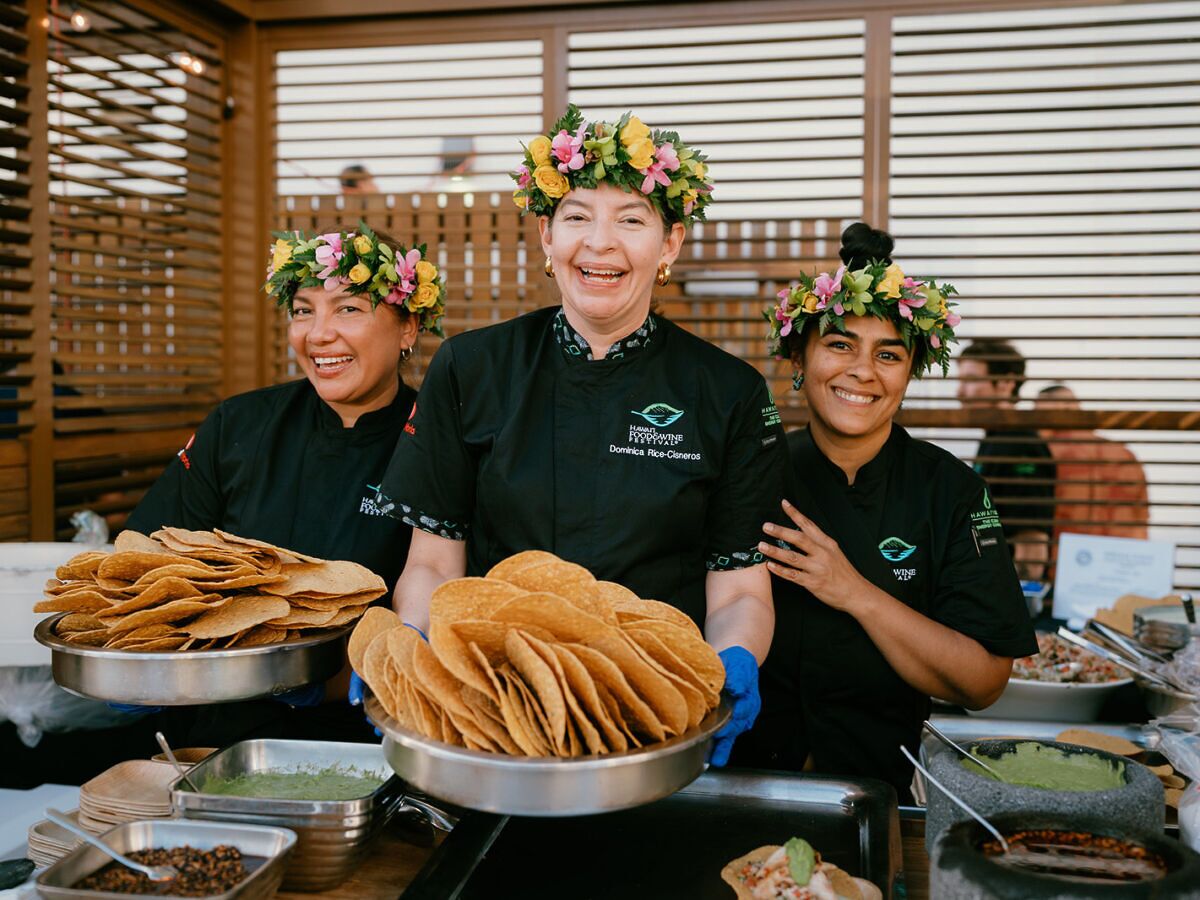
Co-founded in 2011 by renowned chefs Roy Yamaguchi and Alan Wong, the Hawai‘i Food & Wine Festival serves as an extension of the Hawai‘i Regional Cuisine movement that gained prominence in the 1990s. The festival operates across three islands—Oahu, Hawai‘i, and Maui—over the course of three weekends.
The event enforces a strict "local-sourcing" mandate: every participating chef must utilize ingredients grown, caught, or raised within the Hawaiian archipelago. This requirement serves as a significant economic stimulus for local farmers and fisheries. The festival has attracted high-profile culinary talent, including Michelin-starred chefs and television personalities such as Sheldon Simeon and Michael Voltaggio. Beyond the immediate economic impact, the festival functions as a philanthropic engine, with proceeds directed toward culinary scholarships and agricultural development programs. By integrating high-end tourism with sustainability initiatives, the festival highlights the logistical challenges and triumphs of island-based food systems.
Fall for Greenville: The Economics of Street-Level Gastronomy
Fall for Greenville represents a massive, city-scale event that occupies the downtown core of Greenville, South Carolina, for one weekend each October. The festival is a prime example of urban utilization, as the city closes Main Street to accommodate over 50 local restaurants and 250 distinct culinary offerings.
With an annual attendance reaching approximately 150,000, the festival utilizes a ticketed system for tastings, which provides a low-barrier entry point for the general public. The event’s structure—featuring six stages for live music, a dedicated beer and wine garden, and various cooking demonstrations—functions as an economic catalyst for the Upstate region. From an urban planning perspective, the event demonstrates how a temporary shift in infrastructure can promote local business visibility and tourism.
Bowling Green Bourbon and Brewfest: Industry-Driven Tourism
Located in Bowling Green, Kentucky, this event has carved out a specific market niche by positioning itself as an accessible alternative to the larger, more expensive Louisville festivals. Launched in 2014, the festival takes place at the Bowling Green Ballpark, providing an environment that prioritizes volume and variety for its 21-and-over audience.
The festival’s relevance is underscored by Kentucky’s global dominance in bourbon production. By hosting the event near the Kentucky Bourbon Trail, organizers have successfully integrated the festival into a broader travel ecosystem. The inclusion of VIP packages, which offer early entry and access to limited-run distillations, suggests a sophisticated approach to managing consumer demand for premium spirits. The addition of shuttle services between the venue and local partner hotels reflects an industry-wide trend toward responsible event management and enhanced guest logistics.
Wellfleet OysterFest: Environmental Stewardship and Culinary Heritage
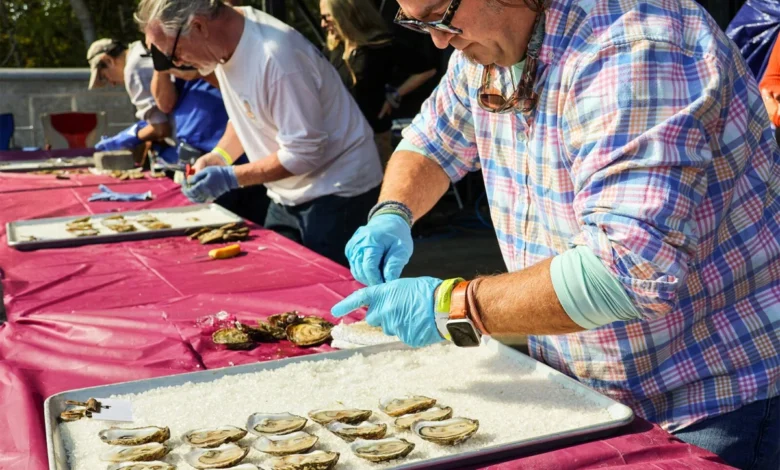
Wellfleet, Massachusetts, hosts an annual festival that highlights the ecological and economic importance of the local shellfish industry. Drawing roughly 20,000 visitors over two days, the Wellfleet OysterFest serves as both a cultural celebration and a platform for marine education.
The event features the high-stakes "Oyster Shuck-Off" competition, but its most critical component is its commitment to sustainability. The festival organizers engage in a post-event shell recycling initiative, wherein thousands of oyster shells are collected and returned to the ocean to support reef restoration and future shellfish propagation. This circular economic model illustrates the intersection of traditional culinary heritage and contemporary environmental management.
Arkansas Cornbread Festival: Community-Based Philanthropy
The Arkansas Cornbread Festival in Little Rock’s SoMa district is a case study in grassroots event organization. Since its inception in 2011, the festival has focused on the elevation of a staple Southern dish through a competitive format involving both professional chefs and home cooks.
The event’s commitment to social responsibility is evidenced by its partnership with the Arkansas Foodbank, which receives the proceeds from the festival. Furthermore, the organizers have adopted rigorous low-waste protocols, including the use of refill stations and biodegradable packaging. By combining competitive culinary culture with environmental stewardship, the festival provides a scalable model for community-based event planning.
The Original Terlingua International Championship Chili Cookoff: Historical Legacy
The history of the Original Terlingua International Championship Chili Cookoff dates back to 1967, following a public "chili duel" between Frank X. Tolbert and H. Allen Smith. Today, the festival remains a significant cultural event that draws thousands to the Big Bend region of Texas.
The "Behind the Store" cookoff—so named for its location behind the Terlingua Trading Company—maintains a strict adherence to traditional recipes, specifically prohibiting beans. The event serves as a charitable foundation, with proceeds notably supporting the ALS Association in honor of co-founder Wick Fowler. The coexistence of this festival alongside the competing CASI championship creates a unique cultural duality that characterizes the regional identity of the Texas borderlands.
San Diego Beer Week: Decentralized Craft Promotion
Rather than a single centralized gathering, San Diego Beer Week, held each November, utilizes a decentralized model that promotes the city’s 150-plus independent breweries. This approach, which focuses on tap takeovers, collaboration pours, and neighborhood-specific events, leverages the city’s status as a "Capital of Craft."
The strategy encourages tourism across diverse neighborhoods, such as Miramar and North Park, maximizing the economic impact across a wider geographical area. The festival also highlights the evolution of the industry, as the San Diego Brewers Guild continues to refine its event schedule—including the standalone Capital of Craft Beer Fest—to avoid market saturation and maintain high-quality consumer experiences.
Chicago Gourmet: Marquee-Style Culinary Programming
Since 2008, Chicago Gourmet has utilized the rooftop of Millennium Park to showcase the city’s culinary output. Unlike traditional street festivals, this event is structured around marquee sessions, such as the "Hamburger Hop" and the "Grand Cru" tasting.
The event’s success is largely attributed to its ability to attract high-profile culinary figures, including winners of James Beard Foundation awards and various television-recognized chefs. By offering tiered ticket options—from single-event access to full travel packages—the festival captures both local residents and high-expenditure culinary tourists. The focus on direct interaction between chefs and attendees creates an immersive experience that aligns with the premium branding of Chicago’s modern dining scene.
Collectively, these festivals underscore the profound impact that food and wine tourism has on regional economies. By creating environments where producers and consumers can interact directly, these events do more than celebrate gastronomy; they foster long-term investment in local agriculture, support philanthropic endeavors, and solidify the cultural identities of the communities they serve.