Motorcycle travel in Turkey: A comprehensive guide for international riders and logistics

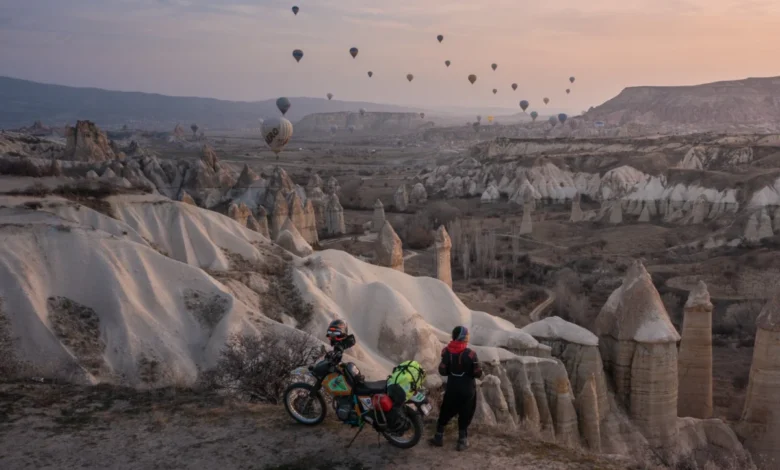
Turkey offers a diverse and expansive landscape for motorcycle touring, characterized by a well-developed road infrastructure that stretches from the Aegean and Mediterranean coasts to the rugged highlands of the Black Sea and the vast, arid plateaus of Eastern Anatolia. With a geography encompassing snow-capped peaks, volcanic terrain, and Mediterranean coastlines, the country has become a significant destination for both adventure riders and long-distance touring enthusiasts.
Evolution of Road Infrastructure and Touring Logistics
Over the past two decades, the Turkish government has implemented an aggressive infrastructure modernization program. Significant capital investment has resulted in a dense network of high-quality, paved highways connecting major metropolitan centers, including Istanbul, Ankara, and Izmir. This development has transformed long-distance travel, reducing transit times and improving safety for motorcyclists. Data from the Turkish Ministry of Transport indicates that highway expansion has been a cornerstone of national development, facilitating easier access to remote cultural heritage sites and natural landmarks that were previously difficult to reach.
For international travelers, this modernization means that essential services—such as fuel stations, repair facilities, and accommodations—are widely available. Unlike many neighboring regions in the Middle East and Central Asia, the prevalence of high-octane fuel and reputable service workshops in urban centers allows for more predictable trip planning.
Regulatory Framework and Legal Requirements
Entering Turkey with a foreign-registered motorcycle requires adherence to specific customs and insurance regulations. International riders must possess a valid motorcycle license from their home country; an International Driving Permit (IDP), while technically a translation document, is recommended to facilitate interactions with local law enforcement.
A critical requirement for entry is proof of insurance. While European "Green Card" insurance policies often cover the European portion of Turkey, riders should verify coverage for the Anatolian side. If a policy does not extend coverage, third-party insurance must be purchased at the border. Notably, the "Carnet de Passage en Douane" (CPD) is not required for motorcycles entering Turkey, simplifying the entry process compared to travel further into Iran or the Caucasus.
Foreign-registered vehicles are permitted to stay in Turkey for up to 90 days within a 180-day period. Exceeding this period without proper customs documentation results in significant fines, calculated based on the duration of the overstay. For those needing to leave their motorcycle in the country for an extended period, an official declaration must be filed with the Turkish customs authority, ensuring the vehicle is not used by unauthorized parties during the owner’s absence.
Strategic Regional Routes and Topography
Turkey’s vast size necessitates careful route planning. The country is broadly divided into four distinct riding environments, each offering unique challenges and opportunities:
- The Mediterranean and Aegean Coasts: These regions are characterized by coastal highways and high-density tourism. The infrastructure is optimal, and the climate is temperate, though summer temperatures can frequently exceed 40°C. This region is ideal for riders seeking cultural immersion, as it is home to numerous Roman and Byzantine archaeological sites.
- The Black Sea Region: Offering a dramatic contrast, this area features high-altitude switchbacks, dense forests, and cooler, misty climates. It is a preferred destination for summer travel to avoid the intense heat of the southern plains.
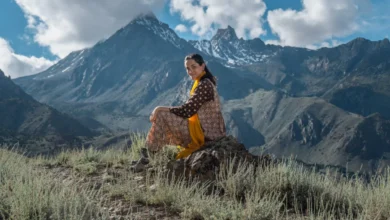
- Central Anatolia: This region serves as the cultural and geographical heart of the country. Areas surrounding Cappadocia offer unique volcanic landscapes and high-elevation riding. It is generally more conservative and requires a different approach to social interaction and attire.
- Eastern Anatolia and the Kurdish-majority regions: This area is the most remote and offers the least amount of tourist infrastructure. It is characterized by high mountain passes and historical sites such as the ancient Armenian architecture near Lake Van. While historically perceived as a high-risk zone, the current security environment is heavily monitored by state military forces.
The Role of Automated Toll Systems
Modern Turkish highways often employ the HGS (Hızlı Geçiş Sistemi) or "Fast Pass" system. This electronic toll collection method utilizes RFID stickers placed on the motorcycle. While the system is highly efficient, purchasing these stickers can be difficult for foreigners outside of major cities or specific border points. Failure to possess an HGS tag on toll roads results in an automated fine. However, current data suggests that enforcement on motorcycles remains inconsistent, leading many riders to navigate toll roads without tags, though this carries a legal risk of retroactive fines at the border.
Safety and Security Considerations
Motorcycle safety in Turkey is a subject of ongoing discussion among the international touring community. The primary risk factor identified by professional riders is the aggressive nature of local vehicular traffic. Turkish driving habits often involve sudden lane changes and a disregard for right-of-way protocols common in Western Europe. Defensive riding is considered essential.
Regarding personal security, Turkey maintains a high level of police and military presence. While regional geopolitical tensions exist, particularly near the Syrian and Iraqi borders, the central and western routes remain safe for foreign travelers. For female solo riders, the experience is generally positive, though travelers often report that navigating conservative social norms requires a balanced approach to dress and interaction.
Economic Implications for Travelers
Historically, Turkey was considered an exceptionally affordable destination. However, due to inflation and currency volatility, costs have risen significantly. Prices for fuel and accommodation now mirror those of Central and Southern Europe. While the country is no longer a "budget" destination in the traditional sense, it remains more cost-effective than alpine European tours. Travelers can offset expenses by utilizing the country’s robust wild-camping culture, which is largely legal and widely practiced by the local motorcycling community.
Technical Support and Mechanical Resilience
Access to spare parts for non-domestic motorcycle brands remains a logistical hurdle. While local mechanics are highly resourceful—often capable of fabricating custom parts—specialized components for modern, computer-managed motorcycles may need to be imported. Riders of older, carbureted motorcycles often find Turkey to be a "paradise" due to the simplicity of repairs and the ubiquity of local mechanical knowledge.
Conclusion and Future Outlook
Motorcycle touring in Turkey continues to grow as a niche but significant segment of the tourism industry. The combination of historical depth, varied climate, and modern road connectivity makes it a premier destination for long-distance riders. As the country continues to refine its digital border management and toll systems, the barrier to entry is expected to lower, further cementing Turkey’s status as a crossroads for international motorcycle exploration. Riders are encouraged to monitor government travel advisories and maintain updated documentation to ensure a seamless transit through this geographically and culturally rich nation.