The Essential Professional Guide to Curating a Camera Bag for Autumn Landscape and Wildlife Photography

As the transition from late summer to autumn creates one of the most visually dynamic periods for photographers, the demand for specialized equipment management becomes paramount. The ephemeral nature of fall foliage—which typically lasts between two to four weeks depending on the latitude and elevation—requires a high degree of preparedness. For professionals and serious enthusiasts, the challenge lies not only in the technical capture of color, but in the logistics of carrying gear that addresses the disparate needs of wide-angle landscapes, intimate macro work, and telephoto wildlife encounters.
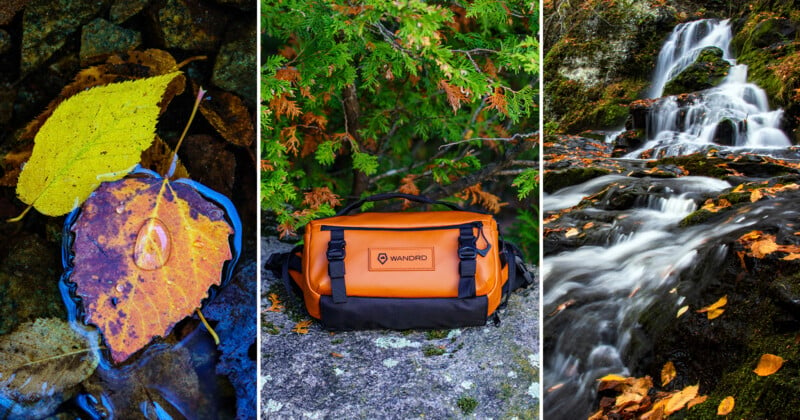
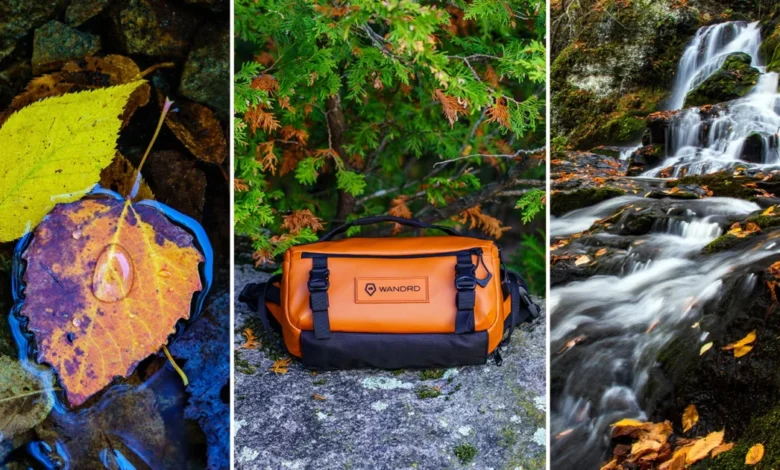
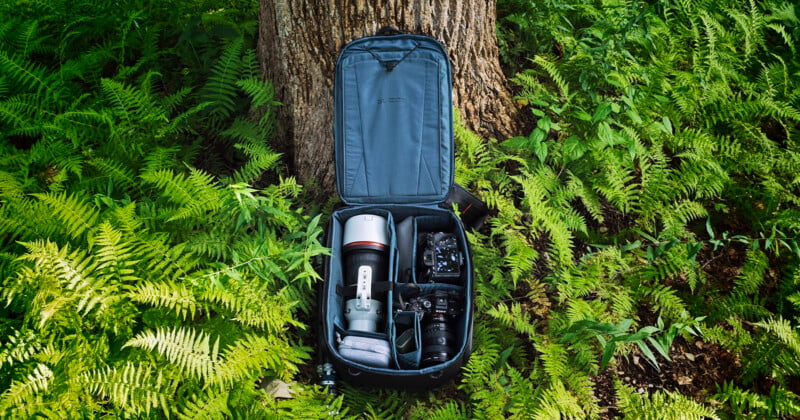
The logistical framework of fall photography necessitates a dual-bag strategy to accommodate varying terrain and subject matter. When the primary objective is grand landscape photography, the priority is mobility. The use of a compact, ergonomic sling—such as the 9L WANDRD Rogue—allows for rapid access to lenses and filters without the physical fatigue associated with heavy trekking. Conversely, when the mission profile includes wildlife, the requirement for long-range optics (typically 400mm to 600mm) shifts the workflow to a robust, modular backpack system, such as the PGYTECH OneMo 2, which provides the internal volume necessary for larger glass while maintaining structural support for long-distance hiking.

The Technical Evolution of Seasonal Kits
The technical requirements for autumn photography are governed by the need to manage dynamic light and reflective surfaces. Unlike summer photography, where light is often harsh, autumn presents a complex array of textures and colors, often compounded by wet conditions near waterfalls or streams.
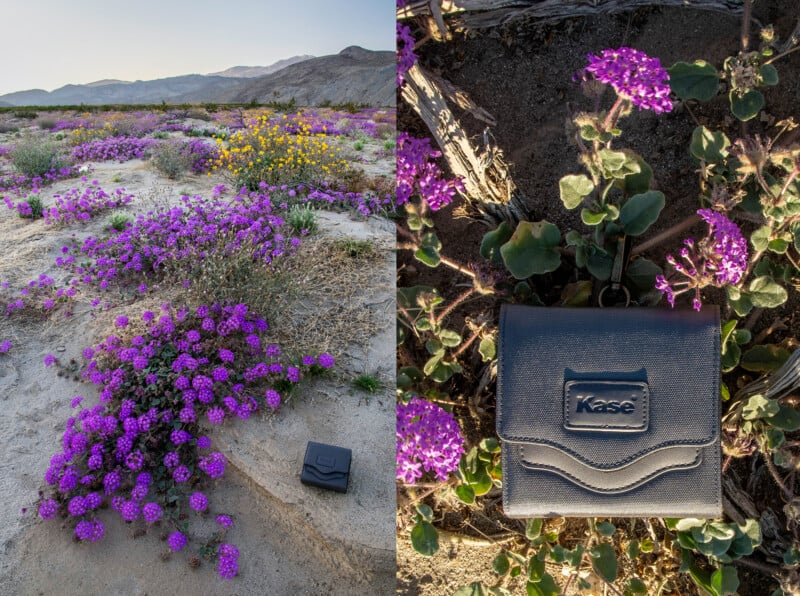
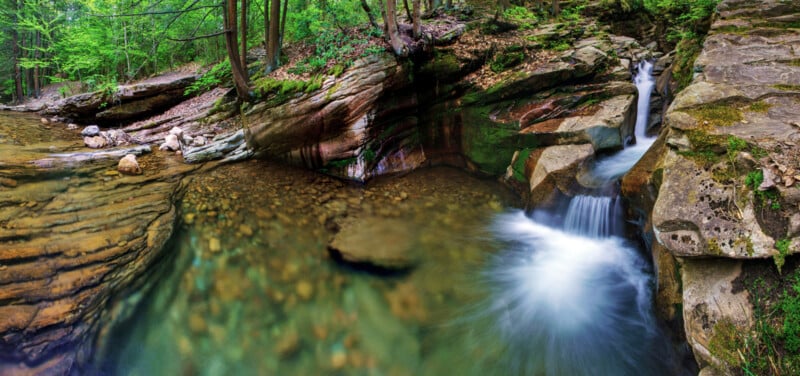
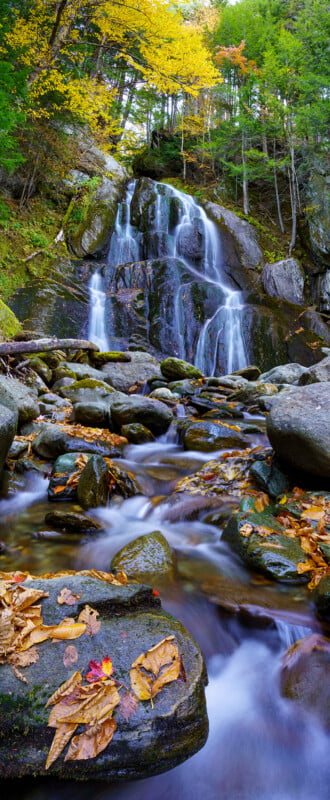
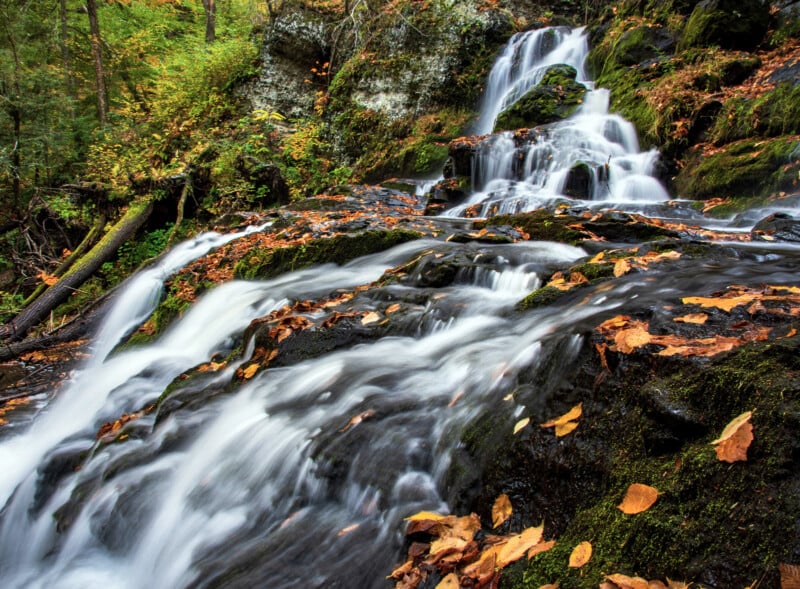
Data from professional field usage indicates that circular polarizing (CPL) filters are the most critical, yet frequently underutilized, tools for autumn scenes. By rotating a CPL filter, a photographer can effectively suppress glare on foliage and water surfaces. This reduction in specular highlights is essential for revealing the saturated pigments in leaves that are otherwise obscured by reflected light. Furthermore, for those looking to achieve the "silky" aesthetic common in waterfall photography, the integration of neutral density (ND) filters is non-negotiable. Using an ND filter allows for a reduction in shutter speed—often dropping from 1/500th of a second to 1/2 or 2 seconds—without sacrificing image quality due to overexposure.
Chronology and Environmental Management
The peak of autumn color is a fleeting event that follows a specific chronological progression. Typically beginning in higher elevations during mid-September, the "color wave" moves downward toward valleys and lowland forests by mid-to-late October. This timeline dictates the necessary preparations for equipment.

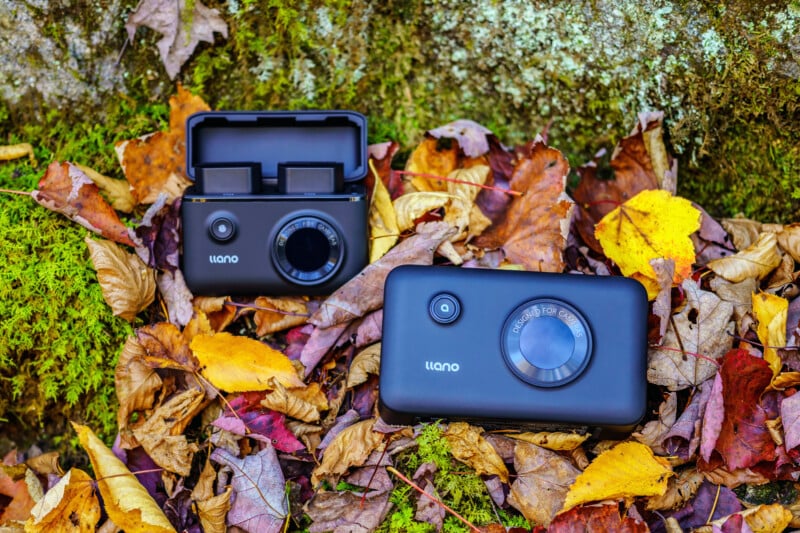
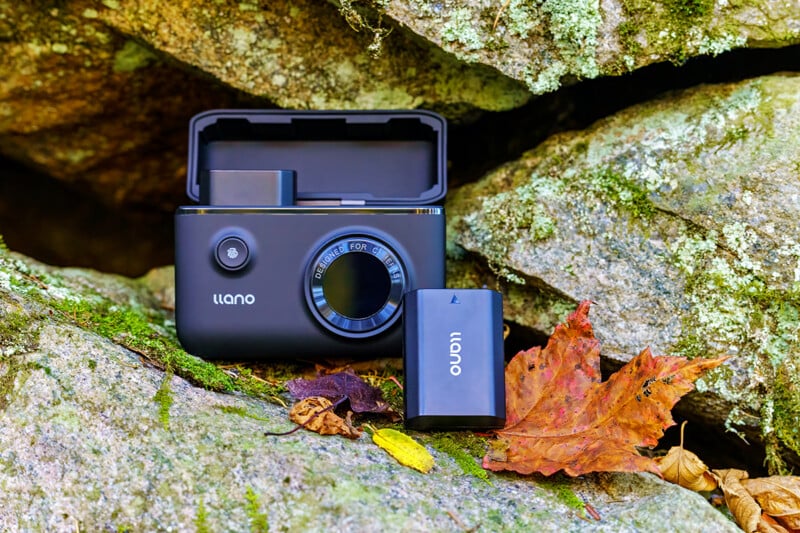
The drop in temperature associated with this period significantly affects battery performance. Lithium-ion batteries, which power the modern mirrorless camera (such as the Sony a7R IV used in this professional setup), experience a drop in internal chemical activity in colder environments. Consequently, photographers must carry approximately 30% more power capacity than they would during summer shoots. The shift toward modern charging solutions, such as the Llano series of smart charging cases, reflects a broader trend in photography: the need for "off-grid" power management. These systems allow photographers to cycle through multiple batteries in a charging case while on the move, ensuring that a spontaneous wildlife encounter is not missed due to a depleted power cell.
The Role of Precision and Optics
The modern landscape photographer is increasingly moving toward a hybrid workflow, balancing high-resolution stills with high-fidelity video. This evolution is reflected in the addition of external OLED monitors to the field kit. While the rear LCD screen of a camera is sufficient for basic framing, an external 5-inch or 7-inch monitor provides the color accuracy and focus-peaking capabilities required for critical sharpness. This is particularly relevant when working with macro subjects—such as individual leaves or forest floor fungi—where depth-of-field is razor-thin and focal accuracy is unforgiving.
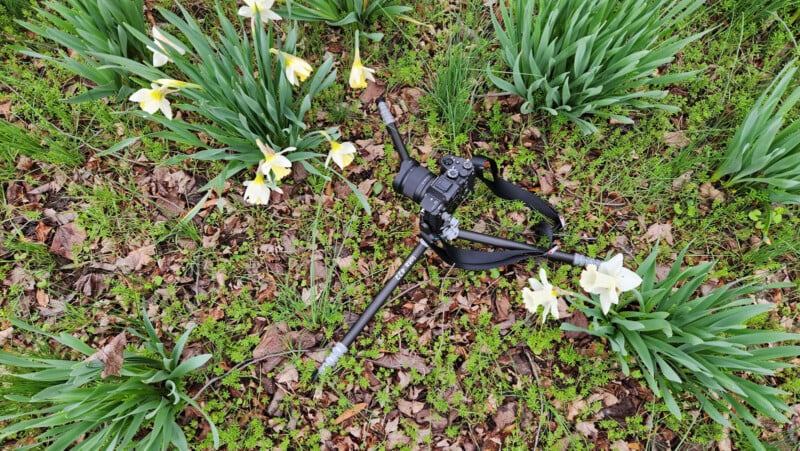
Furthermore, the integration of small-form-factor gimbal cameras has changed how professionals document their process. By providing a secondary, stabilized viewpoint, these devices allow for the capture of "behind-the-scenes" content that provides context for the final image. From a technical analysis perspective, this transparency serves as a safeguard against the growing public skepticism surrounding AI-generated imagery. By recording the environment and the physical act of composition, photographers can verify the authenticity of their work, a development that is becoming increasingly important in the era of synthetic media.
Field Maintenance and Gear Preservation
The environment of a damp, autumn forest is notoriously hostile to optics. The presence of mist, humidity, and fine particulate matter from decaying organic material necessitates a strict cleaning protocol. Professional kits now emphasize a "two-tier" cleaning approach: specialized sprays for removing moisture and organic residue, and high-quality microfiber cloths for dry cleaning.
Industry experts note that failure to maintain the front element of a lens in these conditions leads to light scattering, which significantly degrades contrast. Beyond lens care, the physical protection of the camera body is addressed through modular rain covers and lightweight, packable ponchos. These accessories are vital not only for the equipment but for the photographer, as the inability to stay dry often leads to the early termination of a shoot.
Implications for Future Field Practice
The transition toward more specialized, modular kits suggests that the future of nature photography is trending toward increased flexibility. The ability to pivot between a lightweight, landscape-oriented setup and a heavy-duty wildlife setup without compromising the core integrity of the kit is the hallmark of the contemporary professional.
Analysis of current trends indicates that as gear becomes more sophisticated, the "human factor"—the ability to read the landscape, predict animal behavior, and understand the timing of the seasons—remains the primary determinant of success. While equipment like high-speed telephoto lenses and precise filter systems facilitate the capture of high-quality images, the photographer’s capacity to integrate these tools into an efficient, mobile system is what defines the professional outcome.
As the season draws to a close, the final assessment of these kits often yields a lesson in minimalism. While a "kitchen sink" approach may seem tempting, the most effective photographers are those who have refined their kit to include only the items that directly translate to their creative vision. By prioritizing weight, power management, and optical precision, photographers can better navigate the constraints of time and environment, ensuring that the fleeting brilliance of the autumn season is captured with both technical accuracy and artistic intent.
This professional approach to gear management underscores a fundamental truth in the field: the best equipment is not necessarily the most expensive, but the most adaptable to the specific conditions of the environment. Whether it is a simple reflector used to fill in the shadows of a fallen leaf or a 500mm lens used to capture the morning mist around an elk, the kit is simply an extension of the photographer’s intent, designed to bridge the gap between the natural world and the final, enduring photograph.