Europe Tourism Rebounds Strongly in 2025: A Comprehensive Ranking of the Continent’s 35 Most Visited Cities

The European tourism sector has officially completed its post-pandemic recovery, welcoming more than 793 million international arrivals throughout 2025 and surpassing pre-pandemic benchmark figures recorded in 2019. Driven by sustained pent-up global travel demand, enhanced regional transit infrastructure, and the widespread adoption of digital travel solutions, cities across the continent have experienced a massive influx of international visitors. Data compiled from recent reports by Euromonitor International, the World Tourism Organization, and official municipal tourism boards illustrate a dynamic landscape of urban travel, characterized by historic heavy-hitters reclaiming their dominance alongside surging secondary destinations.
This comprehensive overview examines the top 35 most visited cities in Europe for 2025, providing contextual background on arrival volumes, infrastructural developments, and the shifting economic implications of urban tourism across the continent.
The Macroeconomic Recovery of European Tourism
The milestone of 793 million international arrivals marks a critical turning point for the European travel economy. Following the severe disruptions of the early 2020s, the sector faced a complex rebuilding phase complicated by labor shortages, inflationary pressures, and rising operational costs for airlines and hospitality providers. However, by 2025, consumer confidence fully rebounded, supported by long-haul travel revivals from North America and the Asia-Pacific region.
While record visitor volumes provide vital revenue for local businesses, hotels, and cultural institutions, they have simultaneously amplified concerns regarding over-tourism. Municipalities from Amsterdam to Dubrovnik are increasingly implementing regulatory measures—such as tourist taxes, daily visitor caps, and restrictions on short-term vacation rentals—to balance economic gains with the preservation of local quality of life and heritage sites.
The Top Tier: Europe’s Heavyweight Destinations
1. Paris, France – 50 Million Annual Visitors
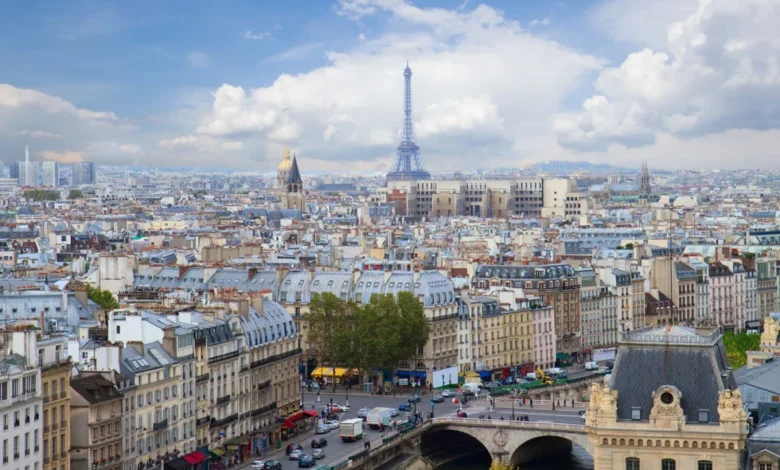
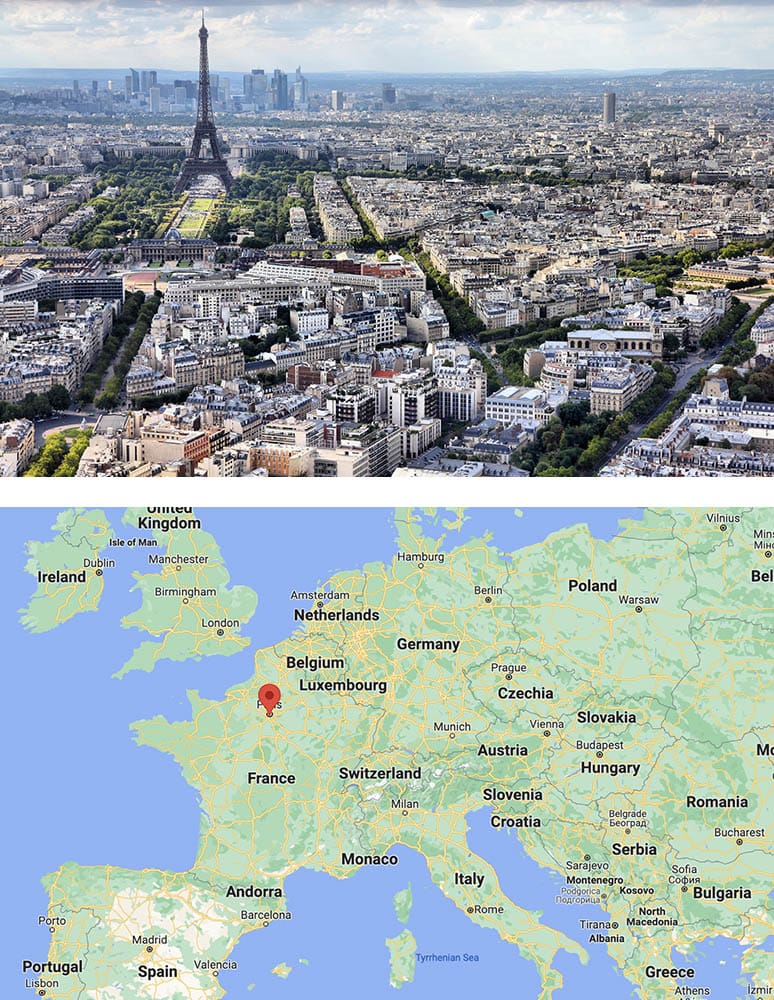
Paris has officially reclaimed the title of Europe’s most visited city, narrowly surpassing London after a multi-year period of trailing metrics. France as a whole maintains its position as the world’s most visited country. Paris’s enduring appeal stems from its dense concentration of world-class cultural institutions, architectural landmarks, and extensive culinary scene. Benefiting from a robust hotel and hostel inventory alongside a high volume of private vacation rentals, the French capital efficiently manages millions of visitors via its advanced Metro transit network.
2. London, United Kingdom – 40 Million Annual Visitors
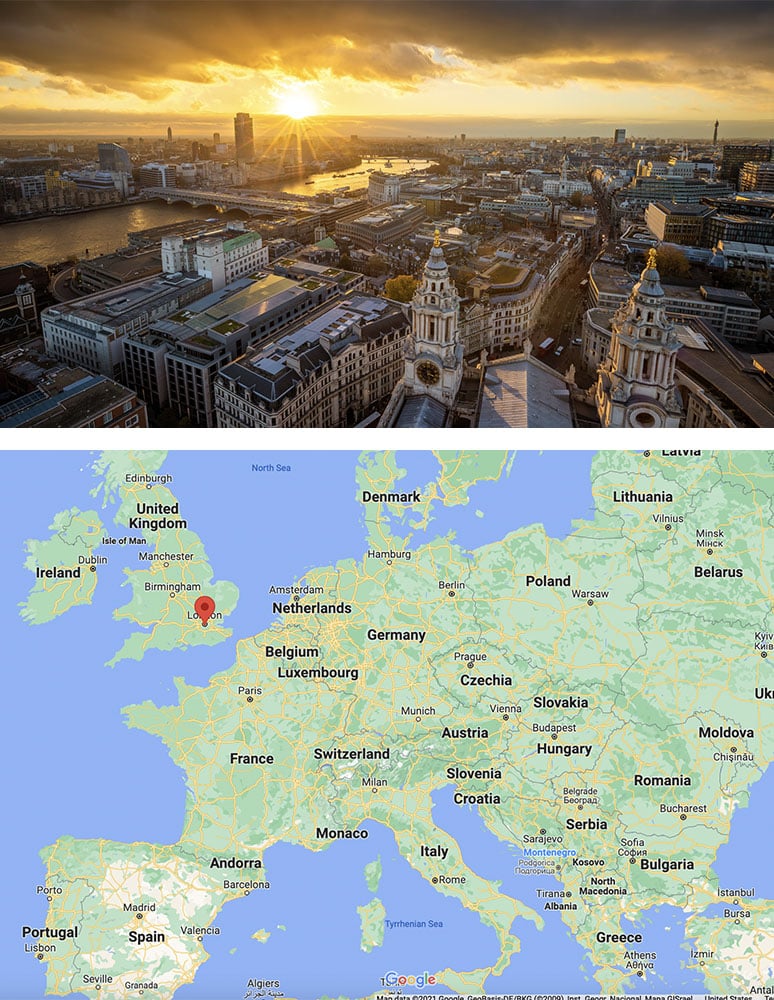
Holding the second position, London remains a cornerstone of European and global tourism. As a primary aviation hub with multiple international airports, London often functions as the entry point for transatlantic travelers. The absence of a major language barrier for English-speaking tourists, combined with a vast array of free-admission national museums and world-famous theatrical productions, allows the British capital to sustain an average of 40 million annual international visitors.

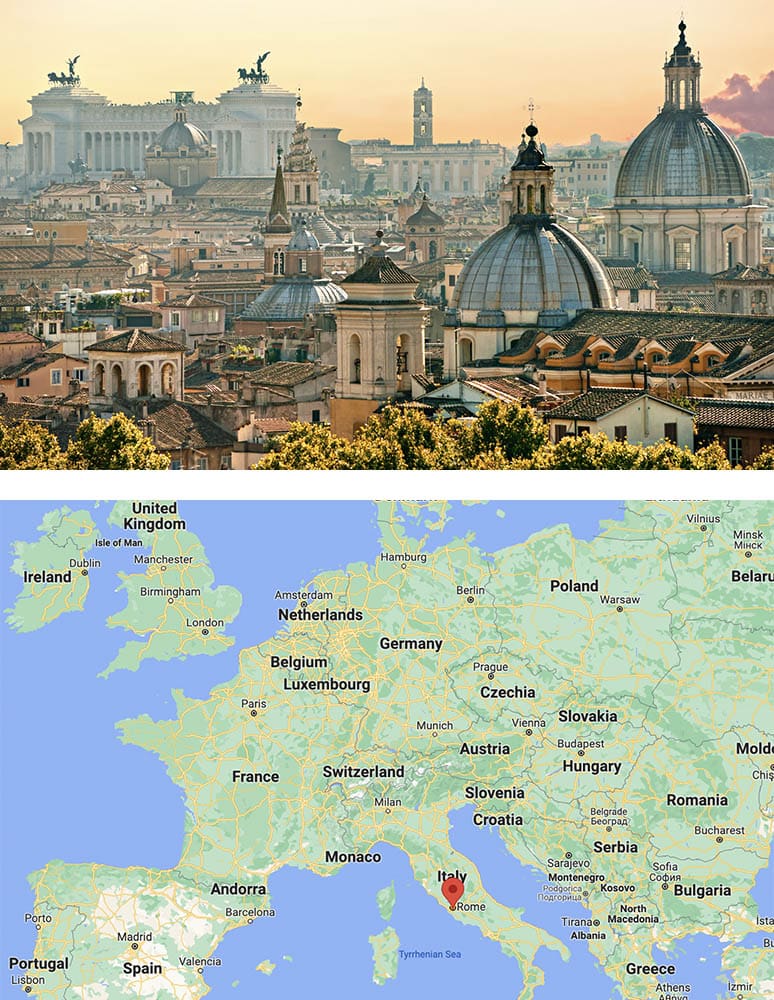
3. Rome, Italy – 35 Million Annual Visitors
Widely regarded as one of the world’s preeminent historical and archaeological centers, Rome attracted 35 million visitors in 2025. The Eternal City offers an unmatched density of ancient monuments, including the Colosseum, the Roman Forum, and Vatican City. Excellent high-speed rail connectivity links Rome to the broader Italian peninsula, making it a foundational node for multi-destination Italian itineraries.
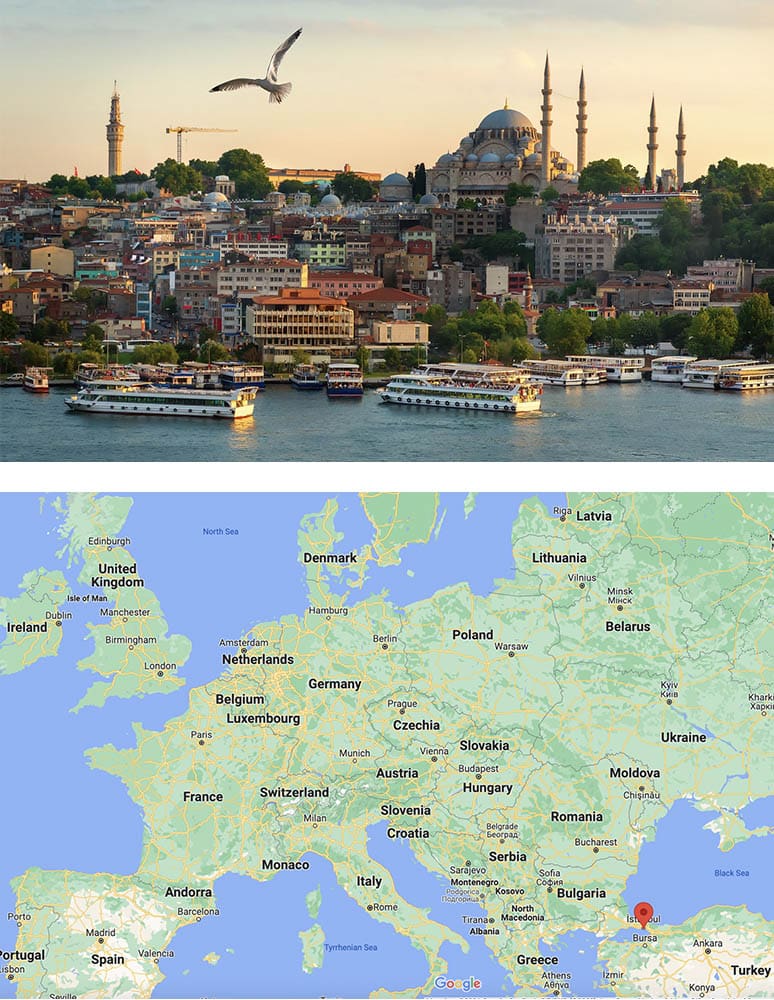
4. Istanbul, Turkey – 20 Million Annual Visitors
Istanbul has demonstrated a remarkable tourism resurgence following years of regional geopolitical instability and security concerns. Bridging Europe and Asia, the city offers a unique blend of Byzantine and Ottoman history alongside a booming contemporary arts and culinary scene. Strategic investments in aviation infrastructure and streamlined visa processes have propelled Istanbul into the upper echelon of global urban destinations.
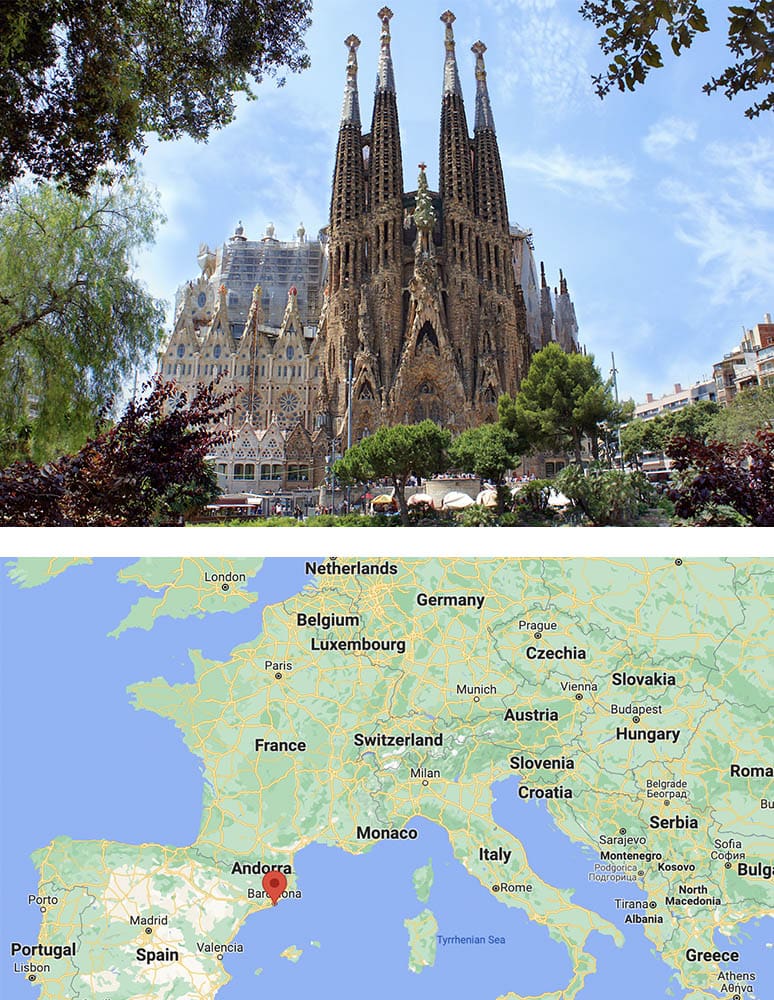
5. Barcelona, Spain – 16 Million Annual Visitors
Famed for its distinct Catalan identity and Antoni Gaudí architecture, Barcelona draws 16 million visitors annually. The city uniquely combines urban sophistication with Mediterranean beach access and a celebrated culinary culture. However, Barcelona has also become a focal point for European discussions on over-tourism, prompting local authorities to strictly regulate cruise ship docking and holiday rentals.
Rising Metropolises and Cultural Hubs (Rankings 6 to 15)
The mid-tier rankings highlight the diversification of European travel preferences, with travelers increasingly seeking out coastal capitals, cultural hubs, and more affordable Western and Eastern European destinations.
- 6. Lisbon, Portugal (14 Million Visitors): Driven by its historic pastel-colored architecture, vibrant café culture, and relatively affordable cost of living compared to Northern Europe, Lisbon has solidified its status as a premier Atlantic coastal destination.
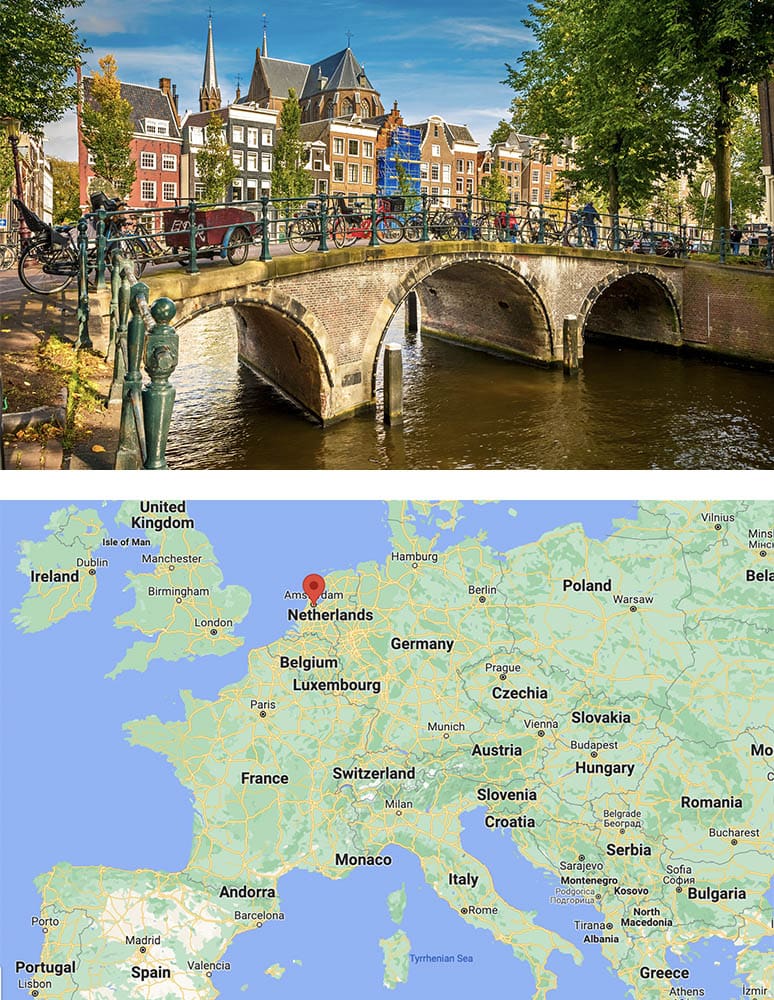
- 7. Amsterdam, Netherlands (8.9 Million Visitors): Renowned for its canal networks, cycling infrastructure, and rich art history, Amsterdam continues to grapple with intense over-tourism, prompting city officials to promote off-season travel and restrict new hotel developments.
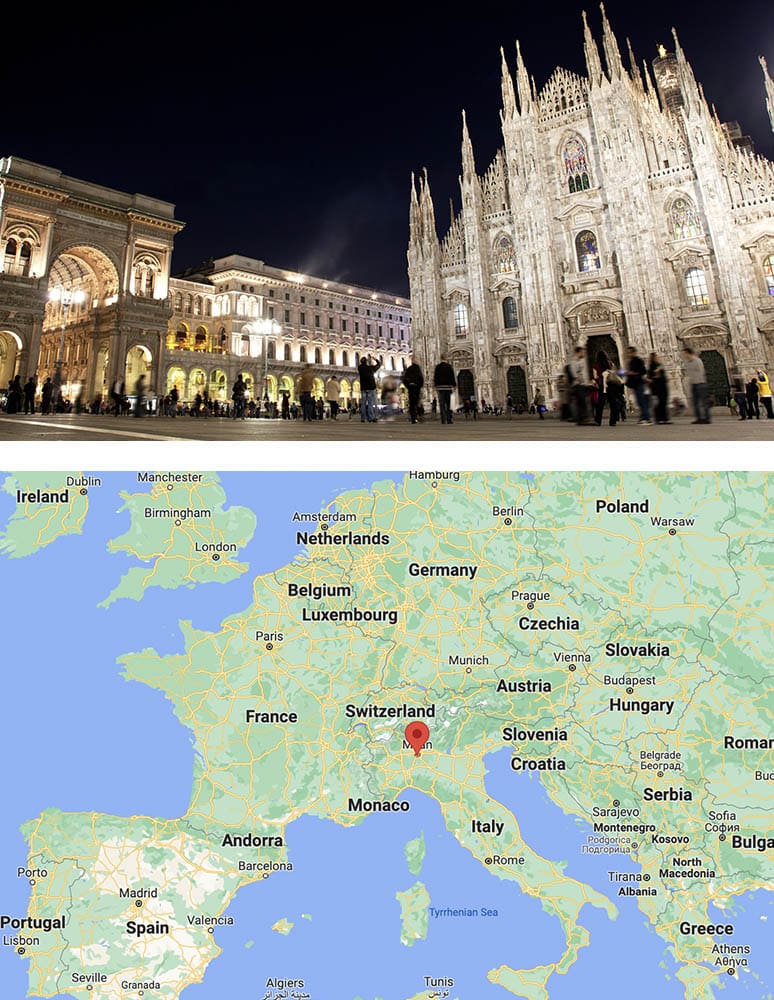
- 8. Milan, Italy (8.2 Million Visitors): Serving as Italy’s financial engine and the undisputed fashion capital of Southern Europe, Milan attracts business travelers and design enthusiasts alike.
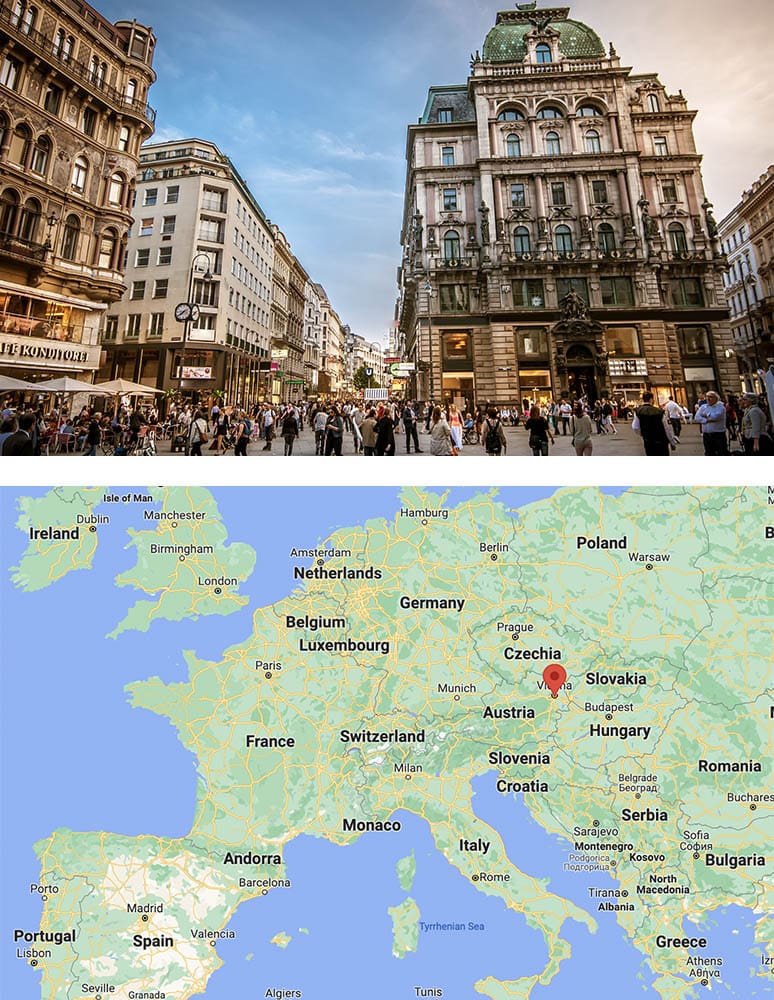
- 9. Vienna, Austria (8.2 Million Visitors): Regularly ranked among the world’s most livable cities, Vienna appeals to classical music aficionados, museum-goers, and patrons of traditional coffeehouse culture.
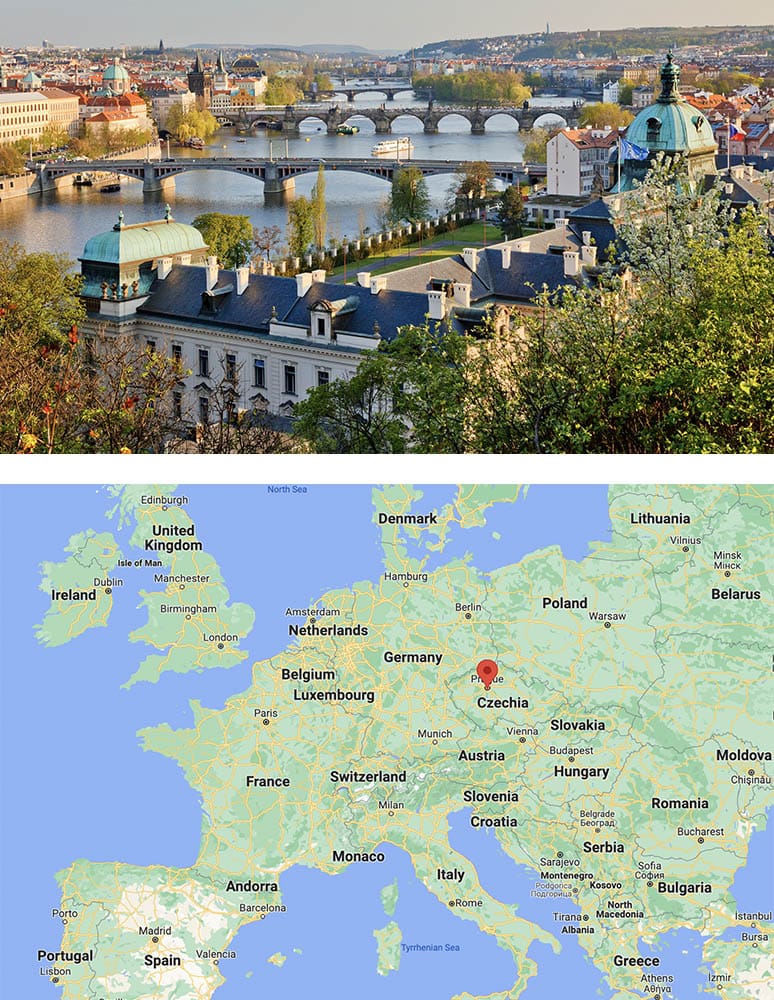
- 10. Prague, Czech Republic (7.5 Million Visitors): Offering remarkably preserved Gothic, Baroque, and Renaissance architecture, Prague functions as an accessible, budget-conscious alternative to Western European capitals.
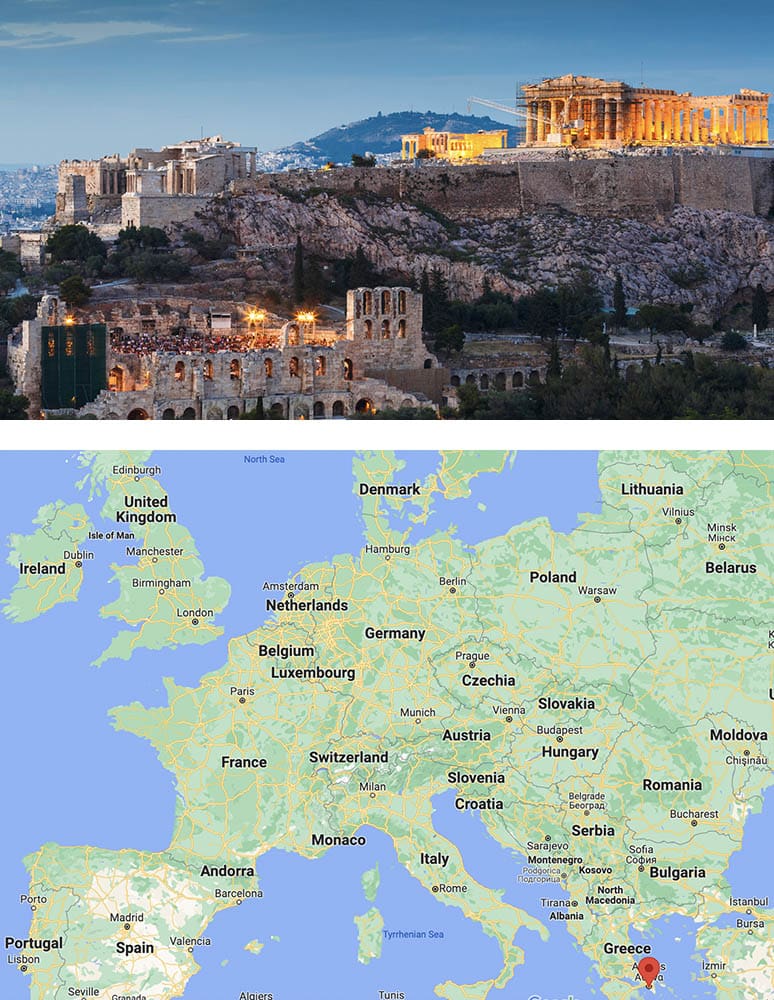
- 11. Athens, Greece (6.5 Million Visitors): As the cradle of Western civilization and the historical gateway to the Greek islands, Athens draws millions eager to tour the Acropolis and surrounding archaeological sites.
- 12. Berlin, Germany (6.3 Million Visitors): Known for its avant-garde arts community, turbulent 20th-century history, and world-renowned nightlife, Berlin remains a magnet for younger travelers.
- 13. Venice, Italy (5.6 Million Visitors): The iconic lagoon city continues to manage environmental threats of rising sea levels alongside severe visitor crowding, leading to the implementation of day-tripper entry fees.
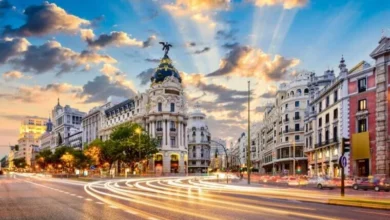
- 14. Madrid, Spain (5.6 Million Visitors): Spain’s inland capital offers world-class art museums such as the Prado, a dynamic culinary landscape, and boundless urban energy.
- 15. Dublin, Ireland (5.5 Million Visitors): Characterized by its literary heritage, famous pub culture, and compact, walkable layout, Dublin remains a perennial favorite despite rising local price indices.
Established Favorites and Scenic Escapes (Rankings 16 to 35)
The remaining destinations on the list encompass a diverse range of cultural, geographical, and economic profiles across the continent:
- 16. Florence, Italy (5.1 Million Visitors): The birthplace of the Italian Renaissance, offering unparalleled artistic treasures within a compact urban core.
- 17. Brussels, Belgium (4.3 Million Visitors): The administrative heart of the European Union, increasingly shedding its bureaucratic image in favor of a vibrant creative and culinary scene.
- 18. Munich, Germany (4.2 Million Visitors): Bavaria’s capital, famous for its historic architecture, beer gardens, and the annual Oktoberfest celebration.
- 19. Hamburg, Germany (4 Million Visitors): Germany’s largest port city, which has evolved into a trendy hub for modern architecture and nightlife.
- 20. Budapest, Hungary (4 Million Visitors): Frequently styled as the "Paris of the East," combining grand 19th-century architecture with thermal bath culture and affordability.
- 21. Tallinn, Estonia (4 Million Visitors): A remarkably preserved medieval walled city bridging Nordic and Baltic traditions.
- 22. Copenhagen, Denmark (3.2 Million Visitors): A global leader in sustainable urban design, progressive culinary movements, and bicycling culture.
- 23. Edinburgh, Scotland (3.1 Million Visitors): Famed for its dramatic medieval castle, volcanic geography, and the world-renowned Edinburgh Festival.
- 24. Heraklion, Greece (3 Million Visitors): The bustling administrative and transport hub of Crete, serving as a gateway to Minoan archaeological sites.
- 25. Kraków, Poland (2.9 Million Visitors): Poland’s cultural and intellectual capital, offering historic architecture and a lively student-driven atmosphere.
- 26. Warsaw, Poland (2.8 Million Visitors): A dynamically developing capital that meticulously rebuilt its historic center following World War II destruction.
- 27. Frankfurt, Germany (2.7 Million Visitors): Primarily recognized as a global financial and transit hub rather than a traditional leisure destination.
- 28. Stockholm, Sweden (2.7 Million Visitors): An archipelago-based capital known for its design heritage, high standard of living, and elevated consumer costs.
- 29. Nice, France (2.6 Million Visitors): The historic anchor of the French Riviera, offering Mediterranean beachfronts and accessibility to regional coastal towns.
- 30. Porto, Portugal (2.5 Million Visitors): Portugal’s northern maritime city, celebrated for its port wine production and emerging gastronomic scene.
- 31. Bruges, Belgium (2.5 Million Visitors): A pristine medieval canal city highly popular among both overnight guests and international day-trippers.
- 32. Reykjavik, Iceland (2 Million Visitors): A compact capital serving as the base for exploring Iceland’s unique volcanic and glacial natural landscapes.
- 33. Seville, Spain (2 Million Visitors): Andalucia’s cultural center, known for Moorish architecture, flamenco heritage, and hot Mediterranean summers.
- 34. Lyon, France (1.6 Million Visitors): Widely acknowledged as the gastronomic heart of France, blending Roman history with a vibrant university population.
- 35. Dubrovnik, Croatia (1.5 Million Visitors): The "Pearl of the Adriatic," experiencing rapid tourism growth centered around its massive medieval stone walls.
Future Outlook and Infrastructure
As Europe navigates the realities of welcoming nearly 800 million international arrivals annually, the focus of municipal planners and national tourism boards is shifting decisively toward sustainability. The expansion of high-speed international rail networks—connecting cities like Paris, London, Amsterdam, and Berlin—aims to divert travelers from carbon-intensive regional aviation. Simultaneously, the proliferation of affordable regional eSIM data providers and digital municipal passes has streamlined the modern travel experience, ensuring that Europe’s top urban destinations remain accessible, navigable, and economically resilient in the years ahead.
Related posts: