Beyond the Gateway: A Comprehensive Guide to Expanding Your Moroccan Itinerary into Neighboring Territories

The geographical position of Morocco, perched at the northwestern tip of Africa, has historically functioned as a bridge between continents, cultures, and civilizations. While many international travelers treat the Kingdom as a standalone destination, its strategic proximity to Southern Europe, the Atlantic archipelago, and the vast Saharan hinterland offers an unparalleled opportunity for multi-destination tourism. Understanding the logistical realities of these borders—ranging from the high-frequency ferry routes of the Strait of Gibraltar to the more complex, restricted crossings of the deep south—is essential for any traveler looking to maximize their exposure to the Mediterranean and North African regions.
The Historical and Geopolitical Context of the Strait
The Strait of Gibraltar, a narrow waterway separating the Iberian Peninsula from North Africa, has been a nexus of human movement for millennia. Since the Phoenician era and the later Umayyad conquest of the Iberian Peninsula, this nine-mile corridor has dictated the economic and political fate of the region. Today, the connection between Morocco and Spain is characterized by a sophisticated infrastructure of high-speed ferry services and consistent air travel.
For the modern traveler, this proximity allows for a transition between the bustling souks of Marrakech or the blue-washed alleys of Chefchaouen and the cosmopolitan, European atmosphere of Andalusia in a matter of hours. The legal framework for this movement is largely governed by the Schengen Area regulations on the European side and the reciprocal visa-waiver agreements Morocco maintains with many Western nations. Generally, citizens from the United States, the United Kingdom, Canada, and the European Union can traverse these borders for tourism purposes for up to 90 days without an advance visa, provided they hold a passport valid for at least six months.

Infrastructure and Logistics: Crossing the Mediterranean
The logistical backbone of the Morocco-Spain connection consists of several primary maritime routes. The most frequented crossing is between the Moroccan port of Tangier-Med and the Spanish port of Algeciras. This route is serviced by major operators including FRS, Baleària, and Armas, which together run dozens of daily crossings. These vessels are equipped to transport both foot passengers and personal vehicles, facilitating an "overland" experience that is rare in intercontinental travel.
In addition to the maritime routes, the aviation sector has seen significant growth. Low-cost carriers have effectively bridged the gap between Moroccan hubs like Casablanca, Fez, and Marrakech and major Spanish cities such as Madrid, Barcelona, and Málaga. This density of flight paths suggests an ongoing integration of the regional tourism market, where travelers are increasingly viewing the Maghreb and Southern Europe as a single, cohesive circuit rather than disparate entities.
The Status of Spanish Exclaves: Ceuta and Melilla
A unique feature of the Morocco-Spain border is the existence of the autonomous Spanish cities of Ceuta and Melilla. These territories, situated on the North African mainland, represent the only land borders between the European Union and the African continent. Historically, these cities were military strongholds, but today they function as points of intense cultural and commercial exchange.
Travelers should be aware that because these cities are legally part of the European Union, the border transition is distinct from crossing between two Moroccan provinces. Visitors must pass through formal immigration and customs checkpoints. For many, these cities serve as an entry point into Europe that bypasses the traditional sea crossing, though travelers are advised to monitor the current political climate, as border policies at these specific points are subject to rapid adjustment based on bilateral diplomatic relations.

The Canary Islands: A Trans-Atlantic Extension
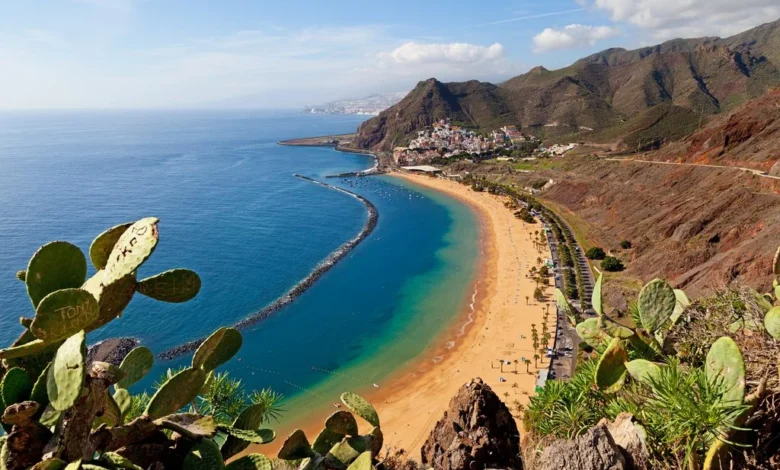
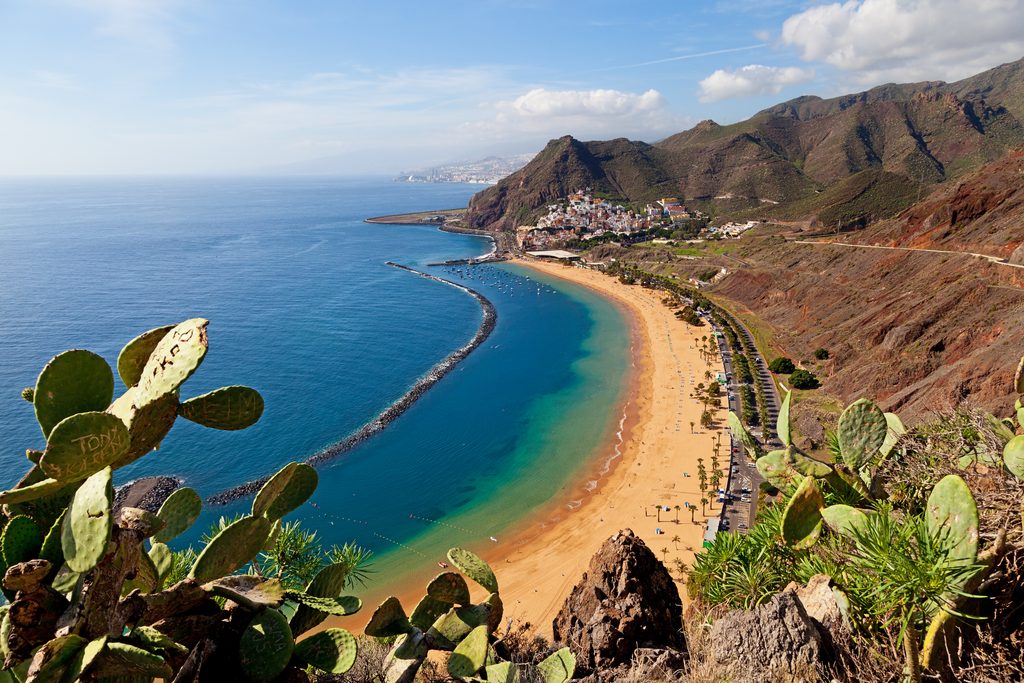
Situated in the Atlantic Ocean, the Canary Islands—a Spanish autonomous community—lie geographically closer to the Moroccan coastline than to mainland Europe. The archipelago, which includes islands such as Tenerife, Gran Canaria, and Lanzarote, offers a climate and landscape heavily influenced by their proximity to the Saharan landmass.
Accessing the islands from Morocco has evolved significantly. While there is no direct, high-frequency passenger ferry service between the main Moroccan ports and the islands, air connectivity has expanded. Travelers frequently utilize connections from Marrakech or Casablanca to reach the archipelago, which is known for its volcanic biodiversity and massive tourism infrastructure. This leg of a journey provides a striking contrast: the transition from the arid, high-altitude landscapes of the High Atlas to the subtropical, maritime environment of the Canaries.
The British Overseas Territory of Gibraltar
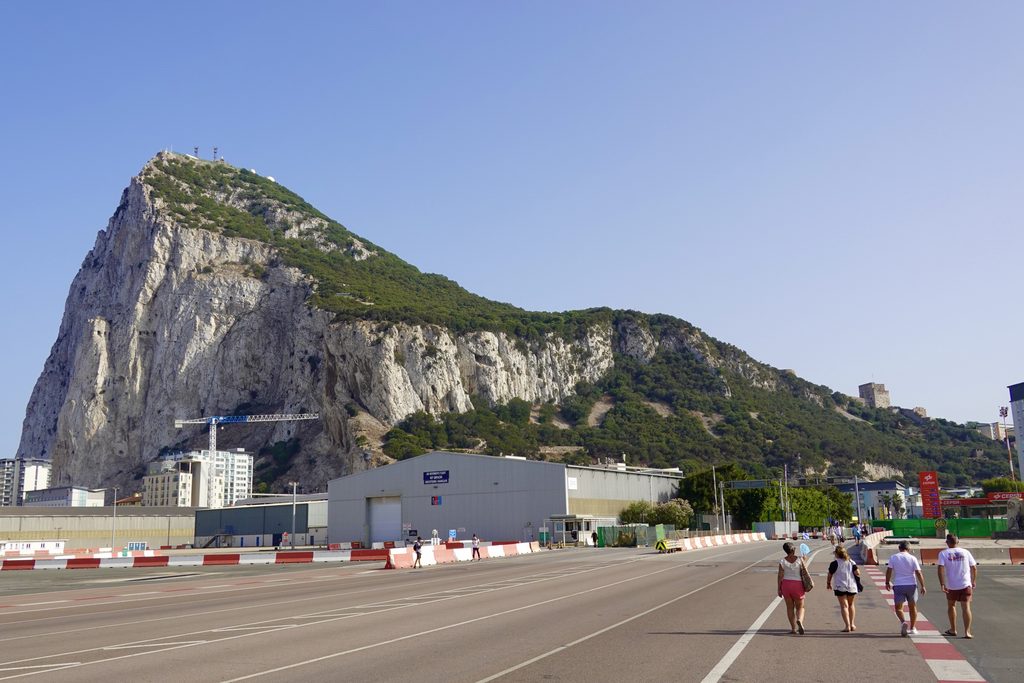
Gibraltar, a British Overseas Territory located at the southern tip of the Iberian Peninsula, remains a focal point of regional interest. Connected to Spain by a land border, it provides a unique juxtaposition of Mediterranean culture and British administration. For the Moroccan traveler, visiting Gibraltar involves navigating both the Spanish border and the specific entry requirements for the territory. The presence of the Barbary macaques—the only wild monkeys in Europe—and the extensive limestone tunnel networks continue to draw significant visitor numbers. The logistical path here usually involves crossing into Spain and then transitioning through the land border or flying into the local Gibraltar airport, which is notably bisected by the city’s main road.
Navigating the Western Sahara and Mauritania
Traveling southward from the Moroccan mainland into the Western Sahara and eventually toward the Mauritanian border represents a departure from the leisure-focused tourism of the north. This region is characterized by vast, desolate landscapes and a complex political status. While the coastal cities of Laayoune and Dakhla have become popular hubs for extreme sports, particularly kite-surfing, the region is categorized by many diplomatic services as one requiring extreme caution.
The overland route from Morocco into Mauritania is a trek that requires substantial planning. The border crossing at Guerguerat is the primary, and often only, point of transit. Travelers must be cognizant of the fact that this is not a routine tourist route. It requires specific documentation, including vehicle permits, and a deep understanding of the local terrain. The vastness of the Sahara means that fuel, water, and mechanical support must be planned with military precision. Most experts strongly advise against solo travel in these regions due to the lack of infrastructure and the potential for rapid shifts in security conditions.
The Closed Border: Morocco-Algeria
It is a critical requirement for any regional itinerary planner to acknowledge the total closure of the land border between Morocco and Algeria. This border has remained strictly shut since 1994, following a series of diplomatic disagreements and security concerns. Furthermore, direct flights between the two nations are not currently operational.
The implication for travelers is absolute: there is no possibility of a direct crossing. Any individual attempting to move between these two countries must route their journey through a third country, most commonly France, Tunisia, or Spain. Attempting to bypass these restrictions is not only logistically impossible but carries significant legal risk. Awareness of this geopolitical reality is vital to ensuring that travel plans are not rendered invalid upon arrival.
Analysis: The Future of Regional Tourism
The expansion of a Moroccan itinerary into neighboring territories is more than a simple travel trend; it is a testament to the interconnected history of the Mediterranean Basin. Data from regional tourism boards indicates that "multi-country" visitors tend to stay longer and contribute more significantly to local economies than those who remain in a single jurisdiction.
The integration of transport networks, particularly the maritime links across the Strait of Gibraltar, has been a key factor in the economic development of the Mediterranean rim. As logistical systems continue to improve, the ease of movement will likely continue to draw travelers who seek a broader, more nuanced understanding of the intersection between African and European identities.
For the modern traveler, the primary challenge remains the reconciliation of logistical planning with an awareness of the political realities of the Maghreb and the Iberian Peninsula. By focusing on established, safe, and efficient transit corridors, visitors can transform a standard vacation into an extensive exploration of one of the most historically rich and geographically diverse regions in the world. Preparation, verification of documentation, and a respect for local border policies remain the hallmarks of a successful, seamless cross-border journey.