Central Asia Travel Boom: Solo Traveler Chronicles 17-Day Journey Across Kazakhstan, Uzbekistan, and Tajikistan in April 2026


The landscape of global tourism experienced a notable shift in April 2026 as seasoned travelers increasingly turned their focus toward the historic heart of the Silk Road. Highlighting this regional surge, a prominent 17-day solo expedition through Kazakhstan, Uzbekistan, and Tajikistan underscored the expanding accessibility, infrastructure improvements, and growing popularity of Central Asia as a premier destination for international adventurers.
The comprehensive journey, spanning multiple urban centers and remote geographical wonders, reflects broader trends in post-pandemic travel diversification. As traditional European capitals grapple with overtourism and rising costs, nations across Central Asia have successfully positioned themselves as culturally rich, economically viable alternatives for independent explorers.
Chronology of the Expedition: Route and Milestones
The 17-day itinerary began in Almaty, Kazakhstan’s largest metropolis, before transitioning westward into Uzbekistan’s historic trade hubs and concluding with a brief cross-border excursion into the rugged mountain terrain of Tajikistan.
Kazakhstan Phase (Early April)
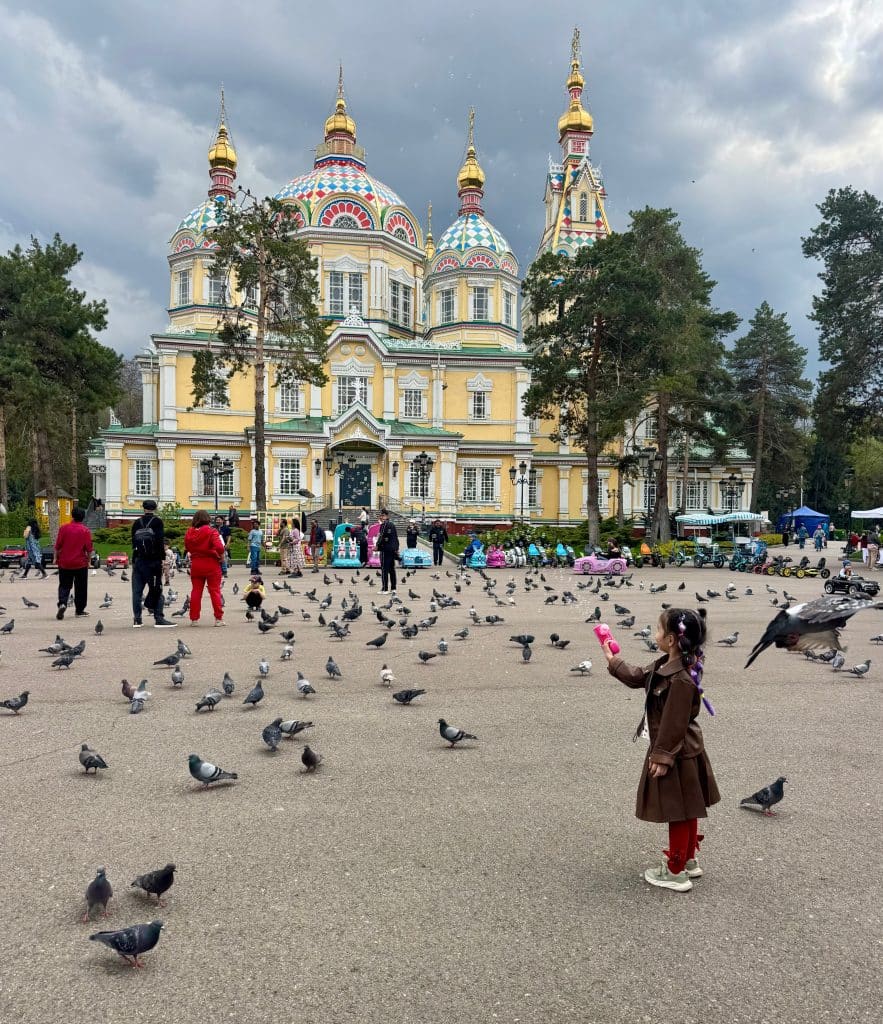
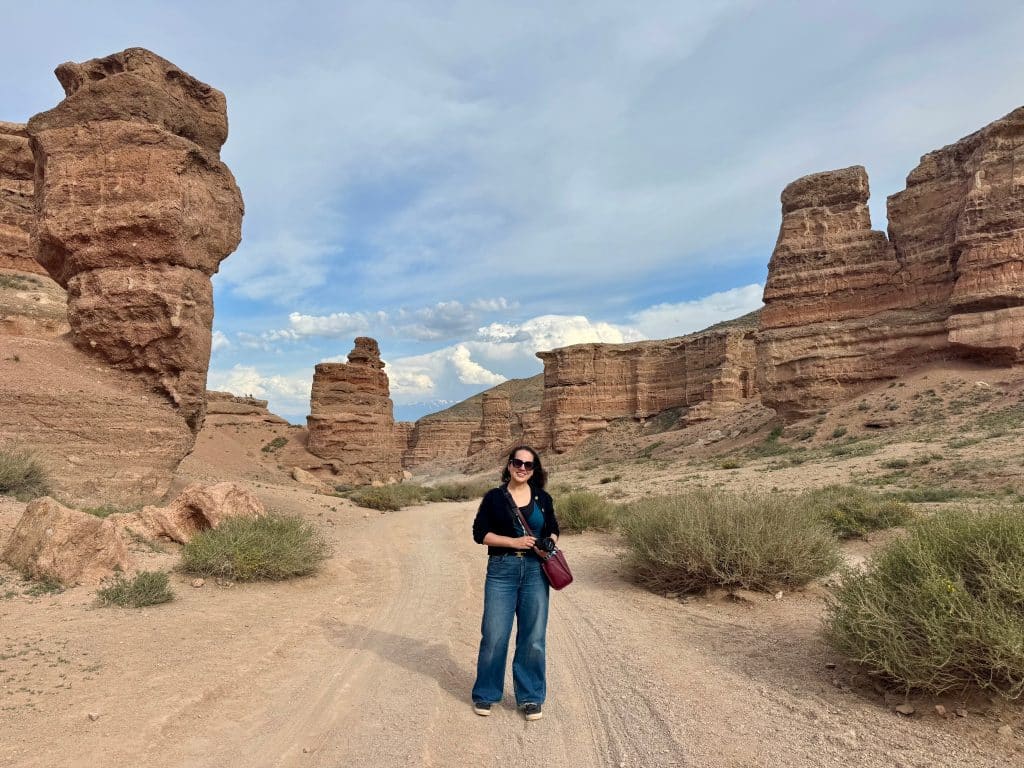
The expedition commenced in Almaty, a city widely lauded by travel professionals for its urban forestry, extensive green spaces, and dramatic backdrop of snow-capped peaks in the Tian Shan mountain range. During this leg, the traveler engaged local historical preservation guides and undertook a structured two-day regional excursion. This overland route covered natural landmarks including Charyn Canyon—frequently compared to American southwestern geological formations—as well as Moon Canyon, Black Canyon, Kolsay Lake, and Lake Kaindy. Accommodations during the remote portion of the Kazakh leg utilized traditional nomadic yurt camps, pointing to the growing integration of authentic cultural lodging within regional tourism frameworks.
Uzbekistan Phase (Mid-April)
Crossing into Uzbekistan, the itinerary followed the classic Silk Road trajectory across four major municipalities: Tashkent, Samarkand, Bukhara, and Khiva. Logistics heavily relied on the country’s national railway network, a critical piece of transportation infrastructure that routinely operates at high capacity. Tourism authorities and regional experts note that high-speed and intercity train tickets in Uzbekistan frequently sell out weeks in advance of the 45-to-60-day release window, necessitating advanced planning for independent itineraries.
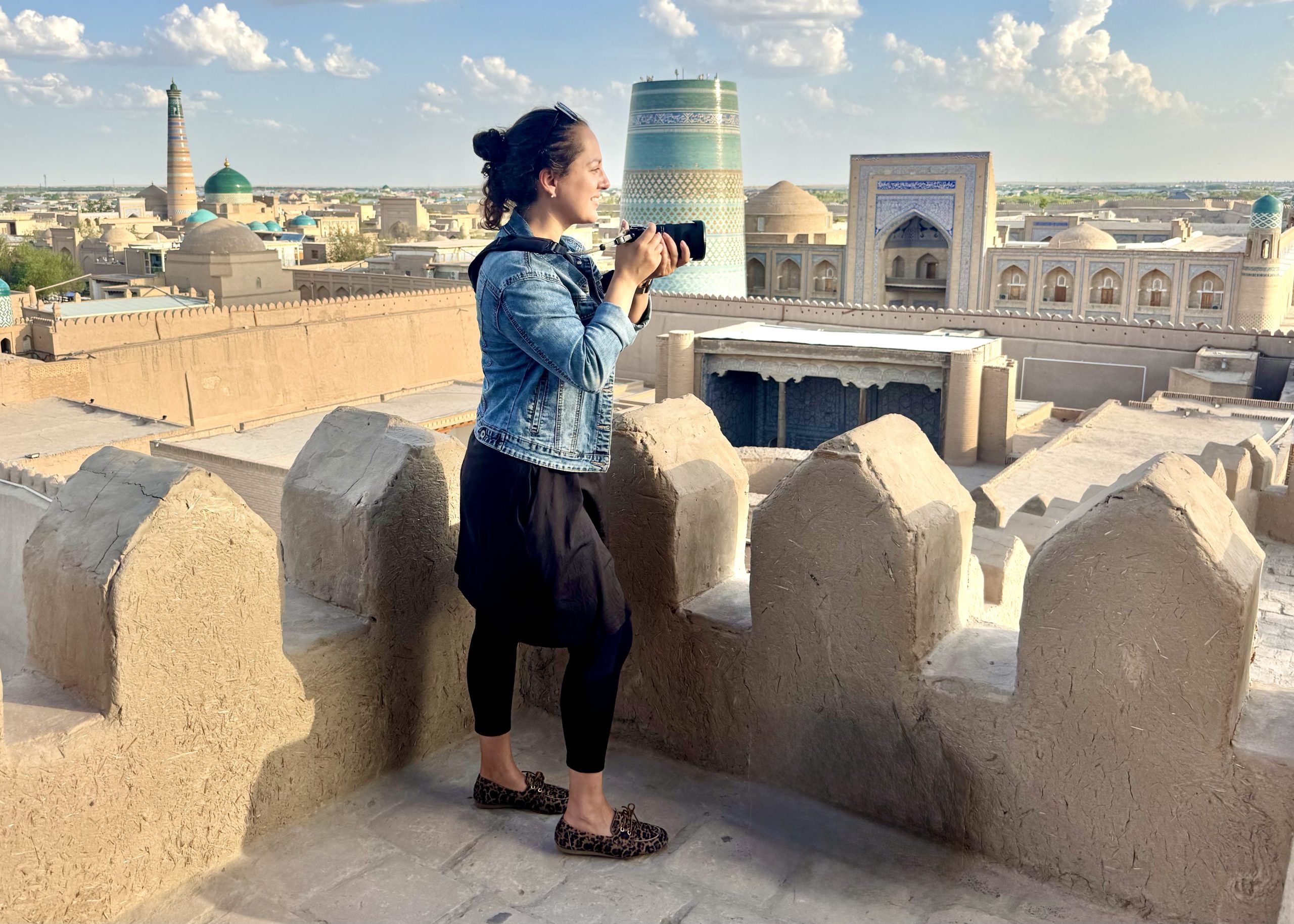
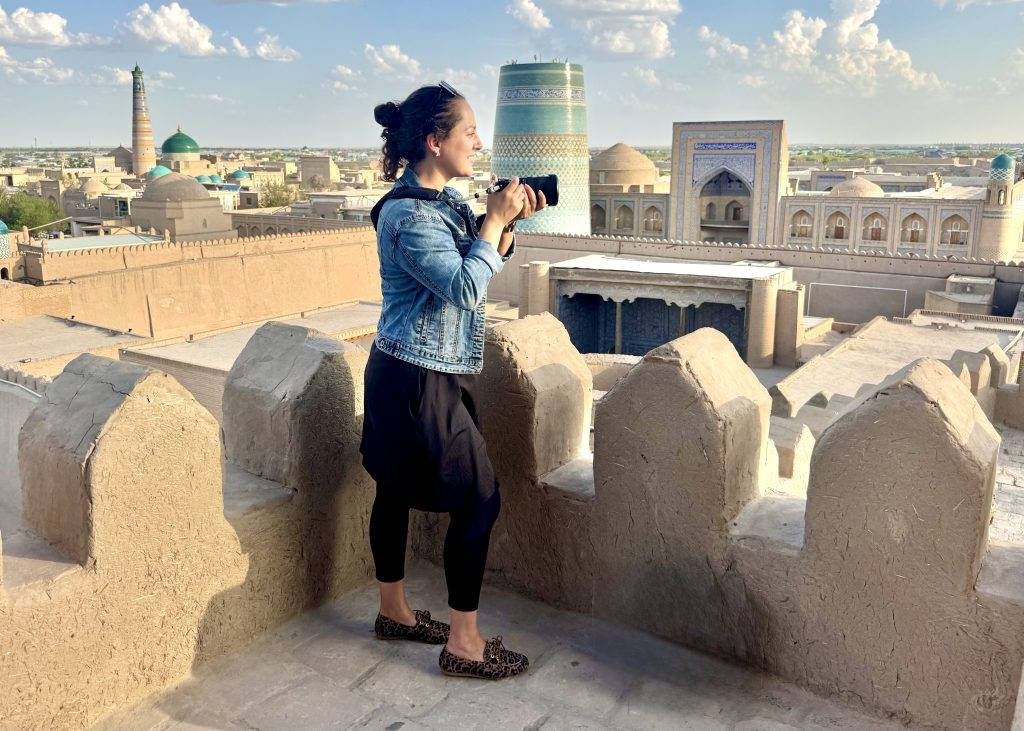
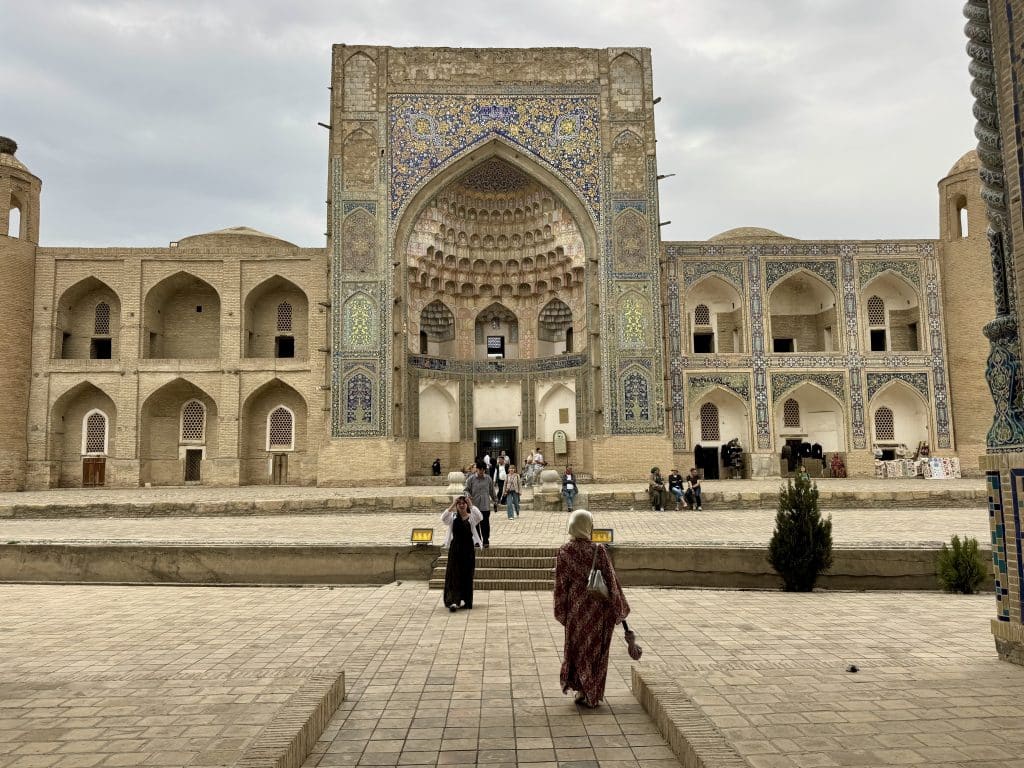
The Uzbek leg emphasized architectural preservation and intangible cultural heritage. Visits to Samarkand highlighted the intricate tilework of the Shah-i-Zinda mausoleum complex and the Registan public square. Meanwhile, Bukhara served as a primary hub for traditional crafts, where the traveler participated in formal workshops dedicated to Suzani embroidery and Persian miniature painting. The journey through Uzbekistan concluded in Khiva, a heavily restored walled desert oasis catering primarily to heritage tourism and architectural photography.
Tajikistan Day Excursion (Late April)
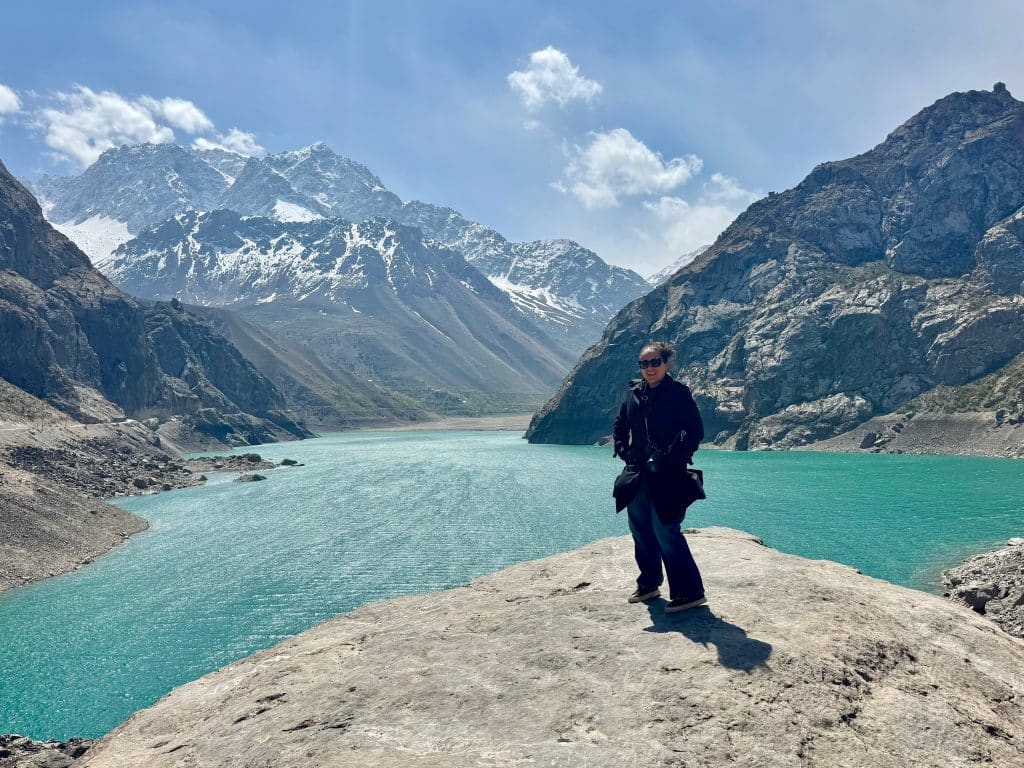
Positioned merely an hour’s transit from the Uzbek border, Samarkand facilitated a streamlined day-trip into northern Tajikistan. The brief cross-border excursion included a guided tour of Panjakent, its municipal bazaar, the alpine Seven Lakes region, and the archaeological site of Sarazm, a designated UNESCO World Heritage landmark.
Economic and Logistical Implications of Central Asian Tourism
The successful execution of a multi-country Central Asian itinerary relies on navigating distinct bureaucratic, monetary, and infrastructural frameworks. In recent years, Kazakhstan and Uzbekistan have significantly streamlined entry requirements by expanding visa-free travel regimes for dozens of nationalities, catalyzing regional tourism development.
However, logistics remain nuanced. Transportation planning—particularly securing railway reservations in Uzbekistan and arranging reliable private or small-group transit for remote mountain passes in Kazakhstan and Tajikistan—requires meticulous scheduling. Furthermore, while urban centers feature robust digital connectivity, modern banking systems, and expanding hospitality options, rural excursions demand adaptability regarding accommodations and amenities.
From an economic perspective, the influx of international tourists provides a vital revenue stream for local artisans, guesthouse operators, and regional guides. Traditional craft sectors, such as textile weaving and ceramic arts, have experienced a revitalization driven by cultural heritage tourism.
Regional Security and Travel Safety Realities
While Central Asia maintains a reputation for high levels of street safety and low rates of violent crime directed at tourists—contrasting favorably with heavily touristed Western European destinations—travelers are increasingly reminded of standard urban precautions. Incidents involving opportunistic theft, such as distraction scams documented in regional hubs, highlight the necessity of situational awareness regardless of destination crime statistics.
Simultaneously, unexpected infrastructure demands, such as regional device repair services and health precautions in high-altitude environments, underscore the importance of comprehensive travel insurance and emergency financial planning for long-haul international journeys.
Broader Outlook on Silk Road Tourism
As air connectivity improves and regional governments continue to invest in tourism facilitation, Central Asia is poised to capture an increasing share of the adventure and cultural travel market. The successful navigation of Kazakhstan, Uzbekistan, and Tajikistan by independent travelers serves as a case study in the region’s evolving capacity to absorb international visitors while preserving the historical and natural assets that define the ancient Silk Road.