Uncovering the Shadows of Westminster: A Historical and Contemporary Review of London’s Espionage-Linked St. Ermin’s Hotel

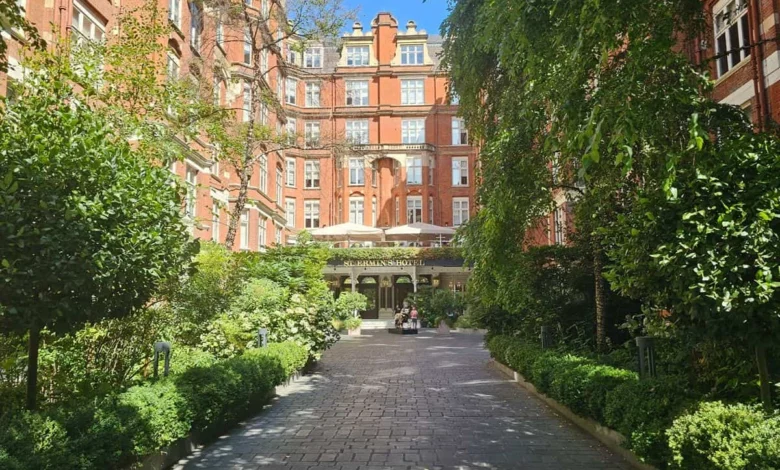
Standing discreetly within a quiet, tree-lined courtyard on Caxton Street in the heart of political London, St. Ermin’s Hotel occupies a unique intersection of Victorian architectural grandeur and clandestine twentieth-century history. Long before welcoming international travelers as a refined member of Marriott’s Autograph Collection, this grand Westminster property served as a primary nexus for British intelligence operations. Today, it operates as a luxury urban sanctuary that deliberately embraces its storied past, offering modern guests an immersive experience steeped in the legacy of World War II codebreakers, Cold War double agents, and parliamentary politics.
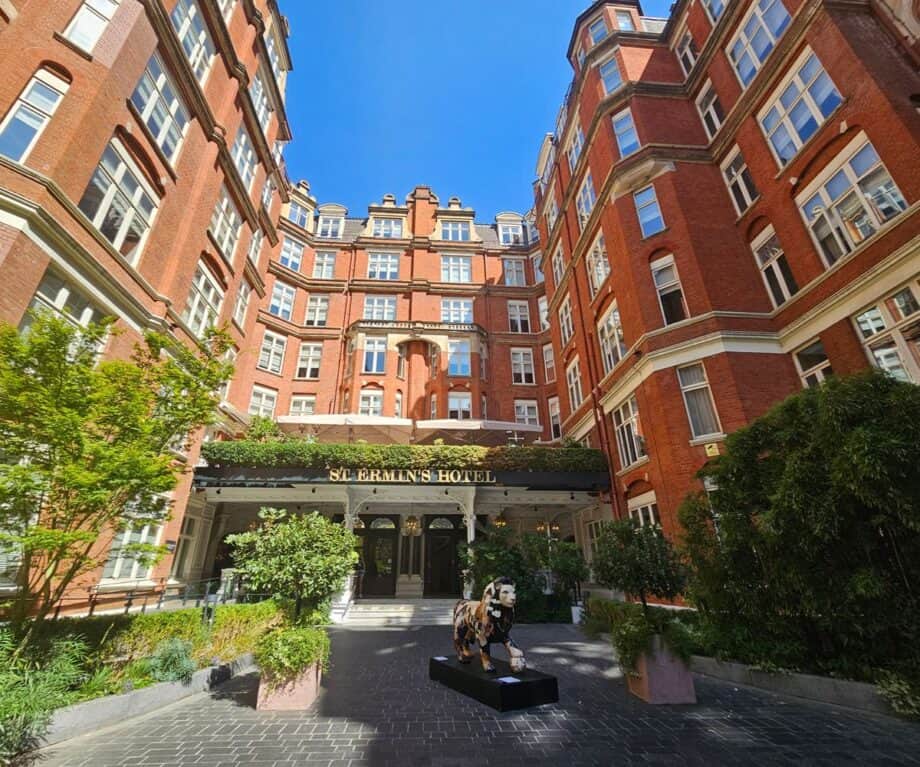
The Architectural Heritage and Clandestine Origins
Constructed originally in the late nineteenth century on the site of a 14th-century ecclesiastical building, the property was redesigned as an apartment block before eventually transitioning into a hotel. The building’s ornate Victorian plasterwork, sweeping staircases, and secluded courtyards provided an ideal environment for discretion.
During the Second World War, the hotel gained profound geopolitical significance as the birthplace of Winston Churchill’s Special Operations Executive (SOE). Established in July 1940 to conduct espionage, sabotage, and reconnaissance in occupied Europe, the SOE operated under the Prime Minister’s directive to "set Europe ablaze." Intelligence officers, resistance fighters, and analysts frequently gathered in the hotel’s public rooms and adjacent drinking dens to coordinate covert missions. Concurrently, the building was utilized by MI6, housing personnel who would later become legends in the annals of espionage history.
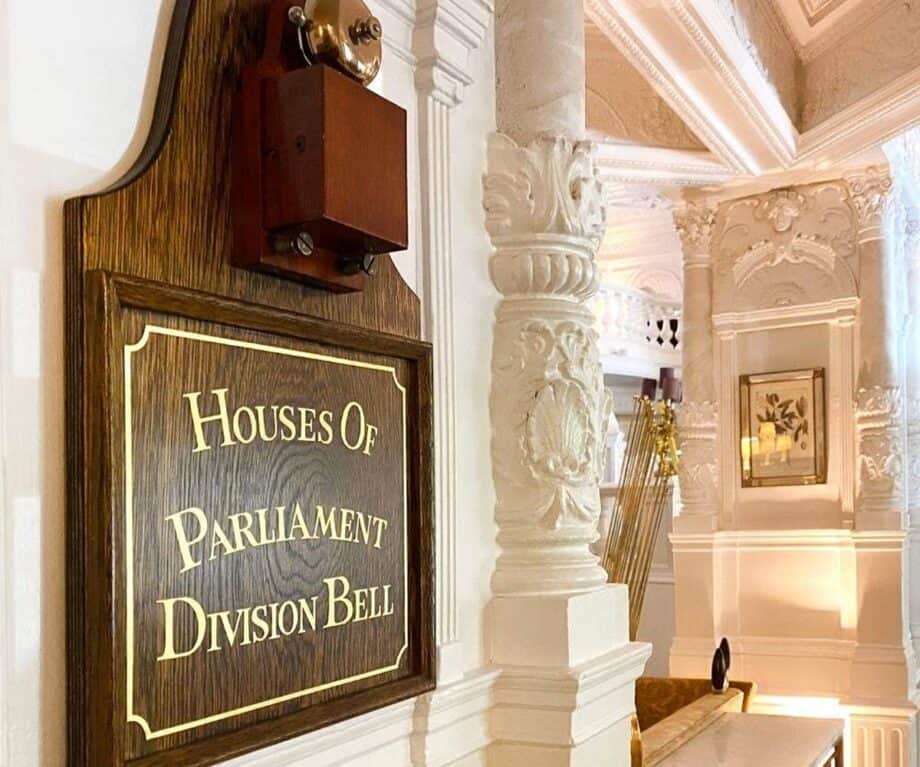
The atmosphere of intrigue persisted into the Cold War era. The hotel’s bar became a notorious rendezvous point for compromised officials and foreign handlers. Most notably, members of the Cambridge Five—the infamous ring of British spies who passed classified information to the Soviet Union—frequently used the premises for clandestine meetings. Decades later, physical remnants of this political proximity remain visible, including a functioning Division Bell in the reception area designed to summon Members of Parliament back to the nearby House of Commons at a moment’s notice.
Accommodations and Contemporary Luxury Standards
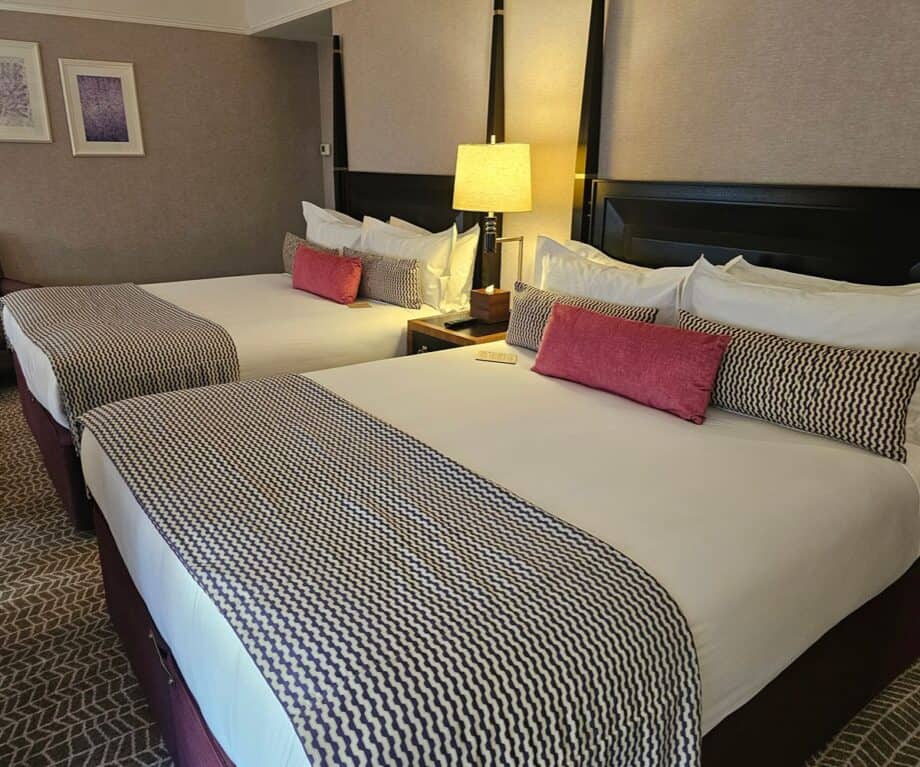
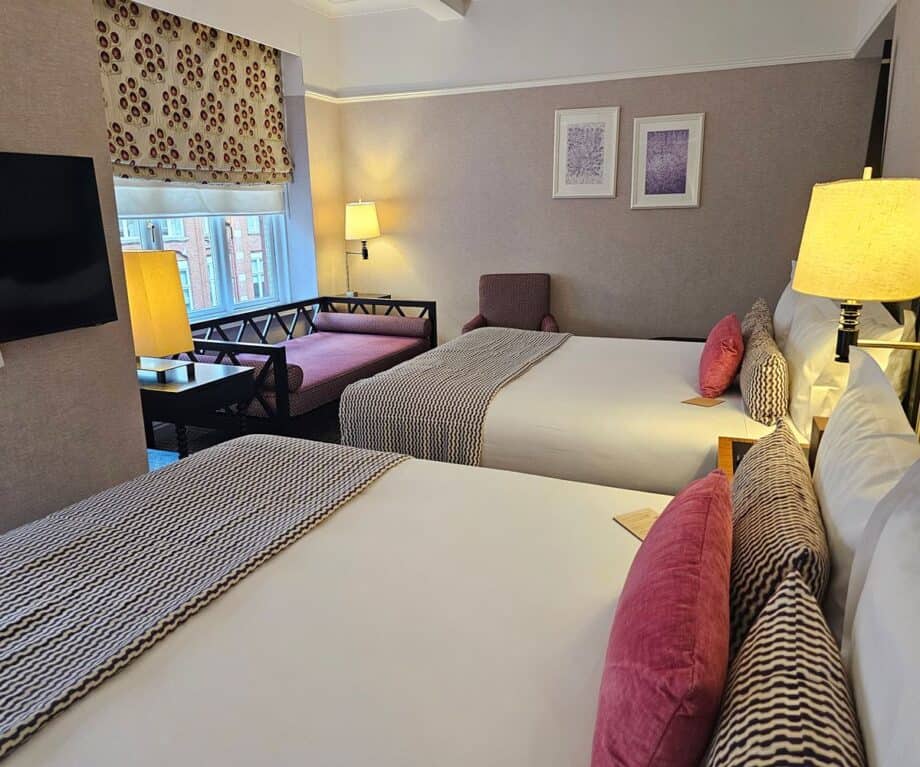
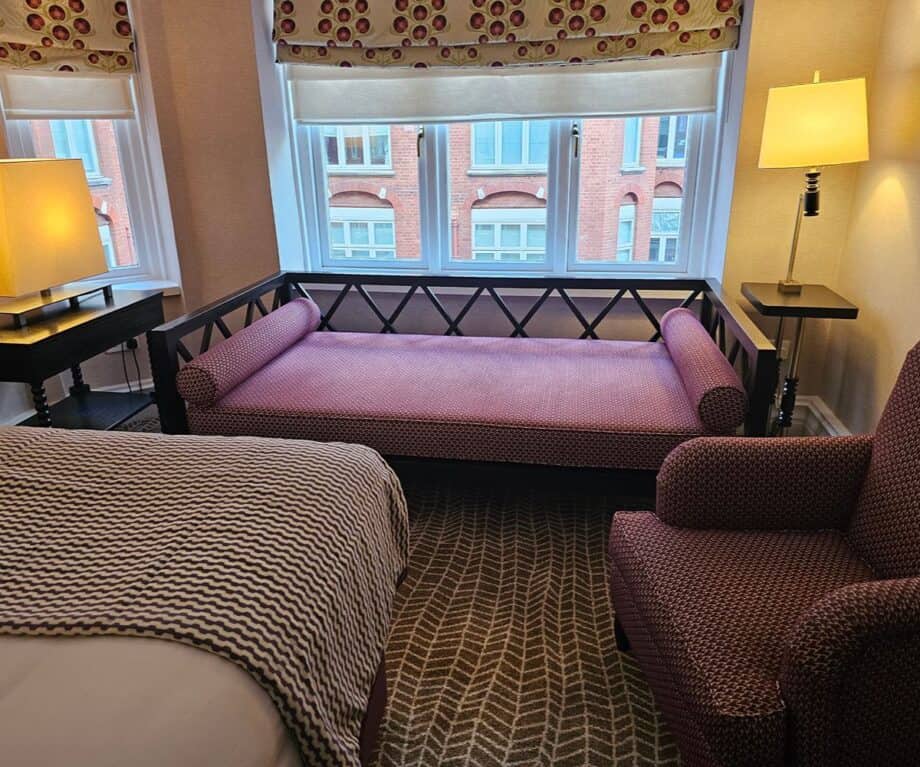
In its current iteration, St. Ermin’s Hotel merges historical gravitas with contemporary hospitality. Among its varied room categories, the family accommodations illustrate a modern approach to space utilization in central London. Measuring between 36 and 37 square meters, these rooms feature dual queen-sized beds and an additional daybed, configured to comfortably accommodate up to five guests.
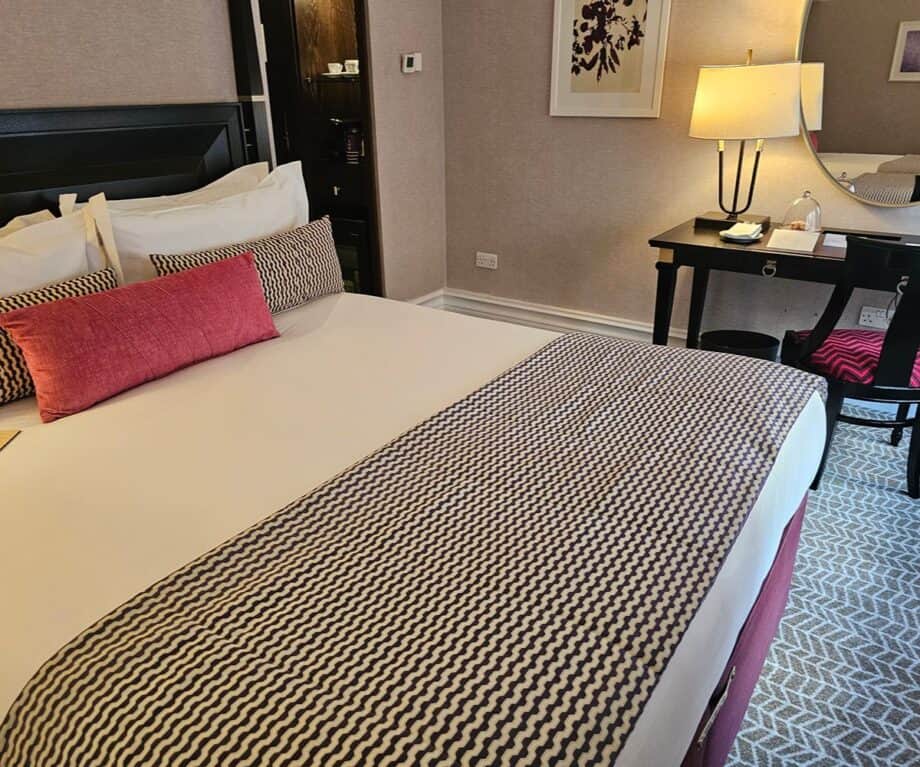
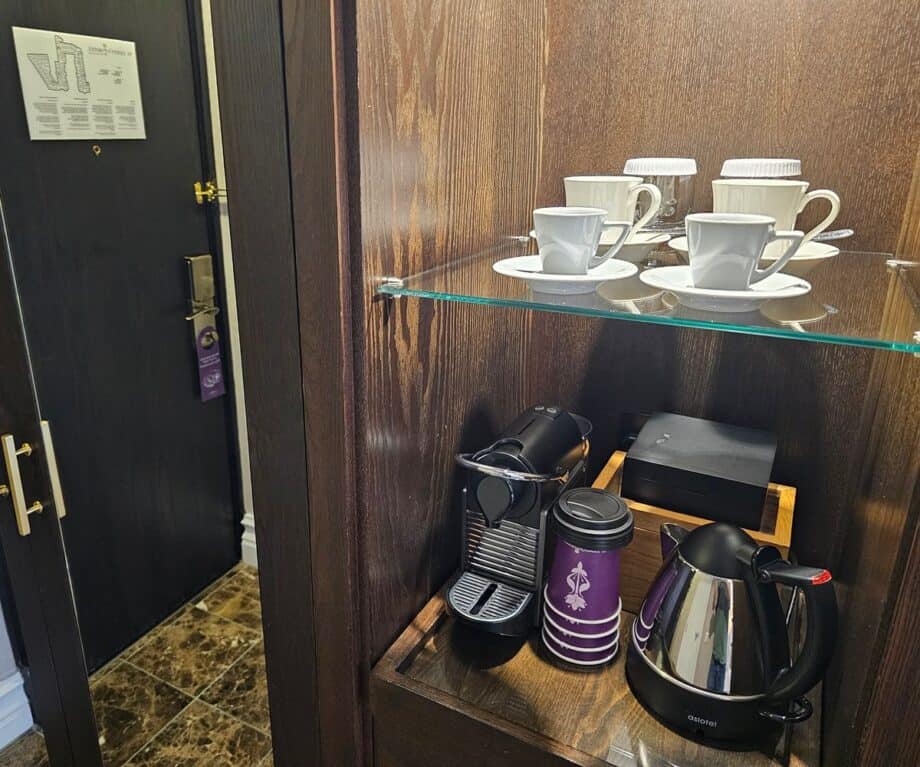
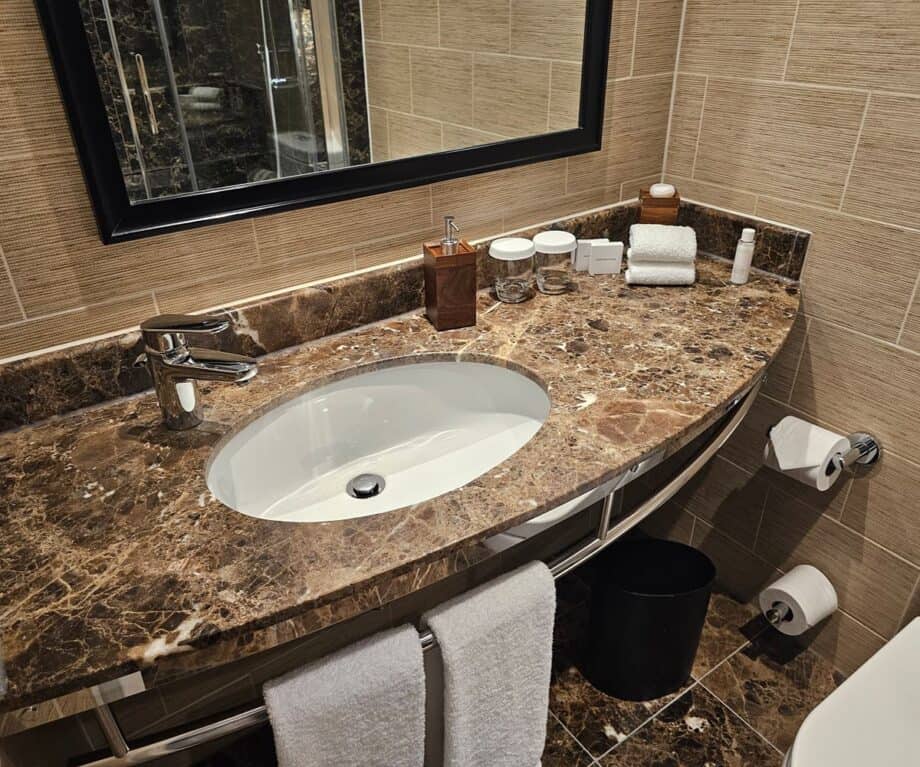
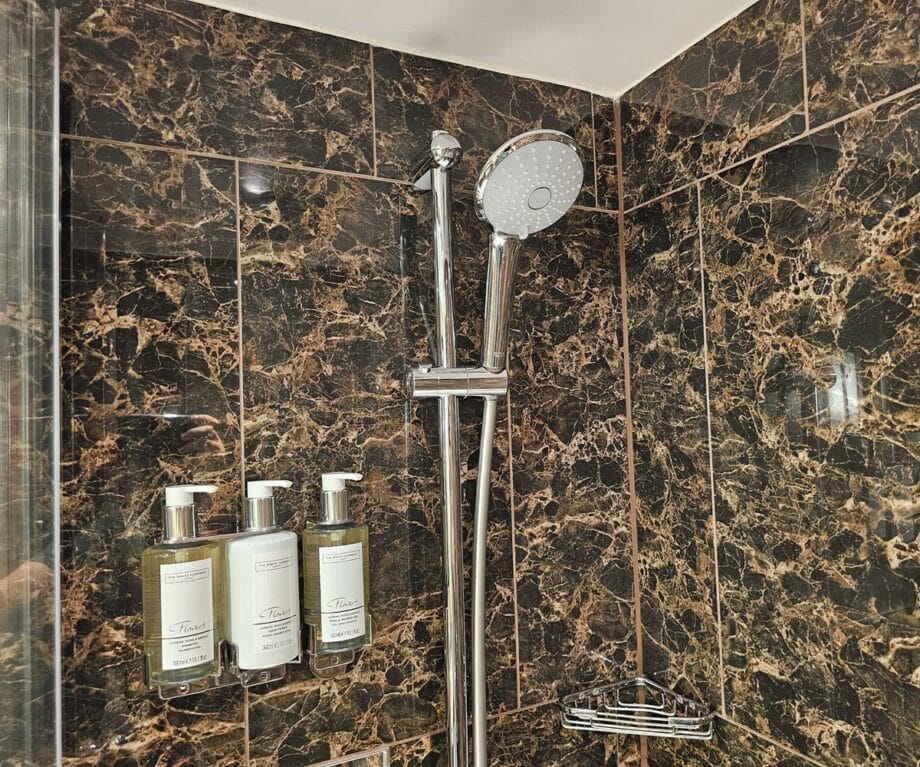
Interior design choices balance functional efficiency with upscale aesthetics. Standard modern amenities—such as Nespresso coffee machines, high-speed Wi-Fi, fully stocked minibars, and functional workspaces with accessible power outlets—are integrated seamlessly. The bathrooms reflect a commitment to high-end finishing, utilizing marble countertops, sleek chrome fixtures, and high-pressure showers. Aligning with broader corporate sustainability mandates, the hotel has eliminated single-use plastic toiletry bottles in favor of large, refillable wall-mounted pump dispensers containing luxury products supplied by The White Company.
Gastronomy and Sustainable Urban Agriculture
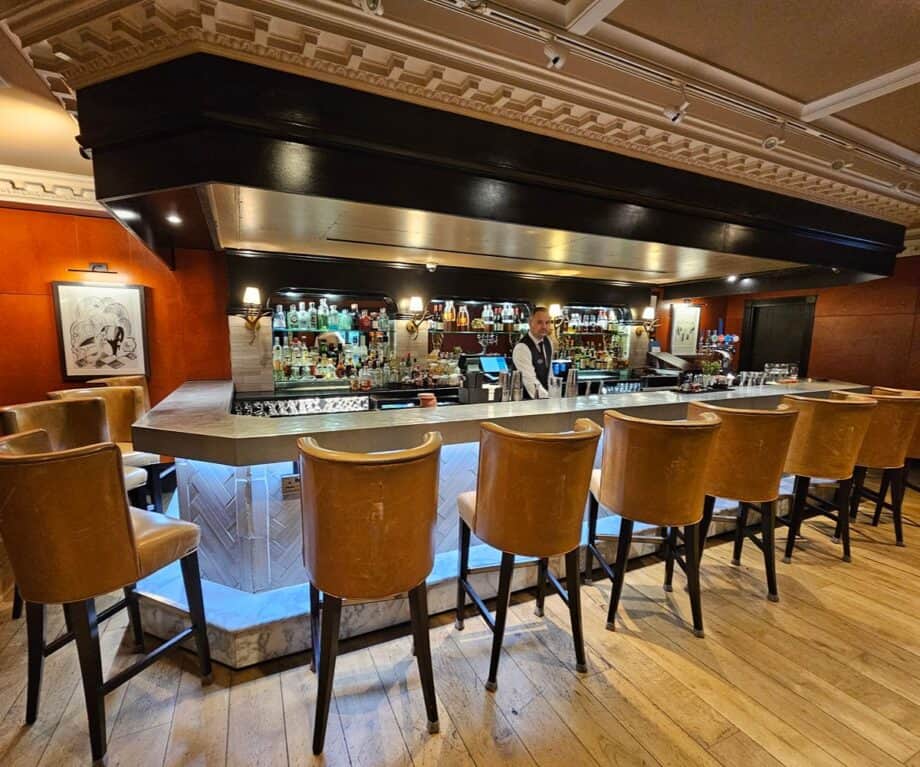
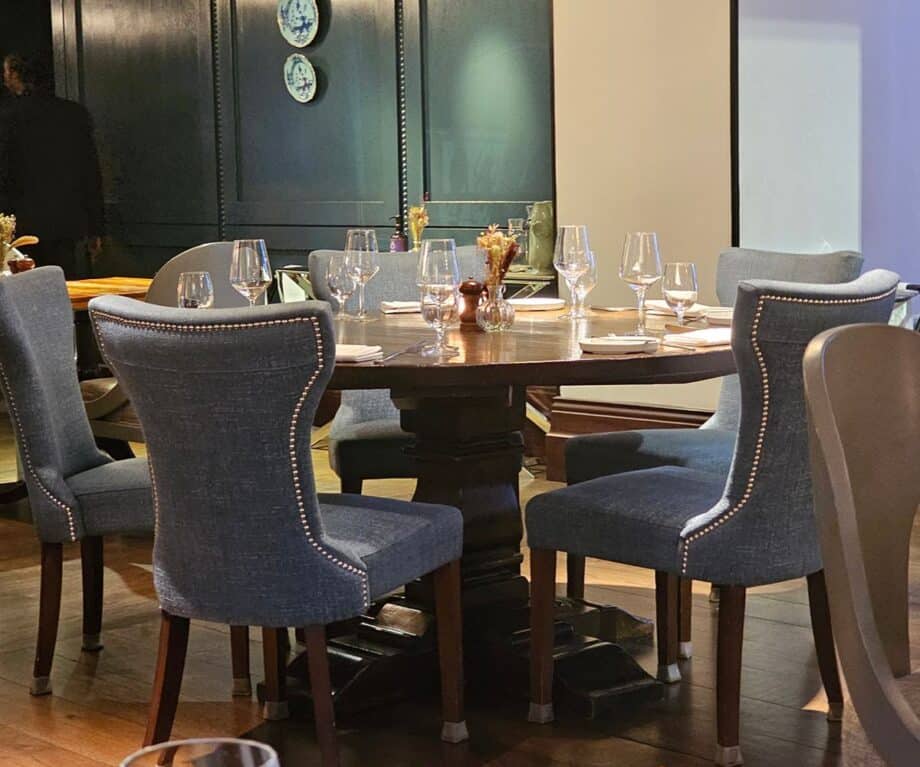
Culinary operations at the hotel are anchored by the Caxton Bar and the Caxton Grill, spaces that continue to attract both international visitors and local political figures seeking respite from the media spotlight. The restaurant’s menu emphasizes seasonal British produce combined with unique, on-site ingredients.
A notable feature of the hotel’s sustainability and culinary ecosystem is its third-floor Bee Terrace. Home to a managed population of gentle Buckfast bees housed behind protective glass screens, the apiary produces honey that is harvested directly for use in the hotel’s breakfast and dining menus. This urban farming initiative is complemented by a rooftop garden that supplies select herbs and microgreens utilized by the culinary team.
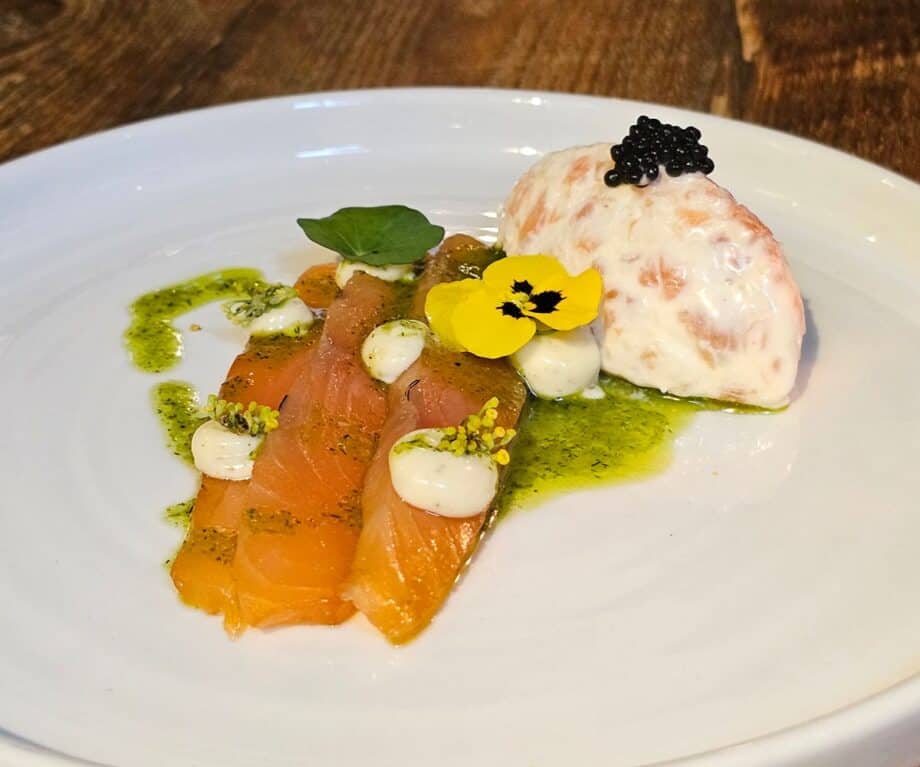
Dinner services at the Caxton Grill feature dishes such as spiced rum-cured salmon with dill pollen and caviar, seared Scottish scallops with garlic pesto and hazelnuts, and grass-fed Aberdeen Angus 28-day dry-aged tomahawk steaks. Desserts, including white chocolate basil mousse and sheep’s milk mousse with halwa cream, demonstrate a commitment to contemporary pastry techniques. Breakfast offerings—served until midday to accommodate late risers and local athletes—feature a comprehensive buffet incorporating the property’s self-produced honey.
Strategic Location and Urban Connectivity
Situated in the Borough of Westminster, St. Ermin’s Hotel benefits from exceptional proximity to key government and cultural institutions. It stands mere steps from New Scotland Yard, the Foreign, Commonwealth & Development Office, and the Home Office. Iconic London landmarks, including Westminster Abbey, Big Ben, and St. James’s Park, are within immediate walking distance, while Buckingham Palace is accessible via a brief stroll through the adjacent park.
Transportation links are robust. The hotel is located less than a two-minute walk from St. James’s Park Underground Station, serviced by the District and Circle lines, and approximately ten minutes on foot from Victoria Station, providing access to National Rail services, the Gatwick Express, and additional underground lines.
The location also accommodates niche recreational habits; for participants in the global parkrun community, the hotel is situated two miles from Battersea Park—home to one of the United Kingdom’s most popular weekly 5-kilometer running events. The hotel’s generous breakfast schedule allows guests to participate in morning athletic events and return in time for a post-run meal.

Market Positioning and Financial Implications
Standard room rates at St. Ermin’s Hotel typically range between £300 and £500 per night, fluctuating according to seasonal demand, day of the week, and room selection. During peak tourism periods, major political events, or holidays in the capital, rates for high-end suites can exceed £800 to £1,200 per night.
As an Autograph Collection property, the hotel participates in Marriott Bonvoy, the loyalty program of Marriott International. This affiliation allows members across various tier statuses—from Silver to Ambassador Elite—to accrue points, secure potential room upgrades, request late check-outs, and receive localized welcome amenities, reinforcing its appeal to frequent business and leisure travelers.
Broader Impact and Industry Analysis
The ongoing commercial success of St. Ermin’s Hotel highlights a broader trend within the luxury hospitality sector: the valorization of historical narrative as an experiential amenity. In a competitive central London market where numerous properties offer comparable proximity to transit hubs and high-end dining, properties that leverage authentic historical provenance—particularly narratives intersecting with national security and diplomacy—tend to achieve higher brand differentiation and guest engagement.
By preserving elements of its espionage heritage while executing a comprehensive modernization of its facilities, St. Ermin’s Hotel demonstrates how historic properties can remain commercially viable and competitive. The integration of sustainable practices, such as urban apiculture and waste-reduction initiatives in guest bathrooms, further aligns the property with contemporary consumer expectations for environmental responsibility within the luxury tier. Ultimately, the hotel functions both as a high-end urban retreat and as a preserved living archive of Britain’s twentieth-century political history.
Related posts: