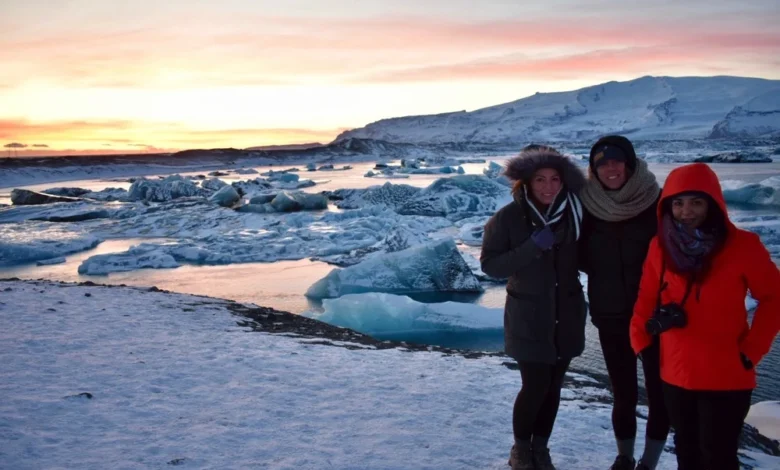
Independent exploration remains the definitive method for experiencing Iceland’s diverse landscapes, which feature descending cliffside waterfalls, volcanic black-sand beaches, glacial lagoons, and geothermal activity. While organized coach tours offer structured itineraries, securing a rental vehicle grants travelers autonomy, enabling spontaneous deviations from standard tourist routes and access to remote regions poorly serviced by public transportation outside the capital region of Reykjavík. However, navigating Iceland’s highway infrastructure requires meticulous preparation regarding seasonal variables, specialized vehicle requirements, and evolving national regulatory fees.
Logistical Realities and Financial Planning for Vehicle Rentals
Car rental expenditures fluctuate significantly depending on seasonal demand, booking lead times, and vehicle class. During the peak summer period of July, daily rates for compact vehicles average approximately $100 USD, while all-wheel-drive (4×4) SUVs and larger automatic models command substantially higher tariffs. Industry analysts consistently advise booking months in advance for travel between June and August to mitigate vehicle shortages and inflated pricing.

Insurance coverage selection represents a critical financial consideration. Standard collision damage waiver (CDW) policies frequently exclude specific regional hazards unique to the North Atlantic island, notably gravel impacts on vehicle bodywork and structural damage caused by high-velocity wind gusts. Consumers are strongly encouraged to scrutinize policy exclusions regarding ash, sandstorms, and loose road chippings.
Regulatory Adjustments: The 2026 Kilometer-Based Road Charge
Fiscal policy regarding vehicle operation underwent a notable structural shift with the implementation of a national kilometer-based road charge on January 1, 2026. Designed to equitably distribute infrastructure maintenance costs across all vehicular propulsion types—including gasoline, diesel, and electric vehicles—the system applies uniformly to registered automobiles.
For standard passenger vehicles under 3.5 tonnes, the state-mandated rate is established at 6.95 ISK (approximately $0.057 USD) per kilometer driven. Alternatively, car rental providers are authorized to levy a standardized daily administrative fee, currently fixed at 1,390 ISK (approximately $11.35 USD) per rental day, bypassing individual distance tracking. Travelers must verify how their specific rental agency integrates this charge into final billing statements, as it is frequently excluded from baseline online reservation quotes.

In addition to distance-based levies, motorists must account for targeted infrastructure tolls. The Vaðlaheiðargöng Tunnel in northern Iceland requires a toll of 2,216 ISK ($18.10 USD) each way for standard passenger vehicles, while a newer toll crossing operates at the Hornafjarðarfljót bridge along Route 1 in the southeast. Digital payment platforms have replaced traditional toll booths, requiring prepayment or online settlement within designated timeframes.
Climatic Considerations and Seasonal Itinerary Selection
Environmental conditions dictate viable travel corridors throughout the calendar year, transforming safety protocols and route accessibility.
Summer (June to August) presents the most favorable operational environment for motorists. Extended daylight hours—with the sun dipping below the horizon for only brief intervals—facilitate flexible scheduling. Furthermore, summer marks the official opening of the country’s interior Highland tracks, officially designated as F-roads. These unpaved routes mandate the use of rugged 4×4 vehicles due to uneven terrain and active glacial river crossings.

Shoulder seasons in May, September, and October offer reduced traffic density and lower baseline rental costs, though meteorological unpredictability increases. Snow and ice hazards can manifest unexpectedly outside core winter months. Conversely, September enhances opportunities for viewing the Aurora Borealis (Northern Lights) during nighttime driving segments.
Winter motoring (November to April) introduces severe hazards, including blizzard conditions, limited visibility, black ice, and gale-force winds. Transportation authorities frequently close arterial highways with minimal notice during severe weather events. Consequently, comprehensive itinerary planning during winter demands substantial scheduling buffers and advanced winter-driving competency.
Primary Driving Routes and Recommended Infrastructure
National Route 1, universally known as the Ring Road, serves as the economic and tourism backbone of the country, spanning approximately 1,332 kilometers and encircling the entire landmass. Navigating the complete circuit typically requires an allocation of 8 to 14 days to accommodate weather delays and sightseeing pauses. Key landmarks along the route include the glacial formations of Jökulsárlón, the volcanic fields of Lake Mývatn, and the urban center of Akureyri.

For itineraries restricted to three to five days, the Southern Coast route from Reykjavík to Vík and the Jökulsárlón Glacier Lagoon offers a concentrated concentration of geographic features, including the Seljalandsfoss and Skógafoss waterfalls and the basalt columns of Reynisfjara beach. Shorter durations of two to four days favor the Golden Circle—incorporating Þingvellir National Park, the Geysir geothermal field, and Gullfoss waterfall—combined with the diverse geological formations of the Snæfellsnes Peninsula.
Essential Safety Protocols and Operational Regulations
Driving standards in Iceland incorporate strict statutory frameworks designed to mitigate environmental and vehicular risk. The standard speed limit on unpaved gravel roads is 80 km/h, while paved highways outside urban zones generally permit 90 km/h. Headlight illumination is legally mandated twenty-four hours a day, regardless of ambient daylight conditions.
Infrastructure peculiarities require heightened driver awareness:

- Single-lane bridges are prevalent across rural segments of Route 1, requiring clear yielding protocols where the vehicle closest to the bridge has the right of way.
- Livestock, particularly free-roaming sheep, frequently graze near un-fenced roadways and may cross unpredictably.
- Wind velocity presents a genuine structural threat; sudden gusts can wrench doors from their hinges. Motorists are advised to orient vehicles into the wind when parking and maintain a firm grip on door handles during entry and exit.
- Stopping on active roadways to photograph landscapes is strictly prohibited and carries severe safety penalties; designated pull-offs must be utilized.
- River crossings on F-roads are undertaken entirely at the driver’s risk, as standard rental insurance unequivocally voids coverage for water-ingress damage.
Official Monitoring and Emergency Response Infrastructure
The Icelandic Transport Authority (Samgöngustofa) and SafeTravel.is mandate daily verification of meteorological forecasts and road conditions prior to departure. Dynamic road status maps categorize routes by passability, alerting motorists to closures, icy patches, and wind advisories. Travel advisory bodies emphasize that itinerary rigidity should be abandoned in favor of fluid route adaptation to ensure passenger safety and compliance with civil protection warnings.
Implications for the Tourism Sector
The reliance on personal vehicle rentals underscores Iceland’s decentralized tourism model, wherein economic benefits extend to remote coastal communities and rural service providers. However, the cumulative impact of vehicular traffic on sensitive ecosystems has prompted increased regulatory oversight, infrastructure upgrades, and the introduction of user-pays mechanisms like the 2026 road charge. Balancing visitor access with environmental preservation remains a central objective for municipal authorities managing the country’s expanding transportation network.