A Comprehensive Analysis of Les Grands Buffets: Gastronomy, Tradition, and the Modern Buffet Economy in Southern France

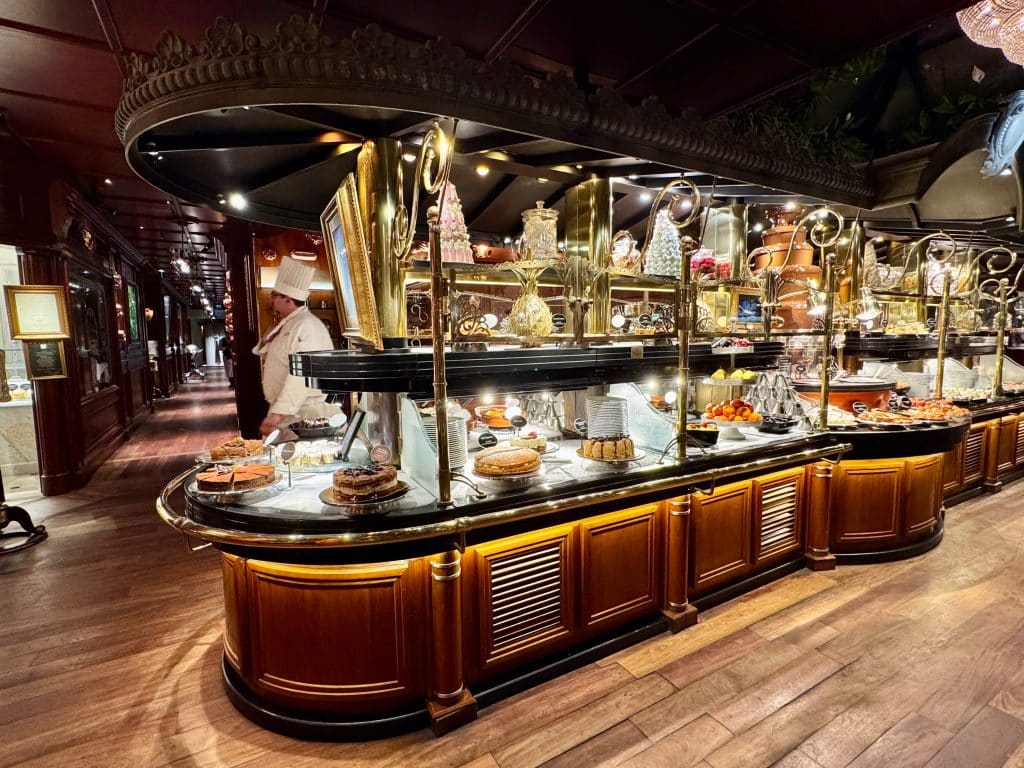
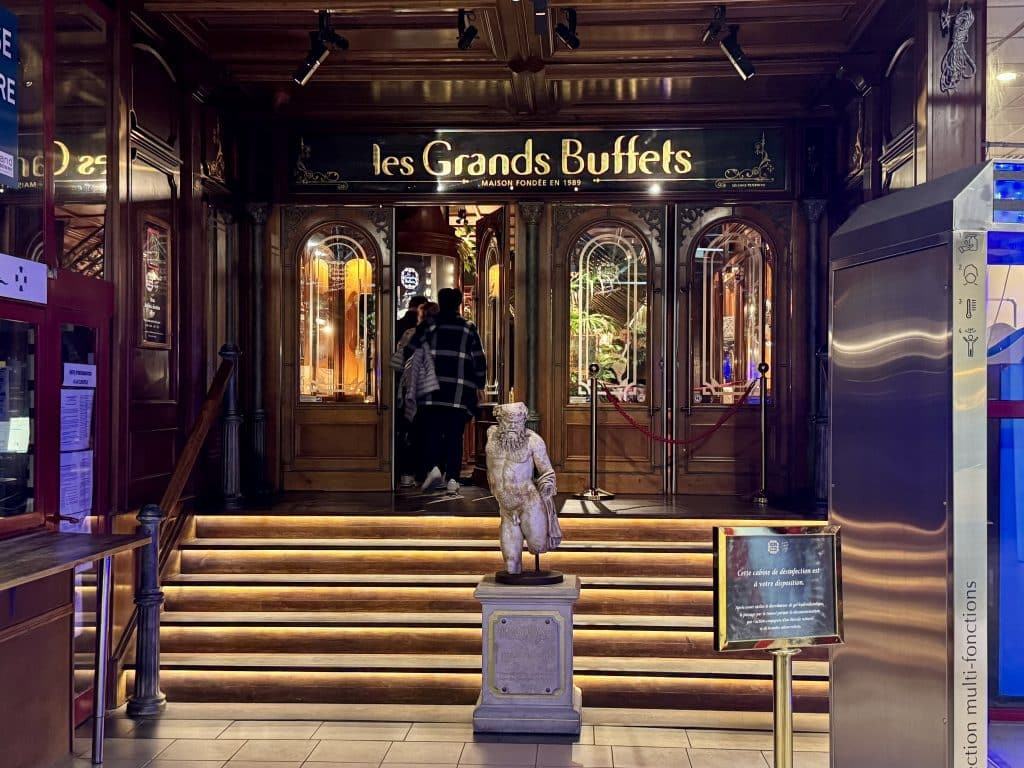
Located in the historic city of Narbonne, France, Les Grands Buffets has evolved from a local dining establishment into a global gastronomic phenomenon, attracting nearly 400,000 visitors annually. Founded in 1989 by Louis Privat and his wife, Jane Privat, the restaurant was initially conceived as a cafeteria for the Espace Liberté sports complex. However, over the past three decades, it has transformed into a bastion of traditional French culinary arts, specifically designed to preserve and celebrate the heritage of Chef Auguste Escoffier. By offering a high-end, all-you-can-eat experience for a fixed price, currently set at 65.90 EUR as of early 2026, Les Grands Buffets challenges the traditional "buffet" stereotype, prioritizing luxury ingredients such as lobster, foie gras, and rare cheeses over the high-volume, low-cost models typical of the industry.
The Philosophical Foundation: Reviving the Escoffier Legacy
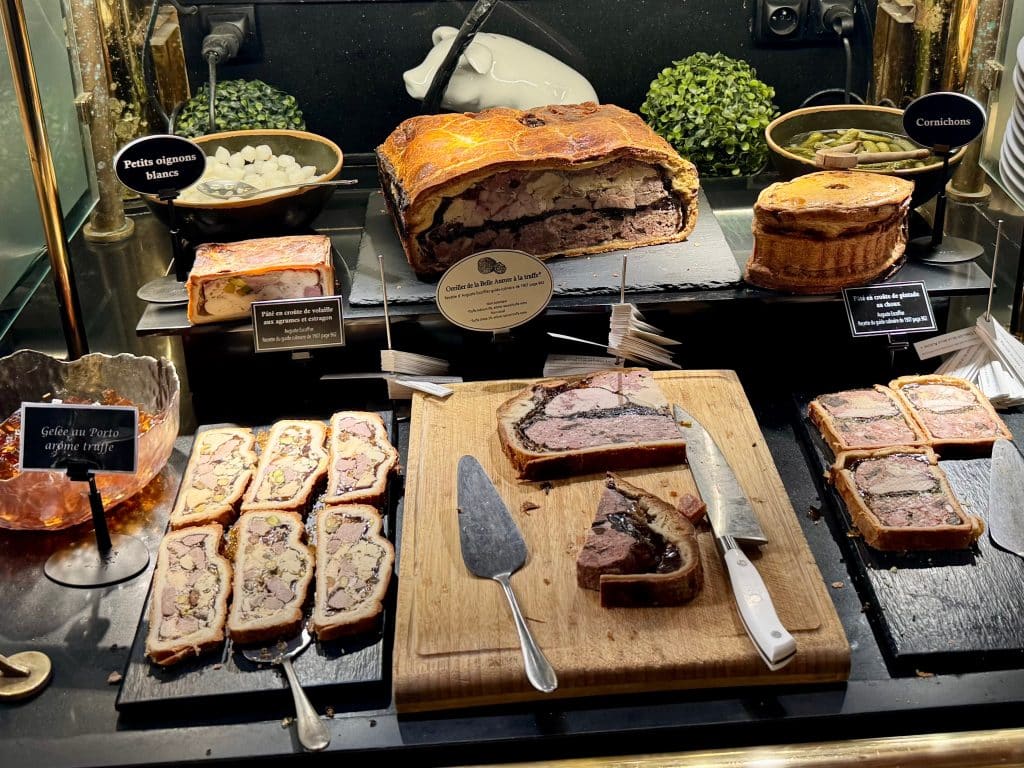
The operational philosophy of Les Grands Buffets is rooted in the "service à la française," a style of dining that was largely replaced by the "service à la russe" (sequential courses) in the 19th century. Louis Privat sought to revive the former, where various dishes are presented simultaneously, allowing diners to curate their own gastronomic journey. This vision is inextricably linked to the work of Auguste Escoffier, the "king of chefs and the chef of kings," whose 1903 masterwork, Le Guide Culinaire, modernized French cuisine and established the kitchen brigade system used in professional restaurants today.
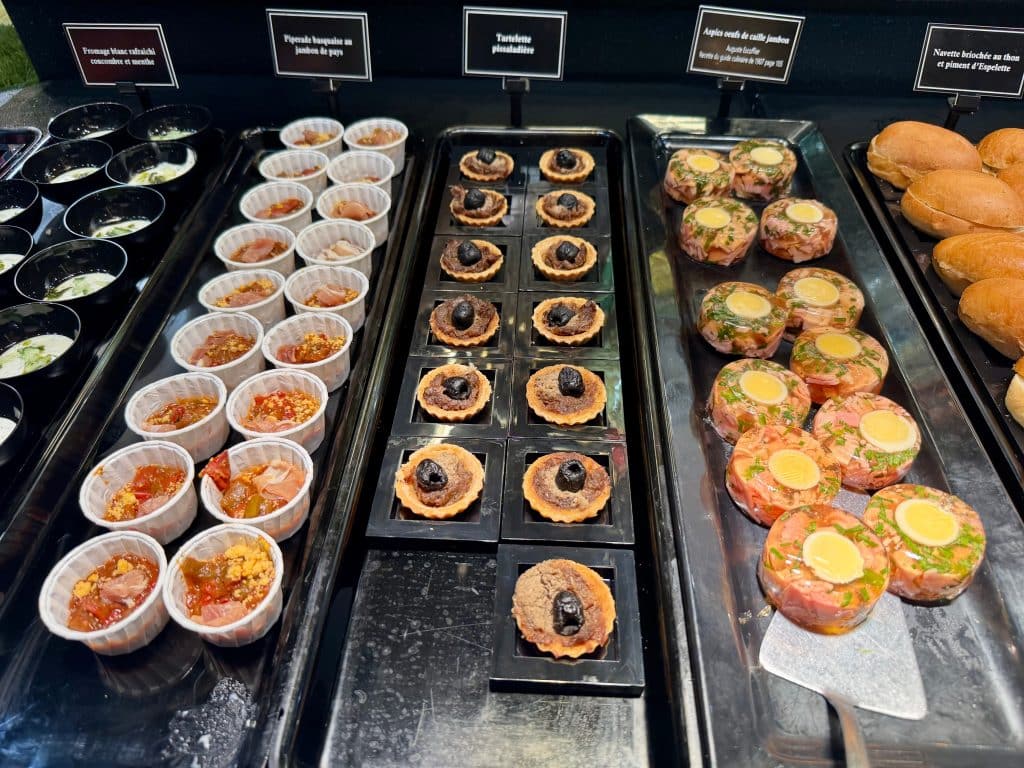
Privat’s mission was driven by a concern that traditional French bistro cuisine—dishes requiring intensive labor and specialized knowledge, such as tripe, frog legs, and snails—was disappearing from the modern culinary landscape. By centralizing these dishes in a grand buffet format, the restaurant provides a sustainable economic model for preserving "low-demand" traditional recipes while maintaining high-quality standards.
Culinary Pillars and Global Recognition
The restaurant is structured around several specialized food stations, each designed to emulate the atmosphere of a high-end market or a professional kitchen.
The World Record Cheese Selection
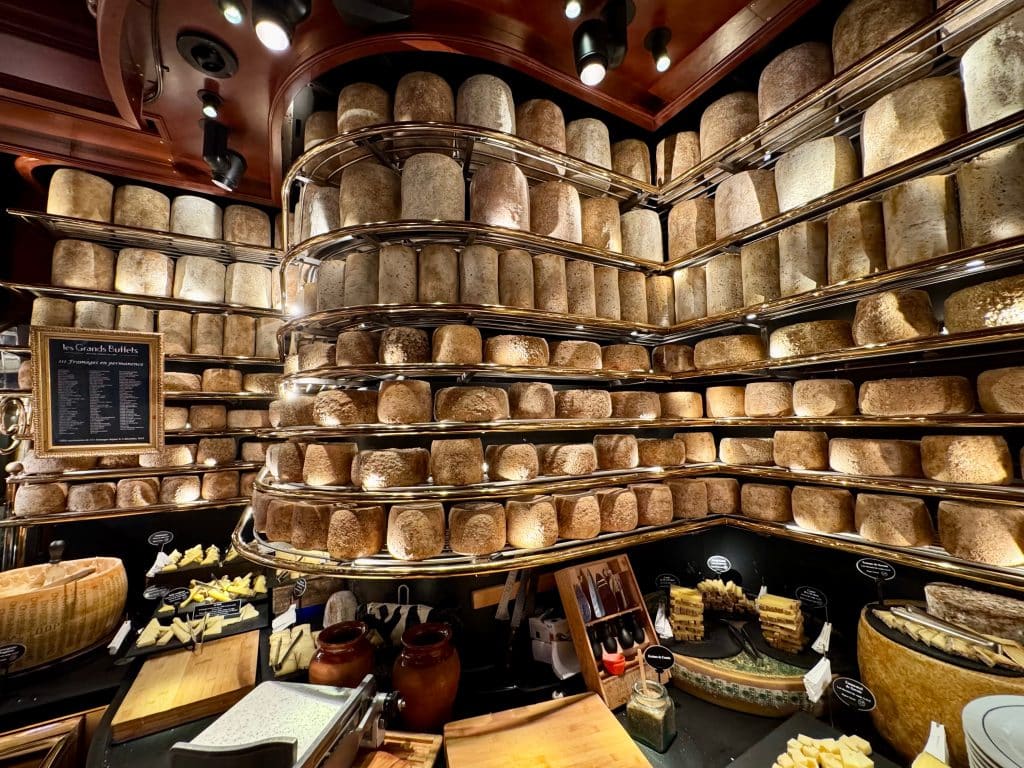
In 2020, Les Grands Buffets officially secured the Guinness World Record for the largest selection of cheeses in a restaurant. The display features 111 varieties, curated with the assistance of Xavier Thuret, a recipient of the Meilleur Ouvrier de France (Best Craftsman of France) title in the cheesemaking category. The selection spans the entire spectrum of French and international dairy production, including truffle-studded Bries, aged hard cheeses, and the Swiss Tête de Moine. The presence of such a vast collection serves as a significant draw for culinary tourists, reinforcing France’s status as the global epicenter of viticulture and cheesemaking.
The Seafood and Foie Gras Buffets
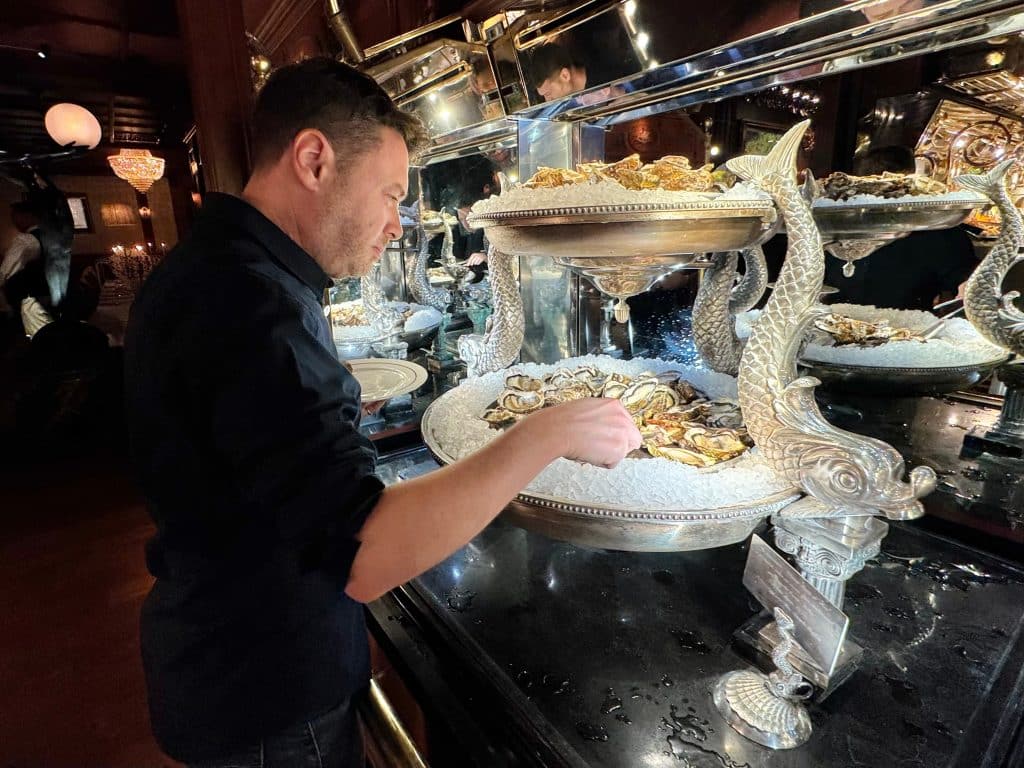
A central feature of the dining room is the "Lobster Tower," a multi-tiered display of both cold and warm Atlantic lobsters. This is complemented by a seafood station offering Étang de Thau oysters, snow crab legs, and various smoked fish. Adjacent to the seafood is the foie gras station, which offers a level of variety rarely seen in single-menu establishments. Diners can select from several preparations, including duck foie gras with Armagnac, truffle-infused varieties, and the highly acclaimed "foie brûlée," a savory-sweet hybrid that mirrors the texture of a crème brûlée.
The Ritual of the Pressed Duck (Canard au Sang)
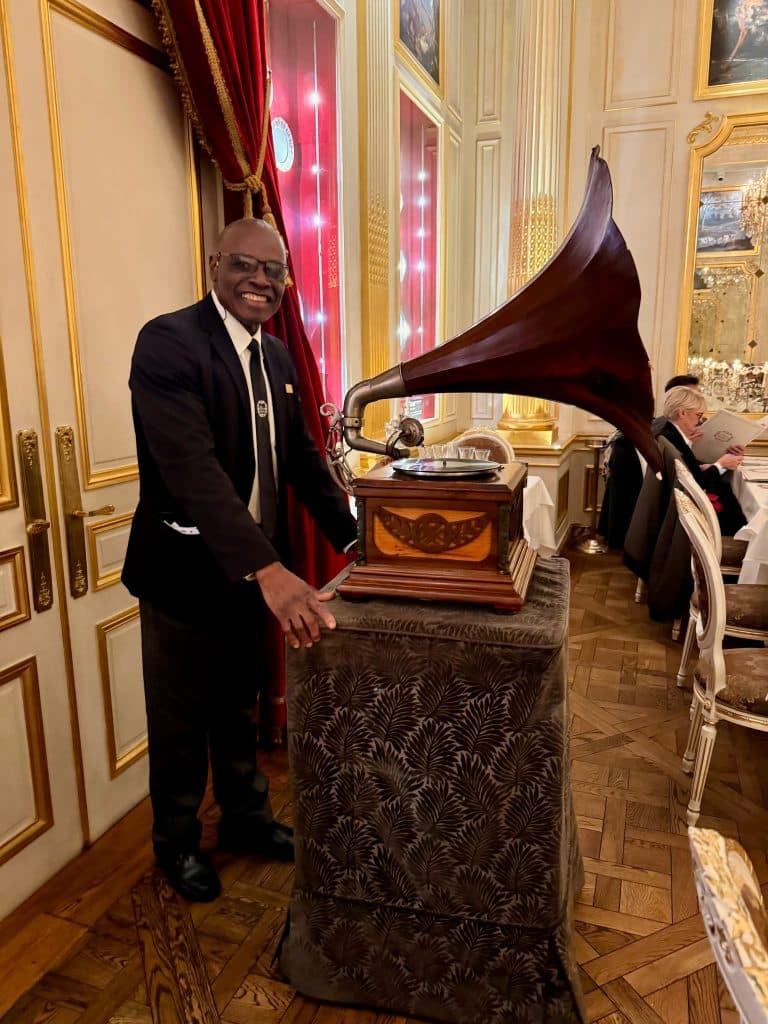
Les Grands Buffets is currently the only restaurant in France to serve canard à la presse (pressed duck) at every service. This rare dish is prepared according to a rigorous ritual originally popularized by the legendary Parisian restaurant La Tour d’Argent. In 2016, Privat purchased a silver duck press at auction for 40,000 EUR to ensure the authenticity of the service. The preparation involves a theatrical ceremony where a roasted duck is carved, and its carcass is pressed to extract juices for a rich blood sauce, often accompanied by the music of Richard Wagner to emphasize the gravitas of the tradition.
Economic Model and Tourism Impact
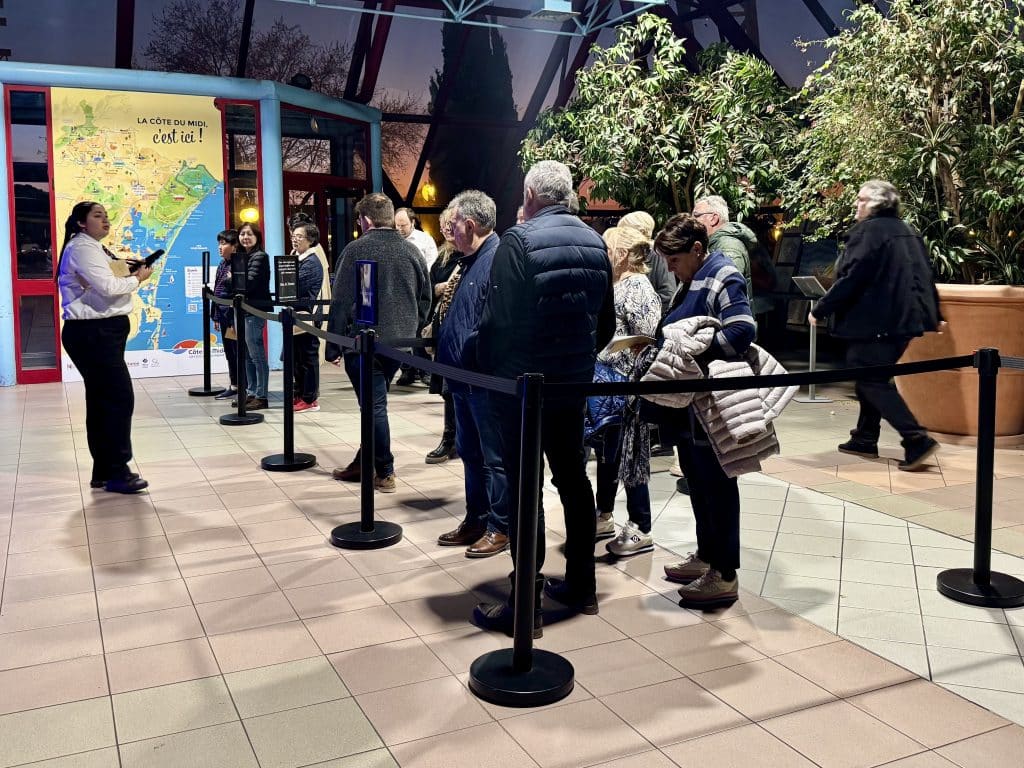
The success of Les Grands Buffets has significant implications for the local economy of Narbonne and the wider Occitanie region. Operating 365 days a year, the restaurant serves as a primary anchor for regional tourism. Data suggests that a substantial percentage of visitors travel to Narbonne specifically to dine at the buffet, subsequently spending money on local accommodation, transportation, and other attractions.
Pricing and Value Proposition
The restaurant’s pricing strategy is a study in high-volume luxury. While 65.90 EUR is a premium price for a buffet, it represents a fraction of what a diner would pay for a multi-course meal featuring comparable quantities of lobster, turbot, and truffles at a traditional fine-dining establishment. To maintain this value, the restaurant manages thin margins on food costs through high occupancy rates and a curated wine list. Notably, Les Grands Buffets offers wine at "producer prices," meaning diners pay the same amount they would at the winery, with the option to purchase bottles to take home at the same rate.
The Scarcity Economy of Reservations
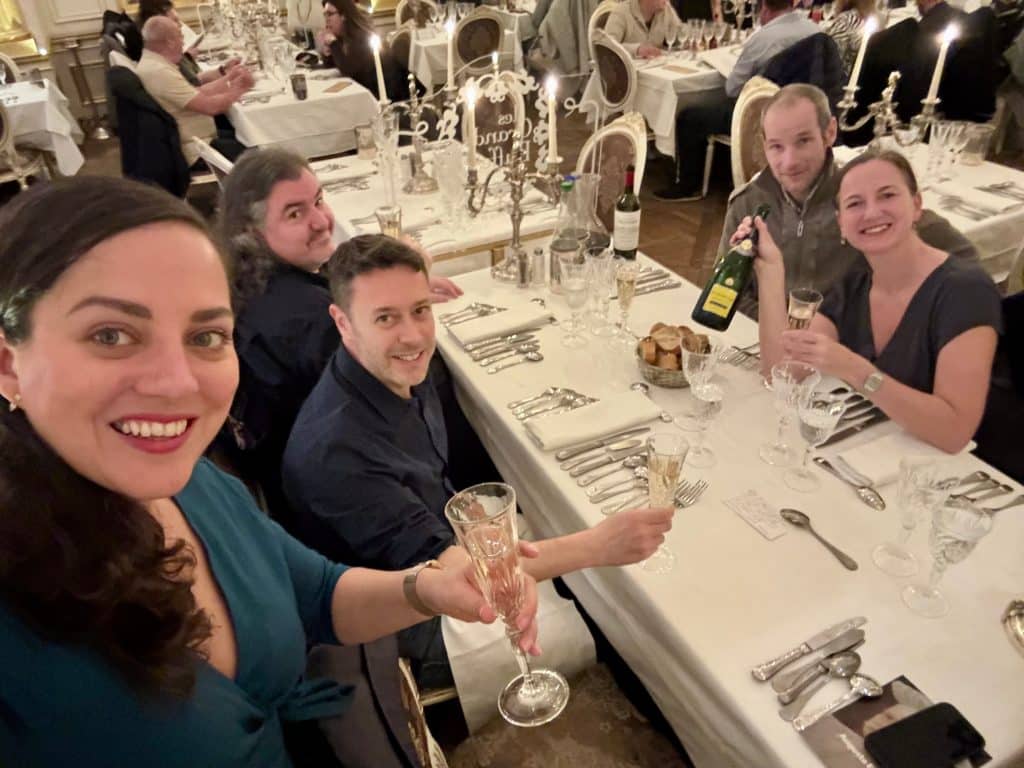
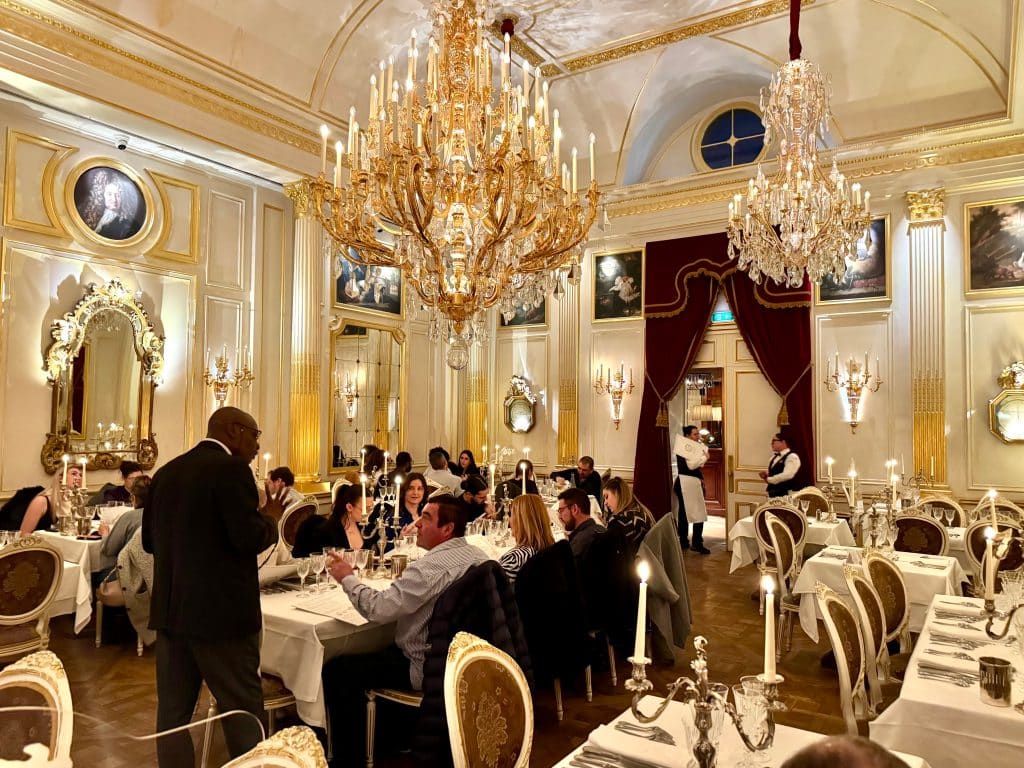
The demand for Les Grands Buffets has created a "scarcity economy." Reservations often fill up six months in advance, particularly for weekends and holiday periods. The restaurant utilizes a sophisticated booking system that allows diners to choose specific dining environments, ranging from the ornate, Baroque-style "Gold Room" (Salon Doré) to the more modern "Max le Verrier" dining room. This tiered environment approach allows the restaurant to accommodate different atmospheres within a single operational framework.
Operational Logistics and Quality Control
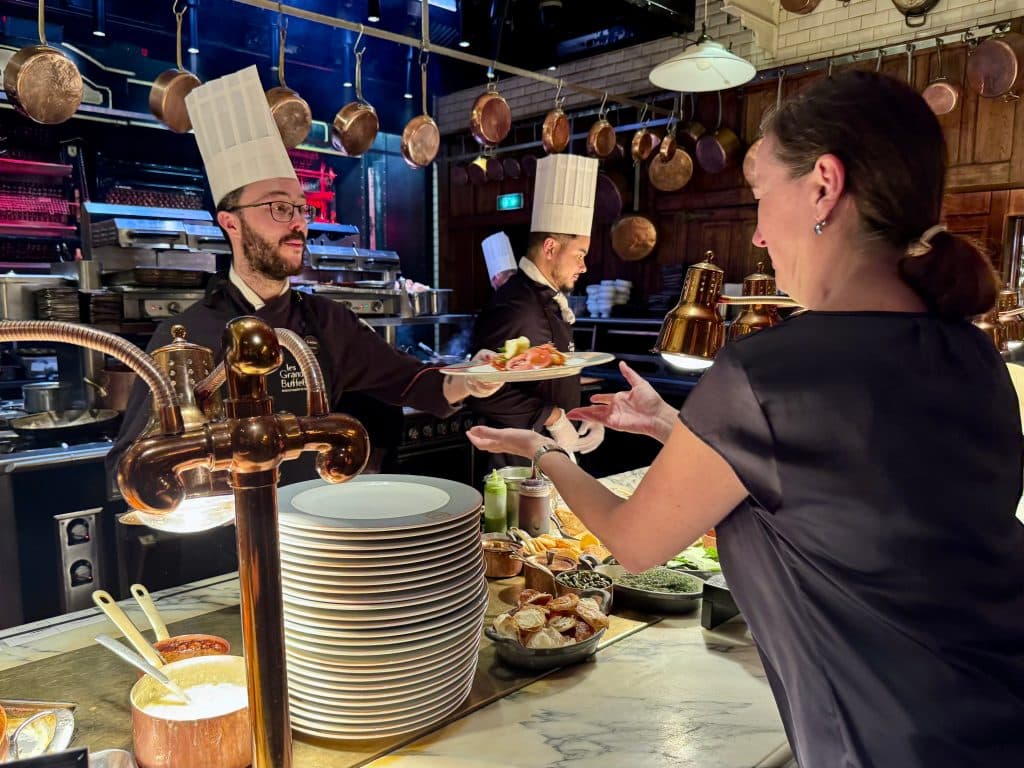
Managing a 400,000-guest-per-year operation requires industrial-scale precision without sacrificing the artisanal quality of French cuisine. The kitchen employs specialized chefs for the rotisserie, carving stations, and pastry sections.
The Pastry and Dessert Wing
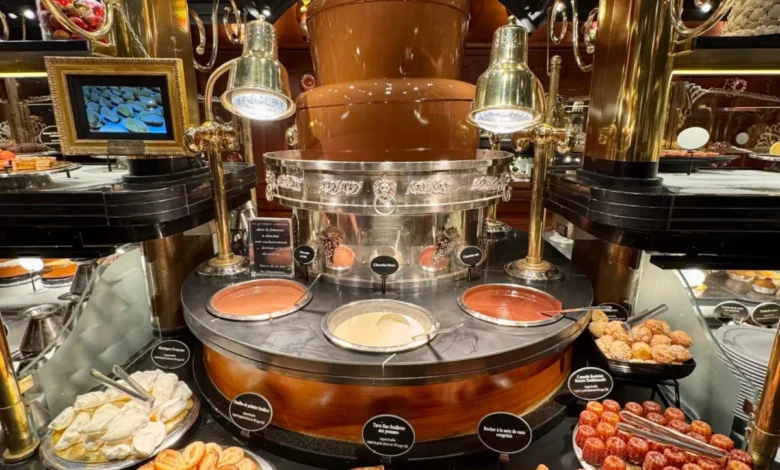
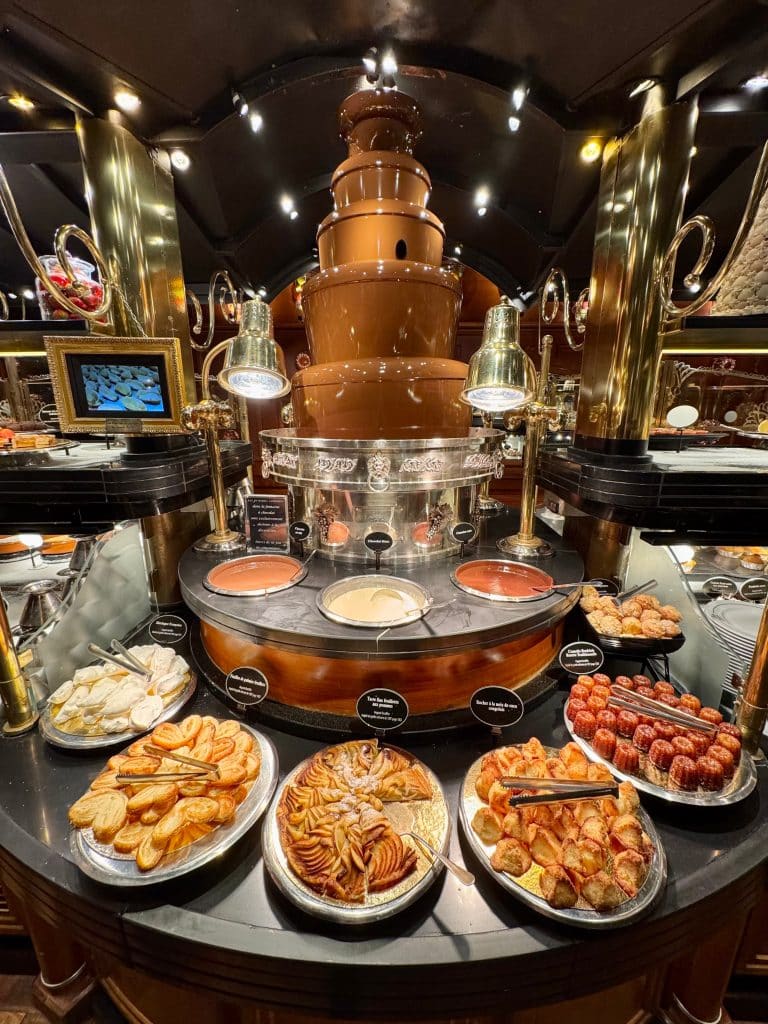
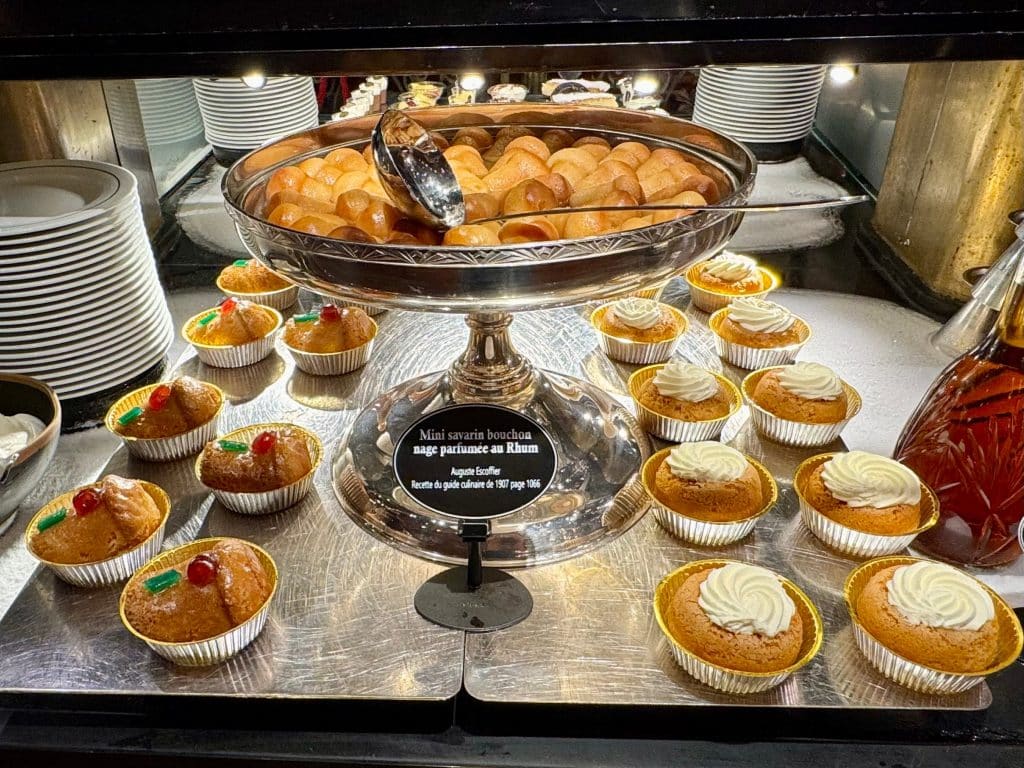
The dessert section is modeled after a classic French pâtisserie, featuring over 50 varieties of cakes and pastries, including Paris-Brest, Black Forest gateau, and Saint-Honoré cake. A chocolate fountain and a "blazed dessert" station—where chefs prepare crêpes suzette and baked Alaska to order—add an interactive element to the dining experience.
Challenges of the All-You-Can-Eat Format
Despite the high standards, the buffet format presents inherent challenges. Maintaining the temperature and texture of delicate items like asparagus or fried pastries over a long service period requires constant rotation. Furthermore, the sheer volume of guests can lead to a boisterous atmosphere that may contrast with the formal decor, a factor the restaurant manages by enforcing a strict dress code (no sportswear or casual shorts) and implementing a structured flow for diner arrivals.
Accessibility and Regional Integration
Narbonne’s location is a strategic asset for Les Grands Buffets. Situated at a rail and highway crossroads, the city is easily accessible from major European hubs:
- Barcelona: 2 hours by direct train.
- Paris: Approximately 4 hours and 30 minutes via TGV.
- Toulouse and Montpellier: Both under 1 hour and 30 minutes.
This connectivity allows the restaurant to tap into both the French domestic market and international tourists flying into Barcelona or Marseille. The "buffet weekend" has become a popular itinerary for travelers, often combined with visits to the medieval citadel of Carcassonne or the Roman ruins of Nîmes.
Conclusion: A Landmark of Gastronomic Preservation
Les Grands Buffets stands as a unique intersection of mass-market hospitality and high-culture preservation. By democratizing access to luxury ingredients and forgotten recipes, Louis Privat has created a model that is both a successful business and a living museum of French culinary history. While the all-you-can-eat format will always have critics who prefer the intimacy of a traditional kitchen, the restaurant’s record-breaking cheese selection and its commitment to the Escoffier legacy ensure its place as a cornerstone of modern European food culture. As it continues to expand its reach and refine its offerings, Les Grands Buffets remains a definitive destination for those seeking to experience the full breadth of the French "Art de Vivre."