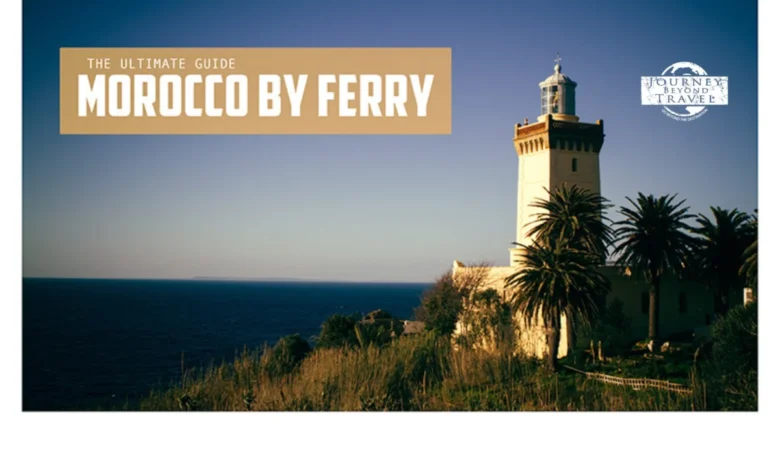
Today, while numerous airlines offer convenient flights into Morocco’s bustling airports, a distinct and often more enriching alternative beckons adventurous travelers: the journey by ferry boat. This maritime passage across the Strait of Gibraltar and beyond offers a unique blend of practicality and experience, setting it apart from conventional air travel. The advantages are manifold: travelers benefit from significantly fewer baggage restrictions, the invaluable option of bringing their own vehicle to explore Morocco’s diverse landscapes at leisure, and the unparalleled scenic beauty of traversing one of the world’s busiest and most historically significant waterways. This comprehensive guide delves into the intricacies of ferry travel to Morocco, providing essential details for those considering this captivating mode of arrival.
Morocco’s Strategic Port Cities and Onward Connectivity
Morocco’s northern coastline is dotted with port cities, serving as crucial maritime gateways linking the African continent to Europe. The primary disembarkation points for most ferries are Tangier Ville, Tangier Med, and Nador. Tangier Ville, located directly within the vibrant city of Tangier, offers immediate access to its historic medina and urban amenities. Tangier Med, a modern, purpose-built commercial port, is situated approximately 30 kilometers east of Tangier and serves as a major hub for both passenger and cargo traffic, particularly favored by those traveling with vehicles due to its efficient infrastructure. Further east, Nador caters to travelers destined for the northeastern regions of Morocco.
Beyond these directly Moroccan ports, the Spanish enclaves of Ceuta and Melilla, situated on the North African coast, also function as highly convenient entry points into Morocco. While not technically Moroccan territory, their proximity makes them integral to the ferry network. From Ceuta, travelers can easily connect to nearby Moroccan cities like Tetouan and Tangier via short taxi rides. Similarly, from Melilla, Nador is the immediate connection point for onward travel.
The strategic location of these ports facilitates relatively quick and easy access to some of Morocco’s most iconic destinations. From Tangier, Tangier Med, and Ceuta, the picturesque blue-walled town of Chefchaouen is a little over two hours away by car, while Tetouan can be reached in approximately 1.5 hours. The nation’s capital, Rabat, lies less than three hours’ drive from these northern ports. For those embarking on longer road trips, the journey extends to Casablanca (around 4 hours), the imperial city of Fez (4.5 hours), or Meknes (4 hours). Travelers arriving in Nador or Melilla, being further east, will experience slightly longer driving times to reach the western imperial cities, though they are ideally positioned for exploring the Rif and Eastern Morocco.
For travelers not bringing a vehicle, Morocco boasts an extensive and efficient network of intercity buses and trains. Major bus companies like CTM and Supratours offer comfortable and reliable services connecting all major towns and cities. The national railway operator, ONCF, provides modern train services, particularly along the Atlantic corridor, linking Tangier to Rabat, Casablanca, and Marrakesh. Upon disembarking in Tangier or Nador, direct access to these public transport options is readily available. From Ceuta, a short taxi ride will take you to Tetouan or Tangier, where bus and train connections can be made. From Melilla, the initial step is typically a transfer to Nador.
A Historical Perspective on Cross-Strait Connectivity
The Strait of Gibraltar, a narrow waterway separating Europe and Africa, has been a critical maritime crossroads for millennia. Historically, it has served as a conduit for trade, cultural exchange, and migration between the two continents. The development of regular ferry services solidified this link, transforming a perilous sea crossing into a routine journey. In the mid-20th century, with the rise of international tourism and increased economic ties, ferry operations expanded significantly, becoming a vital artery for both passenger and commercial traffic.
Over the decades, technological advancements in shipbuilding have led to faster, larger, and more comfortable vessels. The introduction of high-speed catamarans dramatically reduced crossing times, particularly on the shortest routes, while larger conventional ferries offered enhanced amenities, including cabins, restaurants, and duty-free shops, catering to longer voyages. The evolution of port infrastructure, such as the development of Tangier Med, reflects Morocco’s commitment to modernizing its maritime links and handling increasing volumes of traffic. The Strait remains one of the busiest shipping lanes in the world, with ferry traffic playing a crucial role in its daily rhythm.
Key Ferry Routes: Linking Europe to Morocco’s Shores
Every day, a multitude of ferries connect Morocco with three major European countries: Spain, France, and Italy. The choice of route often depends on a traveler’s starting point in Europe, their desired Moroccan destination, and their preferred travel style. Regardless of the chosen path, booking tickets in advance is highly advisable, especially for those traveling with vehicles or during peak seasons. While summer months typically see increased frequency, offering more flexibility for last-minute bookings, the off-season (September to May) demands foresight due to reduced schedules.
From Spain: The Closest Gateway
Spain, being Morocco’s closest European neighbor, offers the most frequent and diverse ferry connections. Departures are available from several Spanish ports, including Tarifa, Algeciras, Barcelona, Malaga, and Almeria. Ferry companies, pricing structures, and route specifics can vary considerably.
-
Tarifa to Tangier Ville: This route is widely regarded as the most direct and convenient for travelers aiming straight for Tangier city center. With a crossing time of just one hour, it deposits passengers within walking distance of the historic medina. Following the departure of FRS from this route in May 2025, Balearia and Africa Morocco Link (AML) have stepped up to ensure it remains well-served, collectively offering between 10 to 14 sailings daily. Average prices range from €30 to €50, making it an economical option.
-
Algeciras to Tangier Med: For those driving into Morocco, the Algeciras-Tangier Med route is often preferred due to its high departure frequency and modern port facilities designed for vehicle processing. The crossing takes approximately 1.5 hours. However, it’s crucial to factor in the 30-45 minute transfer from Tangier Med, a commercial port, to Tangier city center. Major operators on this route include DFDS, Balearia, Naviera Armas, and AML, with over 15 daily sailings. Prices typically range from €40 to €150, varying significantly with vehicle inclusion and cabin choices.
-
Algeciras to Ceuta: Another popular option from Algeciras is the one-hour crossing to Ceuta. This route offers between 15 and 19 daily sailings by Balearia, DFDS, and Naviera Armas. Prices are similar to Tangier Med, from €38 to €150. From Ceuta, onward travel to Moroccan cities like Tetouan or Tangier is easily arranged by taxi or local bus.
-
Malaga to Melilla: Situated further east along the Spanish coast, Malaga offers a longer crossing of approximately 6 hours to Melilla. Balearia operates this route with 7 to 10 weekly sailings, typically one daily. Prices range from €53 to €91. Melilla provides access to Morocco’s eastern regions, with Nador being the immediate connecting point.
-
Almeria to Nador: This route directly links Spain to Morocco’s eastern port of Nador, with crossing times varying from 6 to 9 hours. Balearia and Naviera Armas offer between 7 and 14 weekly sailings. Average fares are between €70 and €90. This route is ideal for those exploring Eastern Morocco or heading towards Fez and Meknes from the east.
-
Barcelona to Tangier Med: For travelers originating from northeastern Spain or further afield in Europe, the Barcelona to Tangier Med route offers a significantly longer journey, ranging from 28 to 36 hours. Grandi Navi Veloci (GNV) operates this route with 2 to 5 weekly sailings. While a longer commitment, it provides a comprehensive onboard experience and the convenience of embarking from a major European city. Prices start from €90, escalating with cabin selection and vehicle transport.
From France: A Longer Maritime Journey
For those starting their journey from France, the port of Sete, near Marseille, serves as the primary departure point. These routes are generally longer, appealing to travelers who enjoy extended time at sea and prefer to avoid the shorter, busier Strait crossings.
-
Sete to Tangier Med: Grandi Navi Veloci (GNV) operates ferries on this route, with crossing times varying from 35 to 48 hours. During high season, there can be up to 4 weekly departures, reducing to roughly one every four days off-season. Prices start from €90, but can exceed €300 for cabins, especially during peak travel periods.
-
Sete to Nador: Also operated by GNV, the Sete to Nador route typically takes between 24 and 29 hours. Similar to the Tangier Med route, frequency can reach up to 4 weekly sailings in high season. Fares also start from €90. These longer voyages offer a cruise-like experience, with onboard amenities designed to make the journey comfortable.
From Italy: The Mediterranean Odyssey
Italy provides the longest ferry connections to Morocco, offering a genuine Mediterranean odyssey. These journeys, often spanning two to three days, are suited for travelers who view the voyage as an integral part of their adventure.
-
Genoa to Tangier Med: Grandi Navi Veloci (GNV) runs 2 to 3 weekly services from Genoa to Tangier Med, with journey durations ranging from 48 to 54 hours. Prices begin around €89, but can soar to over €500 during peak season, particularly for those booking cabins and transporting vehicles.
-
Civitavecchia (Rome) to Tangier Med: As of recent updates, Civitavecchia has emerged as a seasonal link (June to August), offering one weekly sailing to Tangier Med. This route, also operated by GNV, takes approximately 53 to 55 hours. Prices start from €110. The direct Livorno-Tangier service appears to have been discontinued or significantly reduced. These extended voyages allow passengers to relax, enjoy onboard facilities, and gradually transition into the Moroccan experience.
The Ferry Experience: Expectations and Realities
One of the most compelling aspects of ferry travel to Morocco is the freedom it offers: the ability to bring your own vehicle, enabling self-driven exploration across the country, and the absence of stringent airline baggage restrictions. This convenience appeals particularly to families, long-term travelers, and those planning extensive road trips. However, the experience is not universally appealing, and managing expectations is key.
-
Onboard Comfort and Amenities: While shorter routes, particularly from Tarifa, are primarily utilitarian commuter services, longer journeys from Spain, France, and Italy feature larger vessels with a range of amenities. These can include cabins (from basic to luxurious suites), restaurants, cafes, bars, duty-free shops, children’s play areas, and sometimes even swimming pools or cinemas. However, the quality and variety of these services can vary significantly between operators and specific vessels. It’s advisable to check the offerings for your chosen ferry in advance. Wi-Fi, if available, is often an additional cost and can be intermittent.
-
Booking and Documentation: Advance booking is highly recommended, especially if you intend to travel with a car or during peak seasons (summer, holidays). For vehicle transport, you will need your vehicle registration, valid insurance (which may need to be extended for Morocco), and a valid driving license. Passengers typically require a passport valid for at least six months beyond their intended stay. Most Western travelers (including US, UK, and EU passport holders) do not require a visa for stays under 90 days, but it is always prudent to verify specific requirements based on nationality.
-
Port Procedures and Potential Delays: Ferry travel, by its nature, can be subject to delays due to weather conditions, port congestion, or operational issues. While companies strive for punctuality, it’s wise to build in buffer time, especially if you have onward connections. Arrival at the port 1-2 hours before departure is generally recommended, extending to 2-3 hours for those with vehicles during busy periods. The customs and immigration process often occurs onboard during longer crossings or upon disembarkation. Moroccan authorities typically stamp passports at dedicated booths at the port.
-
Cost Considerations: While the perceived flexibility is high, the cost of ferry travel, especially with a vehicle and a cabin, can sometimes rival or even exceed airfare, particularly during peak summer months. Prices are dynamic and depend on the route, operator, booking window, type of vehicle, number of passengers, and cabin choice. Budget travelers should compare costs carefully.
Economic and Environmental Impact
Ferry links are not merely passenger services; they are critical economic arteries. They facilitate trade, transporting goods between Europe and Africa, and support the tourism industry by enabling a significant segment of visitors, particularly those from Europe, to bring their vehicles and undertake extended road trips. This direct access benefits local economies in Morocco, from car rentals to hospitality services in remote areas accessible by car.
Environmentally, ferry travel presents a complex picture. While large vessels consume significant fuel, they can be more energy-efficient per passenger/kilometer than air travel, especially when operating at high capacity. Many ferry companies are investing in modern, more fuel-efficient fleets and exploring alternative fuels and technologies to reduce their carbon footprint. The ability to transport vehicles also reduces the need for car rentals upon arrival, potentially lessening the environmental impact of additional vehicle production and delivery. However, port emissions and waste management remain areas of focus for sustainable practices.
The Future of Ferry Travel to Morocco
The ferry industry connecting Europe and Morocco is continually evolving. Investments in new, larger, and more environmentally friendly vessels are underway. There’s a growing emphasis on digitalizing booking processes and improving the overall passenger experience. Geopolitical and economic factors also play a role, influencing route frequencies and pricing strategies. As Morocco continues to develop its tourism infrastructure and economic ties with Europe, these maritime links will remain indispensable, adapting to new demands and challenges.
Ultimately, the decision to travel to Morocco by ferry hinges on individual travel style and priorities. For those prioritizing the convenience of personal vehicle transport, unrestricted baggage, and the allure of a scenic sea voyage, particularly the short, bustling crossing of the Strait of Gibraltar, ferry travel offers an unparalleled and memorable introduction to the Kingdom of Morocco.
Practical Advice and Frequently Asked Questions
-
Visa Requirements: Most Western travelers (including those from the US, UK, and EU) do not require a visa for tourist stays in Morocco up to 90 days, regardless of entry method. However, it is imperative to check the specific visa requirements for your nationality with the Moroccan embassy or consulate in your country of residence before booking.
-
Bringing a Car: Yes, most ferry operators on these routes are equipped to accommodate vehicles. Essential documents include your vehicle registration (Carte Grise), international driving permit or valid national driving license, and comprehensive insurance that covers Morocco. It is recommended to contact your insurance provider to ensure coverage or to arrange for temporary insurance upon arrival.
-
Tangier Ville vs. Tangier Med: Tangier Ville port is located centrally, offering immediate access to the city and its attractions, ideal for foot passengers. Tangier Med is a large, modern commercial port further from the city, better suited for those driving and prioritizing frequent sailings and efficient vehicle processing. Factor in a 30-45 minute transfer to Tangier city from Tangier Med.
-
Port Arrival Times: Operators typically recommend arriving at the port 1-2 hours before scheduled departure. If you are traveling with a vehicle, especially during peak summer months or holidays, it is advisable to arrive 2-3 hours prior to allow ample time for check-in and security procedures, as ports can experience significant congestion.
-
Onboard Food and Services: Longer ferry journeys from Spain, France, and Italy usually offer a range of dining options, from cafeterias to a la carte restaurants, alongside bars and shops. Shorter routes might have more limited services. It’s wise to bring snacks and drinks, especially for dietary preferences or if traveling with children.
-
Currency and Language: While Euros are widely accepted at Spanish ports, Moroccan Dirhams (MAD) are the local currency in Morocco. ATMs are available at Moroccan ports and major cities. Arabic and Berber are the official languages in Morocco, with French widely spoken, especially in urban and tourist areas. Spanish is also prevalent in the north.
-
Customs Declarations: Be prepared to declare any dutiable goods upon entering Morocco. Regulations regarding alcohol, tobacco, and other items should be reviewed in advance.
-
Seasonality: Travel during the summer months (June-August) typically means higher prices, more frequent sailings, and increased passenger volumes. The shoulder seasons (spring and autumn) often offer pleasant weather, fewer crowds, and potentially better prices. Winter months have fewer sailings and can be subject to rougher seas.
-
Accessibility: Travelers with reduced mobility should contact the ferry operator in advance to inquire about accessibility features onboard and at the ports.
-
Booking Aggregators vs. Direct Booking: While booking aggregators provide a good overview of routes and prices, it is often beneficial to cross-reference or book directly with the ferry operators for the most accurate and up-to-date information, especially regarding vehicle specifications and special offers.
Disclaimer: The routes, frequencies, and prices detailed in this article are accurate as of June 2026 based on available information. However, ferry schedules, operators, and pricing are subject to change due to operational decisions, seasonal demand, and market dynamics. It is strongly advised that travelers verify all details directly with the chosen ferry providers before making travel arrangements. Prices listed are approximate ranges derived from multiple booking aggregators and can fluctuate significantly based on booking window, time of year, and the inclusion of vehicles or cabins. Always confirm directly with the ferry operator for the most current information.
Written by Morocco expert, award-winning author and photographer Lucas Peters. After spending years driving in a combination of rental cars and an old Honda CRV to the distant corners of Morocco, he pens the popular Moon Morocco. He lives in Morocco with his family and these days drives a 2022 Jeep Wrangler 4XE plug-in electric, to and from Europe and all around Morocco.