What to Wear in Morocco: A Comprehensive Guide for Travelers to Navigate Cultural Norms and Climate Realities

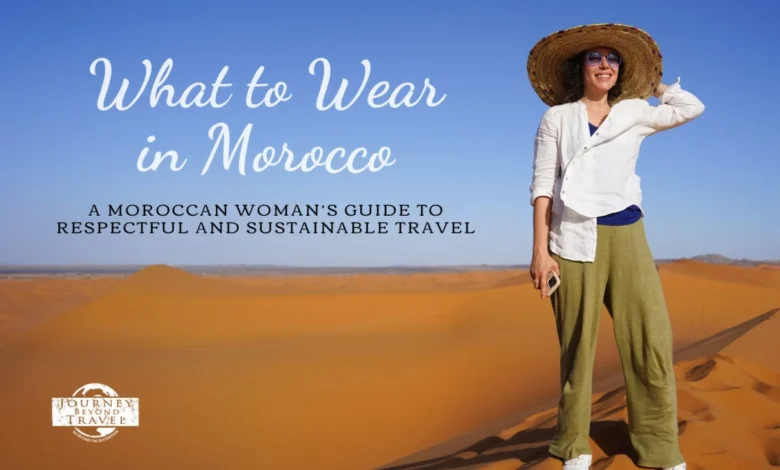
Morocco occupies a unique position at the intersection of North African, Middle Eastern, and Mediterranean influences, creating a complex cultural landscape that often leaves international visitors uncertain regarding appropriate attire. While the Kingdom of Morocco does not enforce a national dress code by law, the country remains a predominantly Muslim society where social expectations regarding modesty are deeply rooted in local tradition. Navigating these norms requires a strategic approach that balances personal comfort with respect for the host culture, particularly as rural and urban environments present differing degrees of social conservatism.
The Evolution of Moroccan Sartorial Norms
Historically, Morocco’s approach to public dress was characterized by a diverse blend of traditional garments, such as the jellaba—a long, hooded tunic—and Western-influenced attire. Over the past three decades, the social fabric has undergone significant shifts. Increased urbanization and the digital era have introduced global fashion trends to major hubs like Casablanca, Marrakesh, and Tangier. Simultaneously, there has been a resurgence in conservative dress among some segments of the population. Sociologists have noted that as tourism has expanded, the public reaction to non-traditional dress has become more varied, with reports of verbal harassment or catcalling increasing in certain areas. Consequently, many travelers and locals alike have gravitated toward more modest clothing choices as a pragmatic measure to minimize unwanted attention and foster a more seamless integration into local daily life.
Climate and Seasonal Packing Strategy
Morocco’s geographical diversity—ranging from the high-altitude Atlas Mountains and the arid Sahara Desert to the temperate Atlantic and Mediterranean coastlines—requires a versatile wardrobe. Climate patterns have become increasingly volatile due to global environmental shifts, making flexible layering essential.

Spring (March–May): This season is widely considered the optimal window for travel. Daytime temperatures are generally temperate, though regional variations are significant. Northern cities like Chefchaouen may experience cool, damp conditions averaging 55°F, while southern desert regions can fluctuate rapidly. Travelers are advised to pack light, breathable natural fabrics like cotton and linen, supplemented by a medium-weight layer for evenings.
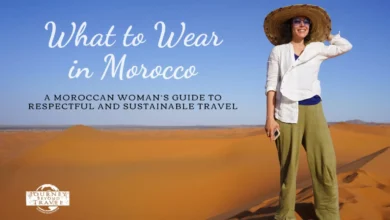
Summer (June–August): The summer months are characterized by extreme heat, particularly in the interior. Marrakesh and the Sahara often see temperatures exceeding 100°F to 110°F. During this period, the primary objective of clothing is sun protection and thermal regulation. Loose-fitting, light-colored garments are essential to reflect solar radiation. While coastal cities such as Essaouira maintain a milder climate due to maritime breezes, the interior requires rigorous attention to sun-safe attire, including wide-brimmed hats and lightweight long sleeves.
Fall (September–November): As the heat subsides, autumn offers a stable climate ideal for exploration. Daytime temperatures typically hover between 70°F and 90°F. This period is suitable for lighter clothing during the day, with the addition of heavier layers as temperatures dip during the night.
Winter (December–February): Winter brings significant regional cooling. Coastal cities remain mild, but the Atlas Mountains experience frequent snowfall, and desert nights can approach freezing. Essential items for this season include high-quality wool blends, thermal base layers, and durable, water-resistant outerwear for the northern regions.

Cultural Guidelines for Modesty
For female travelers, the consensus among cultural experts and local guides is that while strict adherence to a specific dress code is not mandatory, modesty is a gesture of cultural respect. A standard approach involves keeping the shoulders, chest, and knees covered.
- Tops: Loose-fitting blouses or shirts that cover the shoulders are recommended. Spaghetti straps and deep-plunging necklines are generally discouraged, especially in rural areas or during visits to religious sites.
- Bottoms: Midi or maxi skirts, as well as wide-leg trousers, are highly recommended for their combination of comfort, breathability, and modesty. Denim is acceptable but can be uncomfortable in the extreme heat of the spring and summer.
- The Role of the Scarf: A lightweight scarf remains the most versatile accessory for travelers in Morocco. It serves multiple functions: as a protective shield against the intense desert sun, as a garment to cover the head or shoulders when entering conservative environments, and as an extra layer during chilly desert nights.
It is important to note that male travelers are not subject to the same social scrutiny as women; however, dressing with casual dignity—avoiding overly athletic or beach-specific clothing in urban medinas—is recommended to maintain a professional and respectful demeanor.
Footwear and Practical Considerations
The architecture of historic medinas, characterized by uneven cobblestones and narrow alleyways, makes footwear selection critical. Durable, closed-toe walking shoes are advisable for city exploration to prevent injury and protect against dust. In the desert, sturdy footwear is necessary for trekking, while sandals are acceptable for casual resort or beach settings.
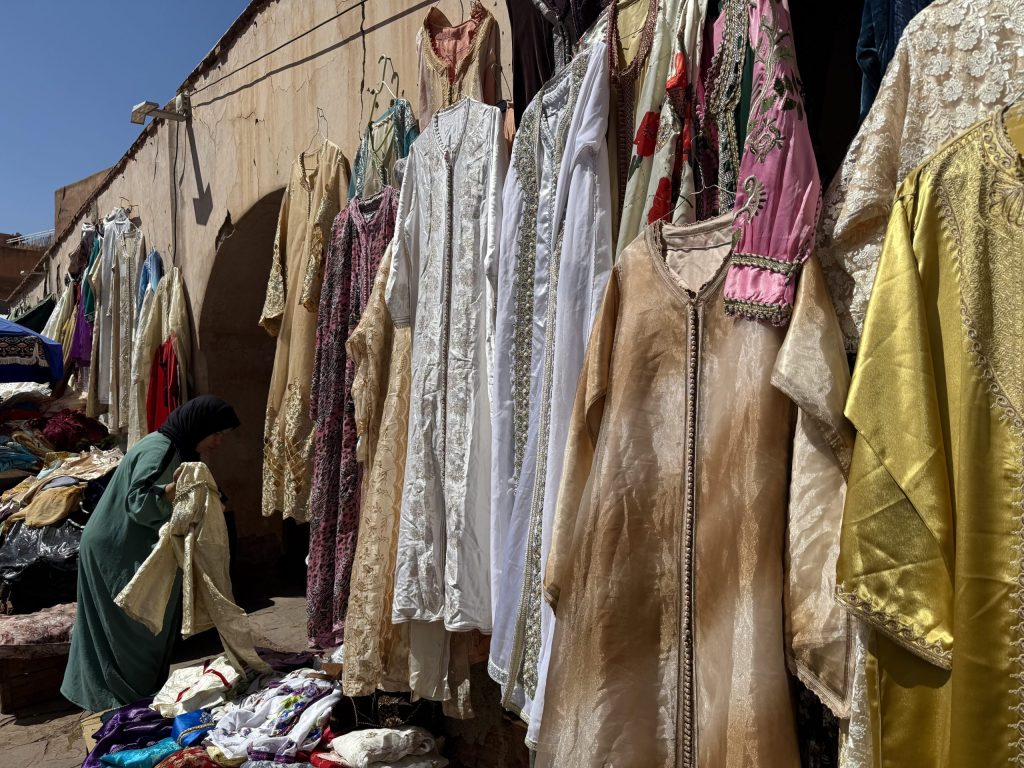
For travelers interested in supporting the local economy, Morocco’s artisan sector offers high-quality, handcrafted options. Raffia shoes, traditionally made in the southern regions, provide a breathable and stylish alternative to mass-produced footwear. Purchasing from local cooperatives not only ensures a unique product but also contributes to the preservation of indigenous craft techniques.
Sustainable Consumption and Ethical Shopping
Morocco possesses a robust tradition of artisanal craftsmanship. Engaging with the local economy is encouraged as a means of sustainable travel. Cities such as Fez, Marrakesh, and Tangier host numerous independent boutiques and workshops where one can purchase ethically produced garments.
- Marrakesh: Ethical brands such as Chabi Chic and the Hanout Boutique prioritize local labor and traditional design, offering a modern interpretation of Moroccan aesthetics.
- Tangier: Concept stores like Las Chicas and the Kasbah Collective serve as hubs for locally sourced accessories and designer apparel.
- Essaouira: This coastal city is noted for its high-quality raffia work, with local artisans offering custom-made shoes and bags that exemplify the blend of tradition and contemporary function.
The Role of Modernity and Tourism
While the aforementioned guidelines are intended to assist in cross-cultural navigation, it is vital to recognize that Morocco is a modern, evolving state. In tourist-heavy zones and major urban centers, there is a visible spectrum of dress. Younger generations of Moroccans frequently blend traditional garments with contemporary global fashion.
The ultimate goal of any packing strategy for Morocco should be the "Three C’s": Comfort, Climate, and Customs. By prioritizing breathable materials, layering for shifting temperatures, and maintaining an awareness of local social boundaries, travelers can ensure a respectful and immersive experience. Furthermore, by opting for natural fibers and supporting local artisans, visitors can mitigate the environmental footprint of their travel while fostering a positive impact on the communities they visit.
Final Travel Recommendations
Travelers should verify dress codes for specific upscale dining establishments or private events, as these may require more formal attire. For those planning to visit religious sites, it is advisable to carry a shawl to cover exposed skin if necessary. By approaching the packing process with a commitment to cultural intelligence, visitors to Morocco can move through the country with ease, ensuring that their presence is seen as both respectful and appreciative of the rich heritage of the Kingdom. Whether traversing the rugged peaks of the Atlas or navigating the vibrant souks of the historic cities, a well-considered wardrobe will undoubtedly enhance the overall quality of the travel experience.
Related posts: