As the autumnal season shifts toward the October 31 holiday, the hospitality industry across the United States has increasingly embraced the tradition of thematic mixology. For travelers and home enthusiasts alike, the intersection of regional culture, folklore, and craft spirits has produced a sophisticated array of Halloween-inspired libations. These recipes, sourced from iconic establishments ranging from Nevada resorts to historic inns in Pennsylvania, reflect a growing trend in the culinary arts: using beverage programs to evoke narrative, history, and seasonal atmosphere.
The evolution of the seasonal cocktail menu has transitioned from simple modifications of existing recipes to elaborate, multisensory experiences. Modern mixologists are now utilizing molecular techniques, historical storytelling, and regional ingredients to create drinks that serve as centerpieces for fall celebrations.
Thematic Mixology: The Role of Narrative in Hospitality
The integration of pop culture and regional folklore into cocktail menus provides a unique value proposition for high-end hospitality venues. By aligning a beverage with a specific theme—such as the pirate lore of The Goonies or the literary legacy of The Legend of Sleepy Hollow—establishments create a more immersive experience for their clientele.

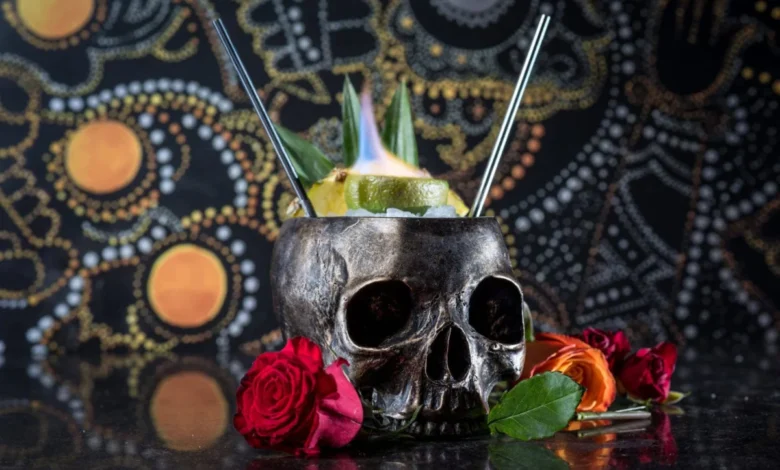
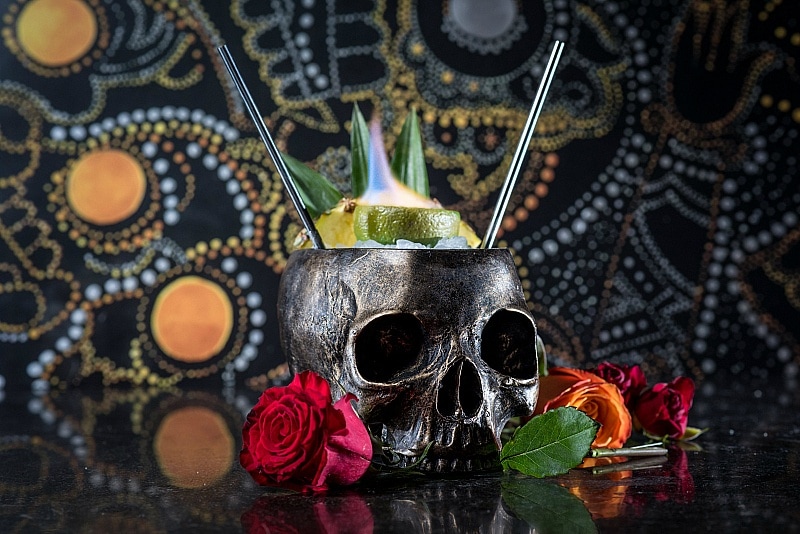
At the Borracha Mexican Cantina, located within the Green Valley Ranch Resort & Spa in Henderson, Nevada, the "One-Eyed Willy" cocktail serves as a primary example of this narrative approach. The drink is designed to complement the bar’s established Day of the Dead aesthetic. The recipe calls for a vigorous shake of spirits and mixers, strained into a skull-shaped glass over crushed ice. To complete the presentation, the drink is garnished with a pineapple slice and a hollowed-out lime half containing 151-proof rum, which is ignited at the table. This theatrical element, while common in high-end mixology, serves a functional purpose by emphasizing the "spooky" theme through sensory engagement.
Historical Context and Regional Flavor Profiles
In Santa Fe, New Mexico, the approach to Halloween mixology is deeply rooted in the city’s historical identity as a significant hub for the tequila trade. Historically, Santa Fe served as the primary destination for tequila imported via the El Camino Real trail from Mexico. Recognizing this, the Coyote Cafe developed the "Spiked Tootsie" cocktail, which uses local tequila as a base to celebrate the region’s historical connection to the spirit. The drink’s layering technique—carefully pouring orange juice over the back of a spoon to sit atop a coffee liqueur—mimics the aesthetic of a candy-themed treat, grounding a festive concept in a geographically relevant history.

Similarly, the Sage Hotel’s Social Kitchen + Bar in Santa Fe utilizes the "Candy Corn Martini" to bridge the gap between childhood nostalgia and adult-oriented beverage programs. By utilizing a tri-colored layering system (grenadine for the base, a vodka and pineapple mixture for the center, and whipped cream for the top), the establishment successfully translates the visual identity of a classic American candy into a sophisticated, adult beverage.
Technical Innovations in Seasonal Drink Design
The "Sleepy Hollow" cocktail, developed by Head Bartender Marti Cassinerio at the Local Chop and Grill House in Harrisonburg, Virginia, demonstrates how technical precision can be applied to seasonal themes. Named for the Washington Irving legend of the Headless Horseman, the drink emphasizes the use of locally sourced ingredients.

The preparation of this cocktail involves a two-stage shaking process to build a stable foam, followed by a unique finishing technique. Using a cocktail atomizer, the bartender sprays Angostura bitters through a leaf-shaped stencil placed over the foam. This process represents a sophisticated application of stencil art in mixology, allowing for intricate, repeatable designs that elevate the cocktail’s visual appeal while maintaining the integrity of the flavor profile.
The Rise of Specialty Ingredients and Seasonal Sourcing
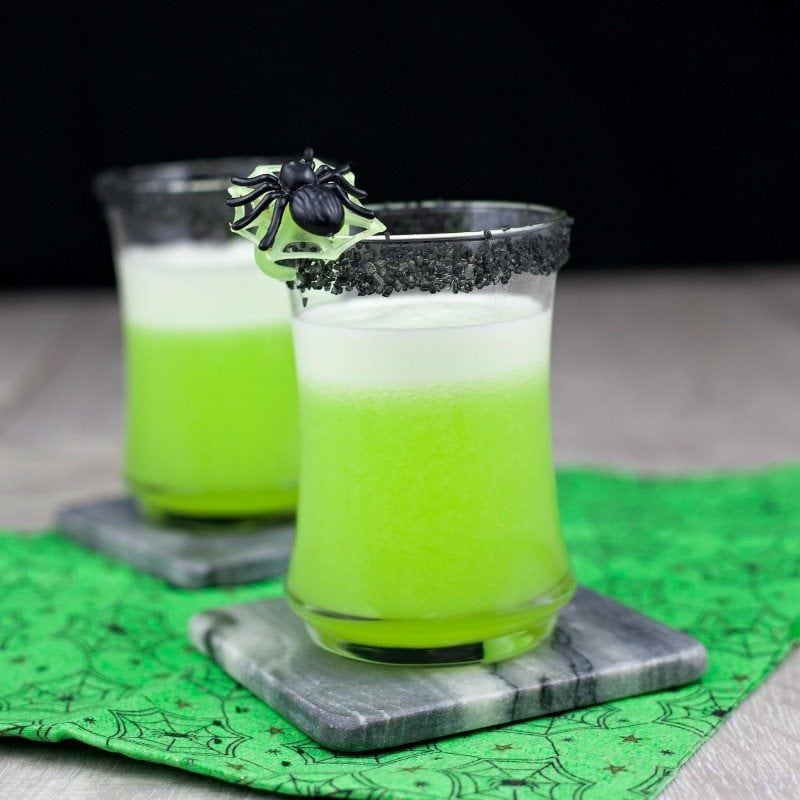
In Chicago, Illinois, the Dell Cove Spice Co. has leaned into the "spooky" aesthetic with the "Midori Lemon Gin Fizz." The cocktail utilizes an "alien green" color palette derived from melon liqueur, contrasted by a black salted rim. The addition of a plastic spider ring—a staple of childhood Halloween celebrations—serves as an ironic garnish, appealing to the consumer’s sense of humor.

In Ann Arbor, Michigan, the "Maple Trea" cocktail at Zingerman’s Roadhouse illustrates the importance of regional supply chains. By sourcing maple syrup from Snow’s Sugarbush in nearby Mason, the establishment emphasizes the connection between the local terroir and the final product. The use of Scotch as a base liquor provides a smoky profile, intended to evoke the scent of burning leaves—a sensory association commonly linked to the autumn season in the Midwest.
Economic and Cultural Implications
The rise of these seasonal menus has significant implications for the hospitality industry. Data from industry analysts suggests that limited-time offerings (LTOs) increase customer engagement and social media visibility. When a cocktail is designed with a "shareable" aesthetic—such as the flamed lime of the One-Eyed Willy or the stenciled foam of the Sleepy Hollow—it becomes a marketing asset for the venue.
Furthermore, the emphasis on local sourcing, as seen in the Gettysburg Hotel’s use of local hard apple cider in their "Cider Sangria," strengthens the connection between the hotel and the local agricultural community. This practice of regional sourcing is a growing trend, as consumers demonstrate an increasing preference for transparency and local economic support in their dining choices.
A Chronology of Fall Mixology Trends
The shift toward these complex seasonal offerings has occurred in several distinct phases:

- 2010–2015: The Rise of Craft Cocktails: The foundational movement toward artisanal spirits and fresh ingredients laid the groundwork for complex seasonal recipes.
- 2016–2020: The Immersive Experience: Establishments began focusing on the "story" behind the drink, incorporating folklore and regional history into menu descriptions.
- 2021–Present: Technical Sophistication: A focus on molecular techniques, customized garnishes (stencils, atomizers), and elevated presentation has become standard for high-end cocktail programs.
Standardized Preparation Guidelines for Home Enthusiasts
For those looking to recreate these experiences at home, adherence to standard bartending techniques is essential to achieving the intended results.
- Proper Chilling: The use of high-quality ice is non-negotiable. Whether shaking or stirring, the temperature must be controlled to prevent excessive dilution.
- Layering: As demonstrated in the Candy Corn Martini and the Spiked Tootsie, patience and the use of an inverted spoon are required to maintain distinct layers.
- Garnishing: A garnish should be functional, contributing to the drink’s aroma or aesthetic. The use of stencils and atomizers requires practice, but provides a professional-grade finish to foam-based cocktails.
Conclusion
The evolution of the Halloween cocktail from a simple novelty to a sophisticated culinary expression highlights the broader trend of experience-driven hospitality. Whether through the use of local ingredients like Michigan maple syrup or the historical narrative of Santa Fe’s tequila trade, these cocktails provide a bridge between the consumer and the destination. As the industry continues to innovate, the intersection of seasonal traditions and high-level mixology will remain a vital component of the modern hospitality landscape. By balancing technical skill with creative storytelling, bartenders across the United States continue to define the standard for seasonal celebration.