Beyond the Neon: Why 75 Percent of Hong Kong’s Landmass is a Hidden Haven for Global Hikers

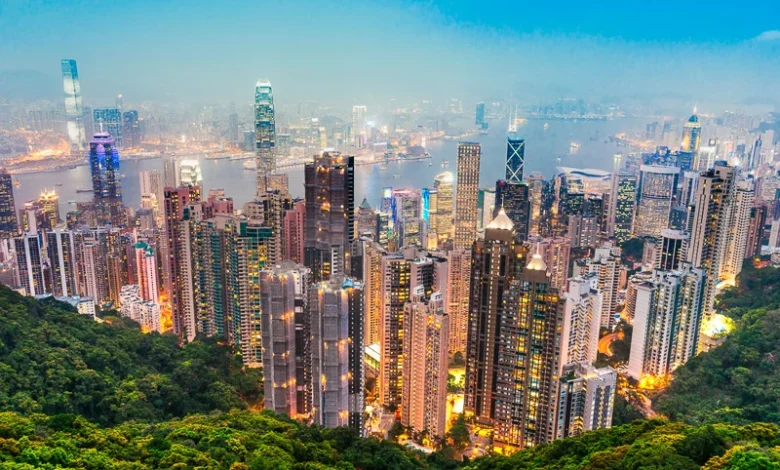
When international travelers picture Hong Kong, the mental imagery is almost universally urban: dense clusters of towering glass-and-steel skyscrapers, flashing neon signage illuminating bustling night markets, and steaming bamboo baskets of dim sum served in crowded teahouses. Yet, this dynamic metropolis holds a surprising geographic reality that often escapes first-time visitors. Approximately 75 percent of Hong Kong’s total 1,108 square kilometers of land is actually open countryside, comprising protected country parks, tranquil outlying islands, rugged mountain peaks, and pristine coastal beaches.

Far from being a mere concrete jungle, the Special Administrative Region (SAR) boasts a sophisticated network of over 520 distinct hiking trails distributed across more than 200 offshore islands and 330 hills. For outdoor enthusiasts and local residents alike, hiking has evolved into a premier pastime, offering an unexpected sanctuary of biodiversity and geographical diversity just minutes away from one of the world’s most hyper-dense financial hubs.

The Evolution of Hong Kong’s Country Parks
The preservation of Hong Kong’s vast green spaces is rooted in deliberate urban planning and conservation efforts that date back to the late 1970s. Recognizing the rapid expansion of urban developments and the pressure on land resources, the colonial government enacted the Country Parks Ordinance in 1976. This legislation formally established a system of protected areas designed to safeguard the region’s ecological integrity, water catchment areas, and recreational landscapes.

Today, these country parks and special areas cover nearly 40 percent of the territory’s total land area. Managed by the Agriculture, Fisheries and Conservation Department (AFCD), the trail infrastructure is meticulously maintained, ranging from paved family-friendly nature walks to grueling multi-day long-distance routes like the 100-kilometer MacLehose Trail and the 81-kilometer Wilson Trail. This deliberate balance between hyper-modern urbanization and protected wilderness has transformed Hong Kong into a globally recognized destination for ecotourism and urban hiking.
A Spectrum of Trails: From Urban Panoramas to Remote Wilderness
Hong Kong’s diverse topography allows for an immense variety of hiking experiences, categorized broadly by difficulty, terrain, and regional setting. Urban-adjacent walks provide immediate access to sweeping metropolitan vistas, while remote outlying islands offer glimpses into traditional village life, geological wonders, and untouched ecosystems.

Beginner and Family-Friendly Routes
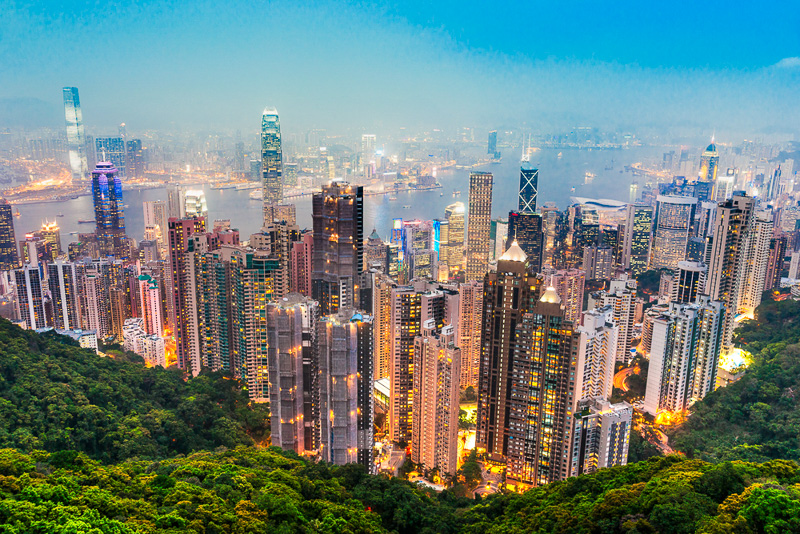
For travelers seeking accessibility without sacrificing scenery, routes such as the Dragon’s Back Trail on Hong Kong Island and the Victoria Peak Loop offer gentle terrain and iconic backdrops. The Dragon’s Back, famously lauded by international media as one of Asia’s finest urban hikes, traverses a ridge resembling a mythical creature’s spine, culminating in coastal views of the South China Sea before descending to Shek O Beach. Similarly, the Victoria Peak Loop provides a paved, low-elevation circuit around the highest point on Hong Kong Island, delivering panoramic perspectives of Victoria Harbour and the Kowloon peninsula suitable even for casual strollers.

In the New Territories, the 10,000 Buddha Monastery (Man Fat Sze) in Sha Tin combines cultural exploration with a manageable incline. Visitors ascend a steep stone staircase lined by hundreds of golden, uniquely expressive Buddha statues, navigating through shaded woodland inhabited by local wildlife before reaching a sprawling mountaintop temple complex.

Island Escapes and Cultural Heritage
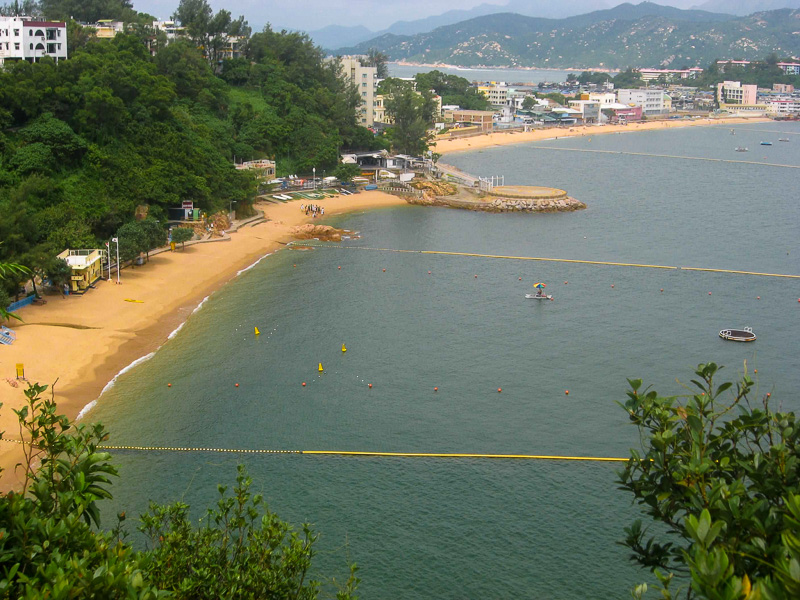
Venture beyond the urban core, and Hong Kong’s outlying islands reveal a slower, historically rich pace of life. Cheung Chau, located a 40-minute ferry ride from Central, enforces a strict ban on motorized vehicles, relying instead on bicycles and foot traffic. The island’s Mini Great Wall trail winds along the rugged southern coastline, offering dramatic rock formations and secluded ocean lookouts.
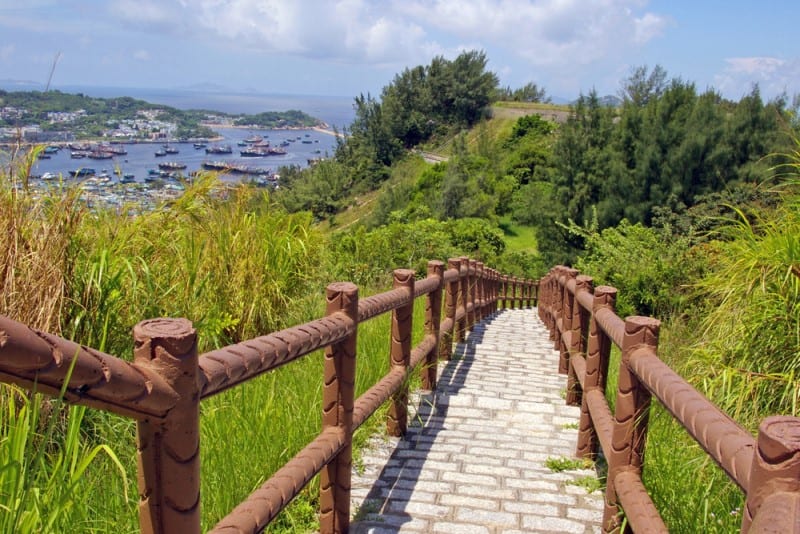
Further west, Lantau Island serves as a major hub for advanced and intermediate trekking. Section 7 of the Lantau Trail connects the historic fishing village of Tai O—famous for its traditional stilt houses and resident populations of Chinese White Dolphins—with Kau Ling Chung. This coastal route exposes hikers to dense secondary forests, abandoned salt fields, and remnants of traditional terraced farming in Yi O.
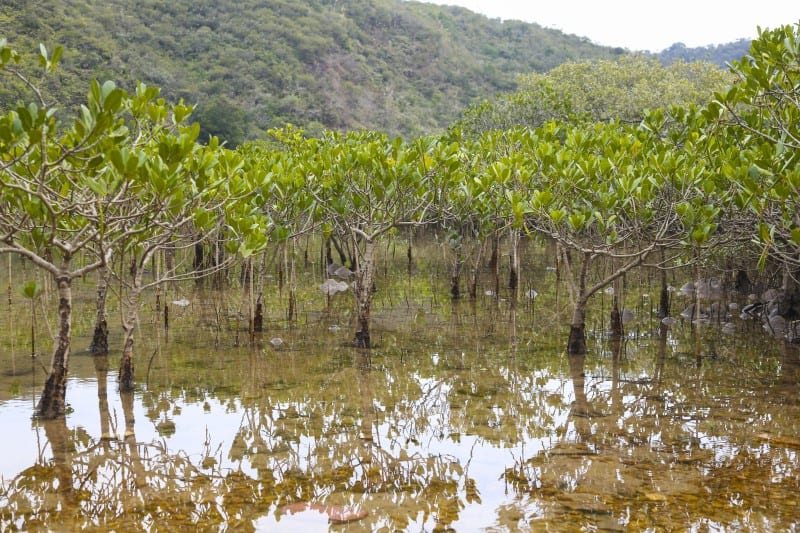
For those seeking deep historical context, the northeastern New Territories offer routes such as the trek from Wu Kau Tang to Lai Chi Wo. Lai Chi Wo is a centuries-old Hakka walled village surrounded by well-preserved fung shui woods and expansive coastal mangrove systems, highlighting the region’s agricultural past before it was largely depopulated during twentieth-century urbanization.
Geological Wonders and Advanced Ridges
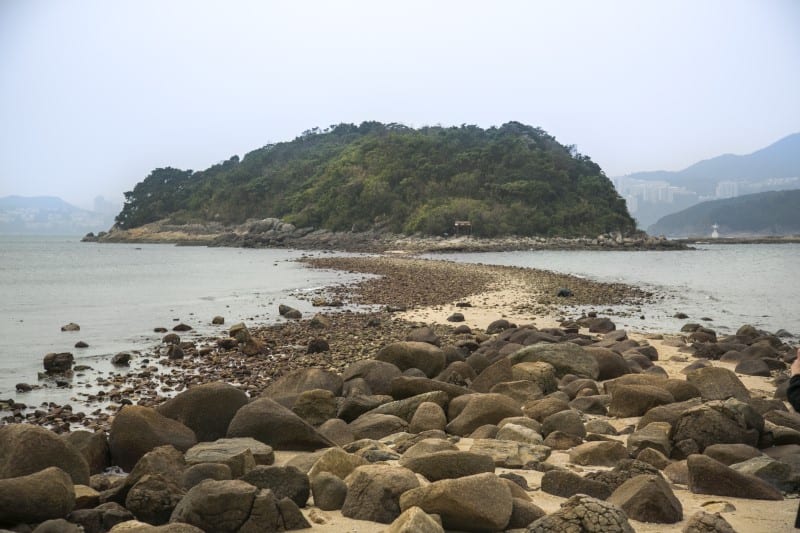
Hong Kong’s inclusion in the UNESCO Global Geopark network underscores its unique volcanic history. Regions like Sai Kung feature ancient caldera remnants, hexagonal volcanic rock columns, and coastal geological formations. Sharp Island offers hikers the chance to cross a natural tombolo—a sandbar connecting the main island to the islet of Kiu Tau—at low tide, revealing millions of years of tidal and mineral history.

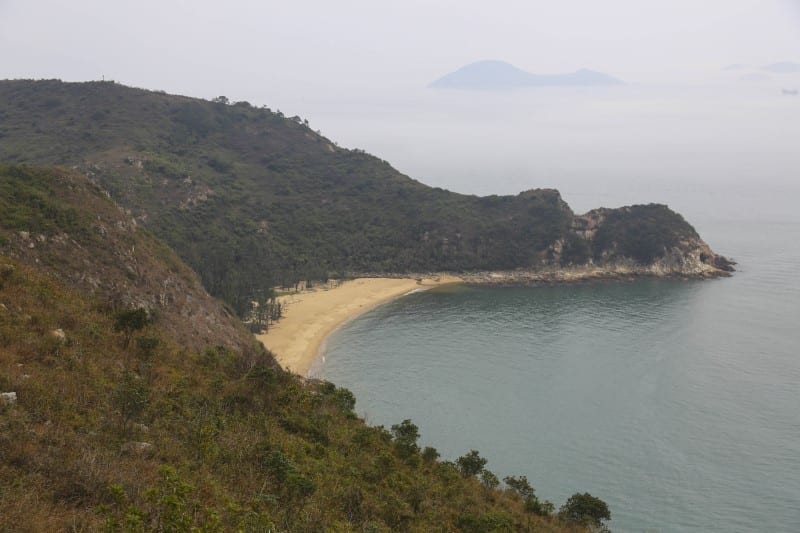
For seasoned mountaineers, however, Hong Kong offers formidable technical challenges. The MacLehose Trail (Section 2) presents a demanding coastal traverse across Sai Kung’s pristine beaches, such as Long Ke Wan and Ham Tin, where turquoise waters meet wild headlands. Meanwhile, routes like Lion’s Rock, Tai Mo Shan (Hong Kong’s highest peak at 957 meters), and the notoriously steep West Dog’s Teeth ridge on Lantau Island require advanced scrambling, physical endurance, and careful navigation across exposed, rocky terrain.
Economic and Ecological Implications
The growing popularity of Hong Kong’s trail network carries significant implications for regional tourism and environmental management. While urban tourism traditionally centered around retail, dining, and sightseeing, the promotion of ecotourism diversifies the local visitor economy, attracting international hikers, geologists, and nature photographers.

At the same time, increased foot traffic presents ongoing management challenges for the AFCD. Balancing public recreational access with the conservation of fragile ecosystems—such as protecting coastal mangroves, managing wild macaque populations, and preventing trail erosion—requires continuous monitoring and community education. Leave-no-trace principles and responsible waste management have become focal points for local conservation groups aiming to preserve the pristine nature of these rural enclaves.
Conclusion
Hong Kong’s duality as a towering global financial center and an expansive natural sanctuary challenges conventional travel perceptions. By looking past the urban skyline and venturing into its vast network of country parks and outlying islands, visitors discover a landscape defined by ecological resilience, geological heritage, and tranquil wilderness. As the region continues to promote sustainable tourism, its extensive trail systems stand as a testament to successful urban-rural coexistence.