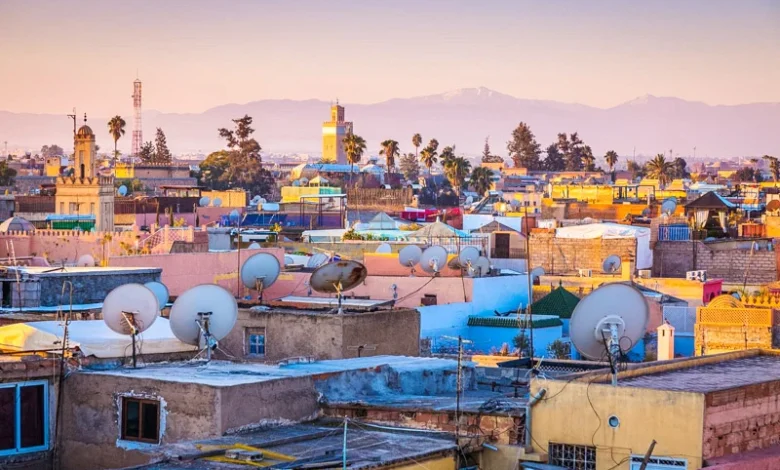
Marrakech remains one of North Africa’s most culturally vibrant and economically significant urban centers, drawing millions of international travelers annually. As of late 2026, the city’s tourism sector has fully rebounded, cementing its status as the primary gateway for visitors exploring Morocco’s diverse landscapes—ranging from the ancient alleyways of the UNESCO-listed medina to the high altitudes of the Atlas Mountains and the remote expanses of the Sahara Desert.
A synthesis of firsthand travel reporting and insights from longtime local experts highlights the city’s shifting dynamics, economic realities, and essential itineraries for modern travelers navigating North Africa’s premier cultural hub.
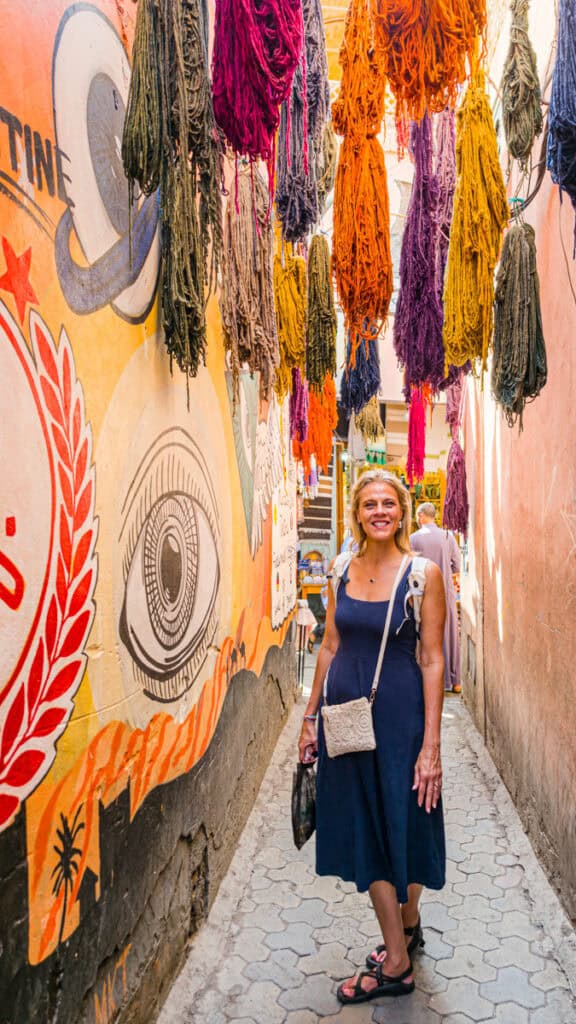
Historical Context and Urban Evolution
Founded in 1062 by the Almoravid dynasty, Marrakech—historically known as the "Ochre City" due to the distinctive red clay of its protective ramparts—has served as an imperial capital under successive Berber and Arab dynasties. The urban fabric is sharply divided between the ancient fortified medina and the modern European-designed districts such as Gueliz and Hivernage, constructed during the French Protectorate in the early 20th century.
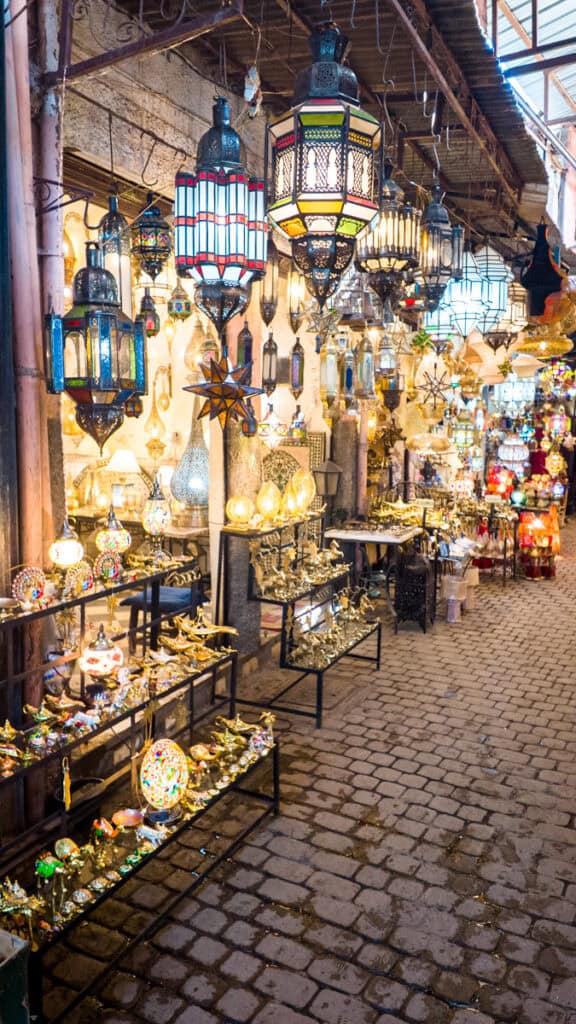
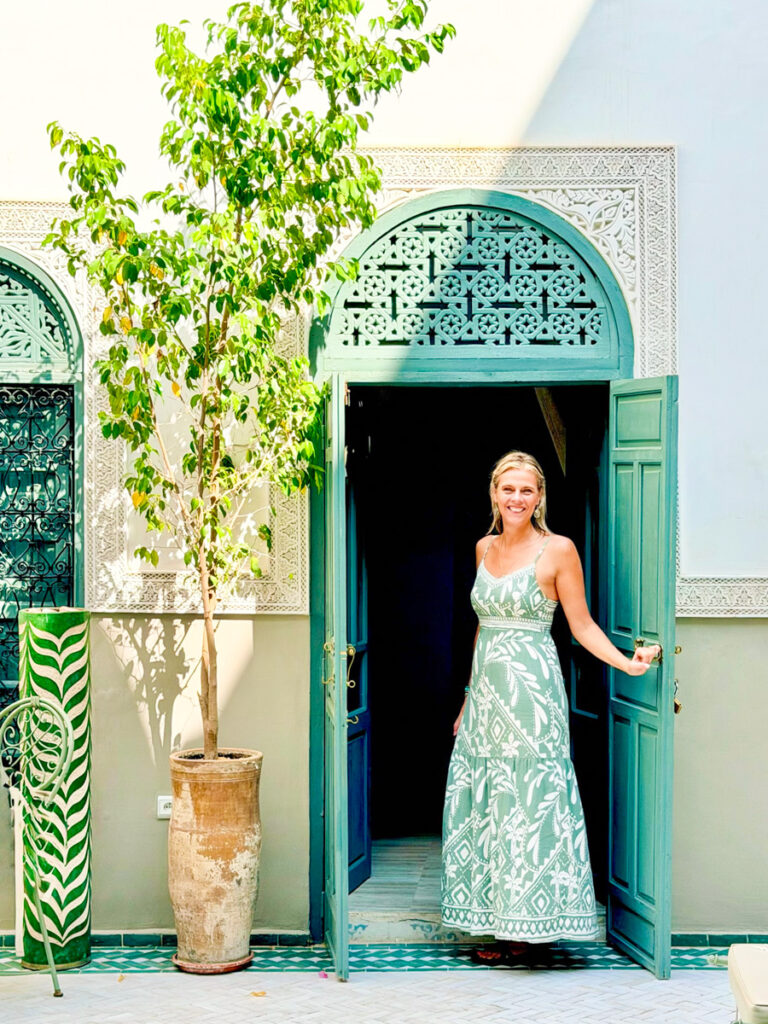
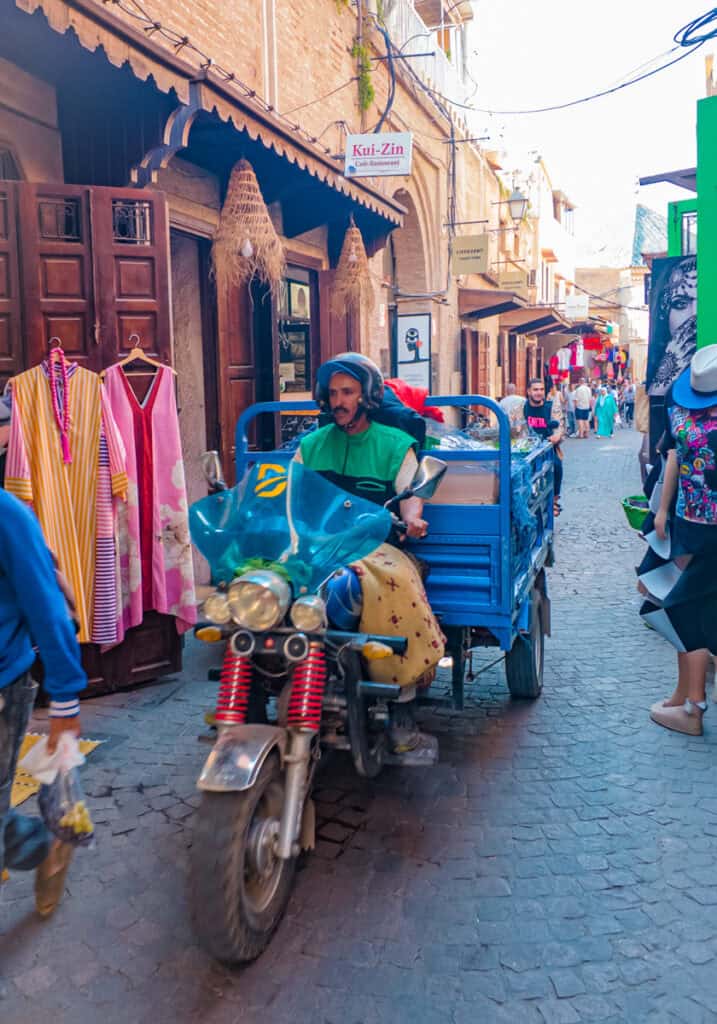
In 1985, UNESCO designated the Medina of Marrakech as a World Heritage Site, recognizing its dense concentration of historical monuments, palaces, mosques, and traditional residential architecture known as riads. Despite rapid modernization and an influx of foreign investment in hospitality, the old city preserves its medieval layout, where vehicular traffic is largely prohibited, replaced instead by a dynamic flow of pedestrians, bicycles, motorbikes, and carts.
Navigating the Medina and Commercial Districts
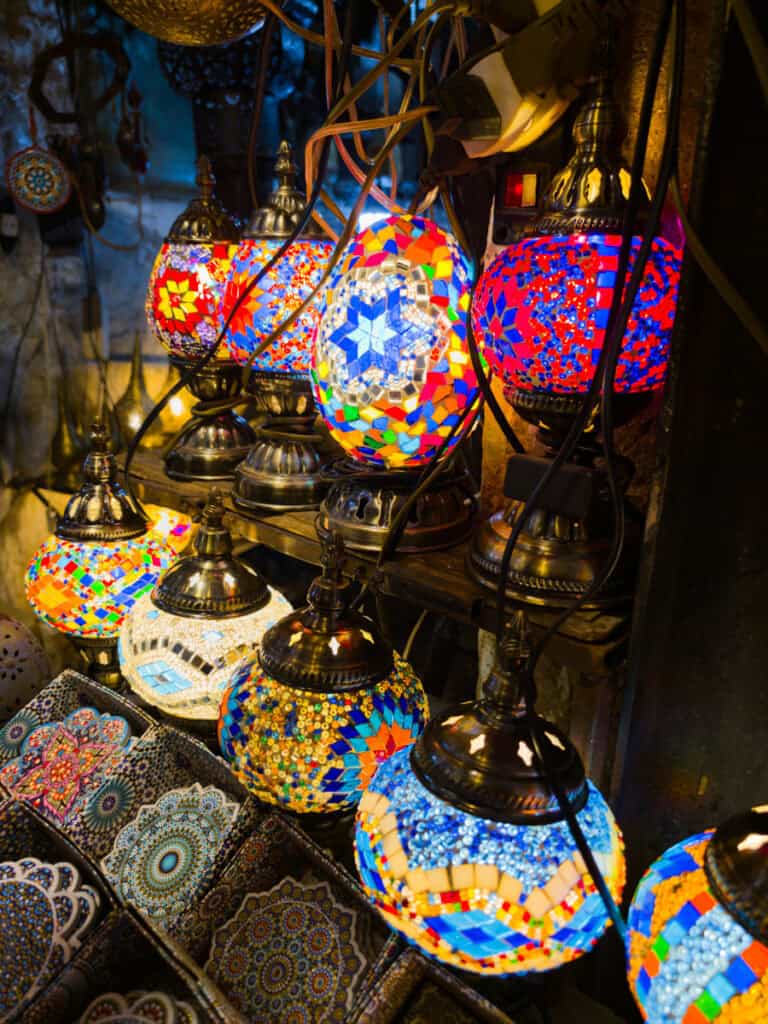
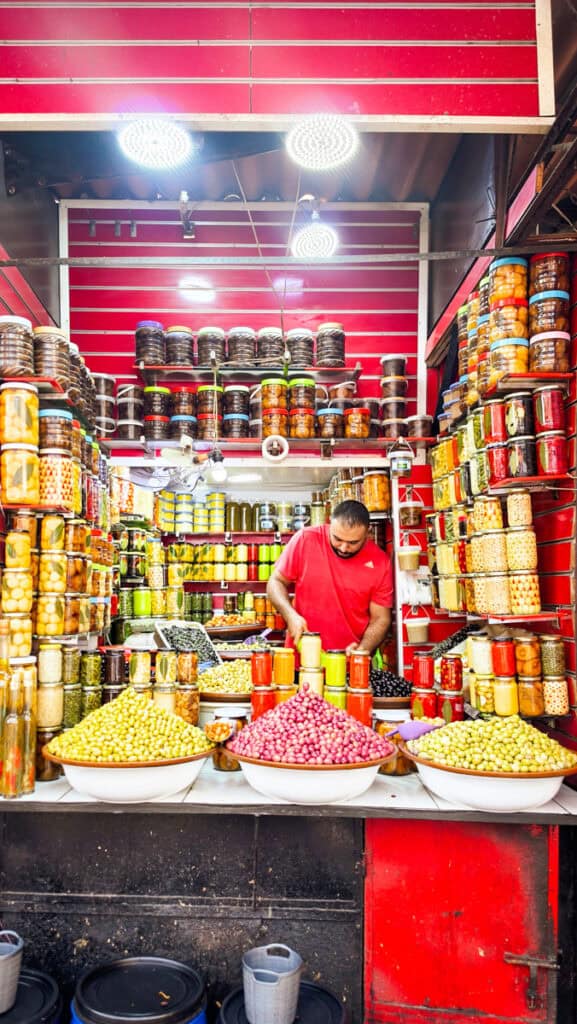
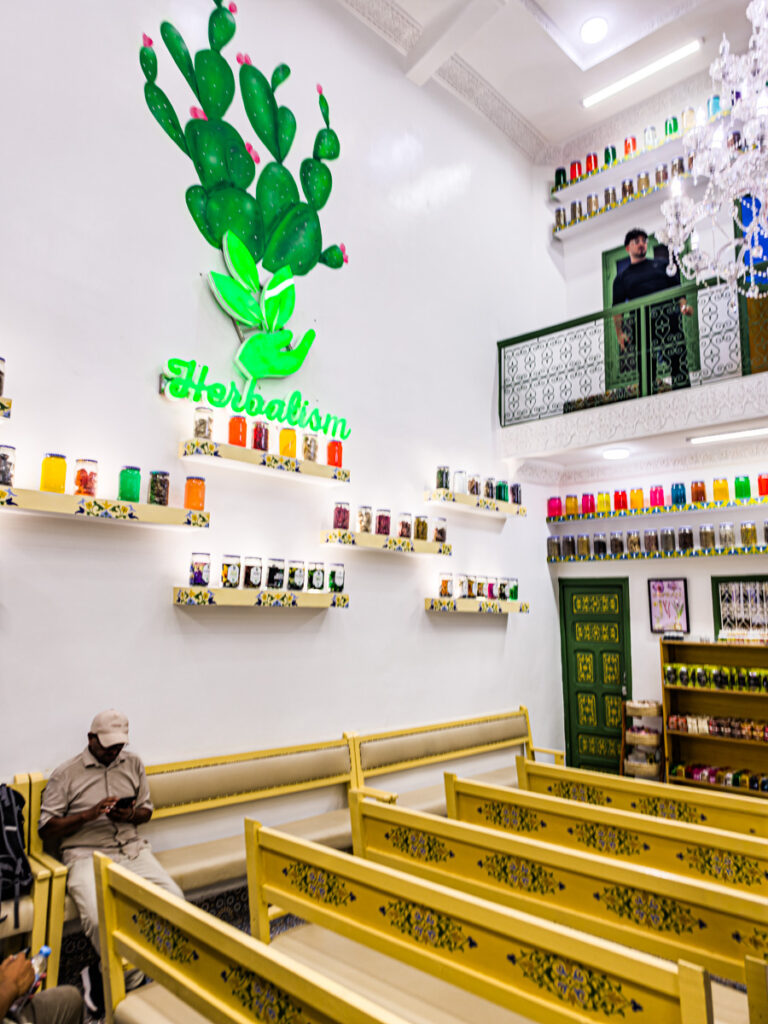
The primary commercial heartbeat of the medina centers on its vast network of souks (covered markets) spreading northward from the iconic Jemaa el-Fnaa square. Spanning specialized trades—including metalworking, carpentry, leather goods, textiles, and traditional apothecary goods—these markets operate on a deeply ingrained tradition of negotiation.
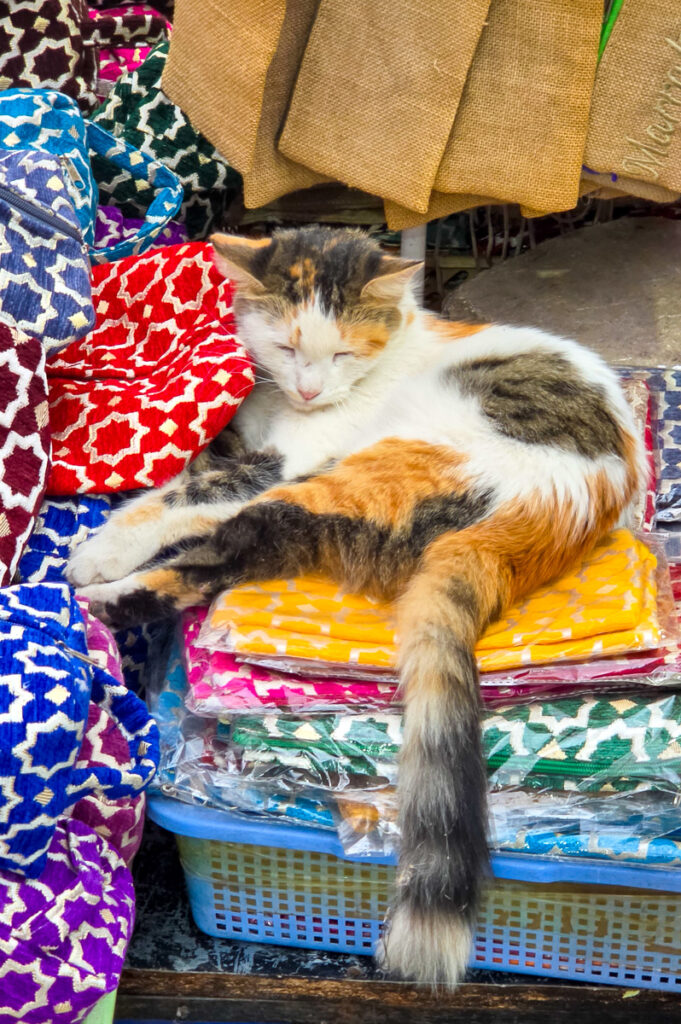
Local commerce experts recommend entering the souks during opening hours between 9:00 AM and 9:30 AM. Early morning trading holds cultural significance for many local merchants, who view the first transaction of the day as a harbinger of good fortune, often resulting in more favorable pricing before the midday tourist congestion peaks. Conversely, peripheral shops near major thoroughfares typically command higher prices, prompting seasoned travelers to venture deeper into the interior neighborhoods to source authentic handicrafts directly from artisans.

Beyond the central souks, specialized quarters offer distinct commercial and cultural experiences. The Mellah, the historic Jewish quarter established in the 16th century, features a quieter atmosphere, specialized gold and jewelry merchants, and a robust spice trade. Adjacent to it, the Place des Ferblantiers serves as the primary hub for traditional Moroccan metalwork, particularly wrought-iron lanterns and home furnishings.
For upscale retail and contemporary design, the Gueliz district provides a stark contrast to the medieval medina. Characterized by European-style broad avenues, art galleries, and high-end boutiques—such as textile showrooms featuring custom natural linens—Gueliz represents the contemporary, cosmopolitan face of the city’s expanding economy.
Architectural Landmarks and Cultural Heritage
Marrakech’s architectural heritage is concentrated in two primary geographical zones within the medina: the southern sector, housing the major imperial palaces and royal tombs, and the northern sector, dominated by religious institutions and educational foundations.
- Bahia Palace: Commissioned in the 1860s by Si Moussa and expanded by his son Ba Ahmed, grand vizier to the sultan, this 2-hectare complex comprises roughly 150 rooms. Celebrated for its intricate carved cedar ceilings, zellige tilework, and expansive painted courtyards, the palace remains occasionally utilized by the Moroccan royal family for state hospitality.
- Ben Youssef Madrasa: Originally established during the Marinid era in the 14th century and substantially rebuilt in the mid-1500s under Saadian rule, this institution functioned as the largest Islamic theological college in Morocco. Accommodating up to 130 student cells surrounding a central courtyard, the madrasa reopened to the public following an extensive multi-year structural restoration.
- El Badi Palace and Saadian Tombs: Built by Sultan Ahmad al-Mansur following the 1578 Battle of the Three Kings, the vast ruins of El Badi Palace stand as a testament to former imperial opulence before being stripped of its marble and gold materials by the Alawite dynasty in the 18th century. Adjacent to the Kasbah Mosque, the Saadian Tombs house the royal necropolis, featuring the ornate Chamber of the Twelve Columns carved from Carrara marble.
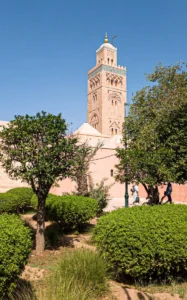
- Koutoubia Mosque: Standing at 77 meters, the minaret of the Koutoubia Mosque serves as the definitive architectural landmark of the skyline. Constructed in the 12th century under the Almohad caliphate, the mosque and its surrounding gardens provide a focal point for navigation across the old city, though interior access remains restricted to Muslims.
Evening Economy and Culinary Traditions
As temperatures drop and daylight fades, the economic and social rhythms of Marrakech shift toward the evening. Jemaa el-Fnaa transforms into an open-air amphitheater recognized by UNESCO as an Intangible Cultural Heritage of Humanity. The square fills with food stalls, musicians, storytellers, and performers, generating a robust night-market economy that operates past midnight.

Moroccan gastronomy forms a cornerstone of the visitor experience, heavily reliant on indigenous spices, slow-cooking techniques, and regional agriculture. Key culinary specialties include:
- Tangia: Widely considered the signature dish of Marrakech, this slow-cooked beef or lamb stew is prepared in a sealed clay urn and traditionally left to simmer in the subterranean embers of neighborhood bathhouse furnaces.
- Tagine: A staple North African stew cooked in conical earthenware vessels, balancing savory meats with preserved lemons, olives, or dried fruits.
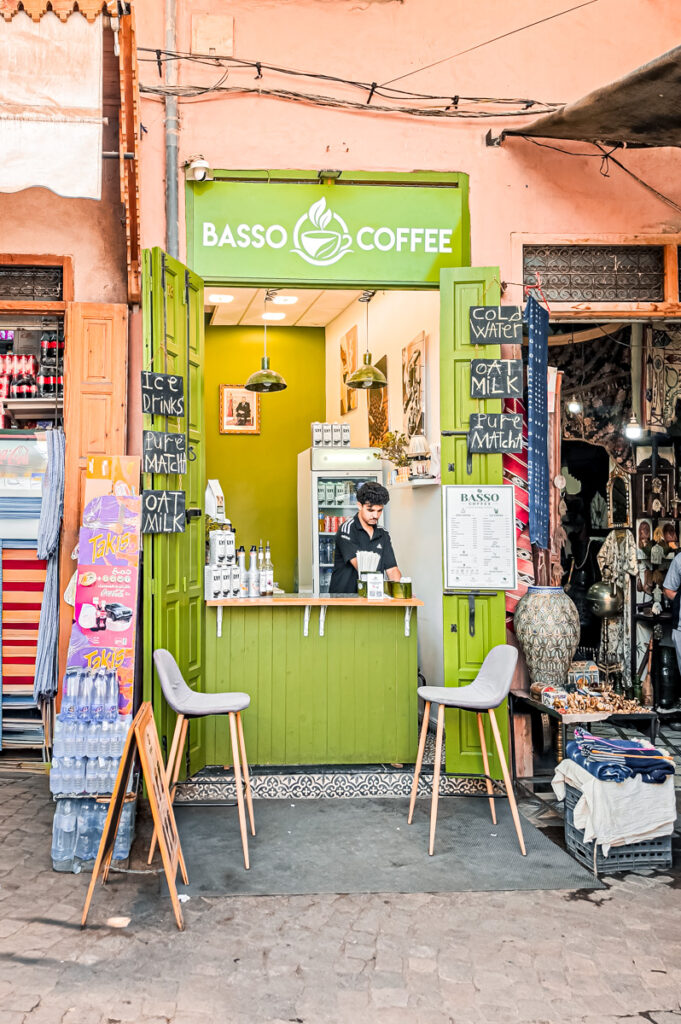
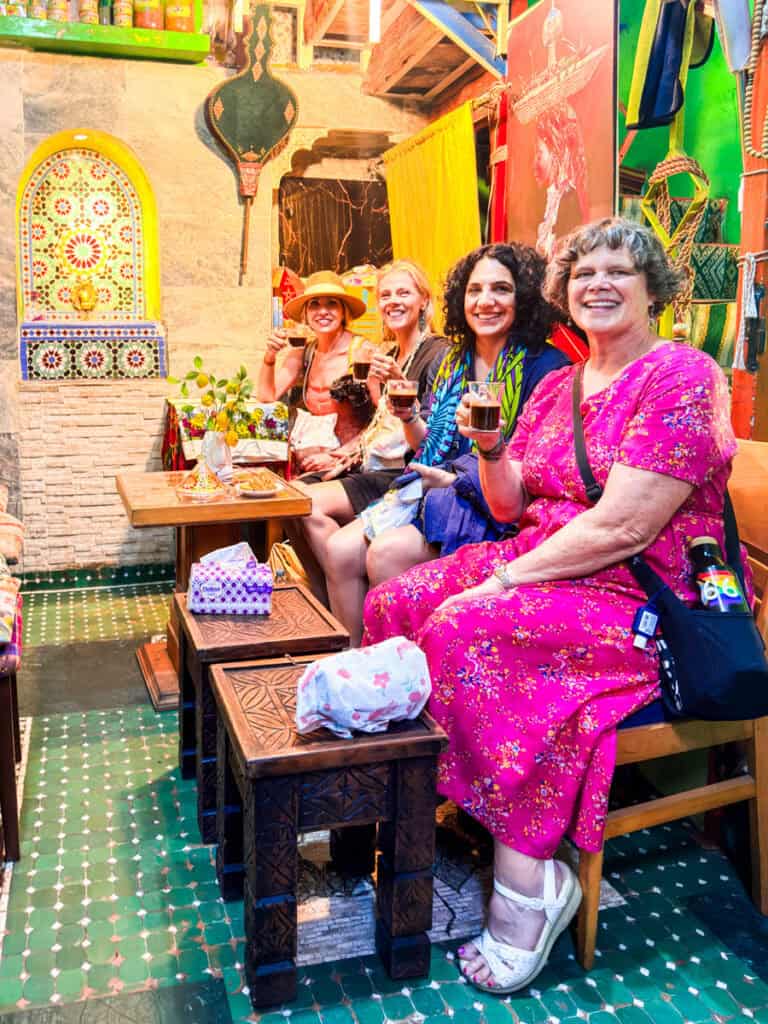
- Street Food and Café Culture: Traditional breakfast items, including sfenj (Moroccan doughnuts) and sand-brewed spiced coffee, anchor the morning routine, while rooftop dining establishments across the medina cater to international tourists seeking panoramic views of the illuminated cityscape.
Excursions Beyond the Urban Center
While the urban core offers extensive cultural immersion, regional excursions play a vital role in the broader tourism framework of the region:
- Jardin Majorelle and Museum District: Located in the new city, the botanical garden created by French painter Jacques Majorelle in the 1920s—and later restored by fashion designer Yves Saint Laurent and Pierre Bergé—exhibits exotic flora framed by striking cobalt-blue architecture. The adjacent Musée Yves Saint Laurent and the Pierre Bergé Museum of Berber Arts further contextualize the intersection of European artistic influence and indigenous North African craftsmanship.
- Atlas Mountains and Hot Air Ballooning: High-altitude launch sites approximately one hour outside the city facilitate dawn hot air balloon expeditions, offering panoramic views of rural Berber villages and the snow-capped Atlas range.
- Ouzoud Waterfalls: Situated roughly 150 kilometers northeast of Marrakech, the 110-tier waterfalls provide an alternative landscape of green gorges and olive groves, functioning as a popular day-trip destination for hiking and boat tours.
- Trans-Atlas Expeditions to the Sahara: Multi-day overland journeys crossing the High Atlas mountains via the Tizi n’Tichka pass connect Marrakech to the Erg Chebbi dunes in Merzouga. These excursions typically incorporate stops at the fortified earthen clay village of Ait Benhaddou—a recognized UNESCO site and frequent cinematic backdrop—before culminating in desert camp experiences.
Practical Considerations for Travelers
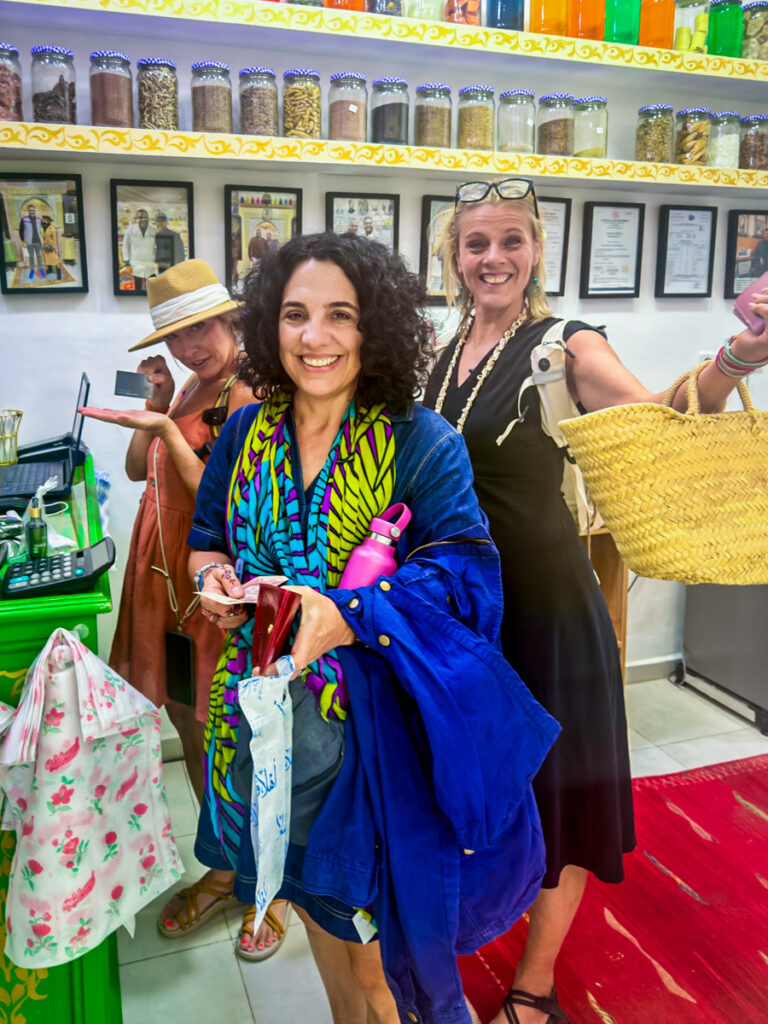
Economic transactions in Marrakech require careful preparation. While major hotels and upscale restaurants accept international credit cards, cash—specifically Moroccan Dirhams (MAD)—remains essential for daily commerce in the souks, taxis, and smaller establishments. Travelers are strongly advised to verify functionality and currency processing terms with merchants prior to finalizing large transactions.
Logistical movement within the medina relies entirely on foot traffic, while urban transit across wider city limits is facilitated primarily by "petit taxis" operating on metered rates or negotiated fares. For regional travel, the state railway system connects Marrakech to Casablanca and northern hubs, while established coach operators like Supratours and CTM provide reliable intercity transit.
Optimal climatic conditions for visiting Marrakech occur during the shoulder seasons of autumn (mid-September to early December) and spring (March to May). Summers experience extreme temperatures that frequently restrict outdoor daytime activity, whereas winter months bring cooler temperatures and occasional rainfall. Additionally, timing visits outside the Islamic holy month of Ramadan ensures uninterrupted commercial hours, restaurant operations, and standard public services.