Beyond the Outback: A Comprehensive Analysis of Modern Australian Tourism Trends and Regional Travel Dynamics

The landscape of Australian international tourism is undergoing a significant shift as travelers move away from traditional stereotypes of a rugged, dangerous frontier toward an appreciation for urban sophistication, ecological resilience, and high-end culinary experiences. Recent field observations and data from industry experts, including Senior Travel Advisor Amy Annis of Ciao Bambino, suggest that the "East Coast Corridor"—stretching from Northern Queensland to Melbourne—is redefining the Australian travel narrative for both luxury seekers and multi-generational families.
While historical marketing of the Australian continent often focused on "The Red Centre" and hazardous wildlife, contemporary visitor data indicates a growing preference for walkable "green" cities and immersive cultural exchanges. This evolution comes at a critical time for the Australian tourism sector, which contributed approximately $63 billion to the national GDP in the most recent fiscal cycles, as it seeks to balance high-volume visitation with environmental stewardship.
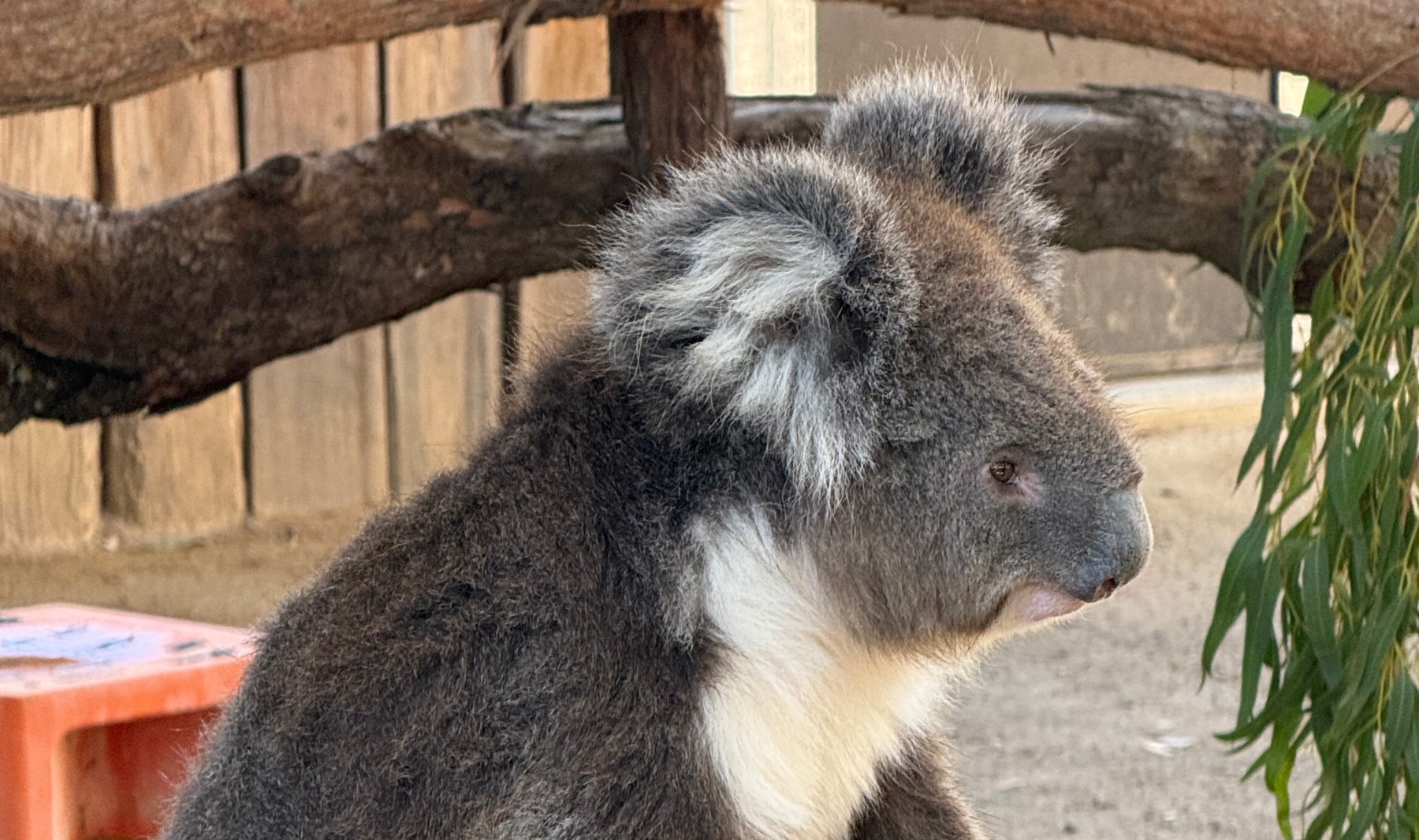
Chronology of an East Coast Expedition: A Fourteen-Day Strategic Itinerary
To understand the diversity of the Australian offering, travel analysts point to a two-week window as the optimal duration for a coastal survey. The following chronology represents a high-level strategic route utilized by industry professionals to evaluate the country’s current tourism infrastructure.
Phase One: The Subtropical North and Ecological Stewardship
The journey typically commences in Brisbane, the capital of Queensland. Once considered a secondary stop, Brisbane has emerged as a hub for colonial architectural preservation and urban greening. Analysts note that the city’s walkability serves as a primary draw for international visitors seeking a manageable entry point into the country.
From Brisbane, the focus shifts to Far North Queensland, specifically the Daintree Rainforest and the Great Barrier Reef. The Daintree, a UNESCO World Heritage site, is estimated to be 180 million years old—significantly older than the Amazon. Current travel trends emphasize Aboriginal-led tours in this region, where Kuku Yalanji guides provide historical context on medicinal botany and ancestral land management.

Phase Two: The Cosmopolitan Core
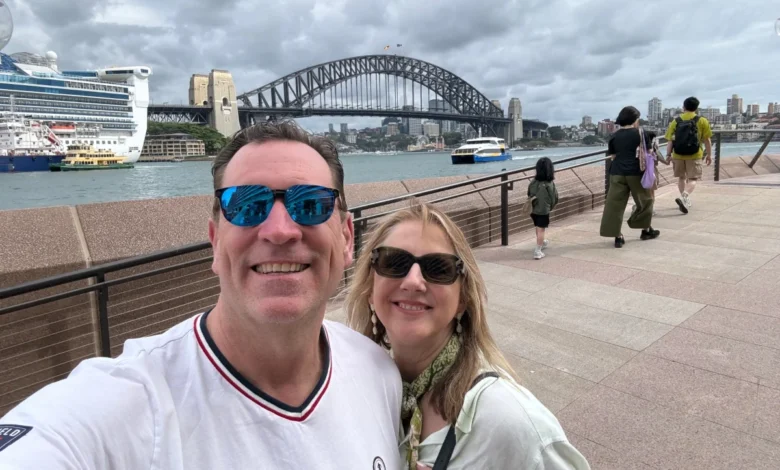
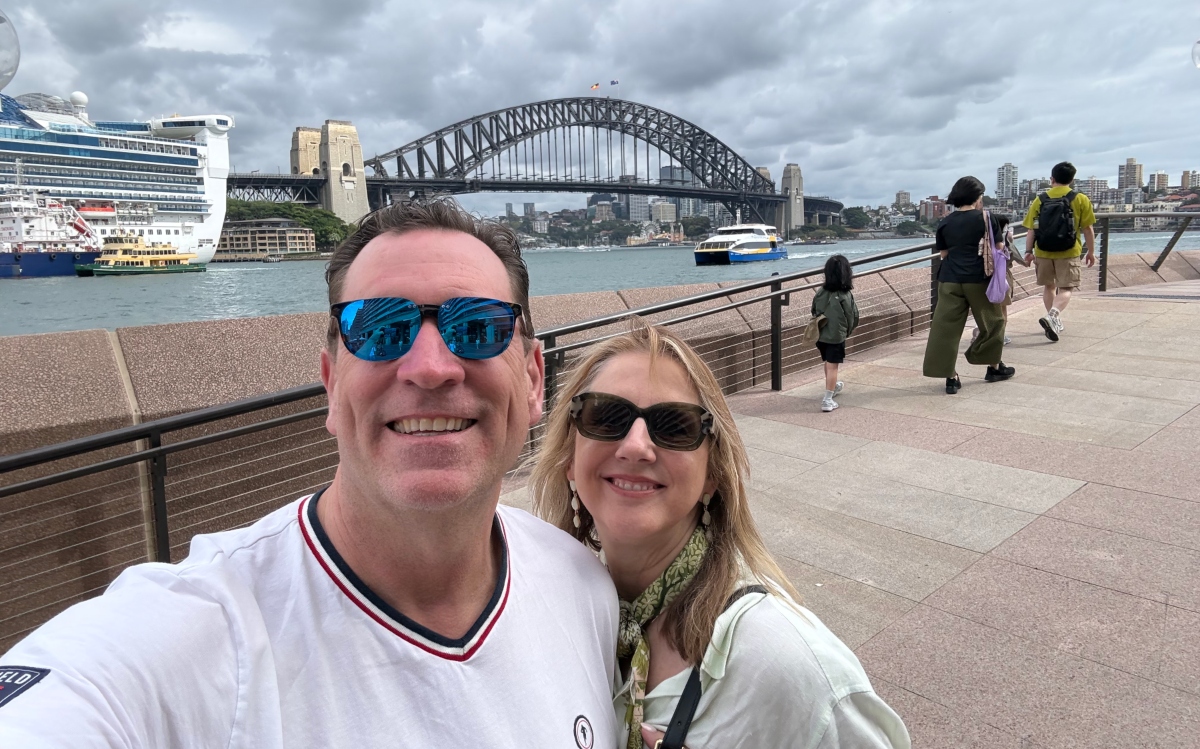
The middle segment of the journey centers on Sydney, Australia’s most iconic metropolis. The city’s tourism model has shifted from passive sightseeing to interactive history. Tours of the Sydney Opera House now focus heavily on the architectural struggle of Jørn Utzon, while harbor experiences have pivoted toward "conversational history," blending World War II maritime data with contemporary real estate and celebrity culture analysis.
Phase Three: The Southern Culinary and Viticultural Hubs
The final phase involves South Australia and Victoria. Adelaide has positioned itself as the gateway to the Adelaide Hills, a region specializing in cool-climate viticulture. This is followed by Melbourne, often cited by urban planners as the most "European" of Australian cities. Melbourne’s tourism strength lies in its diverse "laneway" culture, international student-driven demographics, and its status as a premier global sports capital.
Supporting Data: The Resilience of the Great Barrier Reef
A primary concern for international travelers has been the ecological health of the Great Barrier Reef (GBR). However, recent data from the Australian Institute of Marine Science (AIMS) provides a more nuanced perspective than the "terminal" narrative often found in global media.
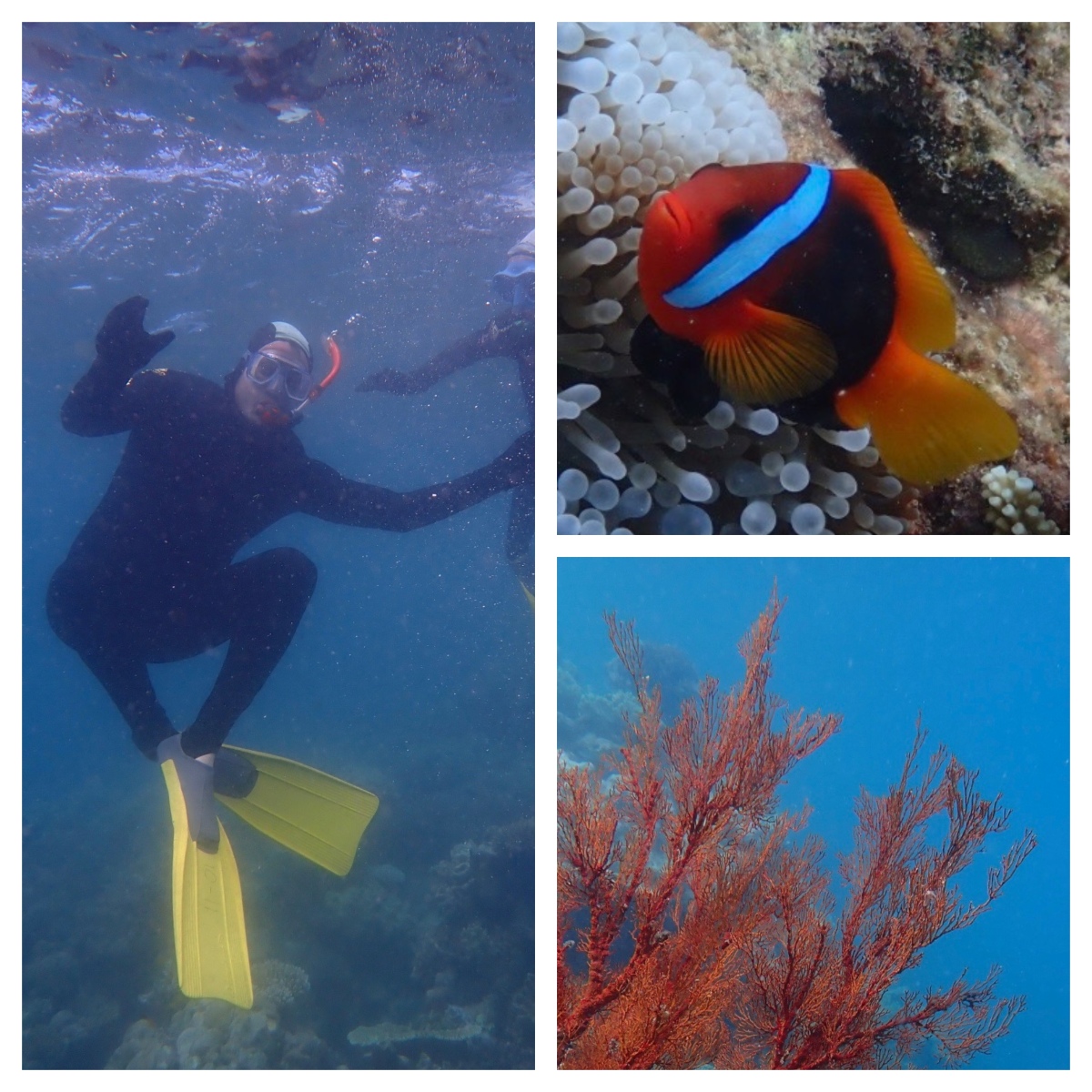
In the 2022-2023 Long-Term Monitoring Program report, AIMS noted that coral cover in the Northern and Central regions of the reef reached its highest levels since monitoring began 36 years ago. While the reef remains vulnerable to climate-induced bleaching events, the "surprising" vibrancy reported by travelers like Annis aligns with these scientific findings of regional recovery and resilience.
Tourism operators have responded by implementing "well-oiled" safety and education protocols. High-end reef excursions now prioritize marine biology briefings, ensuring that the $6 billion reef tourism industry also serves as a platform for environmental advocacy. This synergy between luxury travel and conservation is a hallmark of the modern Australian experience.
Urban Analysis: The Distinct Personalities of Australian Metropolises
Industry experts categorize the major Australian cities not by size, but by "functional personality," which dictates their appeal to different traveler segments.

- Sydney (The Cosmopolitan Icon): Sydney remains the primary "gatekeeper" city. Its appeal is rooted in high-visibility landmarks and a sophisticated dining scene. Neighborhood-specific food tours in areas like Surry Hills or the Rocks are increasingly popular, moving tourists away from "tourist traps" toward small-scale, authentic local eateries.
- Melbourne (The Cultural Capital): Melbourne’s infrastructure, characterized by its extensive tram network and bike-friendly layouts, appeals to a younger, more active demographic. The city’s commitment to diversity is reflected in its culinary landscape, which features a high density of Chinese, Indian, and Italian influences.
- Brisbane (The Emerging Historic Hub): Brisbane is currently undergoing a period of rapid development in anticipation of the 2032 Summer Olympics. Its focus on maintaining "green lungs"—expansive public parks—and colonial heritage makes it a rising star for travelers who find Sydney or Melbourne too densely packed.
- Adelaide (The Boutique Retreat): While the city center is still developing its luxury accommodations, the surrounding Adelaide Hills offer a "Relais & Châteaux" style of hospitality. The region’s focus on Chardonnay and Pinot Noir production provides a high-end alternative to the more commercialized wine regions of the Northern Hemisphere.
Cultural Integration and Indigenous Perspectives
A critical component of the enriched Australian travel experience is the integration of First Nations history. In regions like the Daintree, tourism is being used as a vehicle for cultural preservation. Travelers are increasingly seeking out "Deep Dive" experiences that go beyond superficial displays of art to include walks with traditional landowners. These interactions provide factual data on the medicinal uses of plants and the complex social structures of Aboriginal communities that have inhabited the land for over 60,000 years.
This shift toward "Educational Tourism" is reflected in the increased visitation to regional museums and cultural centers that provide a candid look at Australia’s colonial past and its impact on Indigenous populations.
Strategic Recommendations for Segmented Travel
Travel advisors are now tailoring Australian itineraries based on the specific "geological and biological interests" of their clients.
For Multi-Generational Families
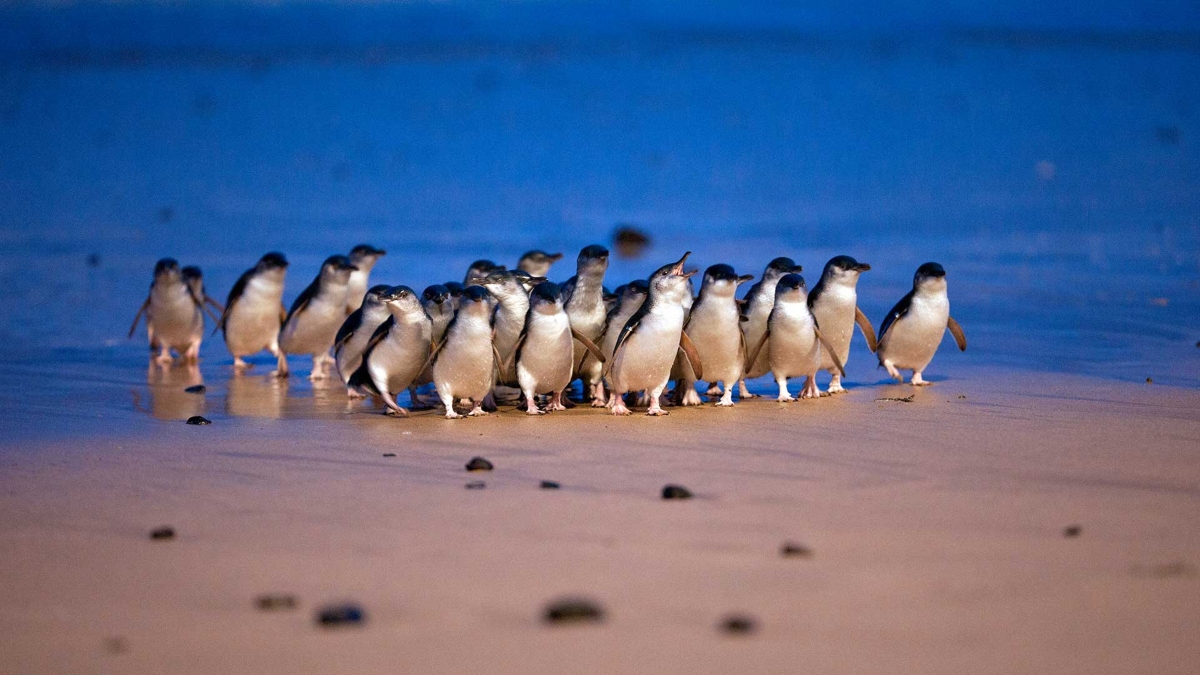
The "Penguin Parade" at Phillip Island, Victoria, remains a top-tier recommendation. Managed by Phillip Island Nature Parks, this conservation-led experience allows visitors to observe the nightly return of Eudyptula minor (Little Penguins) to their burrows. The success of this program—balancing thousands of nightly visitors with the safety of the colony—is frequently cited as a global gold standard for wildlife tourism. Additionally, the "geology component" of regions like Uluru (The Red Centre) is recommended for families with school-aged children due to its unique educational value.
For Adult and Luxury Travelers
The focus for this segment is on the "Premium Culinary Circuit." This includes private harbor cruises in Sydney and exclusive wine-tasting experiences in South Australia. The emphasis is on "buttery, low-oak" Chardonnays and high-quality local produce, such as fresh oysters from Melbourne’s markets or sustainably sourced seafood from the Queensland coast.
Broader Impact and Industry Implications
The observations made by travel professionals like Amy Annis highlight a broader trend in global tourism: the move toward "Slow Travel" and "Expert-Led Verification." In an era of digital misinformation, the value of a travel advisor who has personally vetted a destination—testing the safety protocols of a reef boat or the walkability of a city street—has reached a premium.
Furthermore, the Australian hospitality model is being recognized for its "supportive and helpful" nature, which contributes significantly to the "Soft Power" of the nation. High levels of tourist satisfaction lead to increased repeat visitation and positive word-of-mouth, which are essential for a destination located at a significant distance from major markets in North America and Europe.
Conclusion: A New Era for the Great Southern Land
As Australia continues to navigate the complexities of modern tourism, the focus remains on diversity—both ecological and urban. The "Mad Max" image of the interior is being successfully supplemented, if not replaced, by the reality of sophisticated, green, and culturally rich coastal hubs. By leveraging its natural assets like the Great Barrier Reef and the Daintree Rainforest, and pairing them with a world-class urban infrastructure and a genuine spirit of hospitality, Australia is positioning itself as a resilient and multifaceted destination for the mid-2020s and beyond.
For the modern traveler, the "surprise" of Australia lies not in its dangers, but in its polish, its people, and its profound commitment to preserving the ancient while embracing the new. As the industry looks toward 2030, the "Australian Model" of tourism—blending conservation, education, and luxury—will likely serve as a blueprint for other geographically isolated nations seeking to capture the global imagination.