The Paradox of Visibility Anniina Sandberg on the Evolution of Ethical Indigenous Tourism and the Impact of Social Media on Vulnerable Communities

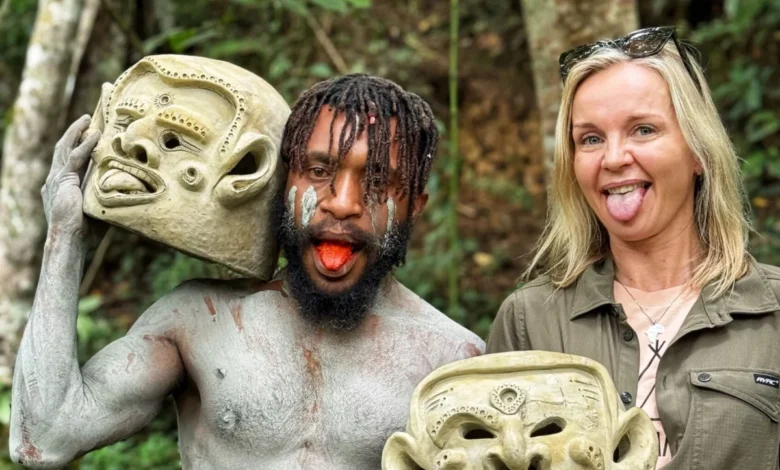
The intersection of global tourism and digital content creation has reached a critical juncture, prompting experts to question the sustainability of cultural interactions in the age of the "influencer." For Anniina Sandberg, a seasoned cultural anthropologist and the founder of Visit Natives, this realization crystallized following a visit to the Hadzabe hunter-gatherer community in Tanzania. After documenting her experiences online, Sandberg observed a disturbing trend in the digital discourse: the audience’s reactions frequently bypassed cultural appreciation, instead framing Indigenous people as objects of curiosity or mere entertainment. This phenomenon highlights a growing tension in the travel industry between the pursuit of authentic human connection and the commodification of traditional lifestyles for social media metrics.
As the CEO of Visit Natives, Sandberg has spent over two decades navigating the complexities of Indigenous-led tourism. Her work spans several continents, involving long-term collaborations with the Maasai and Hadzabe in Tanzania, Sámi families in the Arctic reaches of Norway, Berber communities in the Atlas Mountains of Morocco, and various Indigenous groups in the highlands of Papua New Guinea. Through these experiences, Sandberg has identified a systemic shift in how travelers consume culture. In an era defined by ubiquitous smartphone cameras and the relentless demand for viral content, the boundary between meaningful exchange and the production of "poverty porn" or "exoticized spectacles" has become increasingly blurred.
The Digital Gaze and the Rise of "Content Tourism"
The primary concern voiced by Sandberg involves the "vulnerability" of Indigenous populations in the face of modern digital consumption. While sustainable tourism has historically focused on environmental footprints and economic leakage, the psychological and sociological impact of social media remains under-examined. Sandberg notes that the drive for "clicks and views" often incentivizes travelers to present Indigenous lives through a lens of sensationalism. When cultures are reduced to 15-second clips or aestheticized Instagram grids, the complexity of their history, struggles, and daily realities is flattened into a simplified narrative designed for rapid consumption.
This "flattening" of culture contributes to the reinforcement of harmful stereotypes. By focusing on the "otherness" of Indigenous communities to garner engagement, content creators risk turning living cultures into museum exhibits or amusement park attractions. This dynamic creates a power imbalance where the traveler holds the narrative authority, often without a deep understanding of the context they are capturing. Sandberg argues that this not only misrepresents the communities but actively undermines the foundational goal of cultural exchange: mutual respect and genuine learning.

A Chronology of Engagement: From Fieldwork to Ethical Enterprise
Sandberg’s perspective is rooted in a career that predates the social media boom, providing her with a unique "before and after" view of the industry. Her journey began over twenty years ago with academic fieldwork, most notably living within a Maasai boma in Tanzania for over a year. This immersive experience allowed her to understand the nuances of daily life—the rhythms of cattle herding, the social hierarchies, and the persistent challenges of land rights and modern encroachment.
In the early 2000s, Indigenous tourism was largely a niche sector, often managed by external operators who provided "human safaris"—brief, performative stops where tourists would watch a traditional dance, take photos, and leave within the hour. Recognizing the exploitative nature of this model, Sandberg founded Visit Natives with a mandate to return agency to the communities. The evolution of her enterprise mirrors a broader shift in the travel industry toward "slow travel" and "transformative experiences," yet it stands in direct opposition to the "fast content" culture that has emerged over the last decade.
The Visit Natives Model: Connection Over Convenience
To combat the superficiality of modern tourism, Sandberg’s organization rejects the standard "day trip" itinerary. Conventional tourism is often built around the traveler’s convenience, forcing Indigenous participants to adapt their traditions to fit a schedule. This often results in "staged authenticity," where rituals are performed out of context for the sake of a photo opportunity.
In contrast, the Visit Natives approach prioritizes multi-day stays that integrate travelers into the actual daily lives of their hosts. There are no fixed itineraries or "showtimes." Instead, travelers participate in whatever the day requires—whether that is gathering honey with the Hadzabe, tending to reindeer with the Sámi, or sharing communal meals in a Maasai village. Sandberg compares this model to being invited into someone’s home. By removing the stage, the interaction shifts from a spectator-performer dynamic to a human-to-human connection. This model fosters "reciprocity," where the community benefits not just financially, but through a dignified exchange where they are the masters of their own representation.
The Crisis of Informed Consent in the Digital Age
One of the most complex issues raised by Sandberg is the concept of "informed consent" regarding photography and videography. While most ethical travelers understand the need to ask for permission before taking a photo, Sandberg argues that a simple "yes" is often insufficient in the context of the global internet.

Many Indigenous communities, particularly those in remote areas, may have a limited understanding of the scale and permanence of social media. They may consent to a photo being taken without realizing it could be viewed by millions of people, used in advertisements, or subjected to derogatory comments in a digital forum. True informed consent, according to Sandberg, requires transparency about where the image will go and how it will be used.
Furthermore, there is the issue of "agency." If a community is economically dependent on tourism, individuals may feel pressured to say "yes" to photos to please the visitor or ensure continued financial support. Sandberg emphasizes that ethical tourism must include educating both the traveler on digital ethics and the community on their right to privacy and the management of their own image.
Supporting Data: The Economic and Social Landscape of Indigenous Tourism
The stakes for getting Indigenous tourism right are high, both culturally and economically. According to the World Tourism Organization (UNWTO), Indigenous tourism is one of the fastest-growing sectors of the global travel industry. Indigenous peoples represent approximately 6% of the global population but protect 80% of the world’s remaining biodiversity. Consequently, their role in sustainable tourism is inextricably linked to global conservation efforts.
Data suggests that when tourism is community-led, it can be a powerful tool for poverty alleviation and cultural preservation. In regions like the Papua New Guinea Highlands, tourism revenue can provide the necessary funds for healthcare and education, reducing the pressure on communities to sell their land to extractive industries like logging or mining. However, the World Bank has also noted that "top-down" tourism models—where external companies reap the majority of the profits—can lead to the displacement of Indigenous peoples and the erosion of traditional social structures.
Industry Responsibility and the Need for a Global Code of Conduct
Sandberg is vocal about the fact that the burden of ethical behavior should not rest solely on the individual traveler. Tourism operators and the wider travel industry must be held accountable for the experiences they sell. She advocates for a standardized "code of conduct" for Indigenous tourism that goes beyond environmental "greenwashing."

This code would include:
- Community Sovereignty: Ensuring that Indigenous groups have the final say in which parts of their culture are shared and which remain private.
- Fair Compensation: Moving beyond "tips" to structured, transparent financial models where the community retains the majority of the revenue.
- Education: Operators must provide travelers with cultural briefings that discourage "performative" photography and encourage respectful engagement.
- Land Rights Advocacy: Recognizing that Indigenous culture cannot survive without the land, tourism entities should support the legal land claims of the communities they visit.
Sandberg points out that many communities are in a state of "ongoing struggle" regarding their land and livelihoods. This pre-existing vulnerability makes them more likely to accept exploitative tourism deals out of economic necessity. Ethical providers, therefore, have a moral obligation to ensure that tourism serves the community’s long-term interests rather than providing a short-term financial fix at the cost of cultural integrity.
Broader Implications: The Future of Human Connection
Ultimately, the work of Anniina Sandberg and Visit Natives serves as a critique of modern society’s disconnection. In an increasingly digital world, the "simple act of sharing everyday life" has become a radical act. Sandberg believes that the most profound travel experiences do not occur in luxury settings or through curated "bucket list" moments, but in the "core of humanity"—spending time with others, eating together, and sleeping under the same roof.
The challenge for the future of travel lies in whether the industry can move away from the "consumerist gaze" and toward a model of "mutual flourishing." As social media continues to evolve, the pressure to "document" will only increase. The success of ethical Indigenous tourism will depend on the ability of travelers to put down the lens and engage with the world as a "rich mosaic of cultures" rather than a backdrop for personal branding. For Sandberg, the goal is clear: travel should not be about what we can take from a culture for our followers, but what we can learn about our shared humanity through the simple, unrecorded moments of daily life.