The Ultimate Guide to Exploring Thailand in Comfort: Top Travel Tips and Destinations

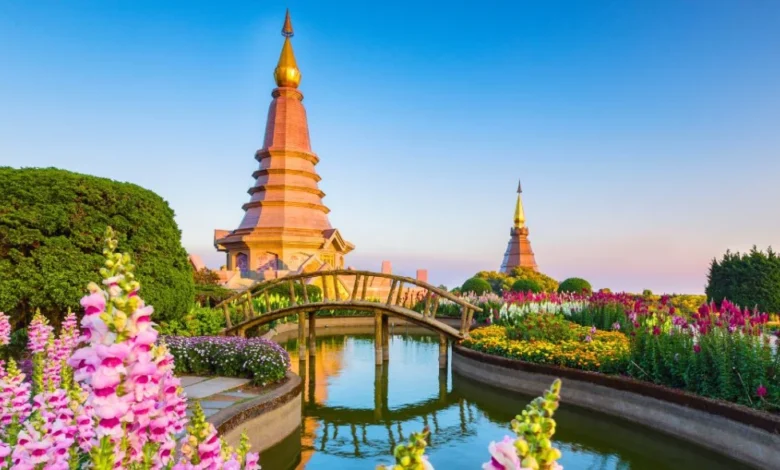
Thailand continues to rank among the world’s most sought-after travel destinations, drawing millions of international visitors annually with its intricate centuries-old Buddhist temples, diverse mountainous terrain, vibrant urban centers, and idyllic tropical shorelines. As the Southeast Asian nation experiences a steady resurgence in global tourism post-pandemic, travel strategists and hospitality experts are emphasizing the value of structured, deliberate travel planning over frantic itineraries. Balancing the country’s rich ecological diversity, wildlife preservation sites, and deep-rooted cultural heritage requires a measured approach to ensure both comfort and sustainable tourism practices.
Strategic Timing and Regional Weather Variations
Understanding Thailand’s distinct climatic zones is vital for structuring a comfortable itinerary. Because weather patterns vary significantly between northern mountainous regions, central plains, and southern coastal archipelagos, meteorological planning must dictate the timeline of any extended holiday.

Statistically, the peak period for nationwide tourism spans from November through February. During these cooler, drier months, travelers experience optimal atmospheric conditions for urban exploration, outdoor excursions, and island-hopping. Conversely, the monsoon season—typically running from May to October along the Andaman Coast and September to December in the Gulf of Thailand—brings heavy seasonal rainfall that can disrupt domestic transit and maritime tours. Tourism analysts consistently advise aligning travel dates with regional micro-climates rather than relying on national weather generalizations.
Furthermore, adopting a "slow travel" philosophy has proven instrumental in mitigating the fatigue commonly associated with multi-destination itineraries. Rather than attempting to traverse the entirety of the kingdom in a single week, travel consultants recommend allocating at least three to four days per region. This unhurried pace not only reduces logistical friction and carbon footprints associated with constant domestic flights, but also grants travelers deeper immersion into local communities, neighborhood markets, and regional culinary traditions.
Logistics, Concierge Services, and Modern Transit Infrastructure
Navigating Thailand’s extensive geography efficiently requires a careful calculus of time, cost, and comfort. The country’s transportation network has evolved rapidly, offering a multi-tiered array of transit options designed to cater to various comfort levels and budgetary constraints.

For long-distance travel between major economic hubs like Bangkok and regional gateways such as Chiang Mai or Phuket, domestic budget and full-service carriers provide affordable, time-saving connections. However, for travelers seeking a slower, more pastoral experience, Thailand’s state-run railway network remains a viable alternative, offering panoramic views of the central agricultural plains and rural villages. Within metropolitan areas like Bangkok, widespread adoption of ride-hailing applications has largely eliminated traditional language barriers and fare negotiations, enhancing urban mobility. Meanwhile, private chauffeured transfers have become the preferred choice for family groups undertaking longer overland journeys to provincial national parks.
To alleviate the compounding stress of coordinating flights, boutique accommodations, and localized excursions, an increasing number of high-end travelers are turning to bespoke destination management companies and luxury tour operators, such as Black Tomato. These specialized concierge services remove the logistical burden by curating hyper-personalized itineraries, securing premier accommodations, and pairing visitors with certified local guides who possess deep insights into regional heritage.
Accommodations and Sustainable Hospitality Trends
The selection of accommodations plays a foundational role in shaping the overall quality of an extended international journey. Industry standards across Thailand’s hospitality sector have shifted decisively toward integrated guest experiences that prioritize both central accessibility and environmental stewardship.

Hotels and resorts situated within proximity to primary transit arteries and cultural landmarks allow travelers to maximize daily sightseeing schedules while minimizing time lost in urban traffic congestion. Concurrently, sustainability has emerged as a major evaluation metric for discerning travelers. Eco-conscious properties across the country are increasingly implementing green operational protocols—ranging from single-use plastic eradication and energy-conservation frameworks to localized community support initiatives.
Industry analysts recommend cross-referencing user-generated reviews with vetted journalism from established global travel publications to accurately assess a property’s operational strengths, infrastructure maintenance, and service consistency. A well-chosen sanctuary provides a restorative counterbalance to the high sensory stimulation of Thailand’s bustling streetscapes.
Cultural Etiquette, Preservation, and Responsible Tourism
Entering the Kingdom of Thailand requires a baseline understanding of local social norms, religious protocols, and civic laws. Cultural integration and respectful conduct are paramount to ensuring friction-free interactions with local residents and civic authorities.

Thailand is a predominantly Theravada Buddhist society, and religious sites—such as the Grand Palace in Bangkok or Wat Phra That Doi Suthep in Chiang Mai—demand strict adherence to dress codes. Visitors are universally required to remove their shoes before entering consecrated spaces, cover their shoulders and knees, and maintain a respectful demeanor. Beyond religious sites, subtle gestures such as the traditional wai greeting and proper handling of local currency reflect cultural literacy that is deeply appreciated by the local populace.
To foster more meaningful cross-cultural exchanges, linguistics experts suggest mastering a foundational vocabulary of polite Thai phrases. Simple verbal courtesies significantly elevate everyday interactions in local markets, restaurants, and transit hubs.
Premier Eco-Tourism and Wildlife Destinations
For travelers looking to venture beyond urban centers and coastal resorts, Thailand houses a world-class network of protected natural areas, marine reserves, and ethical wildlife sanctuaries.

Khao Yai National Park
Established in 1962 as Thailand’s first national park, Khao Yai spans over 2,000 square kilometers of grasslands and tropical semi-evergreen forests. Recognized alongside adjacent protected areas as a UNESCO World Heritage Site under the Dong Phayayen-Khao Yai Forest Complex, the park is celebrated for its remarkable biodiversity.
Khao Yai serves as one of the few remaining strongholds where visitors can observe wild Asian elephants roaming through natural corridors, typically during guided twilight safaris or jungle treks. The park’s expansive ecosystem supports over 300 species of resident and migratory birds, gibbons, macaques, and apex predators such as leopards. Conservation authorities strictly regulate park access to safeguard vulnerable and endangered species, making guided educational tours mandatory for deep-forest explorations.
Ang Thong Marine National Park
Situated in the Gulf of Thailand approximately 20 kilometers northwest of Koh Samui, Ang Thong Marine National Park is a protected archipelago comprising 42 pristine limestone islands. Encompassing over 100 square kilometers of marine and terrestrial environments, the park features towering karst topography, hidden emerald lagoons, and secluded white-sand beaches.

Accessible via licensed speedboat or traditional wooden long-tail boats from Koh Samui and Ko Pha-ngan, Ang Thong is a premier destination for marine conservation, snorkeling, sea kayaking, and hiking. The park authority maintains strict environmental controls to preserve the fragile coral reefs and terrestrial habitats. Visitors are permitted to stay overnight in basic park-run bungalows or designated campsites on Ko Paluai, the main administrative island, allowing for unhurried exploration of the park’s scenic viewpoints and marine life.
Gibbon Rehabilitation Project in Phuket
Located within the Khao Phra Thaeo National Park in northern Phuket, the Gibbon Rehabilitation Project operates as a specialized sanctuary dedicated to rescuing, rehabilitating, and eventually reintroducing captive-bred or illegally trafficked gibbons back into protected rainforest habitats.
Established in 1992, the project addresses the critical conservation status of Southeast Asia’s endemic tailless apes, whose populations face severe decline due to illegal deforestation and the commercial exploitation of infants for tourism photography. While the primary rehabilitation zones remain strictly closed to the general public to minimize human habituation and stress on the animals, the adjacent education center welcomes visitors daily. The facility provides comprehensive public awareness programs detailing the ecological importance of preserving the region’s remaining primary rainforests and safeguarding endangered primate species.