Beyond the Taj Mahal: How Immersive Local Experiences and Regional Traditions are Redefining Indian Tourism

The landscape of Indian tourism is undergoing a significant transformation as international travelers increasingly pivot away from traditional "monument-hopping" toward immersive, experiential journeys that prioritize local connection over architectural landmarks. While iconic sites like the Taj Mahal and the forts of Rajasthan remain central to the country’s global identity, a growing segment of the travel industry—led by local experts and community-focused organizations—is highlighting the "pauses in between" as the true heart of the Indian experience. From the sacred ghats of Varanasi to the tea-covered hills of Kerala, the focus has shifted toward the regional nuances of food, language, and ritual that constitute the country’s complex social fabric.
The Shift Toward Experiential and Slow Travel
The evolution of travel in India mirrors a global trend toward "slow travel," where visitors seek to minimize their environmental footprint while maximizing their cultural understanding. According to data from the Ministry of Tourism, India’s tourism sector is projected to contribute $250 billion to the national GDP by 2030, with a significant portion of this growth driven by niche markets including spiritual, wellness, and rural tourism.
Industry veterans, such as local leader Madan Singh, observe that the "real India" is often found in the daily rhythms of its people. This sentiment is increasingly supported by travel itineraries that emphasize walking tours, public transportation, and community-based lodging. This shift provides a more authentic lens through which to view the country’s regionality, where even minor rituals—such as the drawing of rangoli (intricate patterns made of colored powder) outside homes—carry profound historical and spiritual significance.
Spiritual Rhythms: Beyond the Rituals of Varanasi and Rishikesh
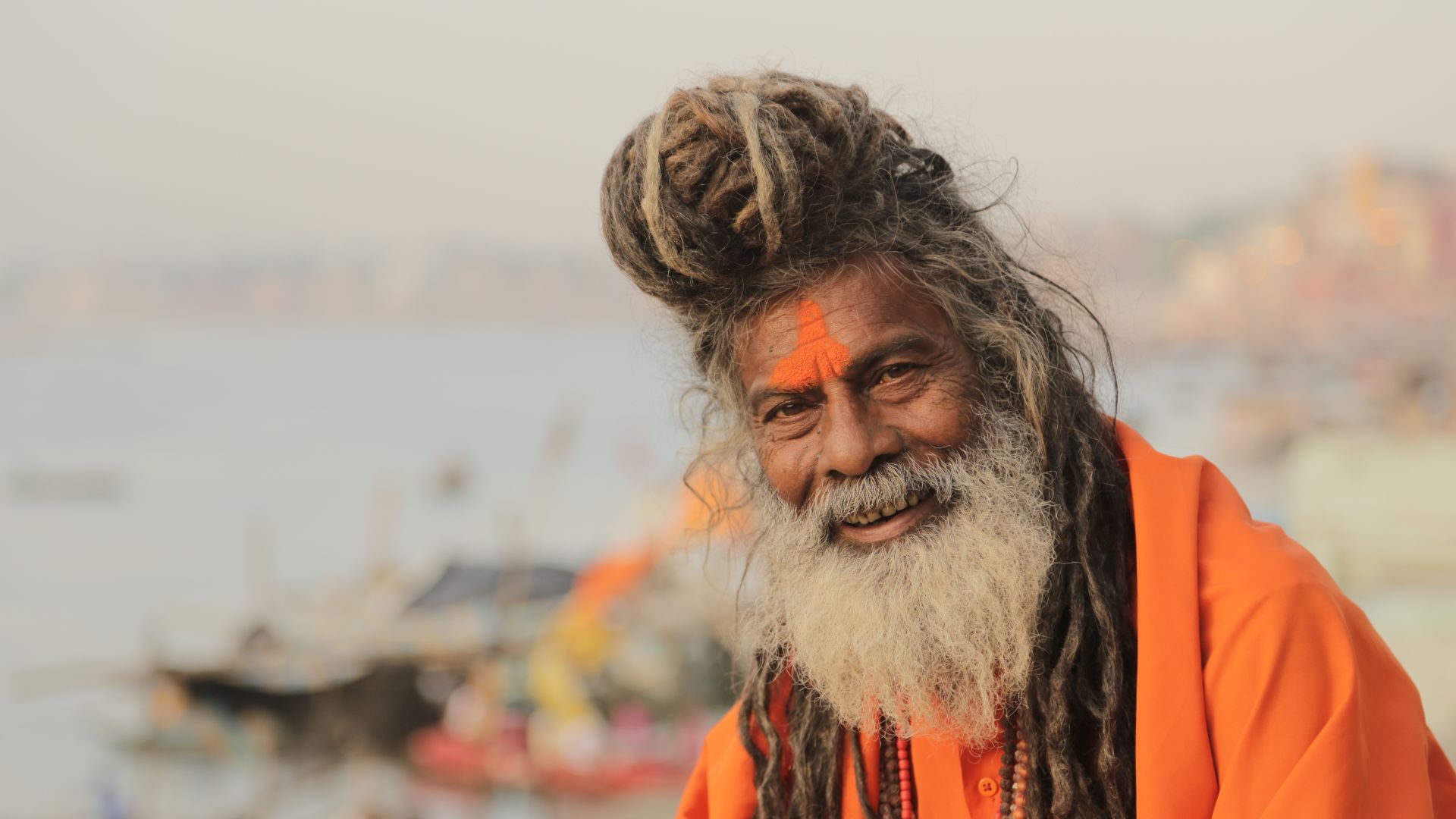
Varanasi, arguably the spiritual capital of India, has long been a focal point for religious pilgrimage. However, the contemporary traveler’s engagement with the city is moving beyond the observation of the Ganga Aarti—the daily lamp-lighting ceremony—toward a more participatory experience. Local guides like Ankita Jaiswal, who was raised in the city, emphasize the power of the "evening walk" through the labyrinthine markets.
In these spaces, the intersection of commerce and spirituality is seamless. As temple bells ring and incense fills the air, shopkeepers pause their transactions to offer prayers at their doorsteps. This "slowing down" of one of the world’s oldest inhabited cities offers a counter-narrative to the common perception of India as a place of perpetual chaos.

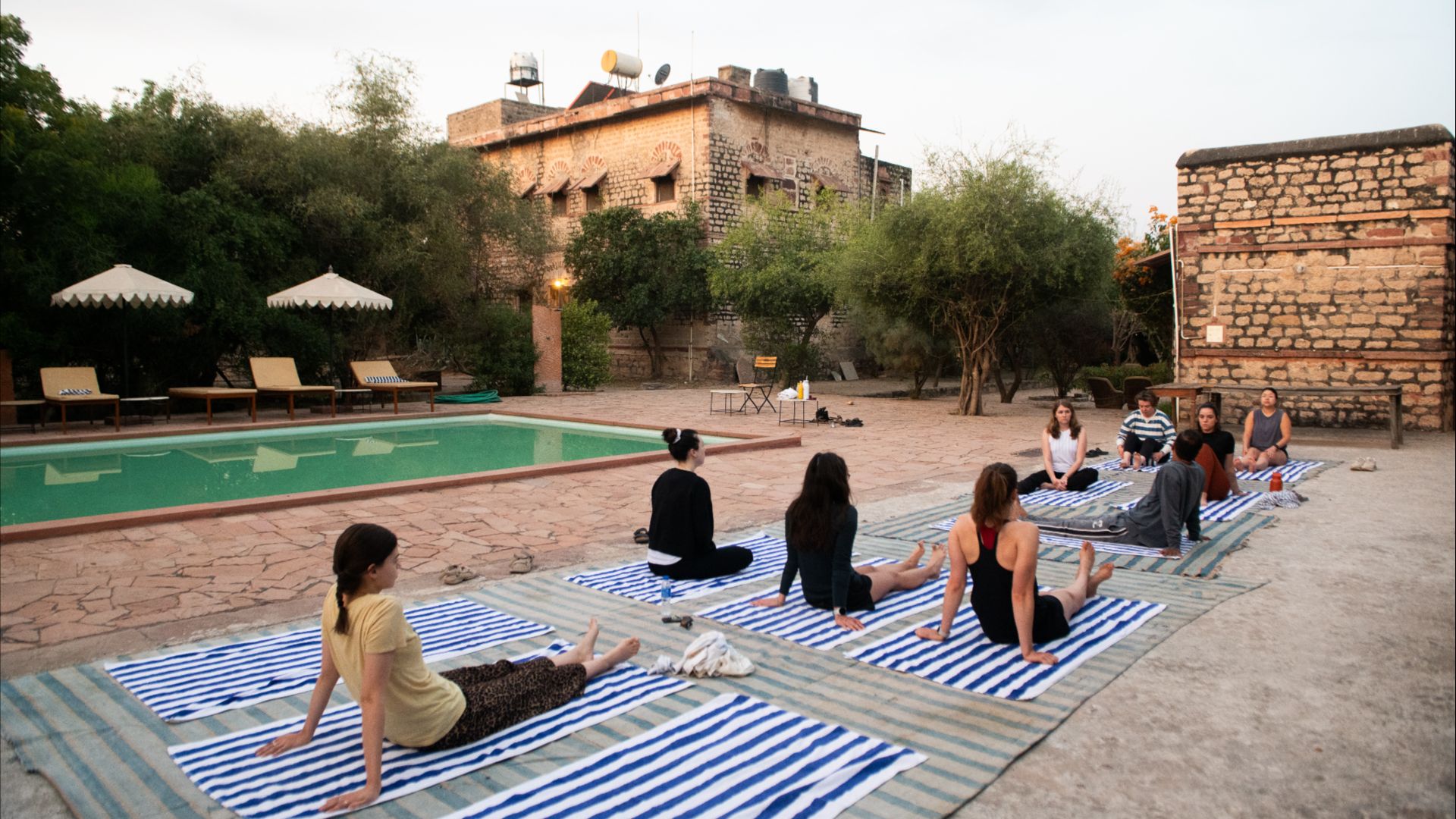
Similarly, in the Himalayan foothills of Rishikesh, the perception of yoga is being reclaimed from its Westernized, fitness-centric iterations. In India, yoga is viewed as a holistic lifestyle and a daily ritual for self-discovery. By engaging with local teachers in the city’s traditional ashrams, travelers are exposed to the philosophical and meditative roots of the practice, reinforcing the idea that Indian culture is a lived experience rather than a performance for tourists.
Socio-Economic Impact: Rickshaws and Women’s Empowerment
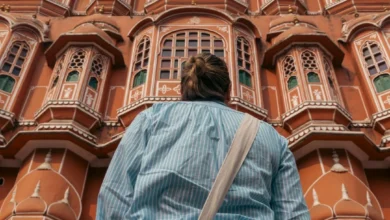
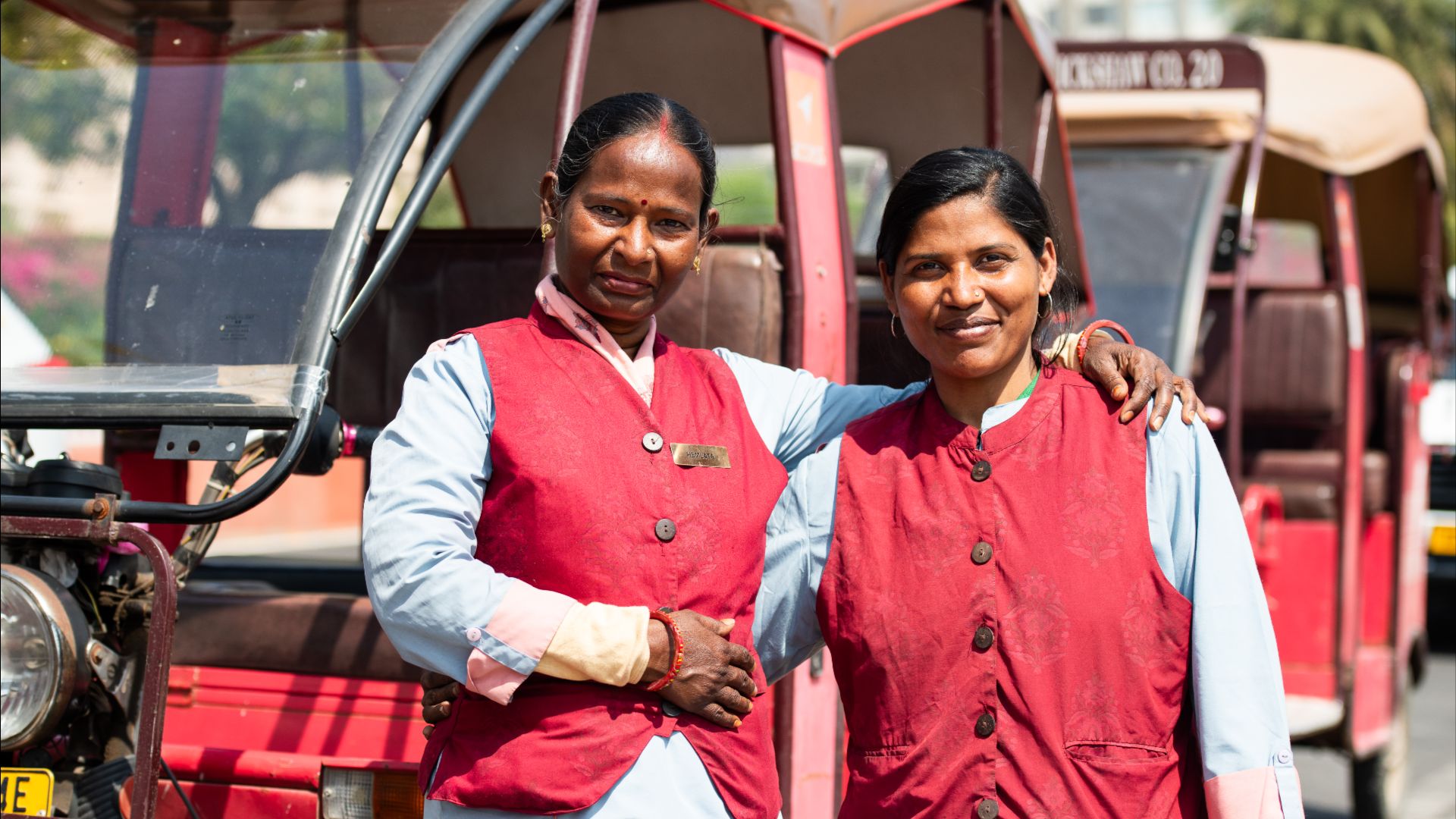
The logistics of Indian travel are also being leveraged for social good. The auto-rickshaw, a ubiquitous three-wheeled vehicle, is no longer just a means of navigating traffic; in cities like Jaipur, it has become a tool for economic mobility. The Pink City Rickshaw Company, a non-profit initiative, provides employment opportunities for women from low-income households.

This program addresses a critical gap in the Indian labor market. According to the Periodic Labour Force Survey (PLFS), while female labor force participation in India has seen an uptick, significant barriers remain in traditional sectors. By putting women in the "driver’s seat" of a traditionally male-dominated profession, such initiatives allow travelers to hear firsthand stories of social change while zipping through the streets of the "Pink City." This model of tourism ensures that the economic benefits of travel are distributed directly to the community’s most vulnerable members.
The Culinary Landscape: Agriculture, Tradition, and the "First Transaction"
India’s culinary identity is as fragmented and diverse as its geography. The global popularity of "Indian food" often obscures the hyper-local traditions that define the country’s various states. In Kerala, the focus is on the "source-to-cup" journey of tea. As the world’s second-largest producer of tea, India’s tea industry employs over 1.1 million plantation workers.
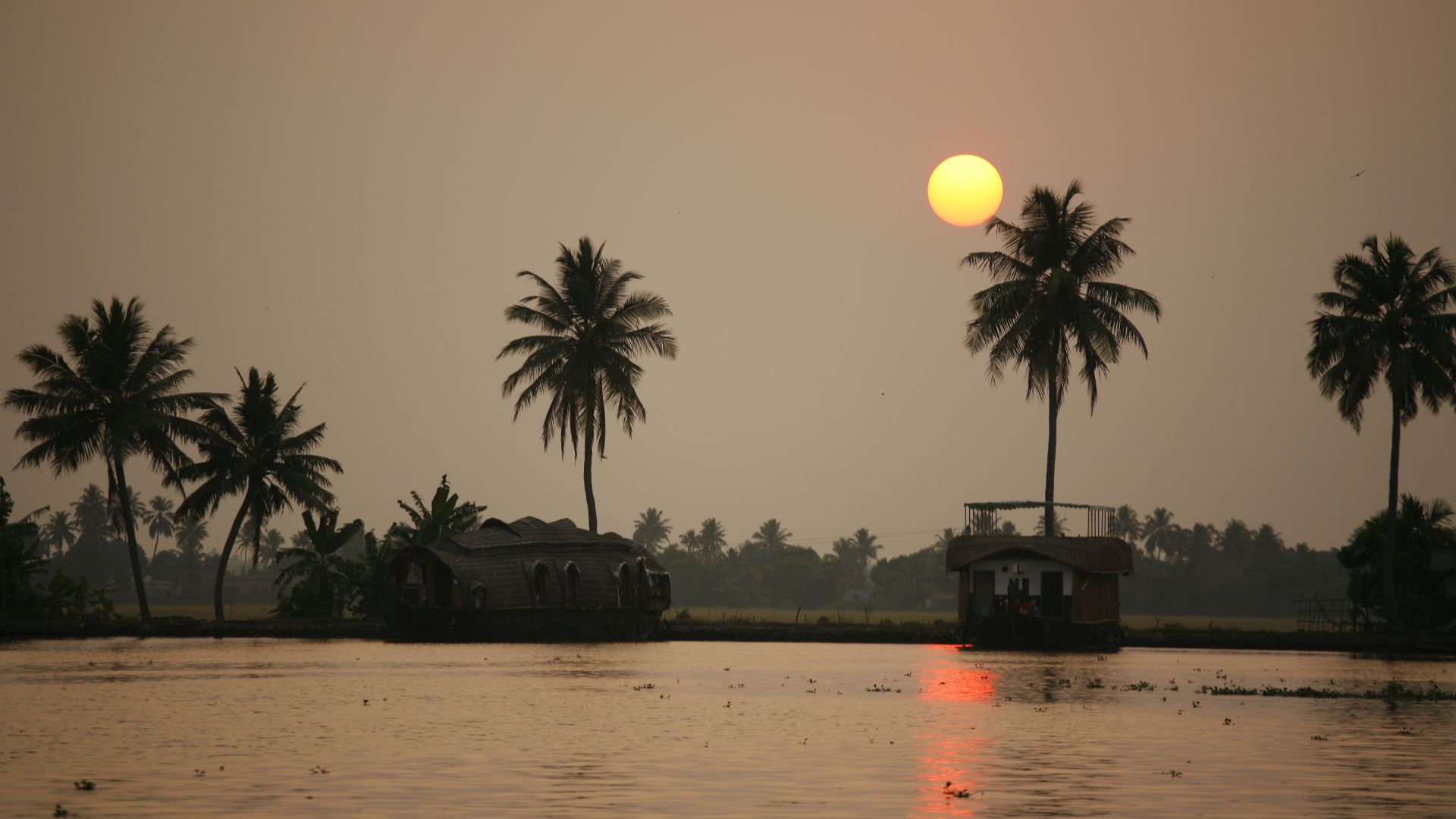
Visits to the rolling estates of Munnar allow travelers to participate in the harvest, providing a rare glimpse into the agricultural backbone of the region. Kuldeep Pujari, a local expert in South Indian adventures, notes that picking tea leaves alongside local farmers fosters a deeper cultural connection than mere consumption.
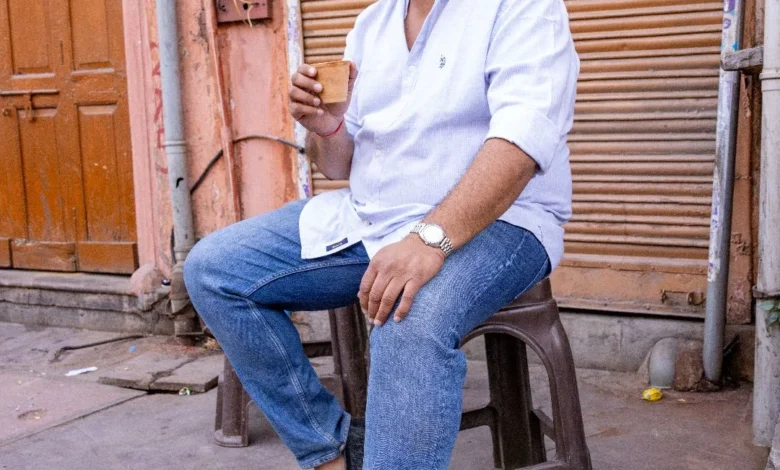
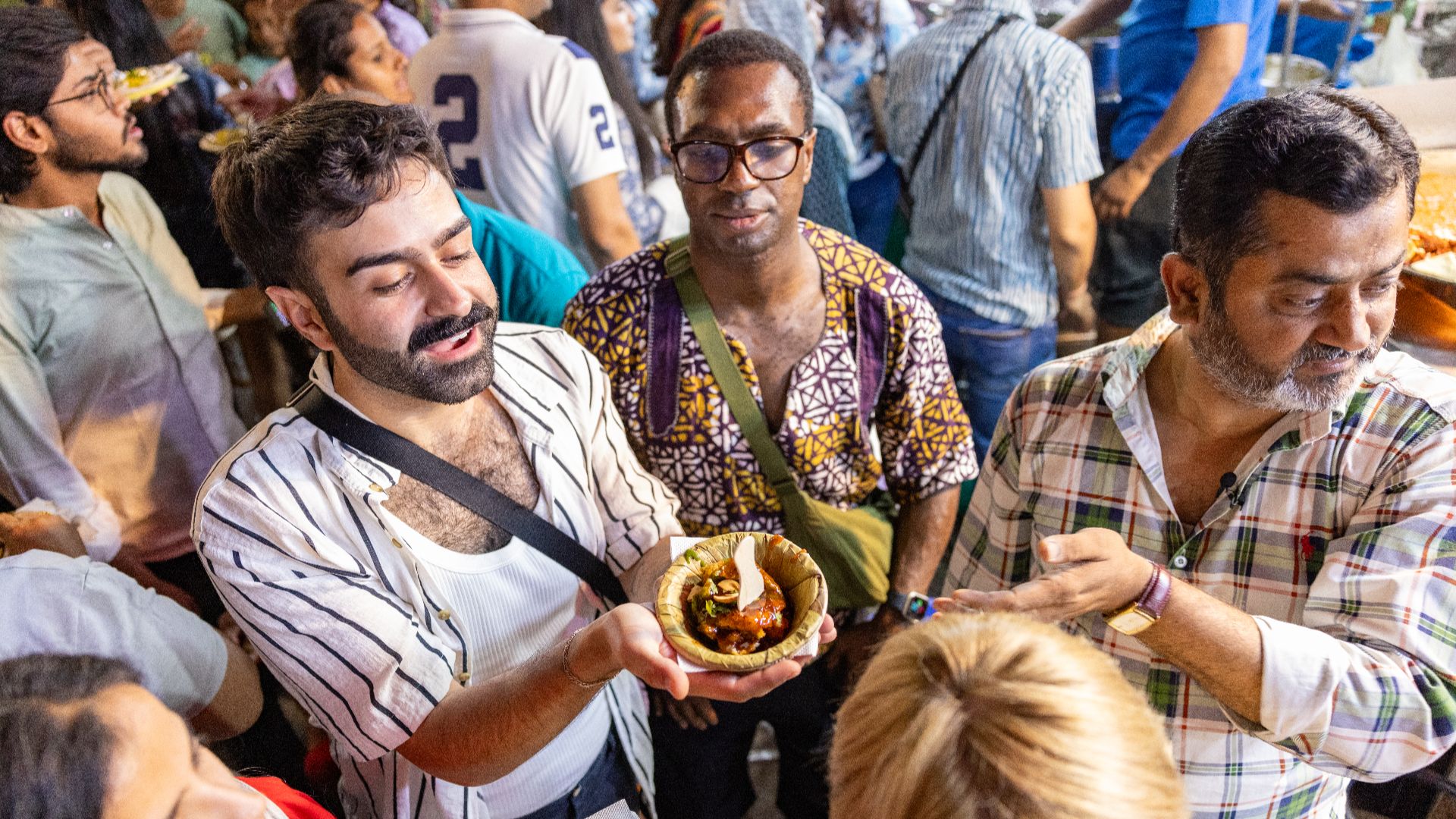
In the urban centers, street food serves as the ultimate equalizer. However, the experience of buying a samosa or a cup of chai is often dictated by ancient customs. Mahaveer Singh, a local guide, explains the concept of the Bohni—the first transaction of the day. It is considered highly auspicious, and shopkeepers will often bless the currency received from their first customer. For the traveler, being the "first customer" is not just a commercial interaction but a participation in a ritual of hope and prosperity.
Cinema and Festivals: The Pulse of Local Life
Bollywood is a $2.5 billion industry that produces upwards of 2,000 films annually, making it a cornerstone of Indian soft power. However, the true impact of cinema is best felt in a traditional 1970s-era theater like Jaipur’s Raj Mandir. The experience is communal and high-energy; audiences frequently whistle, cheer, and even dance in the aisles when their favorite stars appear. This level of engagement provides a window into the collective emotional life of the Indian public.
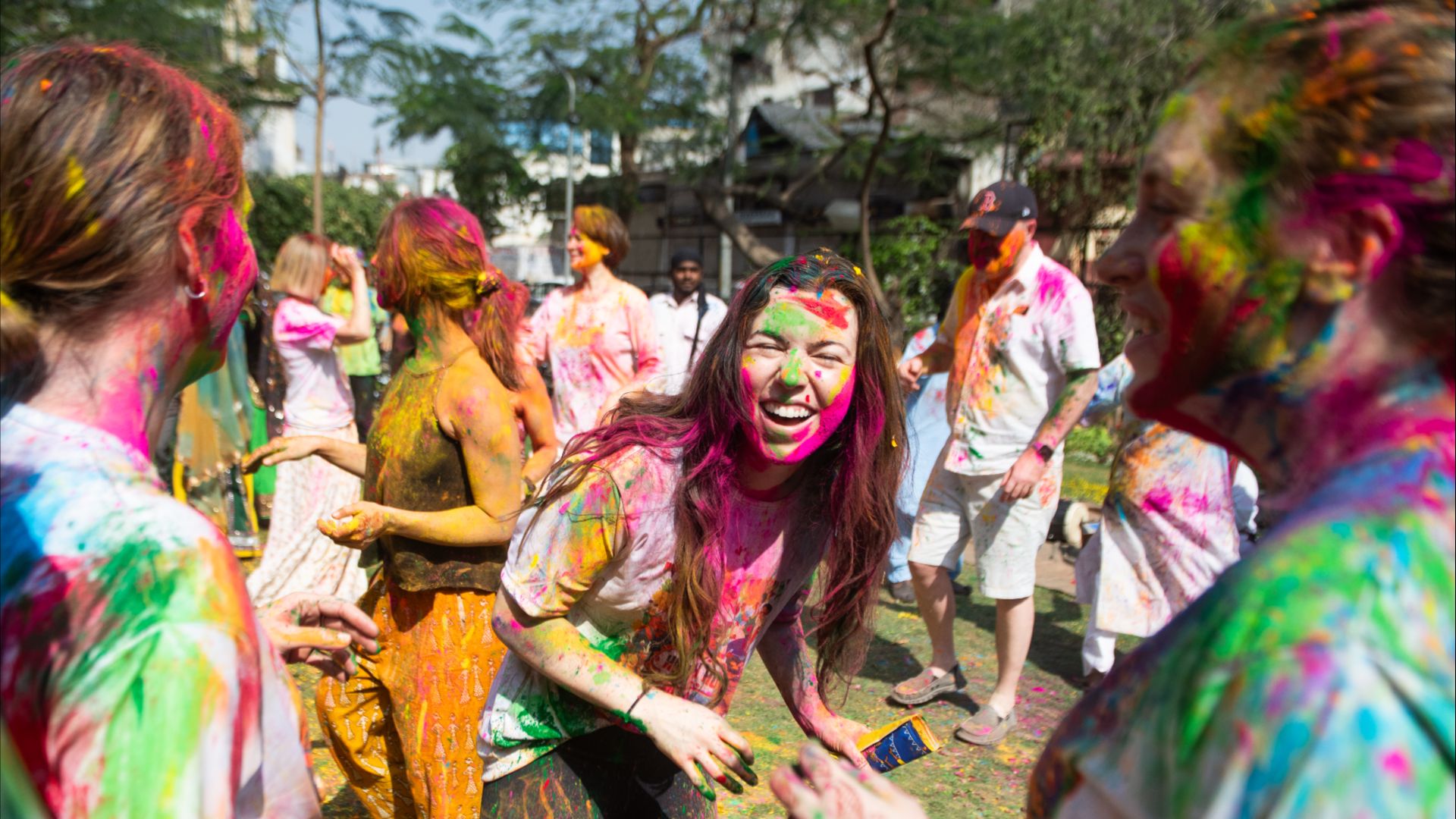
Furthermore, the alignment of travel schedules with seasonal festivals—beyond the globally recognized Holi and Diwali—offers a more nuanced understanding of the country. Basant Panchami, which marks the arrival of spring, transforms the skylines of cities like Jaipur as families gather on rooftops to fly kites. These moments are unscripted and "unstaged," representing the continuity of tradition in a rapidly modernizing society.
Preservation of Traditional Crafts and Artisanal Heritage
The textile industry is one of the oldest in India, contributing significantly to the country’s export economy. Yet, the art of hand-weaving and traditional dyeing is under threat from industrial automation. In villages like Chandelao, projects such as Sunder Rang are working to keep these skills alive.
When a traveler learns about the difference between a Chikankari sari from Lucknow and a Patola sari from Gujarat, they are engaging with centuries of hereditary knowledge. These interactions often include workshops in Mehndi (henna) or Rangoli, transforming the visitor from a passive observer into a temporary custodian of the craft.
Broader Implications for the Global Travel Industry
The trend toward locally-led, small-group adventures in India represents a broader shift in the global travel industry toward "impact tourism." By prioritizing local leaders—who understand the nuances of language, etiquette, and tradition—travel companies can facilitate deeper connections that transcend the language barrier.
The implications of this shift are twofold:

- Economic Resilience: Directing tourism dollars toward local guides, women-led cooperatives, and rural artisans ensures that the industry supports sustainable development.
- Cultural Preservation: By valuing "authentic" and "everyday" experiences, tourism can provide a financial incentive for communities to preserve traditional crafts and rituals that might otherwise be lost to globalization.
Conclusion: The Most Memorable Monuments are People
While the architectural wonders of India will always hold a place in the hearts of travelers, the most enduring memories of the country are increasingly found in its human interactions. Whether it is a conversation with a rickshaw driver in Jaipur, a shared cup of chai on a Keralan houseboat, or a meditative morning in the Himalayas, these moments provide a "deeper cultural layer" that monuments alone cannot offer.
As India continues to grow as a global tourism powerhouse, the emphasis on regionality and local connection will be crucial in ensuring that the country remains not just a destination to be seen, but a culture to be experienced. The "real India," as local experts suggest, is indeed found in the pauses between the landmarks—in the quiet rituals, the shared meals, and the everyday resilience of its people.