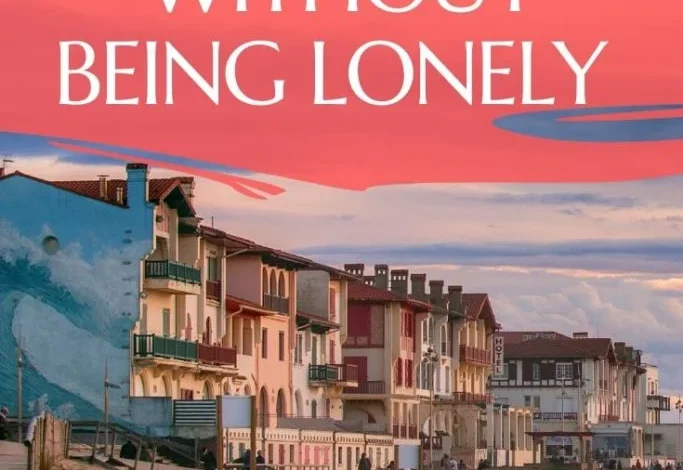
The Rise of the "Solivagant": Understanding the Modern Solo Traveler
The term "solivagant," derived from the Latin words for "alone" and "wandering," has seen a resurgence in digital discourse as the demographic profile of the solo traveler evolves. Historically associated with young backpackers on shoe-string budgets, solo travel now encompasses a broad spectrum of age groups, including "silver splitters" (older adults traveling alone after divorce or bereavement) and professional digital nomads.
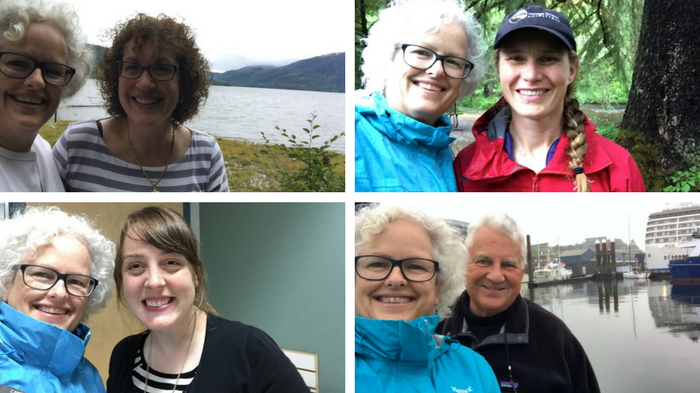
The core appeal of solo travel lies in its flexibility. Travelers are not bound by the compromises inherent in group dynamics, allowing for a hyper-personalized itinerary. Yet, the paradox of solo travel is that being "alone" does not necessitate being "lonely." According to consumer behavior analysts, solo travelers are often perceived as more approachable by locals. Without the "social bubble" of a companion, individuals are more likely to observe their surroundings and engage in spontaneous interactions. This openness creates a vacuum that local hospitality and curiosity often fill, leading to what travel psychologists call "micro-connections"—short but meaningful interactions that satisfy the human need for social belonging.
A Chronology of Solo Travel Evolution
The trajectory of solo travel has shifted through several distinct phases over the last half-century:
- The Counter-Culture Era (1960s–1970s): Solo travel was largely characterized by the "Hippie Trail," where individuals sought spiritual enlightenment in Asia and Europe. Connectivity was limited to physical letters and "Poste Restante" services.
- The Information Age (1990s–2000s): The rise of the internet and guidebooks like Lonely Planet democratized information, making it safer and easier for individuals to navigate foreign lands without a guide.
- The Social Media Revolution (2010s): Platforms like Instagram and Facebook transformed solo travel into a curated lifestyle choice. However, this era also introduced "performative travel," where digital connection sometimes replaced physical interaction.
- The Post-Pandemic Resilience (2022–Present): Following years of lockdowns, there is a heightened desire for autonomy and "meaningful" travel. Modern solo travelers are increasingly seeking authentic social engagement over superficial sightseeing.
Statistical Overview: The Economic Impact of Going Solo
Data from the 2023 Solo Traveler World survey indicates that 66% of solo travelers choose this mode of transport because they "want to see the world and don’t want to wait for others." Furthermore, a report by Booking.com revealed that 54% of solo travelers are motivated by the desire to meet new people.
The travel industry has responded to these metrics by adjusting its economic models. Historically, solo travelers were penalized by "single supplements"—additional fees charged to individuals occupying a room designed for two. However, a 2024 audit of major cruise lines and tour operators shows a 15% increase in the availability of single-occupancy cabins and the waiving of supplements on specific "solo-friendly" departures. This shift represents a broader recognition of the solo traveler as a high-value, frequent-spending consumer segment.
10 Strategic Methods for Social Connection
To mitigate the risk of isolation, solo travelers are increasingly utilizing specific "social anchors" to foster community. The following ten strategies represent the most effective methods for maintaining social health while traveling alone.
1. The Coffee Shop as a Social Hub
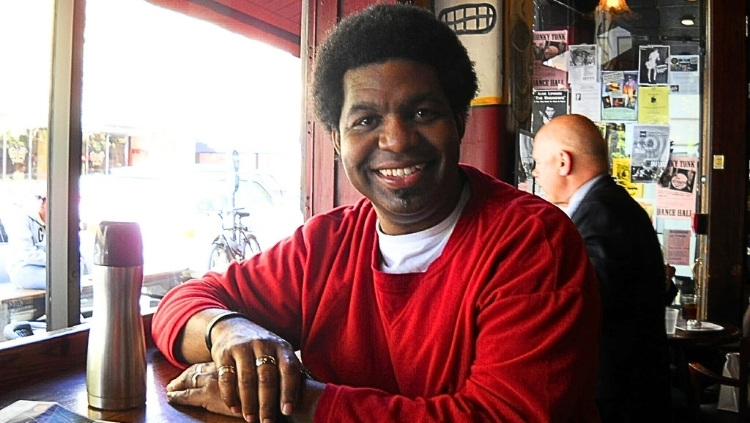
Urban sociology suggests that coffee shops function as "third places"—environments that are neither home nor work. For the solo traveler, frequenting the same local café at the same time each morning can lead to recognition by staff and regulars, facilitating low-stakes social integration.
2. Activity-Based Socializing: The "Ski Lift" Effect
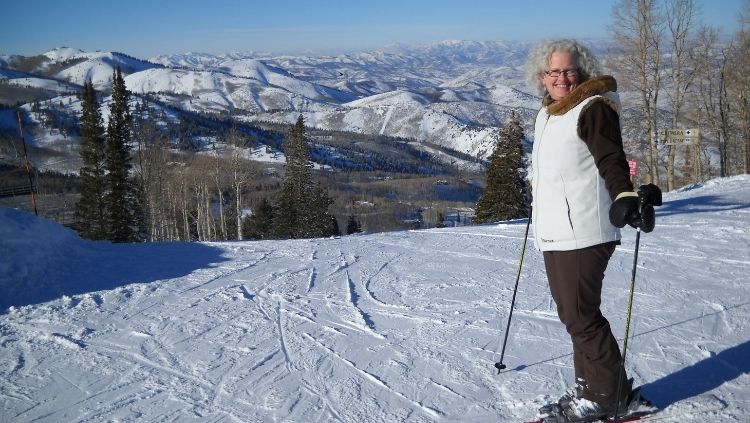
Engaging in sports or hobbies like skiing, surfing, or hiking naturally groups individuals together. In Park City, Utah, and similar resort towns, solo skiers often utilize the "singles line" for lifts, providing a consistent five-to-ten-minute window for conversation with diverse individuals.
3. Transit-Based Networking
Long-distance rail travel, such as the VIA Rail routes across Canada or the Eurail network, provides a unique social environment. The shared experience of the journey and the communal nature of dining cars often lead to multi-day friendships and group activities.
4. Language and Cultural Immersion Schools
Enrolling in a short-term language school in cities like Lyon, France, or Antigua, Guatemala, offers an immediate social circle. These institutions frequently organize group outings, such as wine tastings or cooking classes, which provide a structured environment for solo travelers to meet peers with similar interests.
5. Small Group Tours for Soloists
Many travel agencies now specialize in "small group tours for solo travelers." These itineraries provide the safety and logistics of a group while ensuring that everyone is in the same social boat—traveling alone but open to shared experiences.
6. The Rise of Communal Dining
The "table d’hôte" or communal table movement in restaurants allows solo diners to sit with others rather than at a solitary table. This format is increasingly popular in culinary hubs like Tokyo and Paris, where dining is viewed as a social act.
7. Volunteering and "Voluntourism"
Participating in local community projects or environmental initiatives provides a shared purpose. Working toward a common goal is one of the fastest ways to build rapport with both locals and other international volunteers.
8. Walking Tours and "Greeter" Programs
Free walking tours are a staple of the solo travel experience. They provide a safe, daylight-based environment to meet others. Additionally, "Greeter" programs—where locals volunteer to show visitors their city—offer a bridge to authentic local life.
9. Digital Connectivity Apps
Platforms such as Meetup, Bumble BFF, and solo travel-specific apps like "Tourlina" or "Backpackr" allow travelers to find local events or other travelers nearby. These tools act as a digital safety net for those seeking immediate companionship.
10. Staying in "Social" Accommodation
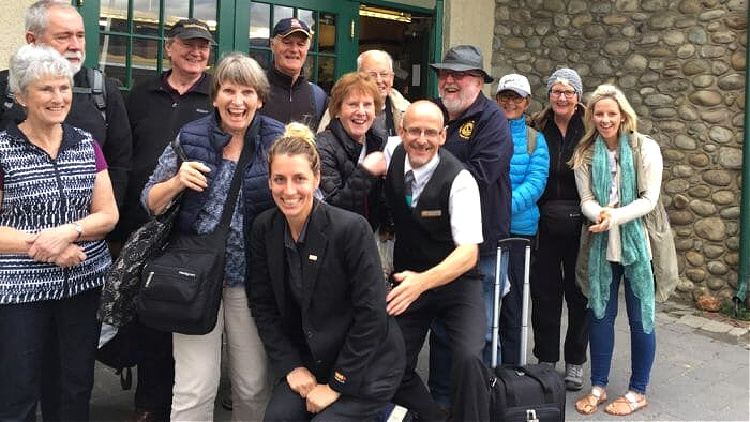
While hostels remain the traditional choice for social travelers, "co-living" spaces and boutique hotels with active common rooms are catering to an older, more affluent solo demographic. These spaces are designed specifically to encourage interaction through shared kitchens, lounges, and organized events.
Official Responses and Industry Adaptation
The hospitality sector is undergoing a structural transformation to accommodate the solo demographic. "We have seen a double-digit increase in solo bookings over the last 24 months," stated a spokesperson for a major European hotel chain. "In response, we are redesigning our lobby spaces to be more ‘co-working’ and ‘co-social’ friendly. We are moving away from the traditional desk-and-chair model to create open environments where a solo traveler feels comfortable sitting with a laptop or a book without feeling out of place."
Airlines are also noting the trend. Several carriers have begun testing "social seating" options in their booking apps, allowing passengers to opt-in to sharing their social media profiles or interests with their seatmates, potentially turning a ten-hour flight into a networking opportunity.
Safety and Ethics in the Solo Space
Journalistic analysis of solo travel must also address the safety implications. While the social benefits are numerous, solo travelers—particularly women and marginalized groups—face unique risks. Industry experts emphasize the "social safety" paradox: while meeting people is a goal, maintaining a degree of skepticism is a safety requirement.
Official travel advisories from the U.S. State Department and the UK Foreign Office frequently include sections on solo travel, recommending that individuals share their itineraries with trusted contacts and avoid over-disclosing their "solo" status to strangers in non-secure environments. The consensus among travel safety consultants is that social connection should be sought in public, structured settings (like tours or classes) before moving to private or unverified social engagements.
Broader Implications: The Future of Global Citizenship
The shift toward solo travel and intentional connection has broader implications for global diplomacy and mental health. Sociologists suggest that solo travelers act as "informal ambassadors." Because they are more likely to engage with locals on a one-on-one basis, they often return home with a more nuanced, less stereotypical understanding of foreign cultures.
Furthermore, the "loneliness epidemic" currently affecting many Western nations has positioned solo travel as a potential form of "social therapy." By forcing individuals out of their comfort zones and into situations where they must initiate contact with strangers, solo travel builds social resilience and self-efficacy.
As we look toward 2026, the trend of traveling alone—not as an act of isolation, but as a strategy for genuine connection—is expected to grow. With the continued removal of economic barriers like the single supplement and the proliferation of technology designed to bridge the gap between "alone" and "lonely," the world is becoming increasingly accessible to the solitary wanderer. The modern solo traveler is not running away from society; they are running toward a more diverse, spontaneous, and interconnected version of it.