Alaska, a land of unparalleled natural grandeur, spans an immense 586,000 square miles, hosting a diverse tapestry of more than a dozen national parks and preserves, yet remaining sparsely populated with fewer than 750,000 residents. This vastness ensures that any journey into the Alaskan wilderness, regardless of the mode of exploration, promises encounters with landscapes primarily shaped by and inhabited by wildlife. While specialized expedition cruises often market exclusive, intimate animal encounters at premium price points, typically upwards of $15,000 per person, a standard cruise ship sailing offers a remarkably similar, profound experience for a significantly lower cost. This invaluable insight was gleaned from a recent week-long voyage at sea during the opening of the Alaska cruise season in May 2024, confirming that the awe-inspiring wildlife spectacles of the Last Frontier are indeed within reach for many travelers.
Navigating Alaska’s Wild Seasons
The recent May 2024 sailing marked a return to Southeast Alaska for this observer, following a prior journey four years earlier in late September, which typically signifies the tail end of the cruising season. While the characteristic Alaskan weather – often rainy and chilly – remained consistent across both trips, the wildlife observed presented a fascinating seasonal dichotomy. The autumn expedition of 2022 was dominated by thousands of sea otters and bald eagles, species that were notably less abundant during the spring 2024 cruise. Conversely, the earlier spring season unveiled a magnificent profusion of orcas, humpback whales, and, surprisingly, numerous Rufous hummingbirds. This seasonal variation underscores the dynamic nature of Alaska’s ecosystems and the migratory patterns of its inhabitants. Essential gear for maximizing these encounters, as proven by experience, includes a high-quality pair of binoculars and a reliable camera, allowing for detailed observation and documentation from a respectful distance.
The Alaska cruise season generally runs from early May through late September, each month offering distinct opportunities for wildlife viewing. Early spring (May-early June) is characterized by the return of migratory whales, including humpbacks and gray whales, to their feeding grounds, often making for spectacular sightings as they arrive en masse. The vibrant green of newly emerged foliage also adds to the scenic beauty. Mid-season (late June-August) is often the warmest and driest period, coinciding with the peak of the salmon runs, which in turn attracts bears, eagles, and other predators. This period also sees a high concentration of marine mammals. Late season (September) brings cooler temperatures and often fewer crowds, with opportunities to witness bears feasting on the last of the salmon and the onset of fall foliage, offering a different kind of visual splendor. The changing light and fewer daylight hours can also create dramatic photographic conditions. Understanding these seasonal nuances is key for travelers planning their Alaskan adventure.
Icy Strait Point: A Gateway to Orca Encounters
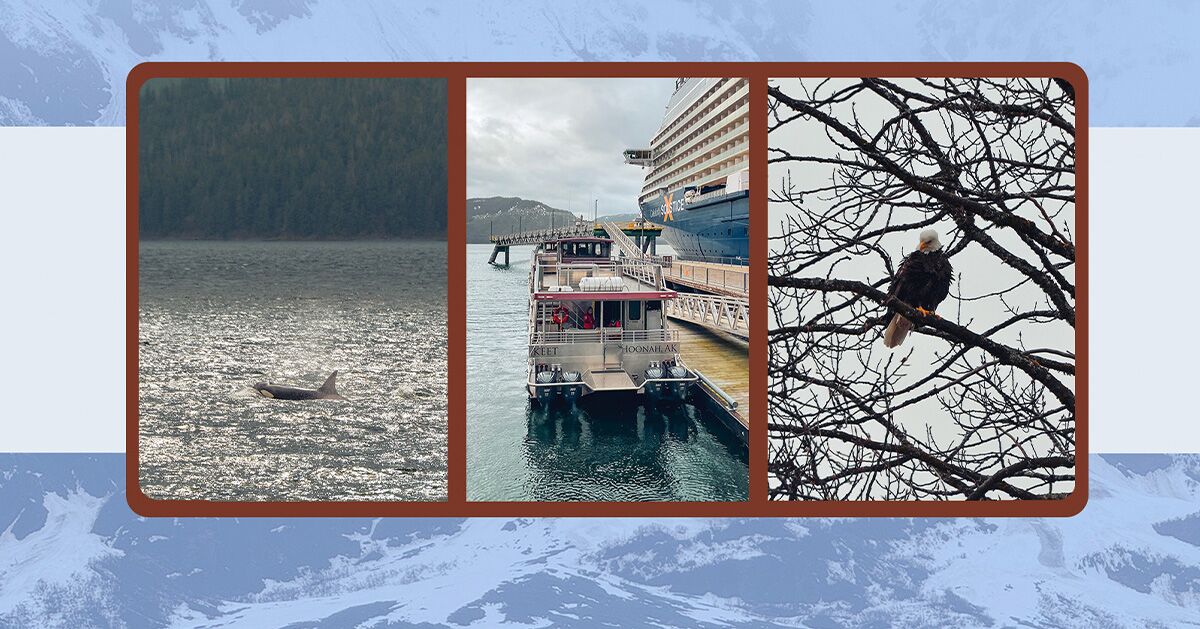
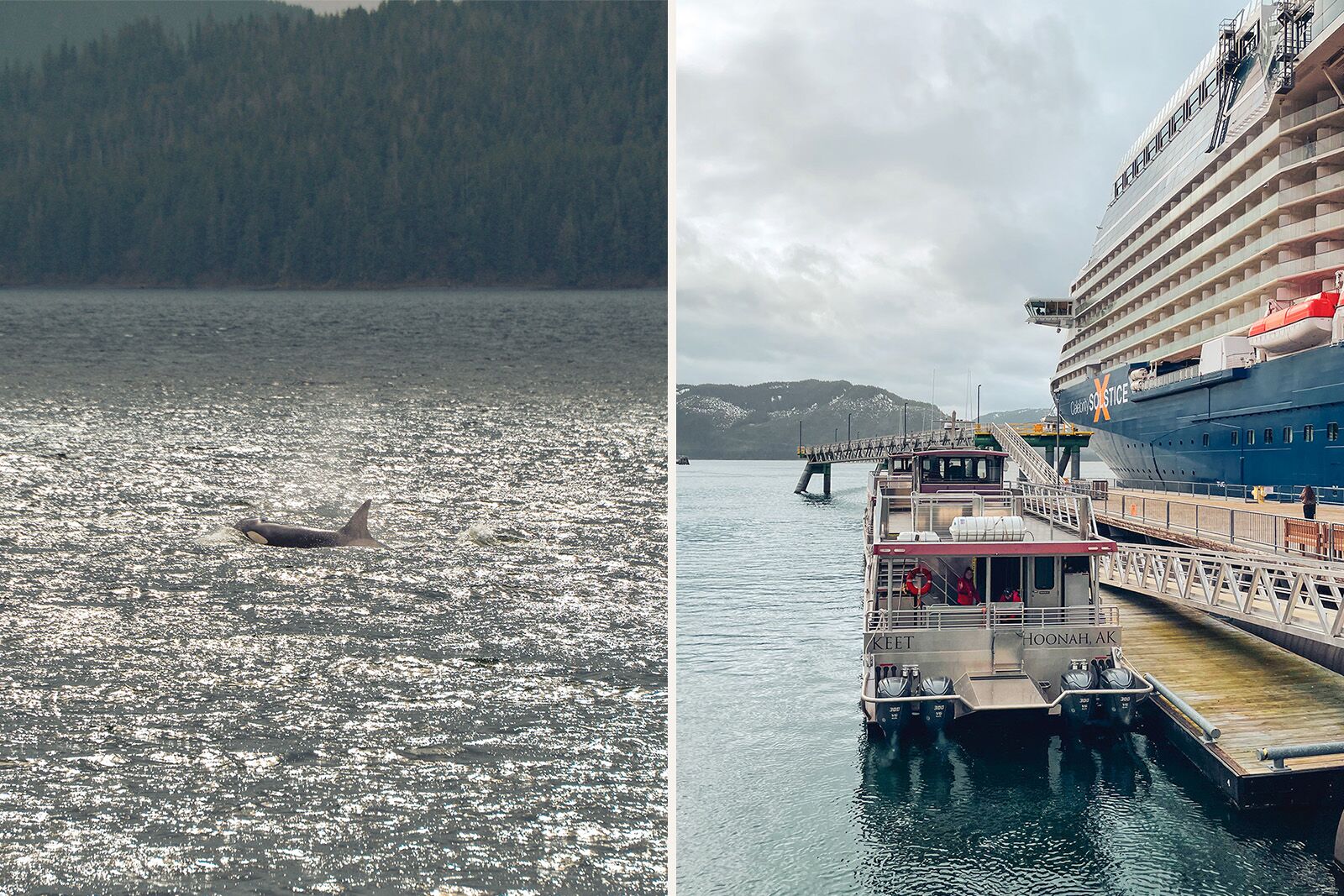
Among the most exhilarating wildlife moments of the journey unfolded at Icy Strait Point, a unique, Indigenous-owned cruise ship destination nestled in Hoonah, Alaska. This vibrant cultural and natural hub, managed by the Huna Totem Corporation on behalf of the local Tlingit community, offers a range of activities from exhilarating ziplining and scenic cable car rides to immersive cultural experiences. However, for those seeking marine life, a 2.5-hour whale and marine mammals cruise proved to be the highlight. While many whale-watching operations increasingly offer sighting guarantees, the unpredictable nature of wild animals means direct encounters are never truly assured. Our captain and onboard naturalists, seasoned experts in the local waters, wisely refrained from making upfront promises, though they did share the encouraging news of a pod of orcas recently sighted in the vicinity. A sense of positive anticipation permeated the vessel, aptly named Keet, the Tlingit word for orca.
Within a mere ten minutes of navigating the pristine waters of Port Frederick Fjord, known in Tlingit as Komtok Hon, the distinctive dorsal fins of a small transient pod of orcas broke the surface. The naturalists expertly guided observers in identifying the pod members: one adult male, distinguished by his strikingly tall, triangular dorsal fin, which can reach up to six feet in height; one adult female; and one juvenile, both exhibiting smaller, more curved fins. This visual differentiation is crucial, as the size and shape of their fins are primary identifiers. It’s an important clarification that despite their common moniker "killer whales," orcas are, in fact, the largest members of the dolphin family, not whales. Their immense power and sleek, hydrodynamic bodies, combined with their intelligence and social complexity, make them apex predators of the marine world. For two hours, the boat maintained a respectful distance, allowing passengers to observe these magnificent creatures in their natural habitat, a testament to responsible wildlife tourism practices that prioritize animal welfare and minimize disturbance.
Icy Strait Point’s commitment to sustainable tourism is also notable. As an enterprise owned and operated by Alaskan Natives, it emphasizes cultural authenticity and environmental stewardship. The economic benefits directly support the local Huna Tlingit community, providing employment and preserving cultural heritage. This model of tourism offers visitors not only incredible wildlife experiences but also a deeper understanding of the land and its people, promoting a more holistic and responsible travel experience.
Chasing Ice at Hubbard Glacier: A Glacial Spectacle
The journey continued towards Hubbard Glacier, a monumental natural wonder situated within the sprawling Wrangell-St. Elias National Park and Preserve. Despite its status as one of the least visited national parks in the United States due to its remote and rugged terrain, it paradoxically attracts a significant number of cruise ships. This seemingly contradictory popularity is explained by the glacier itself: Hubbard Glacier is North America’s largest tidewater glacier, a colossal river of ice that calves directly into the ocean, making it uniquely accessible by sea.
As the vessel sailed up Yakutat Bay towards the glacier, the weather, predictably for this part of Alaska, was formidable. Pouring rain, dense fog, and chilling temperatures created challenging conditions for outdoor viewing. However, proper attire – a waterproof parka, a warm woolen hat, and thick mittens – effectively mitigated the discomfort, transforming a potential hindrance into part of the authentic Alaskan experience. For those seeking additional comfort, booking a cabin with a covered balcony proved immensely beneficial, offering a sheltered vantage point from which to absorb the unfolding spectacle.
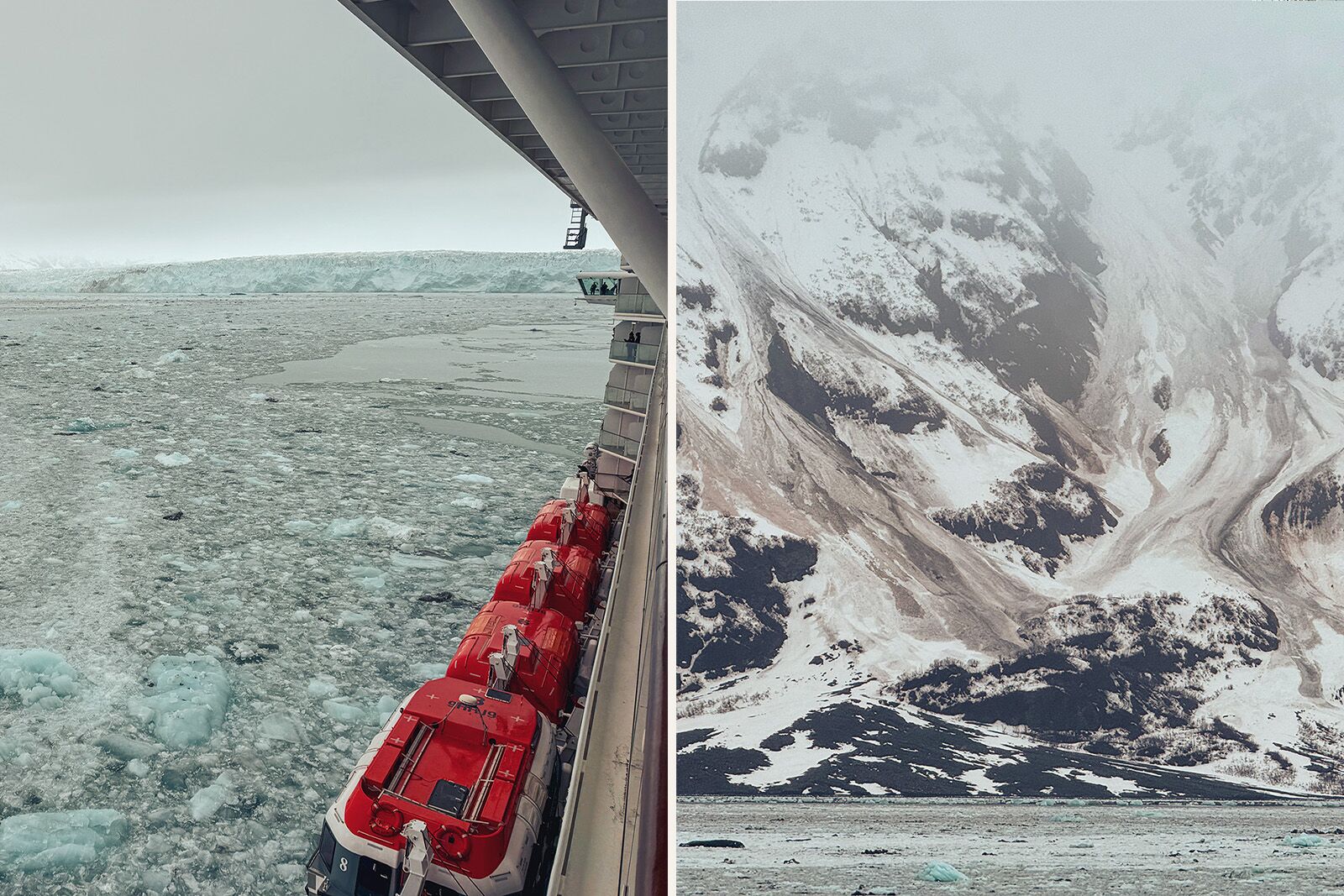
The ice, in its myriad forms, shades, and textures, undeniably dominates the scene when approaching Hubbard Glacier. The air is thick with the ambient sounds of the glacier: the deep, resonant groans and cracks as the immense ice mass shifts and moves, and the sudden, thunderous roars of calving events where colossal chunks of ice break off and plunge into the bay. Patient and observant viewers are often rewarded with the dramatic sight of large ice floes flipping over, revealing their submerged, sculpted forms. Such raw, powerful displays of nature are profound enough to make one momentarily forget the biting cold and dampness.
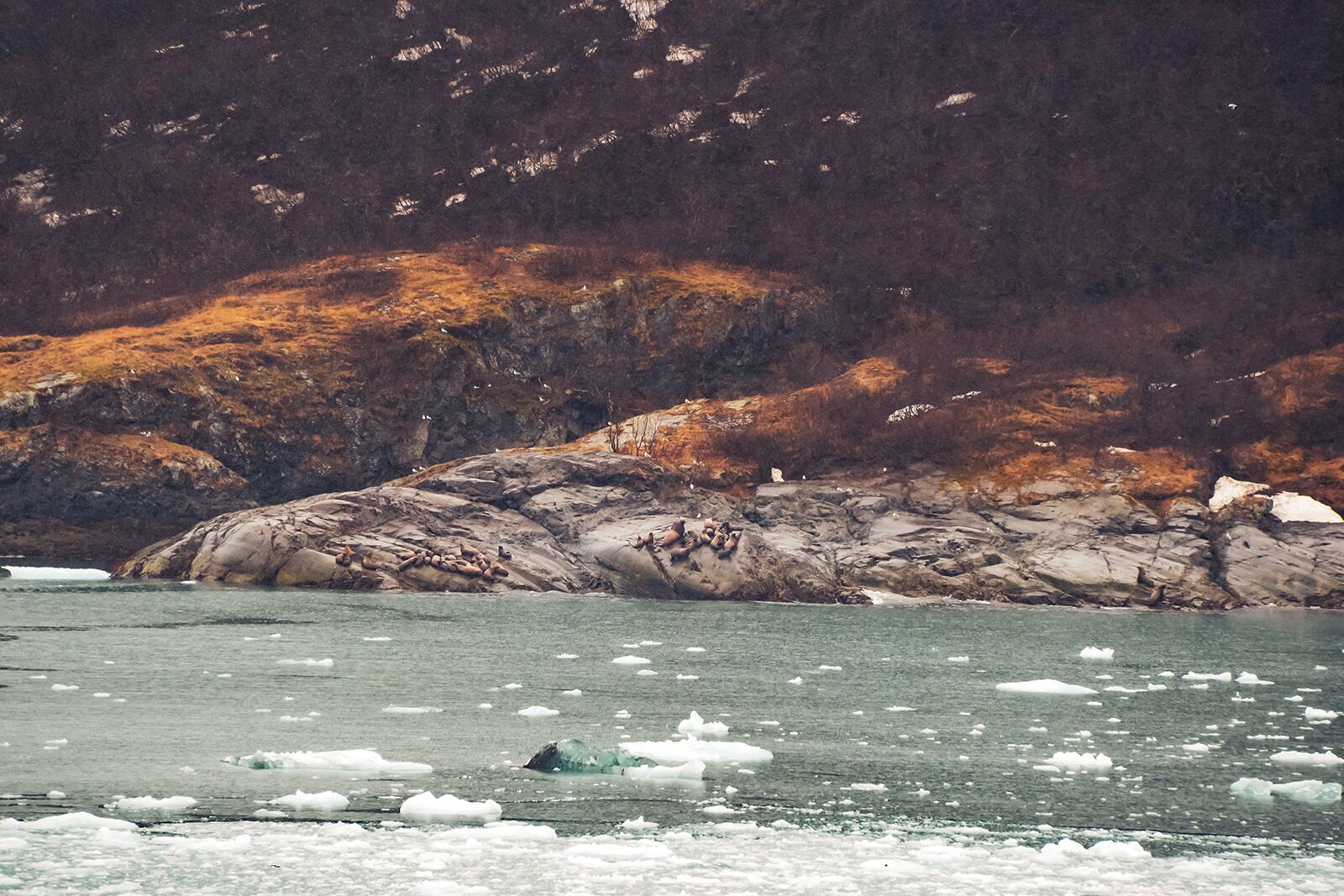
The waters surrounding Hubbard Glacier are also teeming with life, although spotting it often requires keen observation and, crucially, a good pair of binoculars. During this particular visit, several harbor seals were observed, their round heads and curious eyes frequently breaking the surface. A solitary sea otter, a keystone species of these marine environments, was also sighted. Perhaps the most unexpected avian visitor was a very curious Rufous hummingbird, its iridescent red throat a startling splash of color against the prevailing gray skies, a testament to the hardiness and adaptability of Alaska’s smaller creatures. The most significant wildlife catch of the day, however, was a large congregation of Steller sea lions resting on a rocky peninsula. Their distinctive, loud barks provided an auditory cue to their presence, but their distance from the ship and their natural camouflage against the rugged landscape made them difficult to initially locate. Once spotted, distinguishing the males, which can be nearly three times larger than the females, within the bustling colony was an impressive feat.
Conservation efforts for Steller sea lions are critical, as they are divided into two distinct populations in Alaska. The Western Steller sea lion population is currently listed as endangered under the IUCN Red List, reflecting significant declines, while the Eastern Steller sea lion population is considered near threatened. These classifications highlight the fragility of marine ecosystems and the importance of ongoing monitoring and protective measures.
Ketchikan: Eagles, Totems, and Terrestrial Life
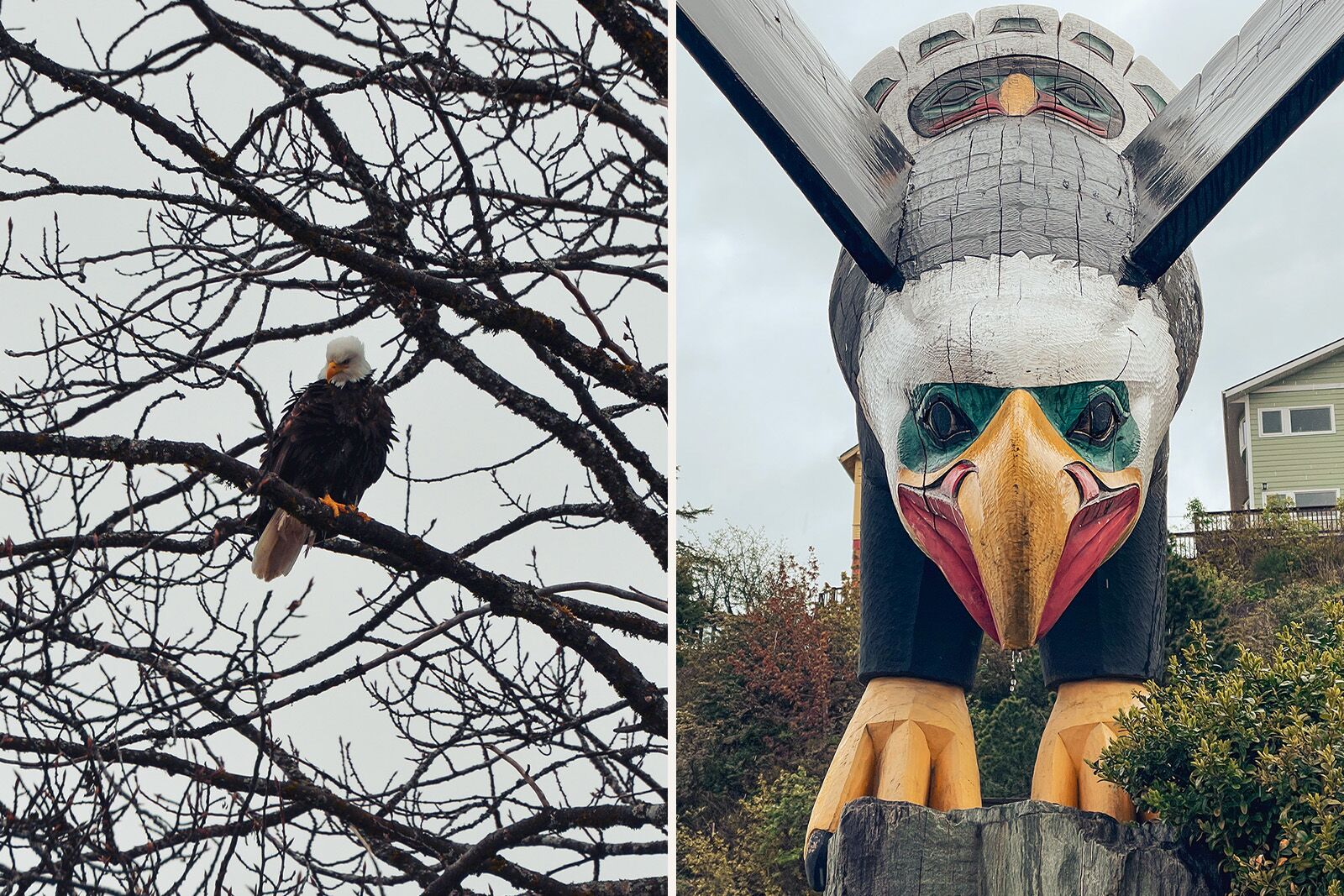
Ketchikan, often dubbed the "Salmon Capital of the World," serves as a vibrant port of call and a cultural cornerstone of Southeast Alaska. It is also a prime location for observing the majestic bald eagle. With over 70,000 bald eagles estimated to reside in Alaska, a greater number than any other U.S. state, these iconic raptors are a common sight, particularly along the coast where their primary diet of fish is abundant. Cruisers are therefore in an excellent position to spot them. The town of Ketchikan, especially during the prolific salmon runs from May through September, offers some of the best opportunities to see dozens of these birds.
Beyond Ketchikan, diligent observation throughout the region can yield sightings. For instance, an individual bald eagle and its massive nest were observed and photographed at Icy Strait Point. Bald eagle nests are architectural marvels, capable of measuring up to eight feet across, making them the largest nests of any bird in North America. These magnificent birds hold profound cultural and spiritual significance for the local Indigenous Tlingit people, frequently appearing in their art, folklore, and mythological narratives. The Totem Heritage Center in Ketchikan is an invaluable resource for experiencing this cultural connection firsthand, showcasing traditional carvings of eagles by Tlingit artists and providing deeper insights into their symbolic importance.
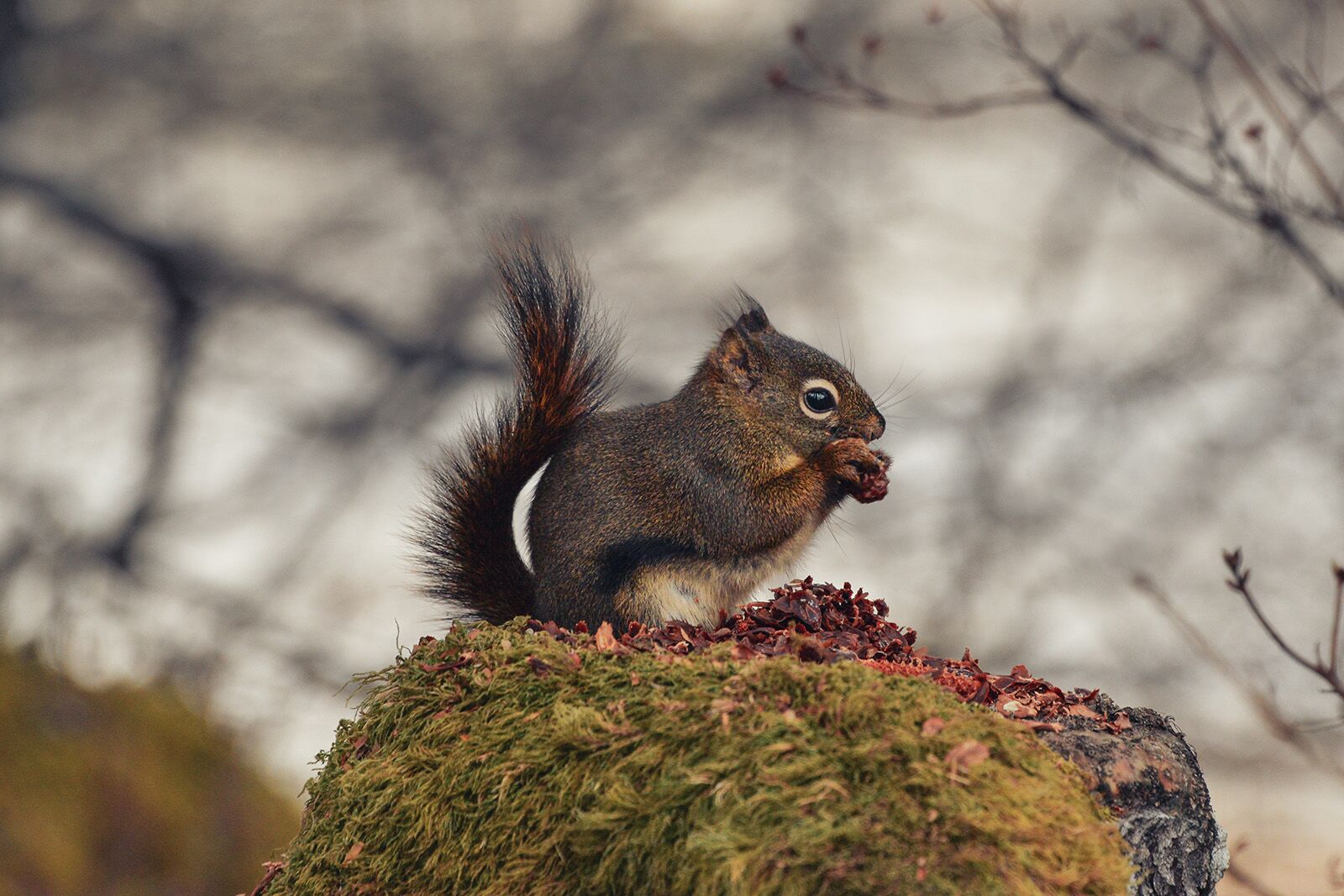
While the grandeur of Alaska’s large marine and avian species often captivates travelers, the smaller creatures of the land are equally deserving of attention. During a forest hike near one of the cruise ports, a charming red squirrel was observed meticulously chewing on a pine cone while perched on a tree stump. This common behavior for the species revealed a fascinating detail: a sizable pile of pine cone cuttings at the base of the stump indicated that this particular spot served as the squirrel’s regular "kitchen table." Once a pine cone was thoroughly consumed, the squirrel would promptly depart, retrieve another, and return to its preferred dining spot. Red squirrels are ubiquitous across almost all of Alaska, embodying the resilience and adaptability of its terrestrial wildlife. These smaller encounters often provide a quiet, intimate connection with the natural world that complements the more dramatic wildlife spectacles.
Saying Goodbye to Alaska’s Giants and Marine Marvels
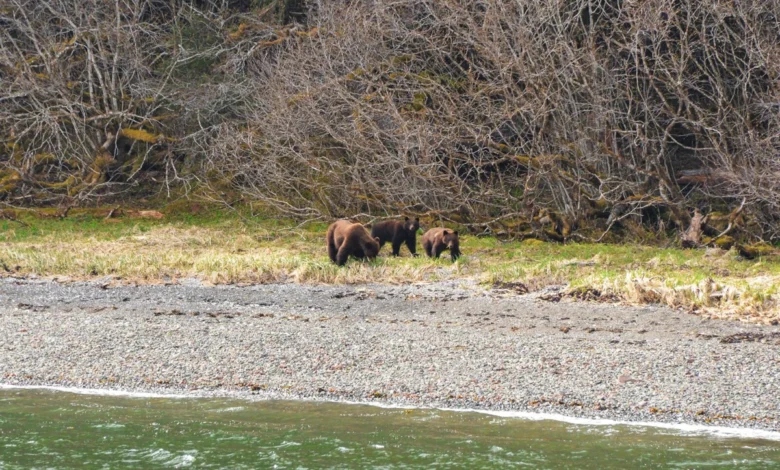
The return leg of the whale and marine mammals tour in Icy Strait Point offered a final, unforgettable encounter. The sharp-eyed captain spotted a family of three coastal brown bears – a mother and her two cubs – grazing peacefully along the shoreline. Maintaining a respectful and safe distance, the boat allowed passengers to observe these powerful creatures without disturbance. Coastal brown bears share many similarities with grizzlies, both being subspecies of Ursus arctos, characterized by their impressive size and a distinctive shoulder hump. The primary distinction lies in their diet and habitat: coastal brown bears primarily subsist on marine resources such as salmon and clams, thriving in coastal environments, while grizzlies typically inhabit inland areas, relying on berries, roots, and other terrestrial prey. This sighting provided a poignant reminder of the diverse and robust ecosystems that Alaska supports, extending from its marine depths to its forested shores.
Early spring marks a crucial period for humpback whales, as they undertake epic migrations from their breeding grounds in warmer waters such as Hawaii, Mexico, and Japan to the rich, nutrient-dense summer feeding grounds of Alaskan waters. Much like human cruisers, these magnificent cetaceans spend their spring, summer, and fall months foraging in the abundant Alaskan seas. Humpbacks are relatively easy to spot, even from afar, due to the characteristic "blow" – plumes of water vapor they exhale forcefully at the surface. Another reliable indicator of their presence is the sight of their massive flukes (tail fins) rising gracefully out of the water just before they dive deep. During the seven-day journey, hundreds of humpbacks were observed, some at a greater distance, others remarkably close, but each sighting was a source of profound delight. The Inside Passage, the intricate maritime route winding between northern Washington state and Southeast Alaska, is renowned for having some of the highest concentrations of humpback whales, making it a highly recommended route for any aspiring whale-watcher.
Harbor seals, with their distinctive round heads, long, thick whiskers, and sleek, torpedo-shaped bodies, are among Alaska’s most endearing marine species. Their naturally curious disposition increases the likelihood of sightings. One particularly bold harbor seal, seemingly accustomed to human presence, was observed swimming and frequently popping its head out of the water near the entrance of Ketchikan’s bustling Creek Street, observing the throngs of tourists with an engaging gaze. Such close-up encounters with these charismatic animals underscore the accessibility of wildlife viewing in Alaska, even in more developed areas.
Implications and the Future of Alaskan Cruises
The Alaskan cruise industry plays a significant role in the state’s economy, supporting thousands of jobs in tourism, hospitality, and related sectors. Ports like Ketchikan, Juneau, and Skagway rely heavily on the influx of visitors, generating revenue for local businesses, tour operators, and Indigenous-owned enterprises like Icy Strait Point. However, this economic benefit comes with responsibilities. Environmental considerations, including waste management, air emissions, and potential impacts on marine ecosystems, are ongoing concerns. Cruise lines, in conjunction with regulatory bodies, are continuously working to implement more sustainable practices, from advanced wastewater treatment systems to shore power connections that reduce emissions in port.
The enduring appeal of Alaska lies in its untamed wilderness and the abundant opportunities for wildlife observation. A standard cruise offers an accessible and relatively affordable means to experience this, debunking the myth that only ultra-luxury expeditions can deliver genuine encounters. The key to a fulfilling trip lies in preparedness – packing essential gear like binoculars, understanding seasonal variations, and choosing an itinerary that maximizes exposure to key wildlife habitats like the Inside Passage and specific glacier routes. Moreover, engaging with local naturalists and respecting wildlife viewing guidelines ensures that these precious encounters remain sustainable for future generations. Alaska’s giants and its smaller, equally captivating creatures continue to beckon, promising an unforgettable journey into one of the world’s last great wild frontiers.