The timeless landscape of Egypt, framed by emerald-green riverbanks and ancient monuments, unfolds at a measured pace for travelers journeying along the world’s longest river. A Nile cruise cuts directly through the cradle of civilization, offering an immersive vantage point into thousands of years of human history. For international tourists and history enthusiasts planning a comprehensive tour of North Africa, a voyage on the Nile remains a premier bucket-list experience. Understanding the logistical realities, onboard amenities, and historical context of these excursions is essential for prospective travelers looking to navigate the waters of the Nile Valley effectively.
Evolution and Background of Nile River Tourism
River travel along the Nile is far from a modern invention; it dates back to the pharaohs who utilized the waterway as the primary highway of the ancient Egyptian empire. Commercial tourism on the river began to take formal shape in the 19th century, popularized by figures such as Thomas Cook, who organized the first package tours for European travelers seeking to view the temples of Luxor and Karnak.
In contemporary tourism, the industry has evolved into a sophisticated network of floating boutique hotels. While the classic routes remain unchanged—primarily plying the waters between the southern cities of Luxor and Aswan—the vessels themselves have undergone a dramatic transformation. Today, operators offer everything from traditional-style wooden sailing boats to luxury motor vessels equipped with modern safety, navigation, and hospitality standards.
The Floating Hotel Experience: Standard Liners Versus Dahabiyas
Modern Nile cruises generally fall into two distinct categories: standard multi-deck motor vessels and traditional boutique sailing boats known as dahabiyas.

Standard cruise ships typically accommodate between 50 and 150 passengers. These vessels function similarly to floating resort hotels, complete with sun decks, swimming pools, dining rooms, lounges, and occasionally small fitness centers or spa facilities. They provide a high degree of structural stability and predictable scheduling, making them the preferred choice for first-time visitors seeking reliable amenities.
Conversely, dahabiyas offer a more intimate and historically evocative experience. These traditional, twin-masted wooden sailing vessels typically carry only 8 to 10 guests. Because they rely heavily on wind power—supplemented by towing or silent electric engines when necessary—they can navigate shallower parts of the river and dock at remote riverbanks inaccessible to larger motor ships. This allows travelers to visit lesser-known archaeological sites away from the primary tourist crowds.
Chronology and Typical Itinerary Structures
The standard duration of a Nile cruise ranges from three to seven nights, with the vast majority of itineraries operating between Luxor (ancient Thebes) and Aswan.
A typical seven-night round-trip itinerary generally follows a structured chronology designed to maximize historical immersion while allowing adequate time for rest:
- Days 1 and 2: Embarkation in Luxor. Travelers typically explore the East Bank of the Nile, including the monumental temple complexes of Karnak and Luxor. This is followed by a journey to the West Bank to view the Valley of the Kings, the Temple of Hatshepsut, and the Colossi of Memnon.
- Days 3 and 4: The vessel departs Luxor, sailing southward. Stops frequently include the dual-deity temple of Kom Ombo, dedicated to Sobek and Haroeris, and the remarkably preserved Temple of Horus at Edfu. Navigation on these stretches typically occurs during daylight hours to ensure safe passage through locks and past river traffic.
- Days 5 and 6: Arrival in Aswan. Itineraries here often feature visits to the Philae Temple complex, the Unfinished Obelisk, and the Aswan High Dam. Day trips by motorboat or felucca to the Nubian villages along the riverbanks are also common.
- Days 7 and 8: Disembarkation in Aswan or a return journey northward, depending on the specific booking terms of the tour operator.
Culinary Offerings and Onboard Dining
Food service on modern Nile cruises is designed to cater to an international clientele while introducing regional flavors. Most vessels operate on a full-board basis, offering buffet-style breakfast, lunch, and dinner, alongside afternoon tea served on the sun deck.

Culinary programs frequently blend continental cuisine with traditional Egyptian dishes. Staples of the onboard menu include koshari (a layered mix of rice, lentils, macaroni, fried onions, and tomato sauce), freshly baked flatbreads, grilled meats, and a wide variety of mezze dishes such as hummus, baba ganoush, and pickled vegetables. Special dietary requirements, including vegetarian, vegan, and gluten-free options, are routinely accommodated by major cruise operators upon advance notice.
Cultural Programming and Evening Entertainment
The travel experience extends beyond daytime archaeological excursions. As vessels dock for the evening, operators frequently curate onboard entertainment designed to reflect regional heritage and folklore.
Common evening events include traditional Nubian musical performances featuring regional instruments like the oud and tabla, belly dancing exhibitions, and galabeya parties, where guests are encouraged to wear traditional Egyptian garments. These cultural programs aim to provide context to the social traditions of the communities inhabiting the Nile Valley.
Safety, Navigation, and Health Considerations
For travelers concerned about physical well-being during transit, river cruises present distinct advantages over ocean voyages. The Nile River is generally calm, featuring flat waters and minimal currents that prevent the sudden swells or heavy waves typical of maritime environments. Consequently, the incidence of motion sickness is exceptionally low, and the slow, steady cruising speed allows passengers to adjust comfortably.
Navigation safety is tightly regulated by Egyptian transport authorities. River vessels rarely sail through the night; instead, they typically cruise during daylight and early evening hours, mooring securely at designated ports overnight. This practice ensures compliance with maritime safety protocols and provides guests with quiet, undisturbed nights of sleep.
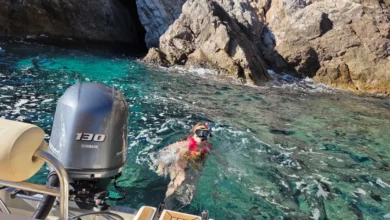
Regarding public health, swimming directly in the Nile from standard cruise ships is strictly prohibited by local authorities and operators due to river traffic and local water quality standards. However, smaller boutique dahabiyas anchoring near clean, remote riverbanks occasionally permit swimming under controlled circumstances.
Local Customs: Tipping and Financial Etiquette
Understanding local financial customs is vital for a smooth travel experience in Egypt. Tipping, locally known as baksheesh, is deeply embedded in the service culture.
On Nile cruises, operators often streamline this process by collecting a mandatory or recommended service pool fee—typically ranging between $5 and $10 USD per person, per night—at the end of the voyage to be distributed among the ship’s unseen crew members, such as chefs and housekeeping staff. Separate gratuities for local tour guides, drivers, and independent porters are usually handled individually in cash.
Economic and Tourism Implications
The Nile cruise sector remains a vital pillar of Egypt’s broader tourism economy, which accounts for a significant share of the nation’s gross domestic product and foreign exchange earnings. Following periods of geopolitical fluctuation and global travel restrictions in recent years, Egyptian tourism authorities have heavily invested in infrastructure upgrades, enhanced vessel safety standards, and improved port facilities along the Luxor-Aswan corridor.
Industry analysts note that modernizing the fleet and diversifying offerings—from high-capacity luxury liners to eco-conscious dahabiyas—has allowed operators to capture a wider demographic of travelers, ranging from luxury-seeking retirees to younger, adventure-focused tourists. As these historical routes continue to see steady international demand, the balance between heritage preservation and sustainable tourism development remains a central focus for operators navigating the world’s most famous river.

Frequently Asked Questions (FAQs)
Can I handle a river cruise if I have motion sickness?
Absolutely. Unlike the rough, dynamic currents of ocean liners, the Nile River features calm, flat waters with virtually no sudden swells or waves. The sailing pace is slow and steady, significantly reducing the likelihood of motion sickness for sensitive travelers.
Is tipping a standard practice on a Nile cruise?
Yes, tipping (baksheesh) is customary and expected in Egypt. Most cruise lines utilize a centralized tipping system, collecting a lump sum of approximately $5 to $10 USD per person, per night at the conclusion of the journey to distribute among the vessel’s crew. Tour guides and drivers are typically tipped separately.
Is there a significant difference between a standard cruise ship and a dahabiya?
Yes. A standard cruise ship is a large, multi-deck motor vessel accommodating 50 to 150 passengers, equipped with modern amenities such as pools and entertainment lounges. A dahabiya is a smaller, traditional twin-masted wooden sailing boat carrying only 8 to 10 guests. It relies primarily on wind power and can dock at remote riverbanks inaccessible to larger ships.
Do cruise ships continue sailing through the night?
No. For safety reasons and to navigate river conditions efficiently, river vessels typically travel only during daylight and early evening hours, docking at designated ports from evening until morning.
Is it permissible to swim in the Nile during the cruise?
Swimming from standard motor cruise ships is strictly prohibited due to heavy river traffic and strong currents. However, boutique dahabiyas that anchor in calm, isolated rural stretches occasionally allow guests to swim under crew supervision.