The Evolution of Ultralight Backpacking: Why Seasoned Thru-Hikers Are Adding Weight Back to Their Packs


The pursuit of absolute minimal weight has long been a defining ethos within the long-distance backpacking community. For decades, thru-hikers tackling arduous routes like the 2,650-mile Pacific Crest Trail (PCT) or the 3,100-mile Continental Divide Trail (CDT) have practiced extreme minimalist reduction, shaving ounces off their gear lists by eliminating comfort items, restructuring shelter systems, and stripping backpacks down to their fundamental components. However, a prominent shift is underway within the culture of ultra-endurance hiking. Experienced backpackers, having accumulated thousands of miles of field testing, are increasingly reversing decades of weight-saving dogma. This trend, often referred to by practitioners as the "ultralight rebound," reflects a broader maturation in how long-distance hikers evaluate the trade-offs between physical load, physiological recovery, environmental resilience, and overall mental well-being on extended backcountry journeys.
Background Context of the Ultralight Movement and Its Evolution
The modern ultralight backpacking philosophy gained significant momentum in the late 20th century, largely popularized by pioneers such as Ray Jardine through his self-published guides on lightweight hiking techniques. The core premise was straightforward: by systematically analyzing and reducing the base weight of a backpack—defined as the total weight of gear minus consumables like food, water, and fuel—hikers could significantly decrease physical fatigue, prevent repetitive stress injuries, and increase daily mileage.

For many years, the movement operated on a reductionist trajectory. Hikers routinely discarded items traditionally viewed as standard equipment, replacing framed backpacks with frameless sacks, standard sleeping pads with minimalist 1/8-inch closed-cell foam sheets, and cook systems with "cold-soaking" methods that eliminated stoves entirely. The cultural currency of the community frequently aligned with extreme minimalism, where lower base weights served as an informal metric of backpacking competence and resilience.
Yet, this relentless reduction of gear often collided with the harsh realities of remote wilderness environments. Extended exposure to sub-freezing temperatures, persistent torrential rain, high-altitude winds, and cumulative physical strain frequently exposed the limitations of hyper-minimalist setups. As seasoned hikers accumulated multi-thousander credentials over successive decades, the guiding question within gear selection began to pivot from an absolute focus on weight minimization toward a more nuanced risk-benefit analysis centered on sustainability, injury prevention, and basic physiological comfort.
Chronology of Gear Reductions and Subsequent Re-evaluations
The trajectory of gear philosophy among veteran long-distance hikers typically follows a cyclical pattern: initial adoption of conventional gear, radical shedding of weight during early thru-hiking experiences, encounters with severe environmental adversity, and a gradual, calculated re-integration of selected comfort and safety items.
In the formative years of the contemporary ultralight movement, radical shedding was standard practice. For instance, early attempts at ultralight rain protection frequently involved makeshift measures, such as discarding standard waterproof shells in favor of disposable gas station ponchos or improvised plastic sheeting. While these measures achieved near-zero base weights, they frequently failed under sustained alpine meteorological conditions, resulting in gear saturation and dangerous core body temperature drops.
Over successive iterations of long trails completed throughout the 2010s and 2020s, hikers began documenting the physiological toll of these omissions. The realization that minor weight penalties could yield exponential returns in thermal regulation, sleep quality, and musculoskeletal preservation prompted a quiet recalibration across the long-distance community. Prominent figures within the movement eventually modified their stances; even foundational texts and historical proponents of ultra-minimalist cooking strategies later acknowledged that eliminating stoves in freezing environments presented unnecessary hardships that outweighed the marginal gains in pack weight reduction.
Analysis of Key Gear Re-additions and Ergonomic Implications
Modern gear analysis among high-mileage backpackers highlights four primary categories where weight is actively being added back into baseline equipment inventories: sleeping systems, culinary infrastructure, load-distribution architecture, and supplemental environmental apparel.

Full-Length Sleeping Pads
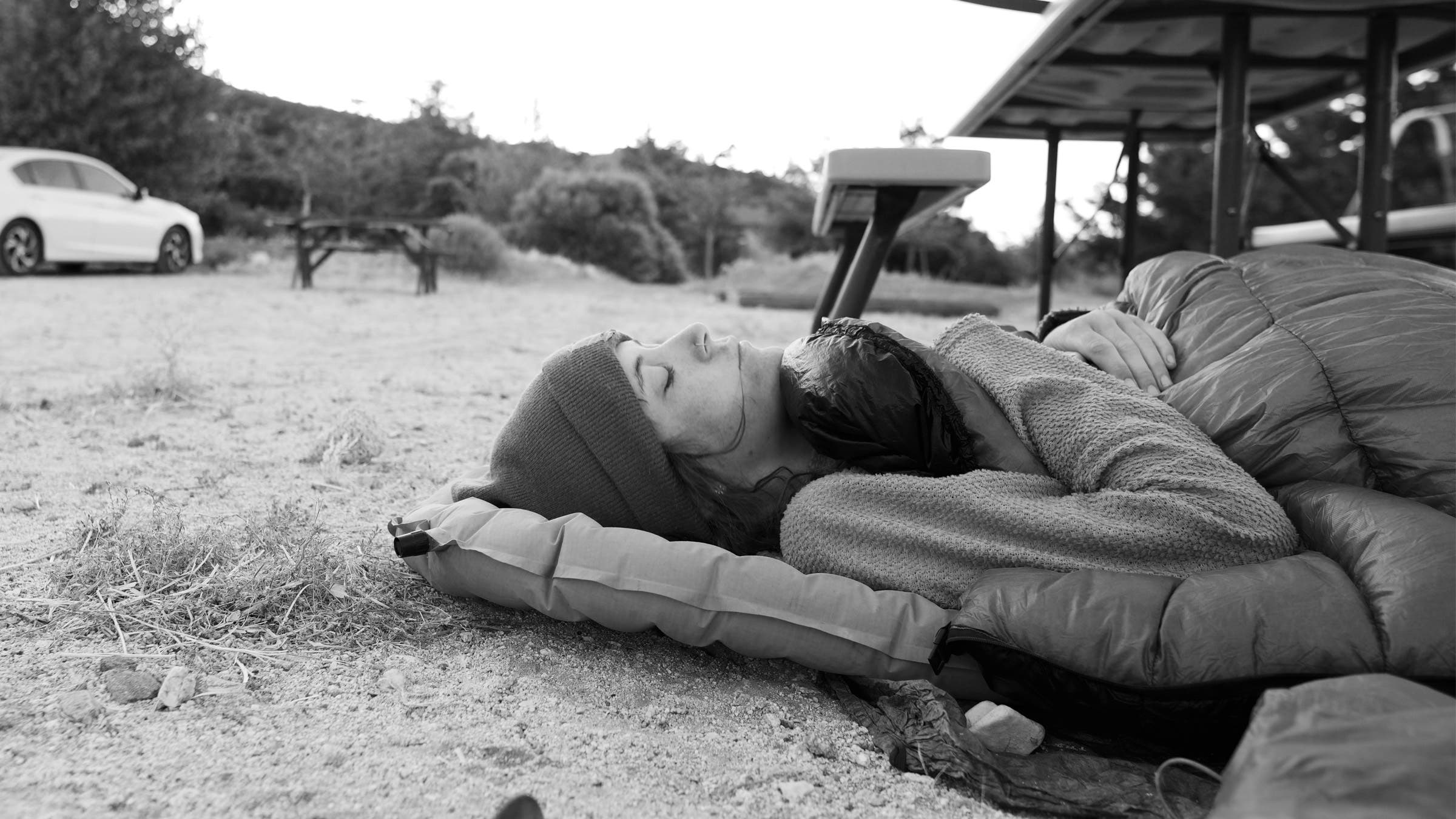
The substitution of full-length sleeping pads with truncated torso-length variants was a staple of early ultralight optimization, aimed at saving crucial ounces by utilizing empty packs or natural terrain to support the lower extremities. However, prolonged field use demonstrated that sleeping with legs resting directly on cold ground or uninsulated pack surfaces accelerates conductive heat loss and impairs muscle recovery during multi-month treks. Re-introducing a full-length insulated sleeping pad typically incurs a weight penalty of only a few ounces, yet studies in outdoor ergonomics and athlete recovery indicate that uninterrupted restorative sleep is vital for repairing micro-tears in muscle tissue and maintaining cognitive alertness in high-consequence backcountry environments.
Cook Systems and Thermal Nutrition
The adoption of cold-soaking—rehydrating dried meals in ambient or cold water over hours rather than cooking them—eliminated fuel canisters and titanium stoves, saving roughly eight to twelve ounces of base weight. Despite these reductions, prolonged exposure to sub-freezing nocturnal temperatures, particularly in high-elevation regions like the Rocky Mountains, proved that warm caloric intake is a critical mechanism for maintaining core body temperature and psychological morale. The re-integration of lightweight, highly efficient canister stoves addresses both nutritional needs and core thermoregulation without imposing prohibitive burdens on total pack weight.
Load-Distribution Architecture and Hipbelts
One of the most consequential ergonomic shifts involves backpack design. In an effort to maximize upper-body freedom and reduce materials, some minimalists experimented with frameless packs devoid of padded hipbelts, transferring the entirety of a multi-day load directly onto the trapezius muscles and shoulders. Over hundreds of miles of sustained multi-day food and water carries, this practice contributed significantly to upper-extremity nerve compression, shoulder strain, and postural fatigue. The reinstatement of detachable or integrated padded hipbelts allows for efficient load transfer to the iliac crests, aligning with established kinesiological principles of weight distribution and reducing the incidence of chronic shoulder injuries among long-distance travelers.
Supplemental Environmental Apparel
Extremely lightweight wind pants, weighing approximately three ounces, have likewise transitioned from optional luxury items to standard inclusions for many seasoned hikers. Beyond offering secondary insulation during sleep and protecting insulation quilts from ground dirt and abrasion, these garments provide a vital psychological and physical barrier against biting insects and severe wind chill, mitigating the cumulative sensory exhaustion associated with prolonged outdoor exposure.

Broader Impact and Industry Implications
The evolving perspective on ultralight gear reflects a broader professionalization and data-driven approach within the outdoor recreation and manufacturing sectors. Rather than viewing gear selection through a binary lens of heavy versus light, contemporary outdoor equipment designers and seasoned practitioners increasingly emphasize functional efficiency and systemic reliability.
Outdoor gear manufacturers have responded to this cultural shift by developing hybrid products—such as ultralight framed packs with removable structural stays, micro-stoves constructed from advanced aerospace alloys, and high-insulation-value sleeping pads utilizing ultra-thin composite materials. These innovations allow hikers to retain low overall base weights while preserving essential safety margins and ergonomic support.
Ultimately, the collective experience of thousands of miles on major national scenic trails has prompted a recalibration of outdoor endurance values. The modern consensus among long-distance backpackers suggests that the most effective gear system is not the one with the lowest theoretical weight on paper, but the one that safely sustains the human body and mind across thousands of miles of unpredictable wilderness terrain.