The capital of Slovenia, Ljubljana, has increasingly positioned itself as a premier destination for travelers seeking sustainable urbanism, rich cultural history, and a laid-back European aesthetic free from the heavy tourist congestion typical of larger continental hubs. Despite common logistical disruptions—such as international flight cancellations and transit delays that frequently compress modern itineraries—visitors allocating a concise 48-hour window to the city can capture both its historical core and its dynamic contemporary subcultures.

Geographic and Urban Context
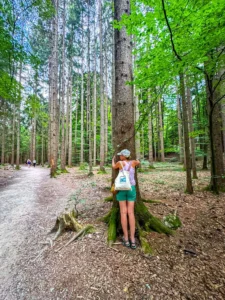
Straddling the emerald-green Ljubljanica River, Ljubljana is characterized by its pedestrian-only historic districts, distinct Austro-Hungarian and post-Yugoslav architectural layers, and a pervasive green infrastructure. In 2016, the municipality was named the European Green Capital, reflecting a city plan where approximately 75 percent of the municipal area is designated as green space. Furthermore, Slovenia’s broader landscape is heavily forested, covering nearly 60 percent of the national territory and placing the country among the most heavily wooded nations in Europe.

Urban planners and municipal authorities have long prioritized pedestrianization, rendering the central riverside zones entirely free of vehicular traffic. This urban layout encourages foot and bicycle transit, allowing visitors to navigate the city end-to-end with ease while encountering civic monuments, open-air markets, and integrated public art installations.

Chronology of a 48-Hour Itinerary
Navigating Ljubljana efficiently requires balancing historic landmarks with contemporary grassroots cultural hubs. A structured two-day timeline optimizes both dimensions of the city.

Day One: Two-Wheel Exploration and Autonomous Art Districts
The initial day of exploration is best executed via bicycle, providing an expansive overview of the city’s topography and historical evolution. Local excursions, such as those led by specialized guides originating from platforms like Airbnb Experiences, typically commence at Prešeren Square—named after the prominent Slovenian romantic poet France Prešeren—and center around the iconic Franciscan Church of the Annunciation.

- Historical Overview: Guided tours generally introduce travelers to Ljubljana’s political transitions, moving chronologically through the Austro-Hungarian Empire era, the Yugoslav period, and the achievement of national independence in 1991.
- Architectural and Cultural Landmarks: Key stops include the bronze doors of the Cathedral of St. Nicholas, created in 1996 for the pastoral visit of Pope John Paul II, and the hidden water fountains nestled within Locksmith Alley (Ključavničarska ulica).
- The Skyscraper (Nebotičnik): Completed in 1933, this 70-meter structure was historically celebrated as the tallest building in the Balkans and among the tallest in Europe. Its rooftop terrace provides a comprehensive 360-degree panorama of the historic color-washed cityscape framed by the Julian Alps.
- AKC Metelkova Mesto: Occupying a former Austro-Hungarian and later Yugoslav military barracks complex completed in 1911, this autonomous cultural zone was established in 1993 when a collective of artists and activists squatted the site to prevent its demolition. Today, the 12,500-square-meter area features extensive murals, scrap-metal sculptures, underground music venues, and art studios, functioning as a self-governing hub that transitions from daytime artistic workshops to vibrant nightlife venues.
Day Two: Markets, Castles, and River Navigation
The second day shifts focus toward traditional commerce, elevated fortifications, and aquatic transit.

- Central Marketplace: Designed largely by renowned Slovenian architect Jože Plečnik, the open-air market stretches along the river beneath colonnades, offering regional produce, artisanal goods, and a display of traditional painted beehive panels—a distinct folk art tradition dating back to the mid-18th century.
- Ljubljana Castle: Perched on a forested hill overlooking the capital, the fortress can be accessed via a one-minute funicular ride from the old town base or by foot. Operating daily, the castle grounds offer historical exhibitions, panoramic viewing towers, and sunset vistas over the city.
- River Cruises and Walking Tours: Afternoon schedules are frequently dedicated to guided walking tours paired with electric or traditional boat cruises along the Ljubljanica River, offering an alternative perspective of Plečnik’s architecture, including the Triple Bridge (Tromostovje) and the Dragon Bridge (Zmajski most).
Supporting Data and Travel Logistics
Travelers experiencing transit disruptions, such as flight cancellations or lengthy delays within the European Union or connecting through international itineraries, are increasingly utilizing passenger rights services such as AirHelp to seek compensation. Additionally, comprehensive travel insurance remains a critical safeguard for covering incurred expenses resulting from missed connections.

- Gastronomic Scene: Ljubljana’s culinary landscape emphasizes locally sourced ingredients, with strict allergen labeling protocols aligned with EU standards, accommodating dietary requirements such as gluten-free dining with high reliability. Notable dining establishments include Restavracija Vodnikov Hram, known for regional specialties near the funicular, alongside Michelin-recommended venues like Restavracija Breg.
- Accommodation: Lodging options range from contemporary properties like the centrally located City Hotel, featuring comprehensive breakfast spreads and terrace facilities, to boutique establishments such as Hotel Heritage, situated within the historic pedestrian zone.
- Regional Connectivity: Due to Slovenia’s compact geographic footprint, Ljubljana serves as an efficient transit hub for day excursions to natural attractions such as Lake Bled, Lake Bohinj, the Vintgar Gorge, and the subterranean formations of Postojna Cave and Predjama Castle.
Broader Implications and Analysis
Ljubljana’s model of urban development highlights a successful shift toward sustainable tourism and green municipal management. By restricting vehicular access in the historic center and encouraging non-motorized transport, the city has mitigated the over-tourism pressures observed in other European capitals. Analysts note that maintaining a balance between grassroots cultural preservation—exemplified by spaces like Metelkova—and institutional heritage tourism ensures economic resilience while preserving local character for residents and international visitors alike.
Related posts: