A Risky Summit Push on Everest: Russian Trio Faces High-Altitude Peril Without Oxygen

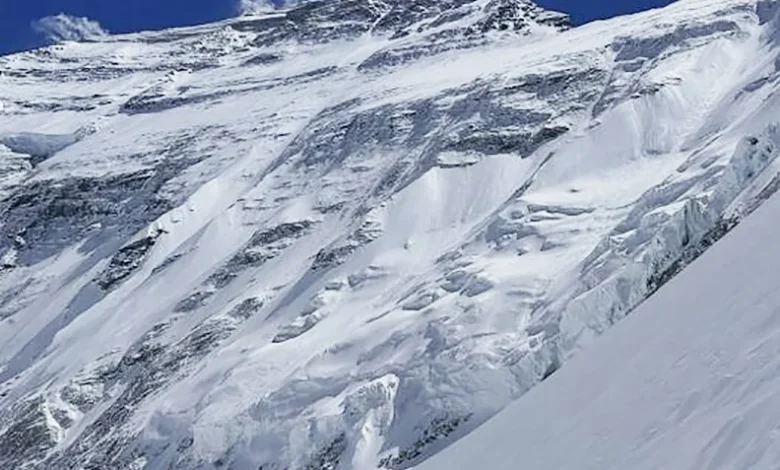
The Russian expedition team comprising Andrey Vasiliev, Sergey Kondrashkin, and Vitaly Shipilov has launched a high-stakes summit push on the West Ridge of Mount Everest, marking a critical moment in their late-season objective. Operating entirely without supplemental oxygen, the three mountaineers are currently the only individuals on the mountain, navigating a route that remains laden with deep, unstable snow following recent cyclonic activity. Their mission is a race against time and meteorology, as they attempt to ascend beyond the 7,500-meter mark reached during their initial foray in October. With winter conditions intensifying, the team faces an unforgiving window of opportunity before extreme winds render the upper slopes of the world’s highest peak impassable.
The Meteorological Constraint
The success of the expedition hinges entirely on a narrow window of viable weather. According to analysis from Vitor Baia, a high-altitude meteorologist specializing in the Greater Ranges, the team has approximately one week before a dramatic shift in atmospheric conditions occurs. The current forecast provides a brief period of manageable wind speeds, which are expected to persist until Wednesday, November 11.
Baia suggests that the optimal window for a summit attempt is Tuesday, November 10, characterized by clear skies and favorable wind conditions. A descent on Wednesday, while slightly more overcast, would likely remain within acceptable safety margins. However, the situation is projected to deteriorate rapidly on Thursday. Meteorologists predict a significant shift in wind patterns, with currents moving from the west to the northwest, surging to 50 kph at 8,000 meters and reaching 60 kph at the summit. For climbers attempting a technical route like the West Ridge—which requires sustained focus on exposed terrain—these wind speeds are often considered the threshold for life-threatening risk, particularly when descending without the aid of supplemental oxygen to combat exhaustion and cognitive decline.
Chronology of the Expedition
The current push follows a series of setbacks that have tested the team’s resolve and physical endurance. The expedition began in October, but the team was forced into a tactical retreat when a cyclone moved across the Himalayas, dumping significant snowfall and increasing the risk of avalanches. Following this retreat, the team descended to Kathmandu to address health concerns and recover from the initial strain of the ascent.
By early November, the team was deemed fit to return to the mountain. Upon arriving at Base Camp, they were met with the remnants of the storm—a thick, treacherous layer of fresh snow. The initial phase of their second attempt involved grueling trail-breaking efforts, with the team frequently sinking into waist-deep snow. In a display of resourcefulness necessitated by the conditions, the climbers resorted to using duct tape to seal their pant cuffs to their trekking boots after realizing their high-altitude equipment was located in a cache two hours ahead of their position.
The subsequent 14-hour trek to their Camp 1 was a test of pure stamina. Upon reaching the site, they encountered further complications: the area was subject to frequent snow slides, and team member Vitaly Shipilov began exhibiting symptoms of food poisoning. Despite the onset of a fever and acute lower back pain, the team’s internal dynamic remained focused on the mission. Reports from the team suggest that Shipilov’s refusal to abandon the objective was emblematic of the group’s collective mindset, pushing them to descend to the village of Lobuche for a short-term recovery before immediately launching their second, current attempt.
The Technical Challenges of the West Ridge
The West Ridge of Everest is widely regarded as one of the most demanding routes on the mountain. Unlike the standard South Col or North Ridge routes, the West Ridge presents a sustained, technical challenge that requires climbers to manage exposure and steep, complex terrain for an extended duration. Reaching the 7,500-meter mark on the West Shoulder is merely the beginning of the most arduous section of the climb, which often involves a detour toward the Hornbein Couloir—a high-altitude, steep gully that demands exceptional climbing proficiency.
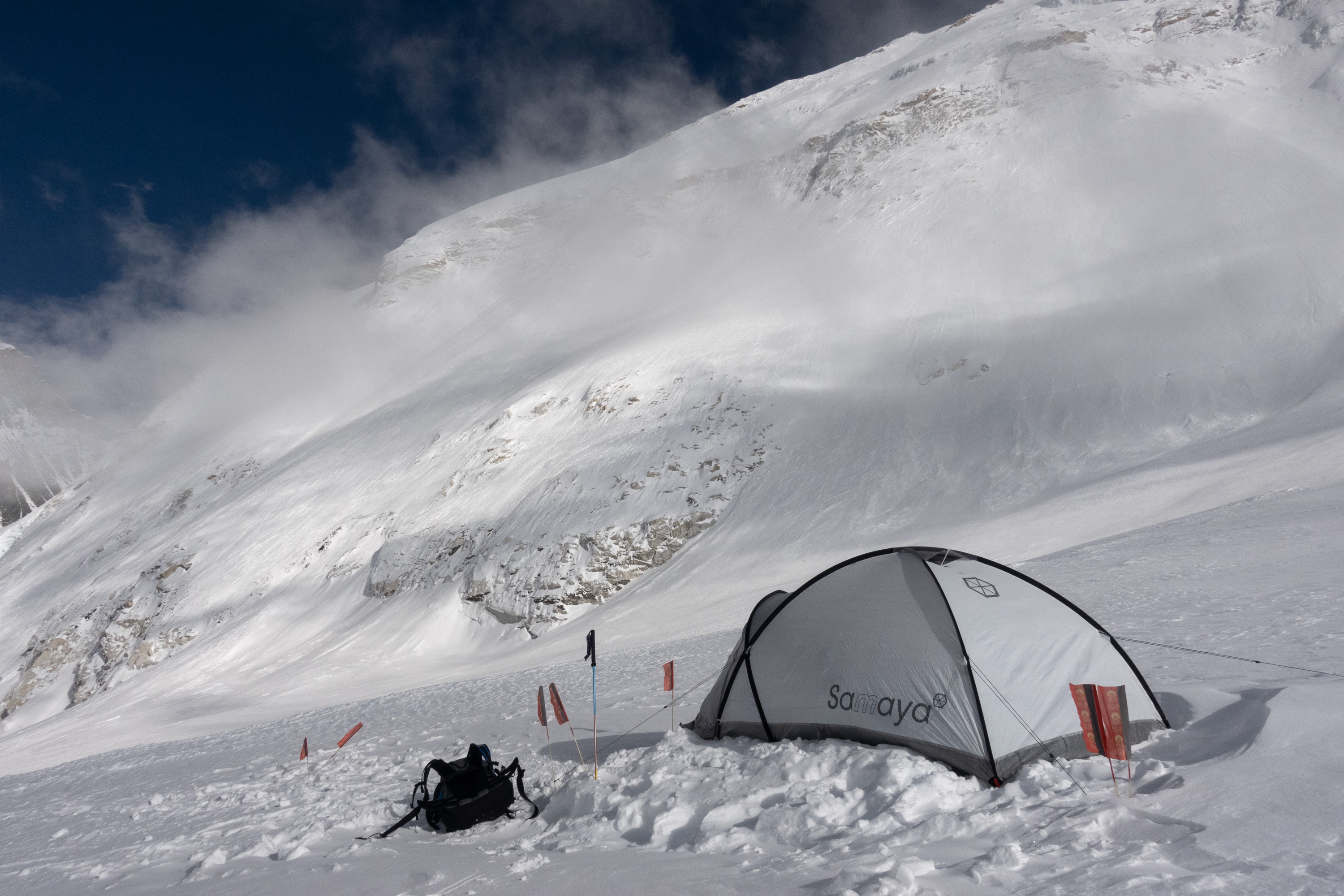
The environmental conditions on this side of the mountain are currently exacerbated by the accumulation of snow from the two cyclones that hit the region in late October. The weight of this new snow on top of existing layers creates a high-avalanche-hazard environment, a factor that the Russian team has had to manage by carefully timing their movements to allow for natural sluffing of the snowpack. The decision to proceed without bottled oxygen further compounds these physical risks, as the body’s ability to recover from strenuous activity is significantly diminished above the "Death Zone" threshold of 8,000 meters.
Physiological and Logistical Implications
The decision to climb without oxygen is a deliberate choice, often undertaken by elite alpinists to preserve the integrity of the "fair means" style of mountaineering. However, this choice carries severe physiological consequences. At 8,000 meters, the barometric pressure is roughly one-third of that at sea level, leaving the body in a constant state of oxygen deprivation. Even with superior acclimatization, the cognitive functions required for complex decision-making—such as identifying the safest line through a snow-laden slope or navigating a crevasse field—are significantly impaired.
Furthermore, the team is operating with a reduced support structure. By being the only ones on this side of the mountain, they have no access to established fixed ropes or the security of a larger support team. Every meter gained is the result of their own trail-breaking and risk assessment. This isolation, while offering a pristine wilderness experience, means that any medical emergency or equipment failure could quickly escalate into a life-threatening crisis, with no possibility of immediate rescue from neighboring expeditions.
Analytical Perspectives on Late-Season Everest
The late-season window (November and beyond) is increasingly becoming a subject of debate within the mountaineering community. As traditional spring climbing seasons become more crowded and, in some cases, less predictable due to shifting weather patterns, a small number of elite teams have looked to the post-monsoon period to find solitude and different technical challenges.
However, late-season expeditions are statistically riskier. As the sun’s angle shifts and the days shorten, temperatures drop, and the probability of sudden, high-intensity wind events increases. The Russian team’s reliance on real-time meteorological forecasting is a testament to the modern necessity of data-driven mountaineering. The use of satellite communication to receive granular wind data from experts like Vitor Baia allows teams to make more calculated decisions than in previous decades, yet it cannot mitigate the inherent unpredictability of the mountain.
Looking Ahead
As of the latest reports, the team has established their position above the Lho La, a high pass connecting Nepal and Tibet. Their progress remains a matter of significant interest for the climbing community, as they represent a traditional style of mountaineering that contrasts sharply with the commercialized expeditions of the spring.
The success of the mission will be determined in the next 48 to 72 hours. Should they reach the summit and return safely, it will be viewed as a remarkable feat of endurance and technical skill. Conversely, the risks they face underscore the reality that despite all human preparation, the upper reaches of Mount Everest remain entirely subject to the whims of the Himalayan climate. The world waits to see if the Russian team can navigate the high-wind threshold of Thursday and successfully conclude their expedition before the onset of the winter storm cycle.