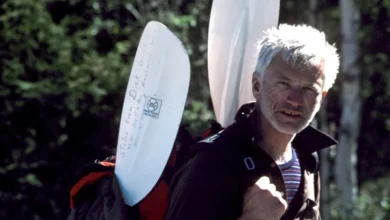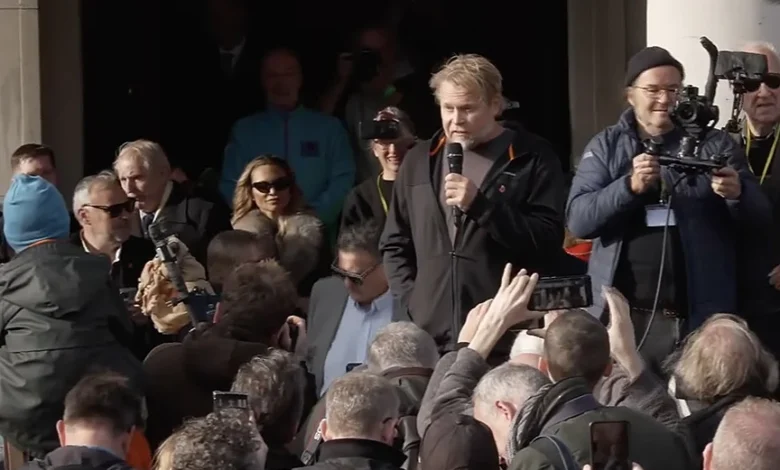
In a poignant display of closure to one of the most grueling endurance feats in modern history, 57-year-old British explorer Karl Bushby has finally returned to his hometown of Hull, England, concluding a 28-year odyssey that spanned more than 50,000 kilometers. The "Goliath Expedition," which began on November 1, 1998, in the southern tip of Chile, has officially reached its terminus, marking the end of a journey that defined the entirety of Bushby’s adult life. During a civic ceremony held in his honor, Bushby stood beneath a banner reading "Welcome Home Karl," visibly overwhelmed by a public reception that stood in stark contrast to the solitary, nomadic existence he endured for nearly three decades.
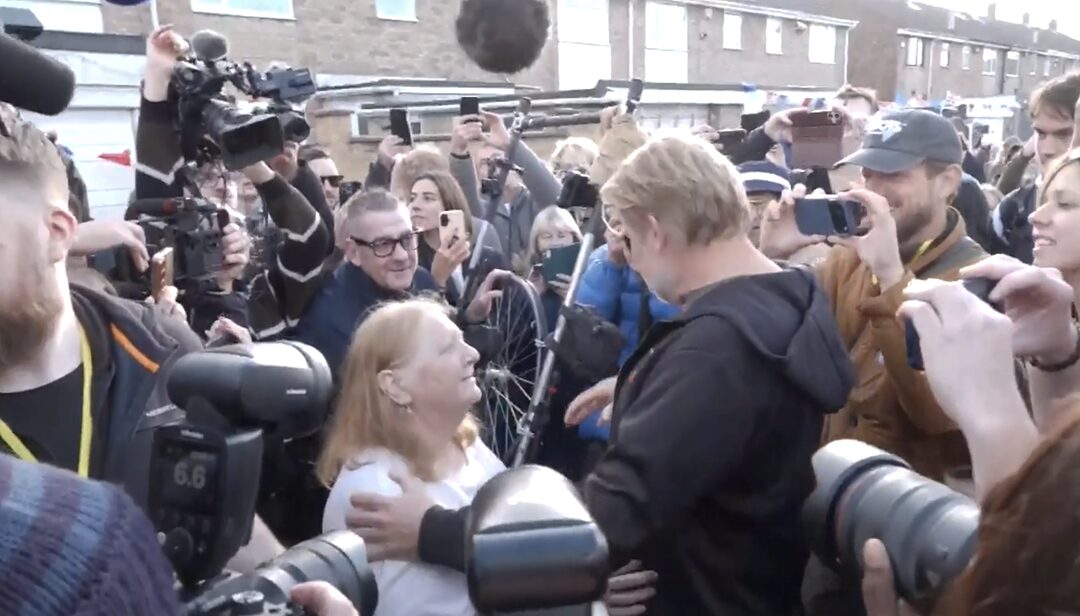
The conclusion of this expedition is not merely a physical arrival but a profound psychological threshold. Having left the United Kingdom at age 29, Bushby returns at 57, a man who has traversed deserts, frozen straits, and geopolitical minefields, only to face the daunting task of re-entering a society that has undergone a technological and cultural transformation during his absence.
A Chronology of the Goliath Expedition
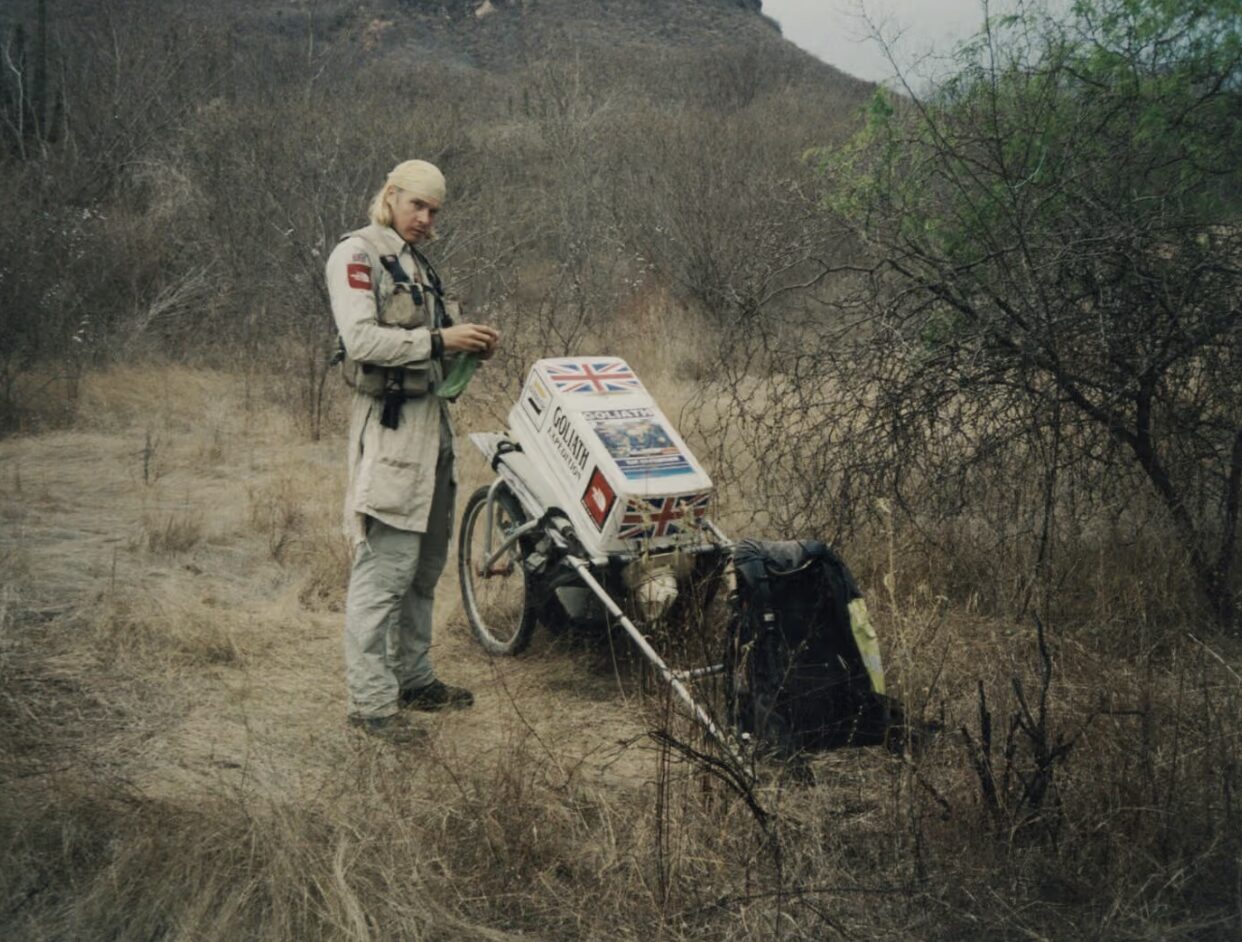
The genesis of the expedition was as humble as it was ambitious. While serving in the British Army’s Parachute Regiment, Bushby was inspired by a story shared by his father regarding a hypothetical military debate: was it possible to walk from London to New York via the Bering Strait? Bushby did not just accept the premise; he expanded it into a global circuit. He drafted his route on the back of a beer mat, estimating a 12-year duration. The reality, however, proved far more complex.
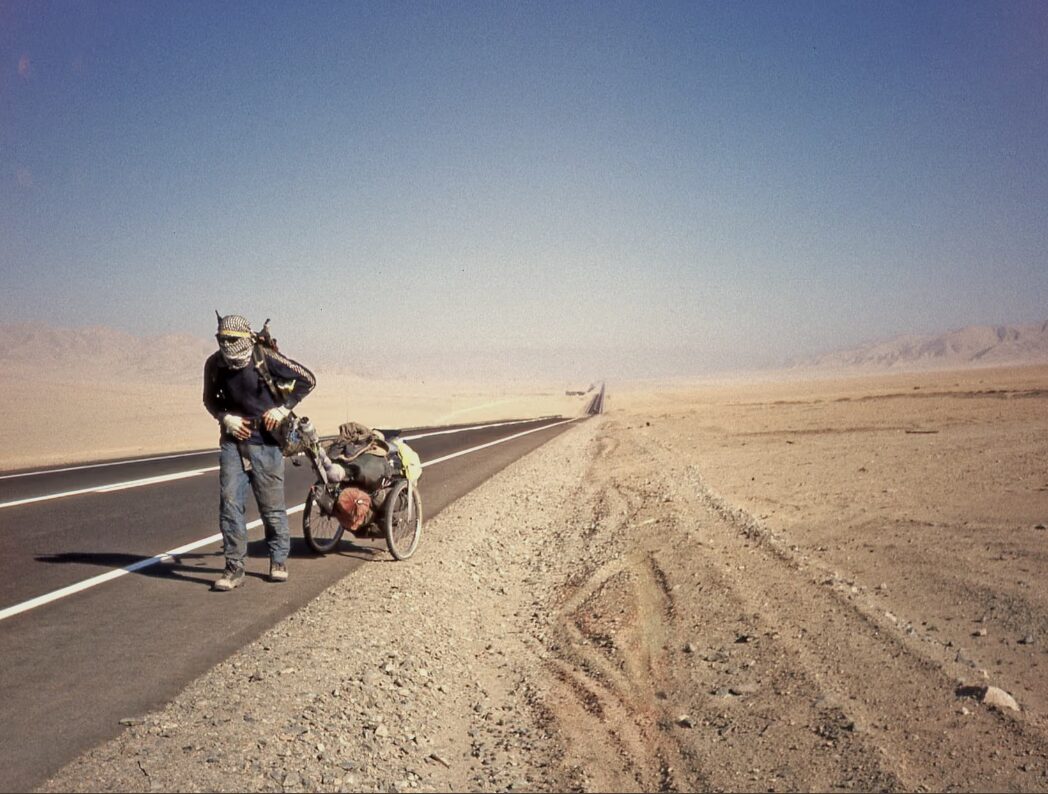
- 1998: Departure from Punta Arenas, Chile.
- 2001: Navigating the perilous Darien Gap, a lawless region between Colombia and Panama.
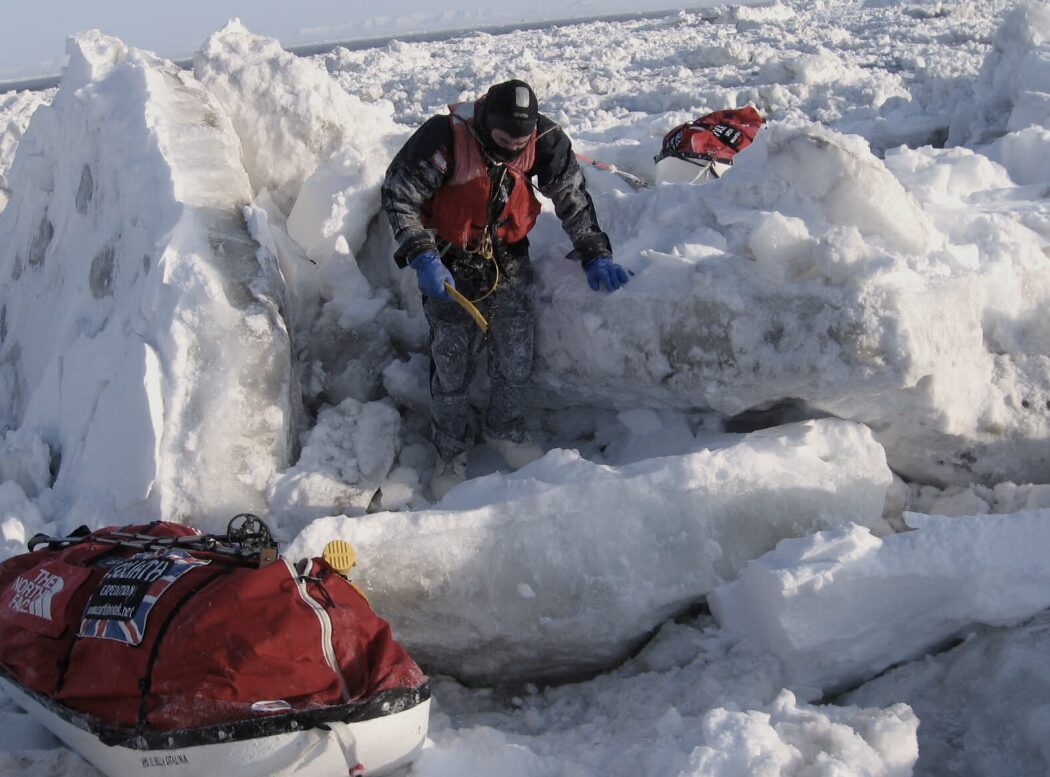
- 2006: A historic 14-day trek across the shifting ice of the Bering Strait alongside French explorer Dimitri Kieffer.
- 2008–2013: A period of severe logistical stagnation, characterized by visa denials and the revocation of entry rights into Russia.
- 2014–2018: A 5,000km protest walk from Los Angeles to the Russian Embassy in Washington, D.C., to secure passage.
- 2022–2025: Crossing the Caspian Sea and navigating through Central Asia and Europe, ultimately reaching the English Channel.
- October 2026: Completion of the final swim across the English Channel and the subsequent walk to Hull.
The Logistics of a Global Trek
Bushby’s methodology was governed by two rigid, self-imposed rules: he could not use any form of mechanized transport to advance his route, and he could not return to the United Kingdom until the journey was complete. These constraints transformed the expedition into a masterclass in bureaucratic endurance. When political borders closed or funding evaporated, Bushby was forced into long periods of "hiatus." During these times, he resided in countries with lower costs of living, such as Mexico, often working odd jobs to sustain his meager supplies.
Critics and supporters alike have debated the nature of these gaps. While Bushby did use transport to relocate during times of forced downtime—such as flying to temporary bases—he maintained the integrity of his "continuous path" by always returning to the exact geographical point where his progress had stalled. This nuance was critical; he did not skip miles; he merely paused them.
Financial and Social Tolls
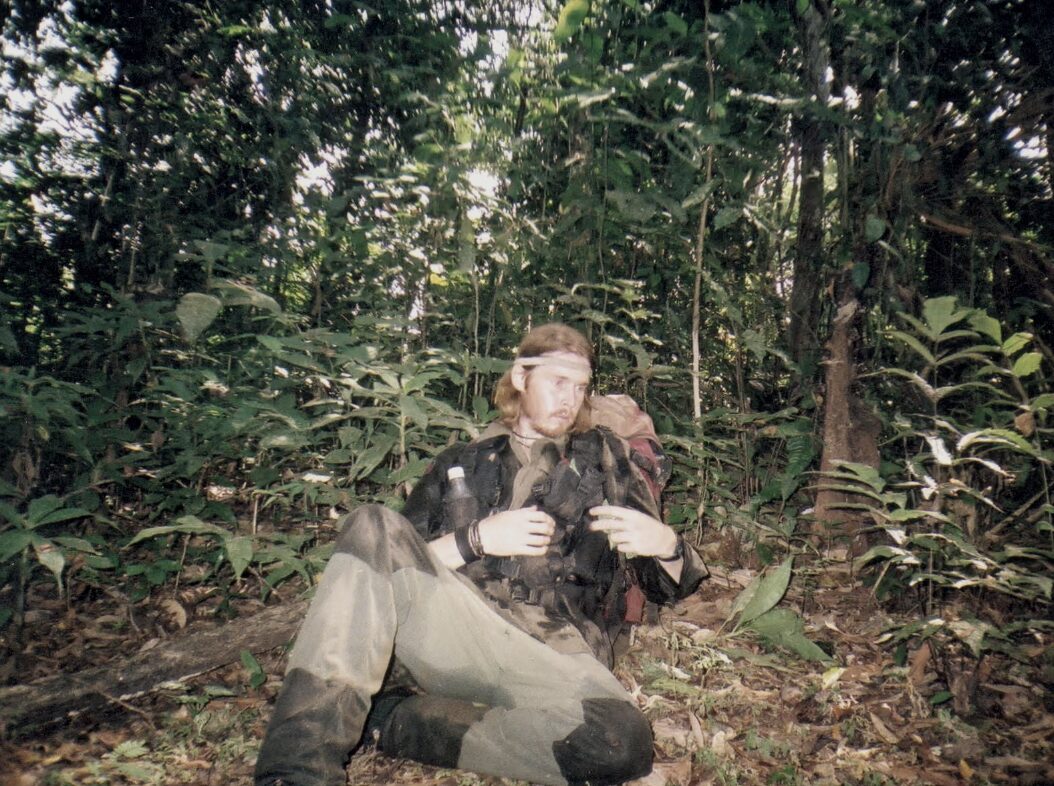
The financial reality of the Goliath Expedition was rarely glamorous. By his own admission, Bushby spent years in a state of professional and financial precarity, describing himself in past interviews as a "professional hobo." His survival relied on the kindness of strangers, sporadic sponsorships, and the sheer grit of an individual committed to a singular purpose.
The social cost was arguably higher. When Bushby began his walk, his son, Adam, was eight years old. Today, Adam is 36, a father himself, and someone who spent the better part of his formative years navigating a relationship with a father who existed primarily as a voice on a phone or a distant figure in a documentary. The reunion between father and son, as well as the transition into living with his mother in Hull, represents a "third act" that Bushby admits he is ill-prepared for. He has described the impending domesticity as a significant psychological hurdle, moving from a life of extreme autonomy to the confines of a family home.
Geopolitical Barriers and the "Floatimming" Innovation
Bushby’s path was frequently dictated by international relations rather than terrain. His most significant obstacles were not the crocodiles of the Atrato River or the polar bears of Alaska, but the changing visa requirements of the nations he traversed. The most difficult chapter involved his transit through Russia and the subsequent closure of the border with Iran.
This led to the unconventional "floatimming" crossing of the Caspian Sea in 2025. Facing a complete blockage of land routes, Bushby and his partner, Angela Maxwell, opted to swim the 288km stretch. This move, while unconventional, underscored the adaptability required for an expedition of this scale. It was a clear indication that for Bushby, the "walk" was secondary to the philosophy of the journey: finding a way forward, regardless of the medium.
Broader Impact and Public Fascination
Why has Bushby’s journey captivated the global imagination for nearly 30 years? Analysts suggest the appeal lies in the expedition’s primitive simplicity. In an era of hyper-connected, high-tech adventuring, Bushby’s story is a throwback to a 19th-century style of exploration. It is a narrative of a man against the elements, governed by a logic that the average person can understand: the desire to walk home.
Furthermore, the duration of the trip allowed the public to grow alongside him. Those who were children when he set off are now middle-aged; the world he left in 1998—pre-social media, pre-9/11, pre-smartphone—is unrecognizable compared to the one he inhabits today. His journey served as a bridge between two distinct eras of human history.
The Challenge of the "Post-Expedition" Life
As Bushby settles into his life in Hull, he faces the "explorer’s paradox": the feeling of emptiness that follows the fulfillment of a life-defining objective. In recent interviews, he has expressed genuine concern about his ability to integrate into a modern workforce, having spent more time in the wilderness than in an office or a conventional domestic setting. He has suggested that he may pursue a career in education, hoping to leverage his experiences to teach students about resilience, geography, and the vastness of the world.
The legacy of the Goliath Expedition is not found in a trophy or a record-breaking speed, but in the sheer stubbornness of the human spirit. Bushby proved that, given enough time and a total lack of concern for societal norms, a human being can traverse the globe on foot. Yet, as he stands in his mother’s home, the world is left to wonder: for a man who spent 28 years moving, what does it mean to finally stop? For Karl Bushby, that is the final, and perhaps the most difficult, frontier.