The Culinary History and Cultural Significance of Nasi Lemak Tanglin in Kuala Lumpur

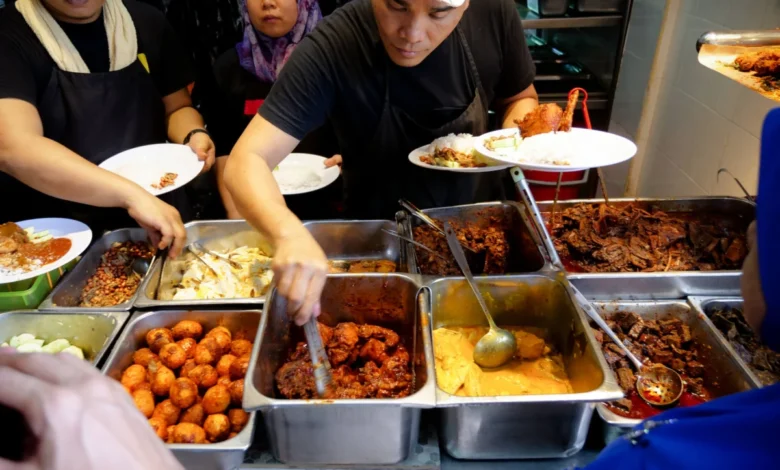
Nasi Lemak stands globally recognized as Malaysia’s national dish, a culinary masterpiece of profound simplicity that traces its geographical footprint from Southern Thailand through the Malay Peninsula and down to Singapore. Among the myriad establishments dedicated to serving this iconic comfort food, Nasi Lemak Tanglin in Kuala Lumpur occupies a distinguished position. Operating continuously since 1948, the institution represents a living archive of Malaysian culinary heritage, demonstrating how traditional breakfast and lunch culture has endured amidst rapid modernization and shifting urban demographics.
Historical Background and Evolution
The genesis of Nasi Lemak Tanglin dates back to the post-World War II era in 1948, a time when Kuala Lumpur was undergoing significant socio-economic reconstruction. Originally established as a modest stall, the operation has evolved into a cornerstone of the Kompleks Makan Tanglin food complex. Over the decades, the stall has witnessed the transition of Malaysia from a British colony to an independent nation, serving generations of local residents, civil servants, and international travelers.
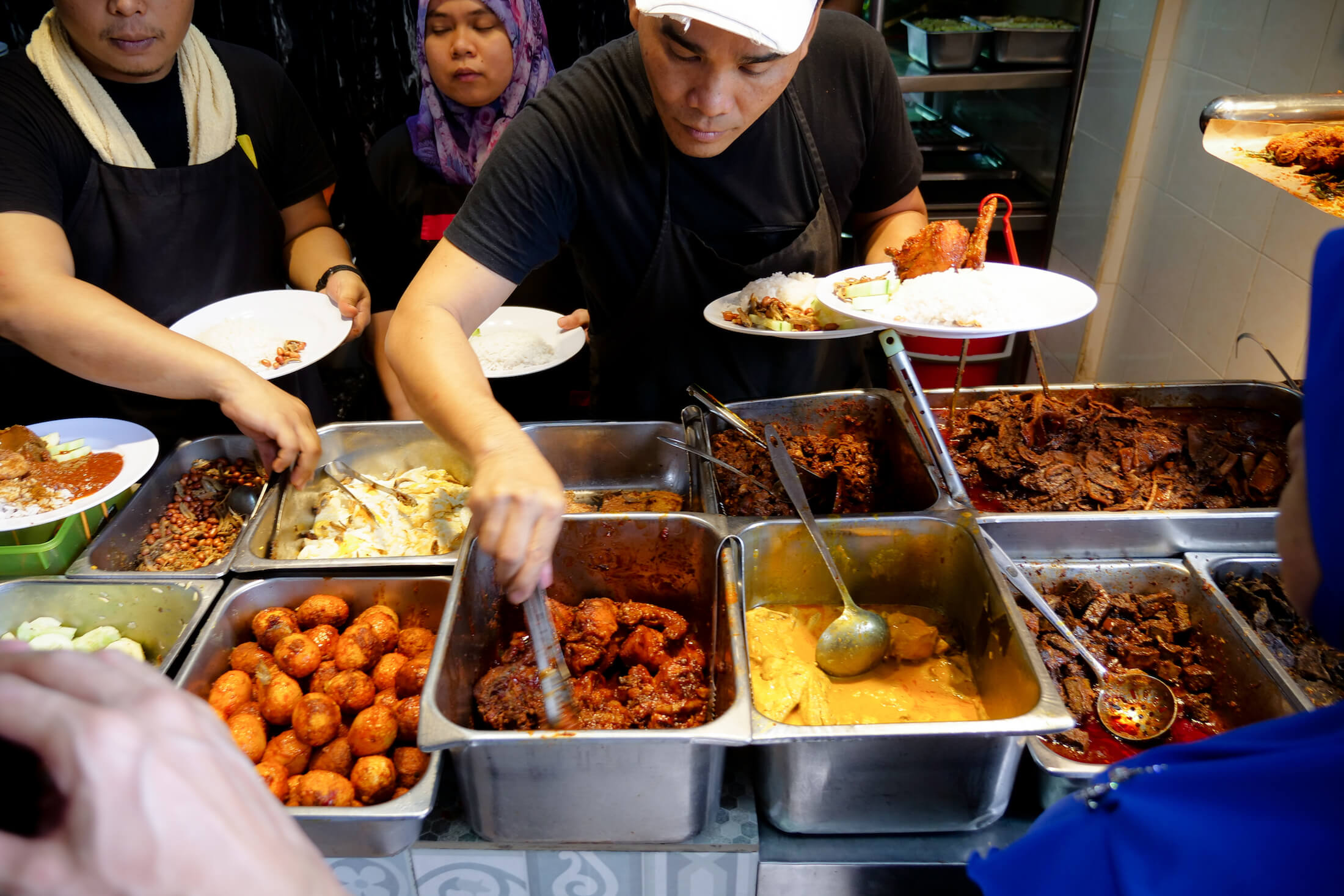
The enduring success of the establishment lies in its steadfast adherence to traditional preparation methods while adapting to contemporary hygiene and environmental standards. While historical vendors frequently relied on single-use banana leaves for serving, modern operations at Tanglin have increasingly integrated reusable plates to align with national sustainability directives. This operational shift reflects a broader trend within Malaysia’s urban food sector, where historic vendors balance heritage preservation with modern ecological responsibilities.
Culinary Anatomy of Nasi Lemak Tanglin
To understand the acclaim surrounding Nasi Lemak Tanglin, one must examine the precise components that constitute its signature dish. The literal translation of "Nasi Lemak" is "fat rice," referring to the foundational ingredient: white rice soaked in rich coconut milk and gently infused with aromatic pandan leaves during the cooking process.
Accompanying the rice are traditional, non-negotiable elements designed to create a complex balance of textures and flavors. These include salted fish, fried peanuts, and freshly sliced cucumbers, which provide the essential crunch and salinity. Central to the dish is the sambal—a chili-based paste whose preparation is notoriously labor-intensive. At Tanglin, the sambal achieves a delicate equilibrium of heat, tanginess, and subtle sweetness, acting as a binding agent that unifies the diverse components on the plate.

Beyond the baseline composition, patrons at Nasi Lemak Tanglin customize their plates with an extensive array of curries and proteins. Culinary experts and local patrons frequently highlight specialty items such as beef rendang, cockles, and kolong (beef intestines and spleen). The spleen, in particular, is noted for its rich, creamy texture and ability to absorb the dense, dark brown curry sauces characteristic of the stall’s long-simmering pots. The inclusion of a fried egg—a ubiquitous addition across Southeast Asian rice dishes—completes the assembly, with traditional dining etiquette encouraging patrons to mix the components thoroughly by hand to ensure the curry coats every individual grain of rice.
Operational Dynamics and Daily Logistics
The operational rhythm of Nasi Lemak Tanglin is characterized by high demand and rapid turnover. Located within a bustling municipal food complex alongside other stalls specializing in traditional Malaysian fare, Tanglin experiences significant vehicular and pedestrian traffic daily. Observations from regular service days indicate that parking facilities frequently reach full capacity by mid-morning, underscoring the destination’s popularity among local commuters and culinary tourists alike.
Operating daily from approximately 7:00 AM to 1:00 PM, the stall operates on a strict production model where ingredients are prepared fresh for the morning rush. Due to high consumer volume, dishes frequently sell out well before the official closing time, often exhausting supplies by 11:30 AM. This rapid depletion rate necessitates early arrival for patrons seeking the full range of available proteins and curries.

The dining environment is further characterized by communal seating arrangements under protective awnings, frequently accompanied by live musical performances. Genres such as "Pop Yeh Yeh"—a uniquely regional style of 1960s and 1970s pop and psychedelic rock popular in Malaysia and Singapore—contribute to the cultural ambiance of the Kompleks Makan Tanglin dining space.
Economic Accessibility and Affordability
From an economic perspective, Nasi Lemak remains one of the most accessible and cost-effective dining options within the Malaysian food landscape. A standard baseline plate of Nasi Lemak at Tanglin is priced affordably at approximately 2 Malaysian Ringgit (RM), with supplemental protein additions such as eggs, rendang, and specialized offal ranging between 1RM and 5RM per item. A comprehensive meal for multiple diners typically totals around 35RM (approximately $8.50 USD), reinforcing the dish’s historical status as an egalitarian meal accessible across various socio-economic strata.
This pricing structure supports the broader economic resilience of traditional hawker and food complex culture in Kuala Lumpur, shielding working-class consumers from inflationary pressures while maintaining high ingredient quality. The affordability of such meals underpins the city’s reputation as a premier global destination for culinary tourism.

Broader Impact on Urban Food Culture and Sustainability
The practices observed at Nasi Lemak Tanglin reflect wider regulatory and cultural shifts within Malaysia’s food and beverage sector. As the Malaysian government implements stricter policies regarding environmental conservation—including initiatives to phase out single-use plastics and protect sensitive jungle biomes traditionally harvested for banana leaves—historic food vendors are compelled to adapt their service models. Tanglin’s transition toward durable, reusable dishware serves as a micro-level case study of urban eateries responding to national sustainability mandates without compromising the authenticity of the dining experience.
Furthermore, establishments like Nasi Lemak Tanglin function as cultural preservation sites. In a rapidly urbanized metropolis like Kuala Lumpur, where modern shopping malls and international fast-food franchises dominate the landscape, open-air food complexes preserve communal dining traditions and intergenerational recipes. Culinary sociologists note that the physical act of queueing at a shared counter, selecting curries via visual inspection, and consuming meals in a communal environment fosters social cohesion across diverse demographic groups.
Conclusion and Visitor Information

Nasi Lemak Tanglin remains an essential point of study for culinary historians, food journalists, and travelers analyzing the intersection of tradition and modernization in Southeast Asia. By maintaining strict adherence to heritage recipes while navigating contemporary logistical and environmental frameworks, the institution secures its status as a benchmark for authentic Malaysian cuisine.
For those planning a visit, Nasi Lemak Tanglin is located at Kompleks Makan Tanglin in Kuala Lumpur, Malaysia. The establishment is open daily from 7:00 AM to 1:00 PM. Prospective diners are advised to arrive during the early morning hours to ensure access to the full selection of curries and specialty meats before daily supplies are exhausted.