The Best Christmas Markets in Switzerland 2026: A Comprehensive Guide to Alpine Festivities

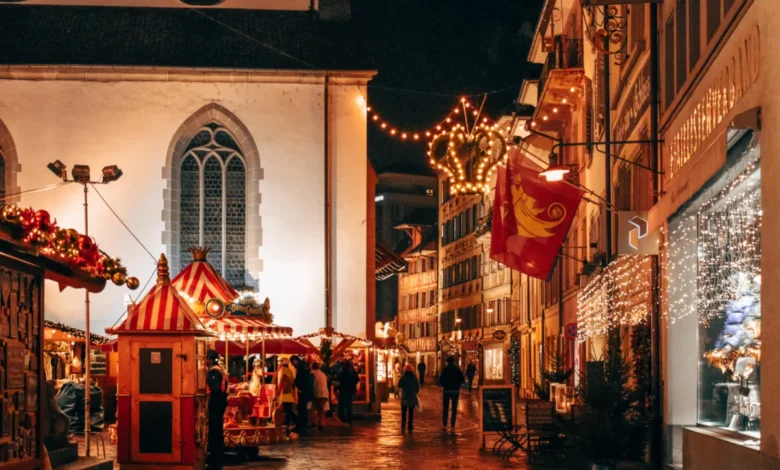
Switzerland transforms into a quintessential winter landscape during the Advent season, characterized by its dramatic alpine backdrop, historic urban architecture, and a deep-rooted tradition of communal holiday celebration. As the 2026 season approaches, municipal authorities and tourism boards across the Swiss Confederation have finalized preparations for the return of the nation’s most prominent Christmas markets. These events serve not only as cultural cornerstones but as significant economic drivers, attracting millions of domestic and international visitors who contribute to the regional hospitality and retail sectors.

The tradition of the Swiss Christmas market—known locally as Weihnachtsmarkt—draws from a blend of Germanic, French, and Italian cultural influences. Historically, these markets were established to provide residents with essential goods and winter provisions before the onset of the harshest alpine weather. Today, they have evolved into curated experiences featuring artisanal crafts, regional gastronomy, and immersive light displays.

The Cultural and Economic Significance of the 2026 Season
The 2026 winter season is expected to see a return to full capacity across all major Swiss cantons. Tourism experts note that the synchronization of these markets creates a "festive corridor" that encourages cross-country travel via the efficient Swiss rail network. Data from the Swiss Federal Statistical Office suggests that holiday tourism remains a critical pillar for the nation’s service economy, with December consistently ranking as one of the most significant periods for local commerce.

Retailers and artisans view these markets as a vital venue for showcasing traditional Swiss craftsmanship, ranging from intricate wood carvings in the Bernese Oberland to high-quality confectionery in the northern hubs. The markets also play an essential role in preserving regional heritage, with many events incorporating centuries-old customs, such as the use of traditional fir-branch fencing and local choral performances.

Key Destinations and Market Chronology
The 2026 schedule for major Swiss markets reflects a strategic distribution, ensuring that visitors can experience multiple locations throughout the month of December.

Basel: The Tri-National Cultural Hub
The Basel Christmas Market, held in the historic Old Town at Barfüsserplatz and Münsterplatz, is frequently cited for its longevity and cultural depth. Its location at the convergence of Switzerland, France, and Germany makes it a unique melting pot. The market is scheduled to run from November 26 to December 23, 2026. Official municipal reports highlight the market’s emphasis on authentic craftsmanship, with strict guidelines for vendors to ensure the goods sold reflect traditional Swiss quality.

Bern: The Capital’s Historic Tradition
In Bern, the Waisenhausplatz market maintains a focus on traditional, high-quality holiday commerce. Running from November 27 through December 24, 2026, the market is characterized by its orderly, historic atmosphere. The site is noted for its "Altjahresmarkt" (end-of-year market) extension, which runs from December 28 to 31, providing a secondary period of activity for tourists remaining in the capital post-Christmas.

Zurich: The Modern Urban Experience
Zurich’s Christkindlimarkt, situated within the main train station (Hauptbahnhof), offers a unique logistical advantage for international travelers. Now rebranded as "Polarzauber," the event operates from November 19 to December 24, 2026. The integration of the market into one of Europe’s busiest transit hubs reflects a modern approach to festive retail, catering to both commuters and long-stay tourists.

Regional Highlights: Lucerne, Lugano, and Montreux
- Lucerne: Located at the Franziskanerplatz, the market runs from December 3 to December 21, 2026. It is highly regarded for its proximity to the Chapel Bridge and its integration with the city’s classical musical heritage.
- Lugano: As a southern, Italian-speaking hub, Lugano offers a milder climate. The "Natale in Piazza" begins on November 26, 2026, and extends into early January 2027, making it an outlier in terms of duration.
- Montreux: Positioned along the shores of Lake Geneva, the Montreux Noël market (November 20 – December 24, 2026) is widely recognized for its high-end gastronomic offerings and its picturesque setting, which often includes themed chalets and light displays that reflect the grandeur of the surrounding hotels.
Operational Logistics and Traveler Guidelines
For those planning to visit during the 2026 season, local authorities emphasize the necessity of preparation. While most major vendors accept digital payments, a significant portion of small-scale, traditional stalls still operate on a cash-only basis. Visitors are encouraged to carry Swiss Francs (CHF) to facilitate transactions at smaller artisan booths.

Furthermore, the integration of public transportation is a hallmark of the Swiss experience. The Swiss Federal Railways (SBB) traditionally enhances service frequency to accommodate the influx of visitors to market cities. Travelers are advised to utilize the "Swiss Travel Pass" to maximize efficiency when moving between the various cantonal hubs.

Broader Implications for the Swiss Tourism Sector
The continued growth of the Christmas market sector has prompted a shift in local planning. Sustainability has become a core theme; many markets in 2026 are implementing initiatives to reduce plastic waste, promote locally sourced food products, and improve energy efficiency in their lighting displays.

From an economic perspective, the markets provide a buffer against the typical winter "low season" in non-skiing regions. By creating a compelling reason for international travelers to visit urban centers in December, the markets support the hotel, dining, and transportation industries during a time when they might otherwise see lower occupancy.

Conclusion and Recommendations
The 2026 Swiss Christmas market season presents a diverse array of experiences, ranging from the historic, tradition-bound stalls of Einsiedeln—nestled against the 1,000-year-old Abbey—to the bustling, cosmopolitan atmosphere of Zurich’s indoor market. For travelers seeking an authentic alpine experience, the combination of historical context, culinary tradition, and efficient infrastructure makes Switzerland a premier destination.

It is recommended that visitors monitor official municipal websites, such as those provided by the local tourist offices in Basel, Bern, and Montreux, for the most current information regarding opening hours and specific event programming. Given the popularity of these markets, particularly in larger hubs like Zurich and Basel, early booking of accommodations is advised to secure lodging within reasonable proximity to the market sites. By balancing the exploration of these festive hubs with the quiet beauty of the Swiss countryside, visitors can curate a comprehensive winter itinerary that captures the true essence of the Swiss festive season.