Uncovering the Rugged Beauty of Cyprus: A Comprehensive Guide to Mediterranean Hiking

While Cyprus has long maintained a global reputation as a premier destination for sun-seekers and resort tourists, recent tourism data indicates a significant shift in visitor behavior. Travelers are increasingly moving beyond the coastal strips to explore the island’s interior, drawn by its diverse geological formations, extensive national park networks, and a trail system that offers year-round accessibility. This transition reflects a broader European trend toward "active tourism," where physical engagement with a destination’s natural landscape takes precedence over traditional sedentary vacations.
Geological and Climatic Context of the Region
Cyprus occupies a unique position in the eastern Mediterranean, characterized by a complex tectonic history that has resulted in a varied topography. The island is bisected by the Troodos Mountains, a geological marvel featuring ophiolitic rock—crustal material pushed up from the ocean floor. This unique composition supports a distinct ecosystem, including endemic flora such as the Cyprus Cedar and a variety of wild herbs.
From a climatic perspective, the island experiences a subtropical Mediterranean climate. During the winter months, while the coastal regions enjoy mild temperatures averaging between 15°C and 20°C, the Troodos peaks frequently receive snowfall. This extreme verticality within a relatively small landmass allows for diverse hiking experiences—ranging from sea-level coastal treks to high-altitude alpine traverses—within a single day’s travel.
Chronology of Trail Development
The development of Cyprus’s formal hiking infrastructure has been a multi-decade project managed primarily by the Department of Forests under the Ministry of Agriculture, Rural Development, and Environment. Historically, many of these paths were traditional routes used by shepherds and rural villagers. Since the early 2000s, the government has formalized these tracks into a national network, installing signage, mapping digital coordinates, and implementing conservation measures to protect fragile coastal and forest habitats. The prioritization of these routes has been part of a broader strategy to extend the tourist season beyond the peak summer months, aiming to mitigate the economic risks of seasonal tourism.
Primary Hiking Corridors
The current landscape of Cypriot hiking is defined by several key areas, each offering distinct environmental challenges and rewards:
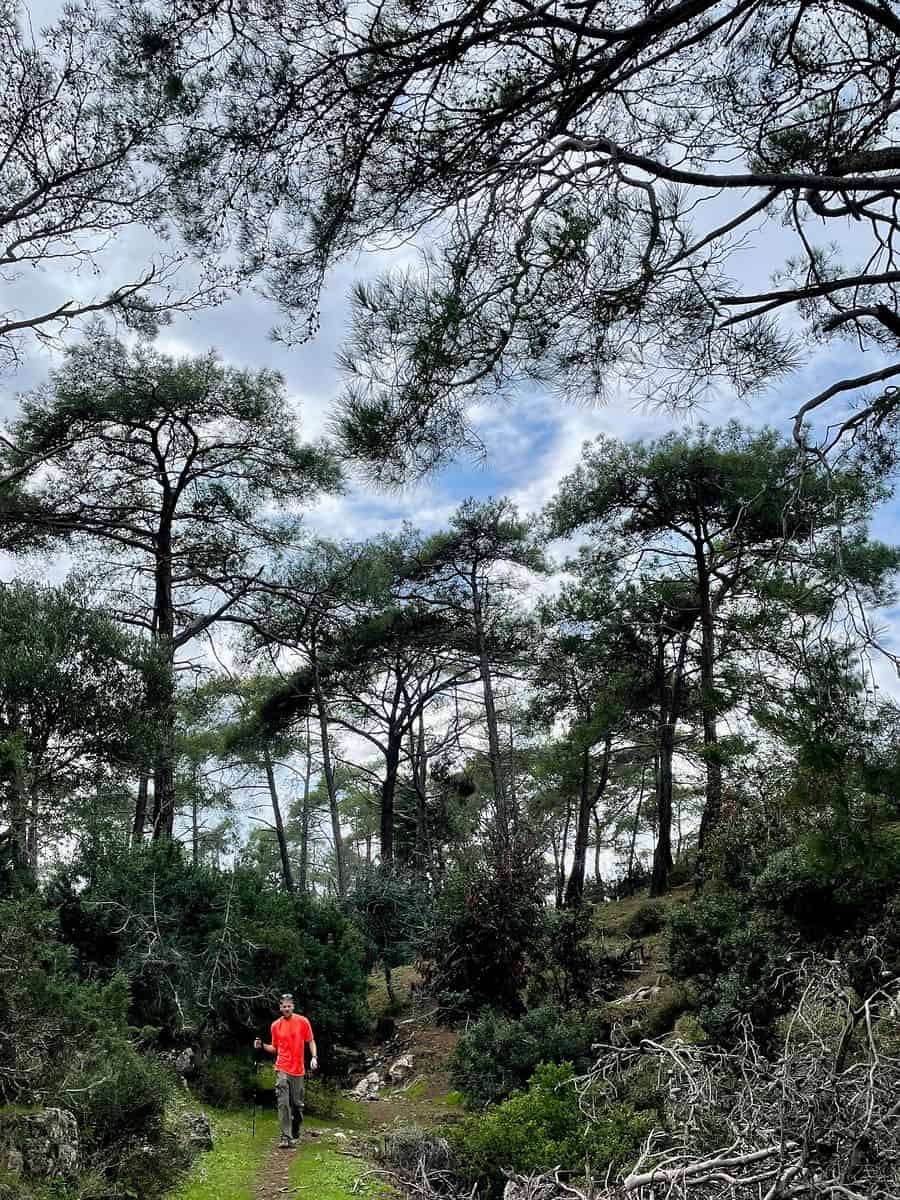
The Akamas Peninsula and Aphrodite Loop
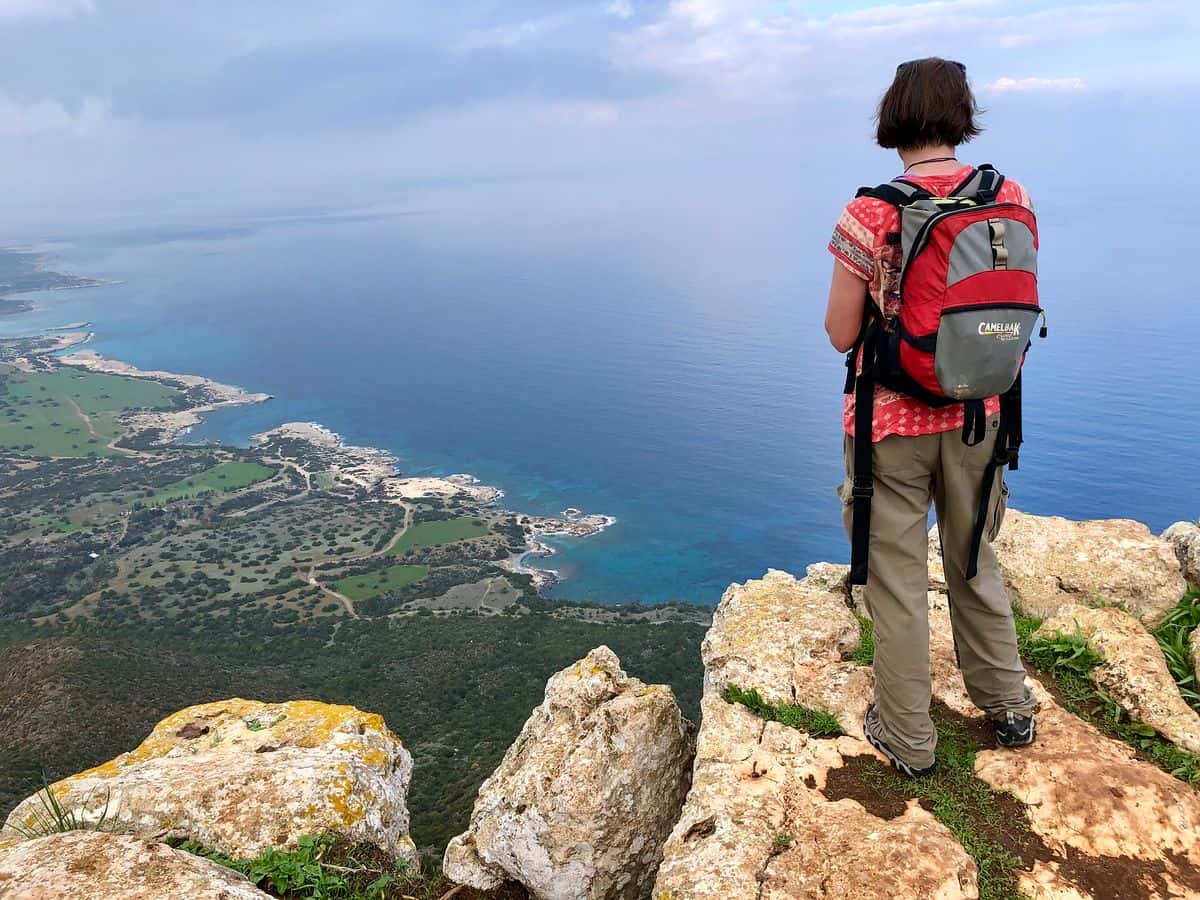
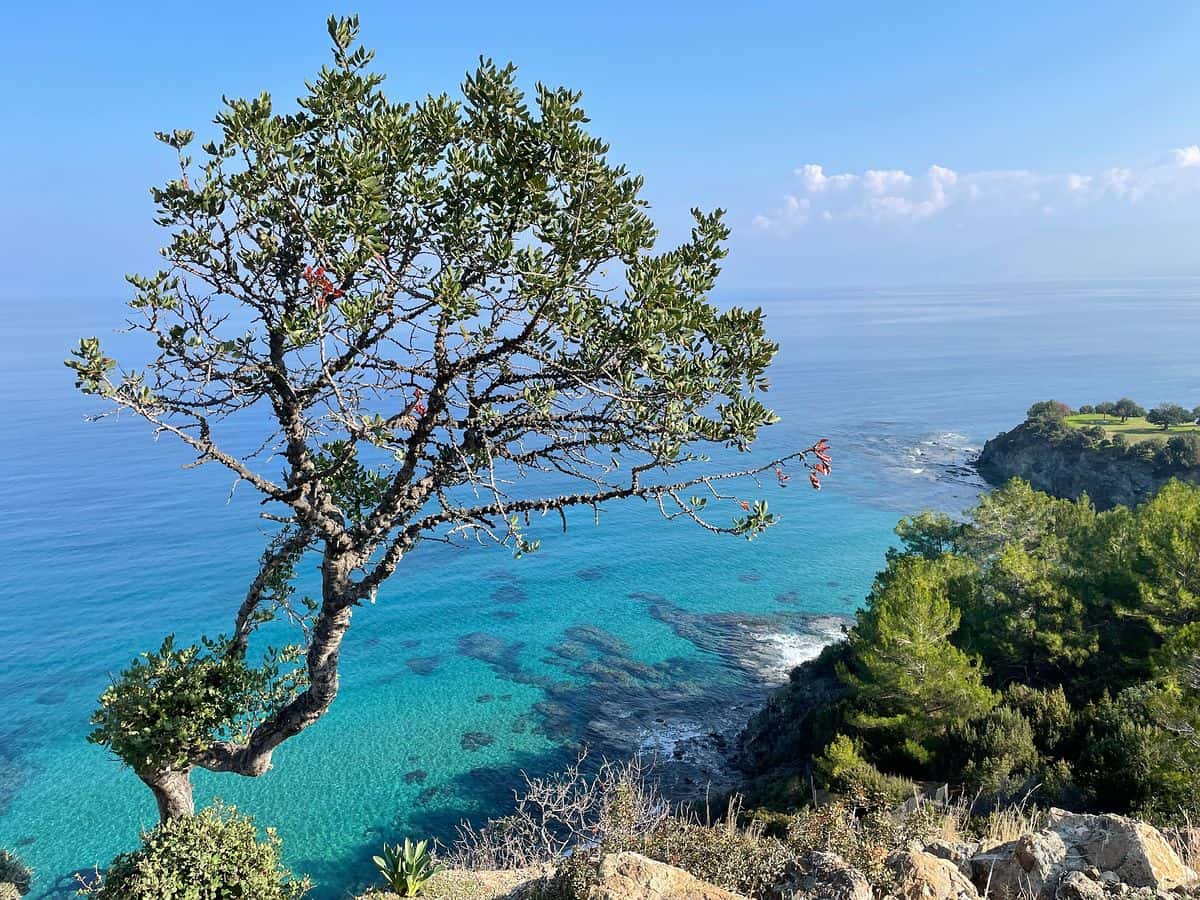
Located in the northwestern corner of the island, the Akamas Peninsula represents one of the most ecologically significant areas in Cyprus. The Aphrodite Loop, a 7.5-kilometer trail, provides a quintessential Mediterranean experience. It offers panoramic views of the Chrysochou Bay and passes through the Baths of Aphrodite, a site steeped in mythological significance. The route’s proximity to the sea creates a microclimate that allows for the growth of diverse shrubs and indigenous trees, such as the Phoenician juniper.
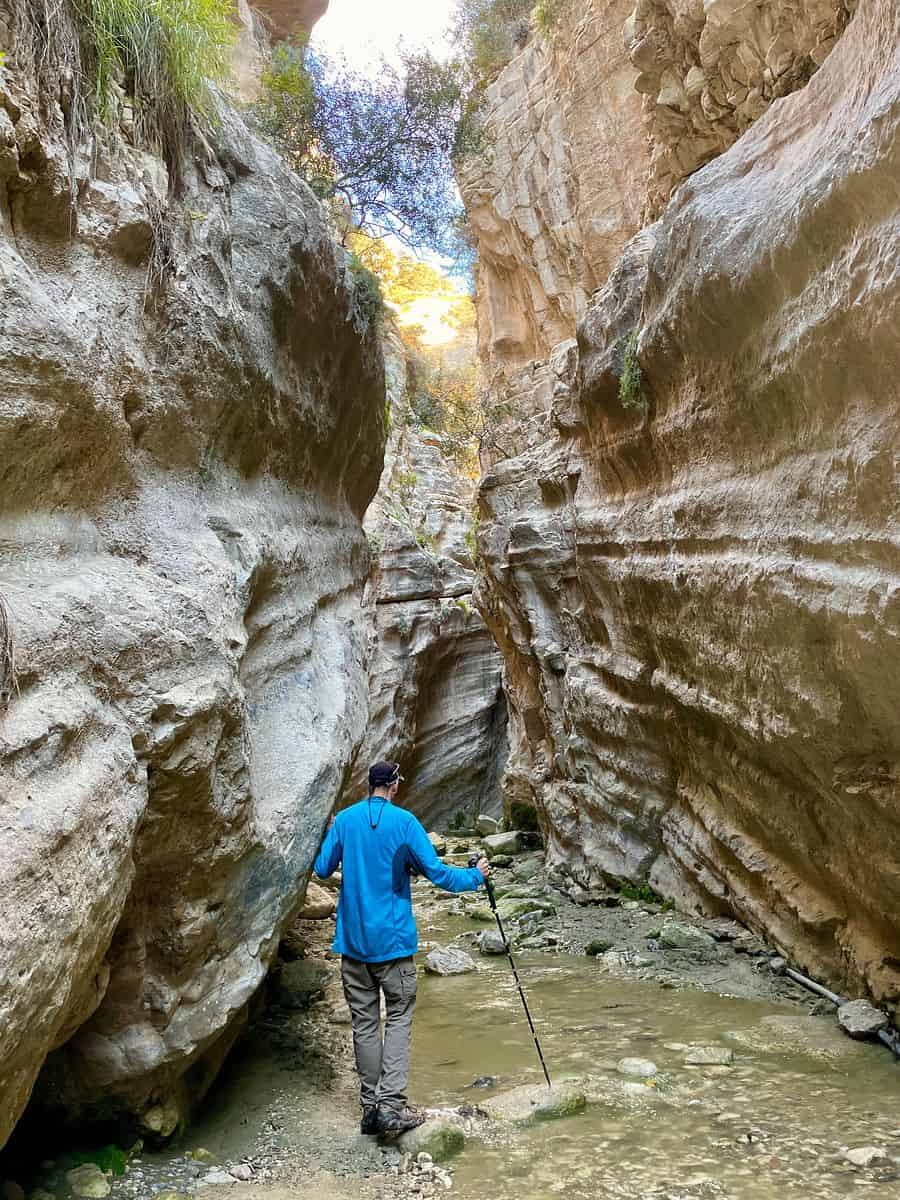
The Avakas Gorge
For those seeking more technical terrain, the Avakas Gorge offers a dramatic limestone canyon experience. The gorge is a prime example of the island’s geological dynamism, with towering cliffs narrowing to mere meters in certain sections. While the first kilometer of the trail is well-maintained, the deeper reaches of the gorge require agility and careful navigation, particularly after the winter rainy season when stream levels rise. This site serves as a vital habitat for endangered species, including the Cyprus griffon vulture, prompting local authorities to urge strict adherence to marked paths to minimize human impact.
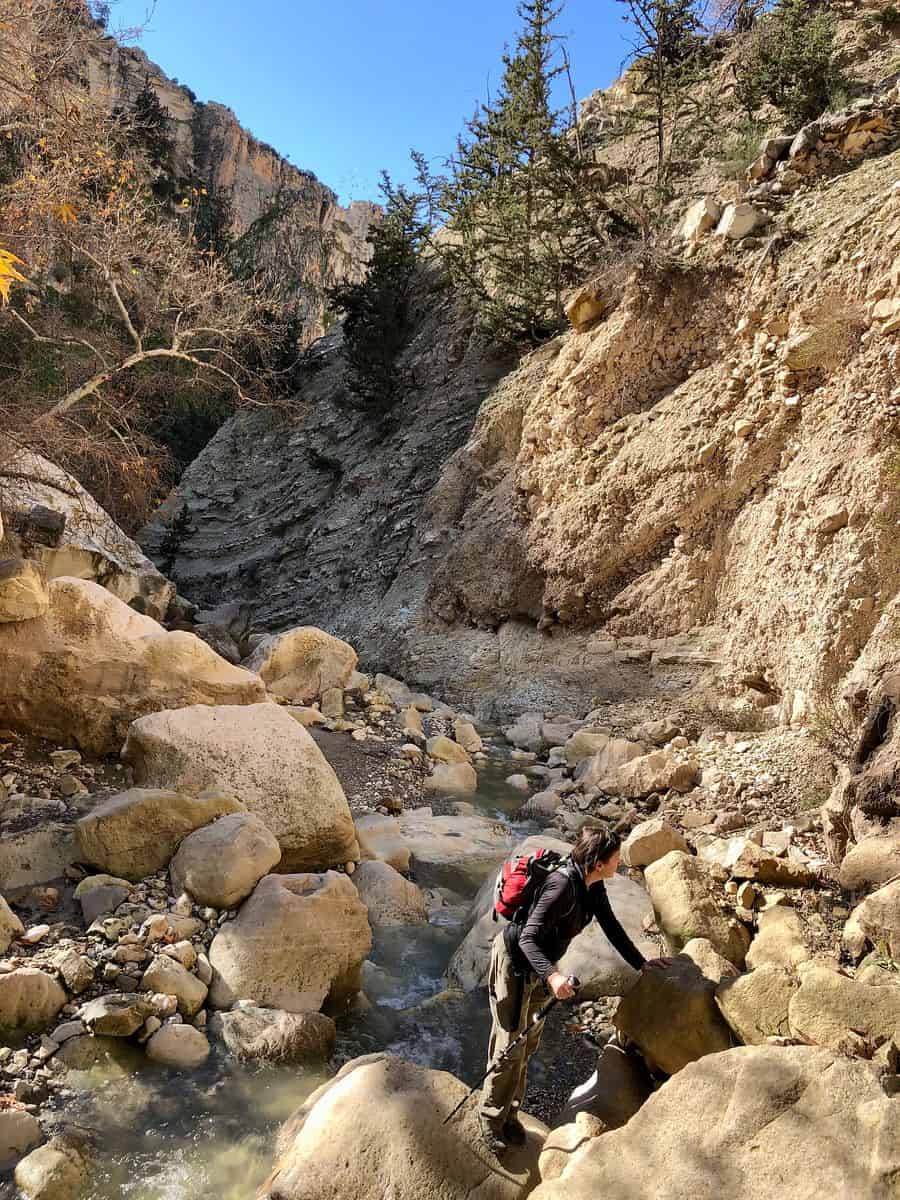
The Troodos Alpine Network
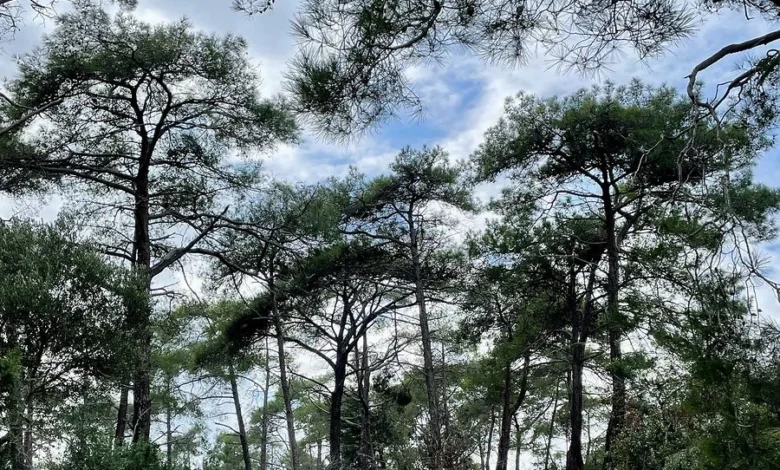
The Atalante Trail, circling Mount Olympus, represents the pinnacle of high-altitude hiking in Cyprus. At an elevation nearing 2,000 meters, this trail offers a stark contrast to the island’s coastal character. The shift from Mediterranean scrub to dense black pine forests provides a cool, tranquil environment. Data from local climate stations shows that this region acts as a water tower for the rest of the island, with snowmelt contributing significantly to the island’s annual water supply.

Cape Greco National Forest Park
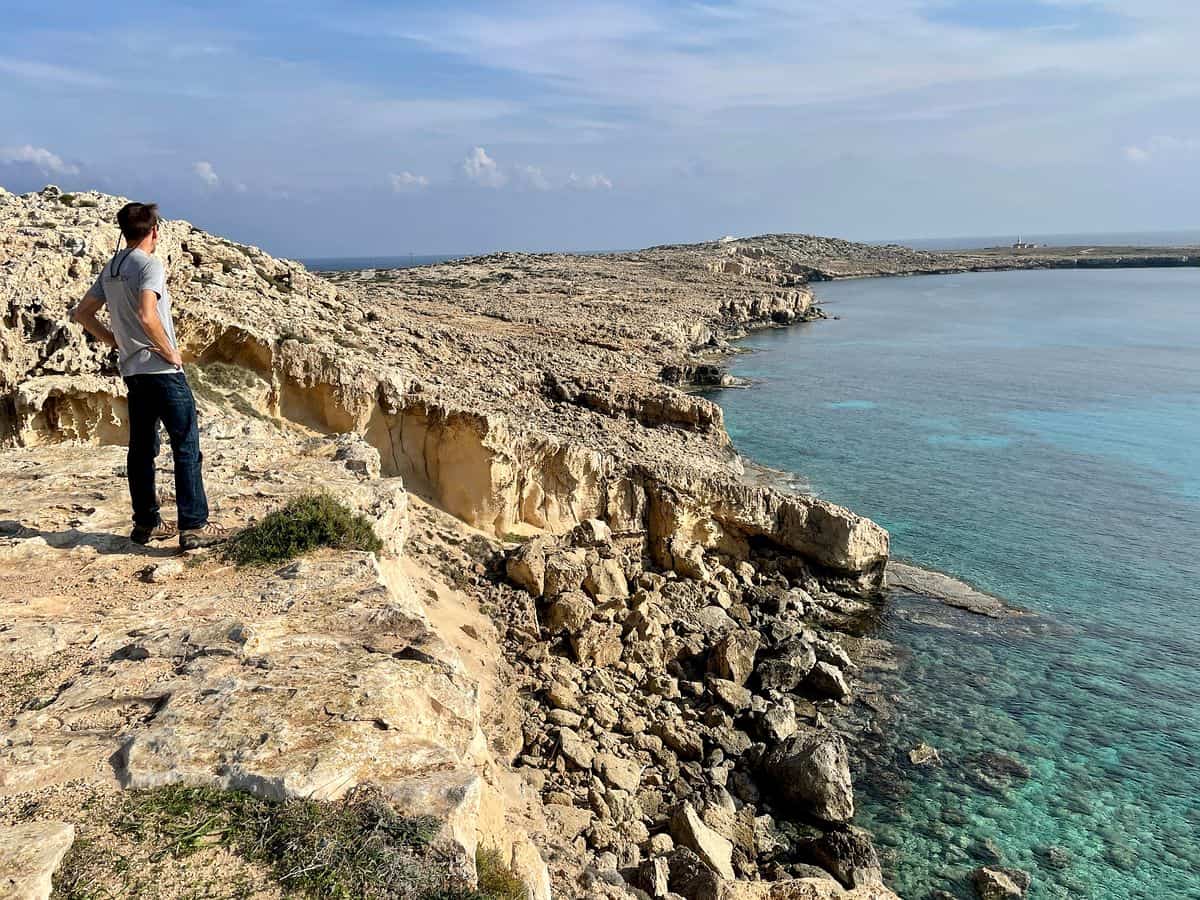
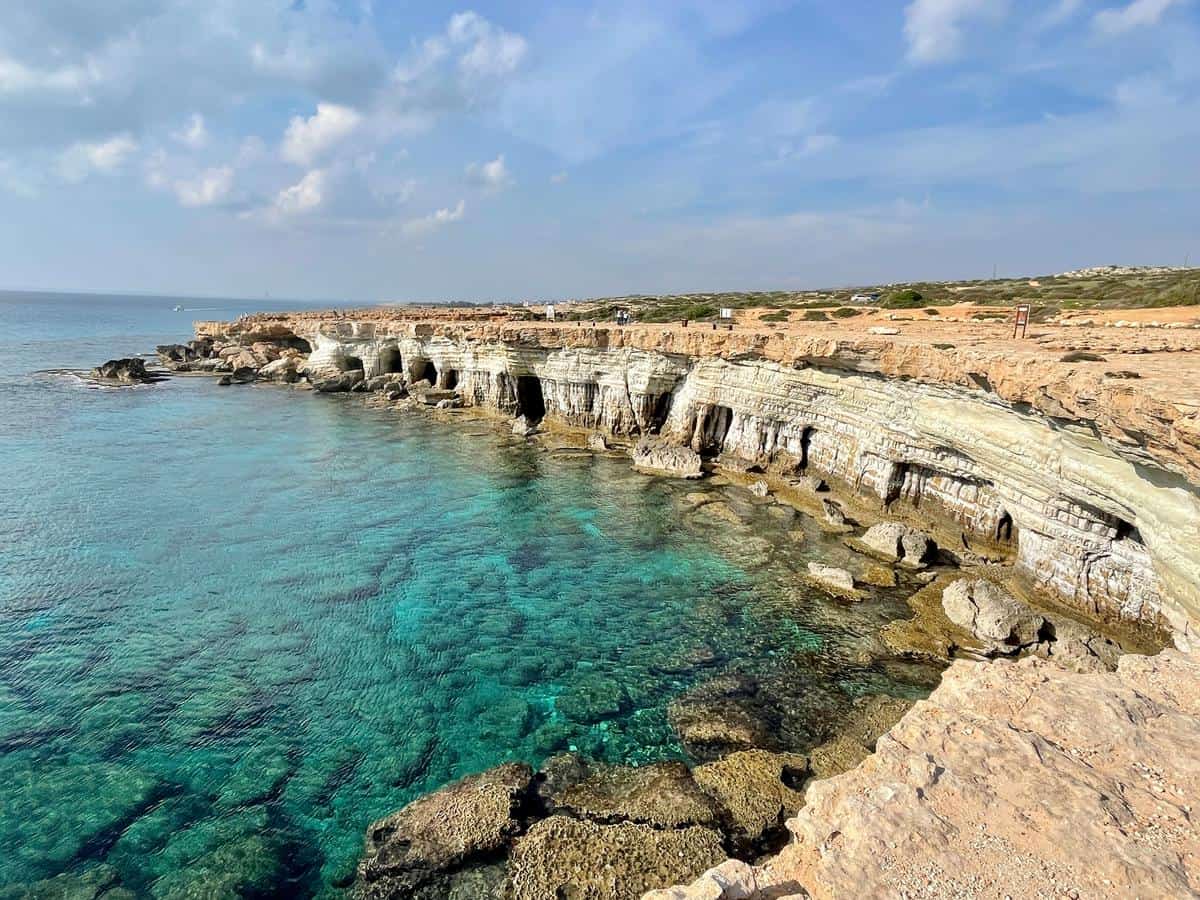
On the eastern coast near Ayia Napa, Cape Greco serves as a focal point for coastal hiking. Unlike the rugged interior, the Cape Greco trails are defined by sea caves, natural limestone arches, and crystal-clear turquoise waters. This area is heavily utilized by both tourists and locals, leading to concerted efforts by environmental groups to manage erosion and preserve the native flora, including winter-blooming daffodils.

Economic and Environmental Implications
The surge in hiking-focused travel has had measurable economic implications for rural communities. Small villages in the Troodos region, which previously saw little foot traffic, have seen a revitalization of guesthouses, tavernas, and artisan shops. By decentralizing tourism, the hiking movement has helped alleviate the infrastructure strain on coastal urban centers like Paphos and Limassol.
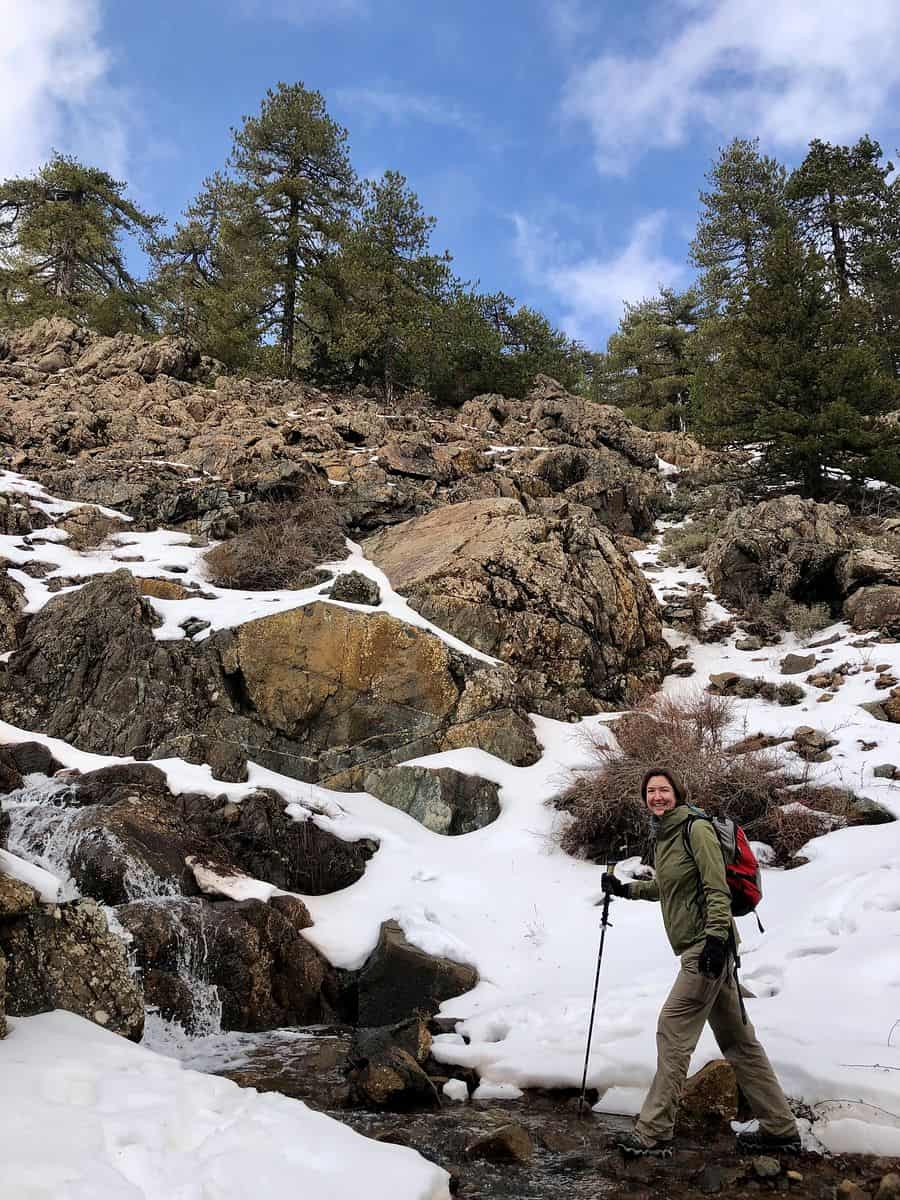
However, this growth brings environmental challenges. The Cyprus Department of Forests has emphasized that the island’s ecosystem is delicate. Increased foot traffic risks soil compaction and the disruption of nesting sites for local fauna. Consequently, the government has begun implementing stricter regulations on off-trail hiking and has promoted the use of digital navigation tools, such as GPX tracks, to ensure hikers remain on designated paths.

Strategic Recommendations for International Travelers
For those planning an active trip to Cyprus, the consensus among local tourism boards and experienced trekkers is that timing is critical.
- Seasonal Planning: While summer (June–September) is the peak tourist season, it is the least suitable time for hiking due to temperatures frequently exceeding 35°C. The optimal window for hiking is from late March to May, when the landscape is in bloom, or from October to early January, when the weather is temperate.
- Logistics: Renting a vehicle remains the most efficient method for accessing trailheads. Public transport to remote areas, such as the Akamas Peninsula or the higher Troodos peaks, is limited and can be time-consuming.
- Safety and Preparation: Hikers are advised to consult the Department of Forests’ website for current weather alerts and trail closures. Despite the mild reputation of the Mediterranean, the Troodos mountains require standard alpine safety gear during winter, and water remains a necessity regardless of the trail location.
- Cultural Engagement: The hiking experience in Cyprus is often enhanced by the tradition of "agrotourism." Staying in converted stone houses in mountain villages allows for a deeper understanding of the Cypriot lifestyle, which is characterized by a strong connection to the land and a tradition of slow-paced, locally sourced dining.
Future Outlook
The transformation of Cyprus into a recognized hiking destination is a testament to the island’s versatility. As global travel patterns continue to favor outdoor, nature-based experiences, Cyprus is well-positioned to capitalize on this shift. By balancing the expansion of its trail infrastructure with stringent conservation policies, the Republic of Cyprus is effectively diversifying its tourism portfolio, moving away from a single-industry reliance on sun-and-sand vacations toward a more sustainable and year-round economic model.

The integration of historical, geological, and physical activity into a single itinerary allows visitors to see the island not merely as a resort destination, but as a living landscape with a history that spans millennia. As the infrastructure matures, the focus will likely remain on maintaining the delicate balance between public access and environmental stewardship, ensuring that the rugged beauty of the island remains intact for future generations.