Meet the mariscadoras: northern Spain’s trailblazing all-women shellfish gatherers

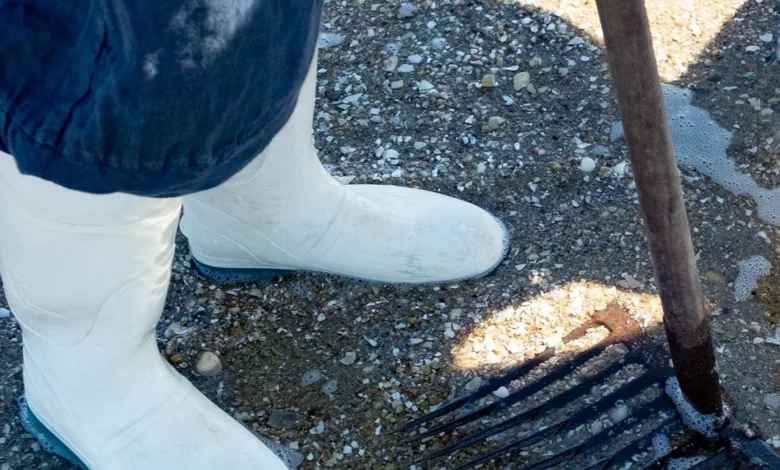
The shores of Galicia in northern Spain have long been defined by a harmonious, albeit grueling, relationship with the Atlantic Ocean. For centuries, the gathering of coastal molluscs along these jagged, ria-carved estuaries was an informal, undocumented domestic duty carried out almost exclusively by women. Today, this practice has evolved into a fully professionalized, regulated industry that not only sustains the coastal economy of towns like Cambados but also serves as a global model for sustainable marine management and ecological preservation.
Through new cultural immersion initiatives, such as those integrated into Intrepid Travel’s Northern Spain Real Food Adventure, international travelers are gaining firsthand insight into the world of the mariscadoras—the seasoned seafood fisherwomen who harvest cockles, grooved-carpet shells, and Japonica clams from the intertidal zones. This transformation from marginalized subsistence labor to recognized ecological stewardship reflects a profound shift in gender roles, environmental governance, and culinary tourism in modern Europe.
Historical Evolution and the Road to Regulation
The tradition of intertidal foraging in Galicia dates back over a thousand years, deeply embedded in the social fabric of coastal fishing villages. Traditionally, while male members of the community ventured into deep-sea commercial fisheries, women remained close to the shore. This division of labor allowed women to balance harvesting responsibilities with domestic duties, including childcare and household management.
For generations, however, this work was precarious and unrecognized. Until the late 20th century, the activity was viewed not as a profession, but as an informal coping mechanism for impoverished households seeking to supplement meager incomes. Veteran mariscadoras, such as Cambados native Charo Oliveira-Dominguez, recall an era when harvesters worked in harsh conditions without protective gear, often facing legal persecution. Prior to the mid-1990s, community tensions over unregulated harvesting and resource depletion led to severe crackdowns, including the arrest and imprisonment of women gathering shellfish to feed and support their families.
The turning point arrived in the mid-1990s. Recognizing the ecological vulnerability of the intertidal zones and the socio-economic marginalization of the workers, the regional government of Galicia initiated a comprehensive regulatory framework. In 1996, the profession was officially formalized. Since then, aspiring mariscadoras have been required to complete rigorous training in marine biology and intertidal management, and obtain five-year cultivation licenses issued by the regional authorities.
Economic Empowerment and Modern Management

Today, the structural organization of the mariscadoras stands as a triumph of cooperative labor and gender empowerment. Approximately 200 women are legally licensed to cultivate and harvest in Cambados alone—a fourfold increase compared to the numbers active a generation ago. This growth challenges the assumption that traditional trades are inevitably dying out; instead, professionalization and economic viability have revitalized the sector.
The operational parameters of the trade are strictly governed by natural rhythms, including lunar cycles, tidal movements, and commercial trading hours. Harvesters typically work approximately 15 days a month, limiting their active extraction time to roughly five hours a day around low tide. This schedule is deliberately designed to prevent overexploitation and ensure the long-term health of the marine ecosystem.
In 2004, the establishment of Guimatur—an organization founded by Cambados mariscadoras with partial funding from the European Union—marked a significant expansion into marine tourism and cultural preservation. By welcoming visitors to witness and participate in sustainable harvesting, the women supplement their incomes while educating the public on coastal conservation.
Furthermore, the integration of technology has modernized the supply chain. Modern mariscadoras utilize digital applications and barcode tracking systems affixed to their collection tubs. Once harvested, the catch is transported to the local lonja (commercial market) for auction, with proceeds transparently tracked and standardized across regional cooperatives. This infrastructure ensures fair wages and shields workers from the volatile market fluctuations that historically exploited independent gatherers.

Ecological Stewardship and Sustainable Practices
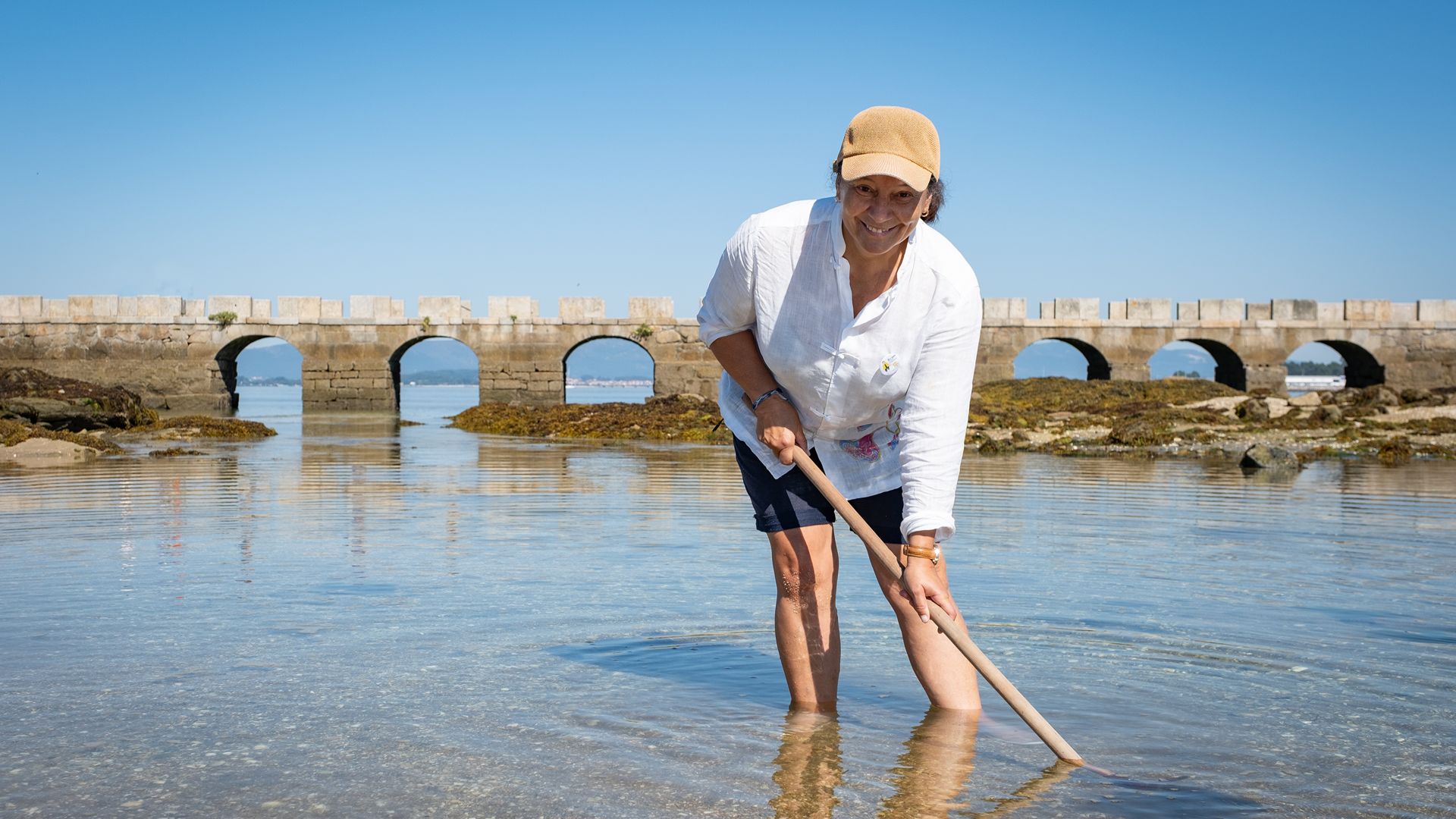
At the heart of the mariscadoras’ daily labor is a strict adherence to conservation protocols. Sustainability is not merely an abstract policy, but a physical practice enforced on the sands. Harvesters utilize specialized, sharp-pronged rakes to sift through the sediment, strictly targeting mature specimens.
For instance, clams must measure at least four centimeters in length before they can be legally retained. This size threshold ensures that the bivalves have reached sexual maturity and had the opportunity to reproduce at least once, safeguarding population renewal. Undersized specimens and excess sediment are immediately returned to the intertidal zone.
The cooperative spirit extends beyond environmental management to mutual social support. Mariscadoras typically operate in synchronized teams, pooling their physical labor to offset individual fatigue or health limitations on any given day. This collective approach fosters resilience within the community, ensuring that productivity remains stable without placing undue physical strain on individual workers.

From Playa to Plate: The Broader Culinary Impact
The economic footprint of the mariscadoras extends far beyond the shoreline, feeding into Galicia’s renowned gastronomy and artisan processing industries. The clams and cockles harvested from the rias supply upscale restaurants and fish markets throughout Spain.
A notable downstream partner in this supply chain is Real Espanola Conserva, an award-winning artisan canning facility located on the outskirts of Cambados. Operating primarily with a workforce of expert female canners, the facility transforms local seafood—ranging from sardines in olive oil and mussels in regional sauces to sustainably harvested clams—into premium preserved goods.
Nutritional analysts increasingly categorize these coastal molluscs as functional superfoods. Exceptionally high in vitamin B12, iron, and essential minerals, local clams support critical metabolic functions while carrying a minimal carbon footprint due to the low-impact, manual harvesting methods employed.

Broader Implications and Future Outlook
The institutionalization of Galicia’s shellfish gathering offers valuable lessons for coastal communities worldwide grappling with the dual challenges of climate change and economic modernization. By bridging indigenous ecological knowledge with formal legal frameworks, the regional government and local cooperatives have transformed an informal survival strategy into a protected, high-value profession.
The inclusion of these practices into international tourism itineraries, such as Intrepid Travel’s culinary routes, highlights a growing consumer demand for authentic, sustainable, and community-led travel experiences. By directly compensating the women for sharing their heritage, cultural tourism reinforces the economic rationale for protecting marine biodiversity.
As climate shifts continue to impact marine ecosystems globally, the model established by the mariscadoras of Cambados demonstrates that grassroots environmental stewardship, when supported by robust legal frameworks and economic equity, can successfully preserve both cultural heritage and ecological health for future generations.