The Ultimate Guide to Inflatable Airplane Beds for Toddlers: A Comprehensive Fly Tot Review

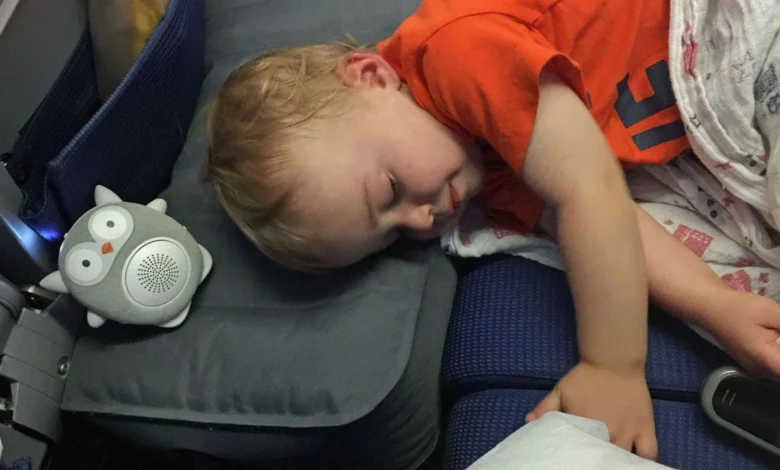
Navigating long-haul air travel with a toddler is widely considered one of the most demanding logistical challenges for parents. The confinement of an economy class seat, coupled with a young child’s physiological need for movement and rest, often results in significant travel fatigue for the entire family. In recent years, the aviation travel accessory market has responded to this pressure point with the introduction of inflatable seat extenders, most notably the Fly Tot. As families increasingly prioritize comfort during international transit, understanding the utility, safety, and regulatory environment surrounding these devices has become essential for modern air travel planning.

The Fly Tot represents a specific category of travel gear designed to transform the limited space between a passenger seat and the bulkhead or the seat in front into a leveled surface. By creating a contiguous, flat area, these cushions enable toddlers to lie down, significantly increasing the likelihood of uninterrupted sleep. For many families, this transformation is the difference between a restful flight and an exhausting ordeal that leaves both parent and child unprepared for the demands of arrival.
Evolution of the Inflatable Airplane Bed
The concept of the airplane bed for children originated from a grassroots need among frequent-traveling parents who recognized that standard aircraft seating was ergonomically incompatible with the needs of a child under the age of eight. While the "Original" version of the Fly Tot established the market standard, the current iteration, known as the Fly Tot Plus, reflects years of design iterations based on user feedback and safety testing.

The primary design philosophy remains the same: the cushion occupies the footwell, effectively bridging the gap to the seat in front. However, the Fly Tot Plus has introduced significant mechanical upgrades to address common user pain points. These include a patented two-width design to accommodate varying seat pitches and cabin configurations, as well as an automatic safety release valve. This valve is engineered to detect rapid changes in cabin pressure—a critical feature for maintaining structural integrity and safety standards during unexpected atmospheric events within the aircraft.
Technical Enhancements and Operational Improvements
One of the most notable shifts in the product’s lifecycle is the transition to a more streamlined, user-friendly interface. The original manual inflation process, which required significant time and effort during the boarding phase, has been replaced by a system compatible with a rechargeable electric "Tiny Pump." This device, which fits in the palm of a hand, allows for full inflation in under one minute. This reduction in setup time is crucial, as cabin crews typically prefer that such accessories be installed only after the aircraft has reached cruising altitude to avoid obstructing the aisle during critical flight phases.
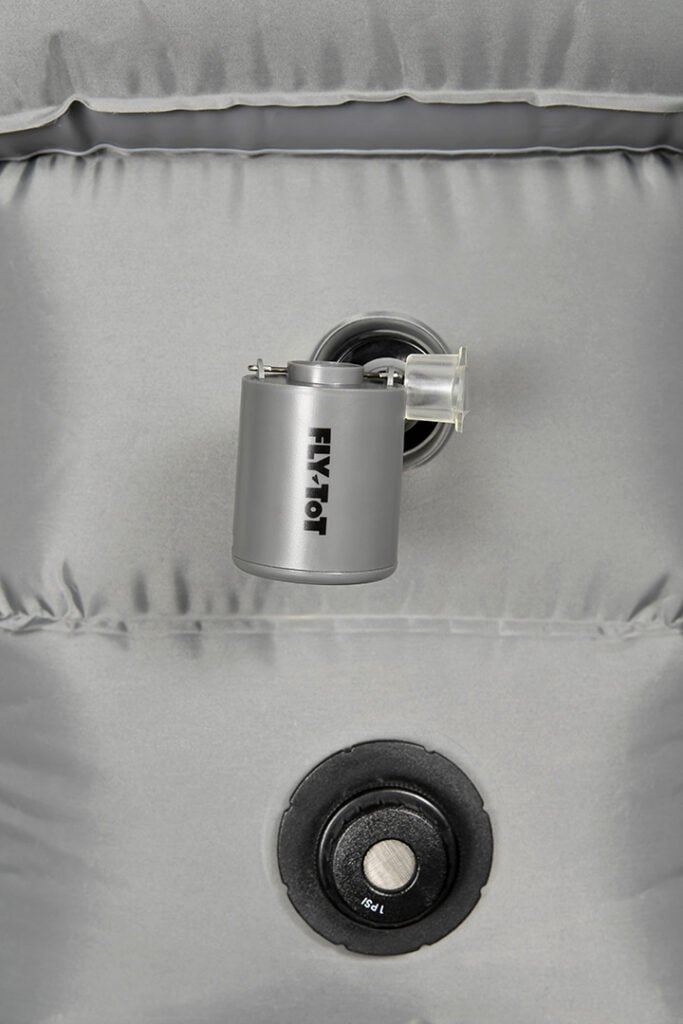
Furthermore, the integration of a tapered base design ensures that the device does not impede access to emergency equipment, such as life vests or in-flight entertainment hardware stored beneath the seat. These engineering refinements suggest a maturing product category that is increasingly cognizant of the rigorous safety protocols mandated by international civil aviation authorities.
Regulatory Landscape and Airline Compliance
A critical aspect of the current travel environment is the fragmented nature of airline policies regarding inflatable seat extenders. There is no global consensus or standardized regulation from organizations like the International Air Transport Association (IATA) that dictates whether these devices are permitted across all carriers. Consequently, the onus remains on the passenger to verify specific airline policies prior to departure.

Industry experts note that while many major international carriers—such as Singapore Airlines and several long-haul operators—have published clear guidelines allowing the use of specific, approved inflatable beds in designated seat rows, others maintain a strict prohibition. Factors influencing these decisions often include seat configuration, the proximity of the seat to emergency exits, and the airline’s own liability assessments. Passengers are routinely advised that the final authority rests with the flight crew on the day of travel; even if a device is permitted by policy, a cabin manager may request that it be stowed if it interferes with passenger movement or safety procedures.
Empirical Benefits for Families
The primary argument for the use of such devices is the qualitative improvement in the flight experience for both the child and surrounding passengers. Data from long-haul flights consistently show that when toddlers are afforded the ability to sleep in a horizontal position, their temperament upon arrival is significantly improved. This, in turn, reduces the stress levels of the accompanying adults and fosters a more harmonious cabin environment.

Beyond sleep, the creation of a "play zone" provides a secure area for toddlers to engage with toys and tablets. This reduces the frequency with which items fall to the floor—an act that often necessitates the child to stand or reach under the seat, causing further disruption. By centralizing the child’s activity space, the Fly Tot acts as a physical boundary that helps keep the toddler contained within their designated seat area.
Strategic Considerations for Parents
For families planning to utilize an inflatable bed, strategic seat selection is paramount. Aviation safety protocols dictate that such devices must not block the aisle. Therefore, these products are almost exclusively intended for use in window seats or the middle seat of a center-bank configuration, provided the passenger is not obstructing the path of another traveler.

Furthermore, it is essential to distinguish between the intended age range of the product and the actual physiological maturity of the child. While the manufacturer specifies the Fly Tot Plus for ages two to eight, parents should evaluate their child’s specific mobility and comfort needs. Additionally, it is vital to acknowledge that these devices are not child restraint systems (CRS). They do not replace the necessity of the seat belt, which must be fastened at all times when the seat belt sign is illuminated.
Economic and Practical Analysis
From a cost-benefit perspective, the investment in an inflatable travel bed is most easily justified for families who engage in frequent long-haul international travel. For a single short-duration flight, the logistical effort of packing, inflating, and stowing the device may outweigh the benefits. However, for trans-continental journeys where the goal is to shift a child’s circadian rhythm or maximize rest during a red-eye flight, the product offers a high return on investment.
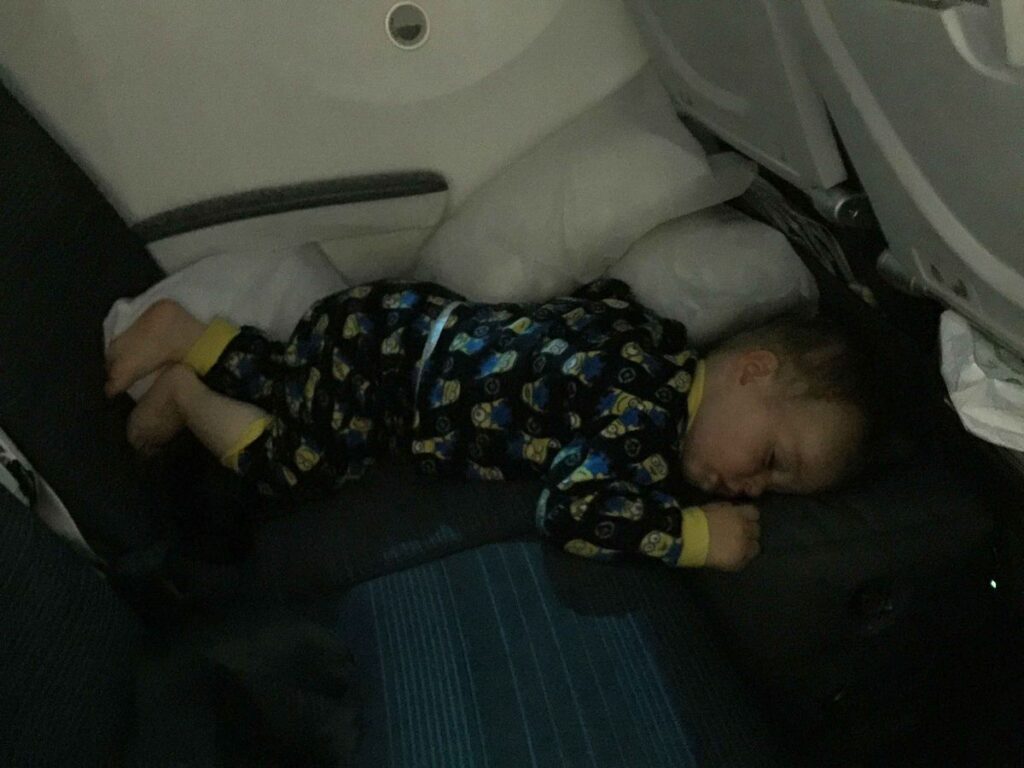
The durability of these products has also been noted in industry reviews, with many original users reporting that the materials hold up across dozens of flights and varying climates. The current model’s focus on portability—packing down to a footprint of approximately 11 x 8 x 3 inches—addresses previous concerns regarding the weight and volume of travel gear, making it a viable addition to standard carry-on luggage.
Best Practices for In-Flight Usage
To ensure a seamless experience, seasoned travelers and parenting experts recommend the following procedural steps:

- Pre-Flight Verification: Confirm the current, specific policy of the airline and the individual aircraft type.
- Practice Deployment: Parents should conduct at least one practice inflation and deflation at home to familiarize themselves with the valve mechanism and the electric pump.
- Strategic Timing: Install the device only after the cabin crew has completed the initial meal service and the aircraft has stabilized at cruise.
- Compliance and Courtesy: Always yield to the instructions of the cabin crew. If a flight attendant requests that the device be stowed, compliance should be immediate and polite. Maintaining a cooperative relationship with the crew is essential, as their support can be instrumental in managing other aspects of child travel.
- Climate Control: Given the fluctuating temperatures in aircraft cabins, an inflatable bed should be used in conjunction with blankets and, if necessary, white noise machines to create a familiar sleeping environment for the child.
Broader Implications for Air Travel
The rise of the inflatable airplane bed is part of a broader trend in the travel industry: the "consumerization" of the cabin experience. As airlines increasingly move toward unbundled pricing and more rigid seat configurations, passengers are finding innovative ways to reclaim personal comfort. While the aviation industry has yet to fully integrate these products into their standard operating procedures, the sustained demand from the family travel segment is forcing a conversation regarding the future of cabin design.
As the industry moves forward, it is likely that more airlines will either formalize their own proprietary seat-extender products or establish clearer, more permissive standards for third-party devices. Until then, the onus remains on the informed traveler to navigate the intersection of convenience and regulation. By approaching the use of these tools with a focus on safety, compliance, and preparedness, parents can successfully mitigate the inherent stresses of air travel, ensuring that both the journey and the arrival are as comfortable as possible.