Day of the Dead in Puerto Vallarta: A Comprehensive Guide to Mexico’s Most Vibrant Cultural Commemoration

Día de los Muertos, or Day of the Dead, stands as one of Mexico’s most significant cultural pillars, a syncretic observance that bridges pre-Hispanic indigenous beliefs with Roman Catholic traditions. In the coastal city of Puerto Vallarta, this annual period—spanning from late October through early November—has evolved into a sophisticated public exhibition of national heritage, attracting international visitors and local residents alike. The city’s unique geography, set between the Sierra Madre Mountains and the Pacific Ocean, provides a dramatic backdrop for the elaborate art installations, parades, and vigils that define the holiday.
Historical Context and Cultural Significance
The origins of Día de los Muertos date back thousands of years to the Aztec, Toltec, and other Nahua people, who considered mourning the dead to be disrespectful. Instead, the holiday functions as a celebration of the cycle of life. Following the Spanish conquest of the 16th century, these indigenous rituals were folded into the Catholic liturgical calendar, specifically All Saints’ Day (November 1) and All Souls’ Day (November 2).

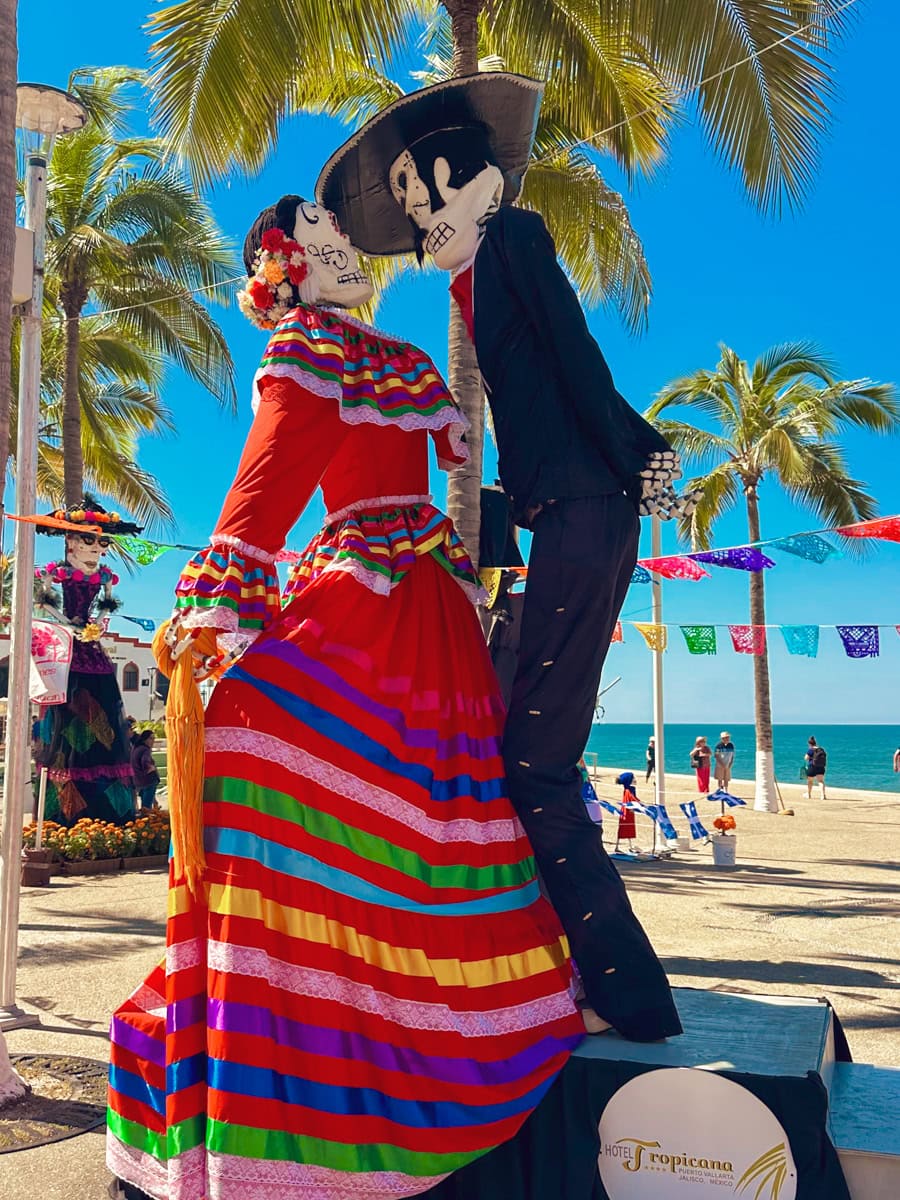
In Puerto Vallarta, the celebration has gained international notoriety for its scale and artistic rigor. The city’s commitment to preserving these traditions is exemplified by its focus on the "Calavera Catrina," a satirical yet elegant skeleton figure originally popularized by illustrator José Guadalupe Posada and later immortalized by Diego Rivera. By utilizing these figures, the city emphasizes a core cultural tenet: death is the great equalizer, an inevitable transition that should be met with humor and grace rather than fear.

Chronology of Events: A Multi-Day Observance
The commemorative period in Puerto Vallarta begins well before the official calendar dates, as local government and community organizations initiate city-wide installations.

- October 27 (Día de los Animales): Often recognized in modern practice as a day to honor departed pets, this date marks the informal start of the festivities. Public ofrendas (altars) across the city begin to include tributes to animal companions.
- November 1 (Día de los Angelitos): Dedicated to the "little angels," or children who have passed away. Families often visit cemeteries during the day to decorate gravesites with white flowers and toys.
- November 2 (The Great Parade): The culmination of the event is the Gran Desfile de Día de Muertos. Starting at the Cinco de Diciembre Cemetery at sunset, the procession moves through the streets, characterized by elaborate floats, mariachi bands, and participants wearing traditional face paint.
- November 2 (Evening Vigils): The event concludes with family-led vigils at local cemeteries, where the living remain through the night to share stories, music, and meals with the spirits of their ancestors.
Infrastructure and Public Installations
Puerto Vallarta’s municipal authorities invest significantly in the urban aesthetic during this time. The Plaza de Armas, the city’s central square, serves as the primary hub. Here, the municipal government installs an ofrenda dedicated to the city’s founder, Don Guadalupe Sánchez. The installation adheres to traditional requirements, incorporating the four elements of nature: earth (represented by food), wind (represented by moving papel picado), water (left in a pitcher for the weary spirits), and fire (candles to light the way).

Along the Malecón, the city’s famous oceanfront boardwalk, the local government sponsors a display of monumental sculptures. In previous iterations, these Calavera Catrina figures have exceeded 75 feet in height, requiring months of collaborative planning between local artists, engineers, and civic sponsors. Data from the Puerto Vallarta Tourism Board indicates that these installations are a primary driver of tourism during the late-autumn shoulder season, effectively extending the economic benefits of the hospitality sector.

Culinary Traditions and Economic Impact
The gastronomy of Día de los Muertos is both a ritual and a significant commercial event. Traditional foods served during this time carry deep symbolic weight:

- Pan de Muerto: A sweet, yeast-leavened bread often adorned with "bones" made of dough. The shape represents the cycle of life, and it is a staple of both public displays and private offerings.
- Pozole: A traditional pre-Hispanic soup. While consumed year-round, its presence during the November vigils is heightened, serving as a communal meal for families waiting in cemeteries.
- Tamales: Steamed corn-husk parcels that represent ancestral memory. The communal preparation of tamales, known as a "tamalada," remains a critical social bonding exercise for families across the region.
From an economic perspective, the surge in demand for these goods supports local agricultural producers and artisanal bakeries. Many restaurants in the Zona Romántica and the historic El Centro district adjust their menus to feature these items, integrating cultural education with the tourism experience.

Formal Observations and Community Engagement
Local stakeholders and hotel operators have increasingly standardized their participation in the event to provide an immersive experience for guests. Resorts such as Velas Vallarta and Casa Velas have implemented formal programming, including guided "Ofrenda Tours" and educational workshops on calavera painting.

The rationale behind this institutional involvement is twofold: it provides guests with an authentic cultural experience while ensuring that the traditions are presented with the appropriate level of solemnity and respect. By providing context—explaining, for instance, that the marigolds (cempasúchil) are used for their vibrant color and scent to guide spirits home—the hospitality industry acts as a custodian of local knowledge.

Broader Societal Implications
The professionalization of Día de los Muertos in Puerto Vallarta highlights a tension between cultural preservation and tourism growth. However, most sociologists observing the region note that the city maintains a high degree of authenticity because the traditions are deeply rooted in the daily lives of the local population. When families gather at the Cinco de Diciembre Cemetery, they are not performing for visitors; they are engaged in a centuries-old practice of bereavement and remembrance.

The presence of tourists, when managed through respectful observation, serves to bolster the city’s identity. The inclusion of modern influences, such as the growing integration of Halloween on October 31, reflects the fluid nature of Mexican culture. While Halloween is a distinct import, its proximity to the traditional dates has led to a hybrid experience where residents celebrate the macabre alongside the memorial.

Conclusion and Future Outlook
As Puerto Vallarta continues to solidify its reputation as a premier destination for cultural tourism, the city’s approach to Día de los Muertos serves as a model for how a municipality can balance modernization with tradition. The sustained investment in the Malecón art installations and the continued support for the traditional cemetery vigils suggest that the holiday will remain the city’s most significant cultural event for the foreseeable future. For the visitor, the experience is not merely one of visual spectacle, but an invitation to participate in a profound, centuries-old dialogue between the living and the dead.