Boston serves as a premier historical and cultural anchor for travelers exploring the northeastern United States, offering an array of attractions ranging from the Freedom Trail to world-class academic institutions. Beyond the city limits, however, Metropolitan Boston occupies a strategic geographic position that grants residents and tourists convenient access to some of the most dynamic recreational regions in New England. For travelers seeking to expand their urban itineraries, four distinct destinations located within a three-and-a-half-hour drive offer comprehensive, multi-seasonal itineraries designed to accommodate families, multigenerational groups, and travelers of all ages. These regional hubs combine historical preservation, outdoor recreation, and luxury hospitality to provide balanced getaways throughout the spring, summer, autumn, and winter months.
Kennebunkport, Maine: Coastal Heritage and Maritime Traditions

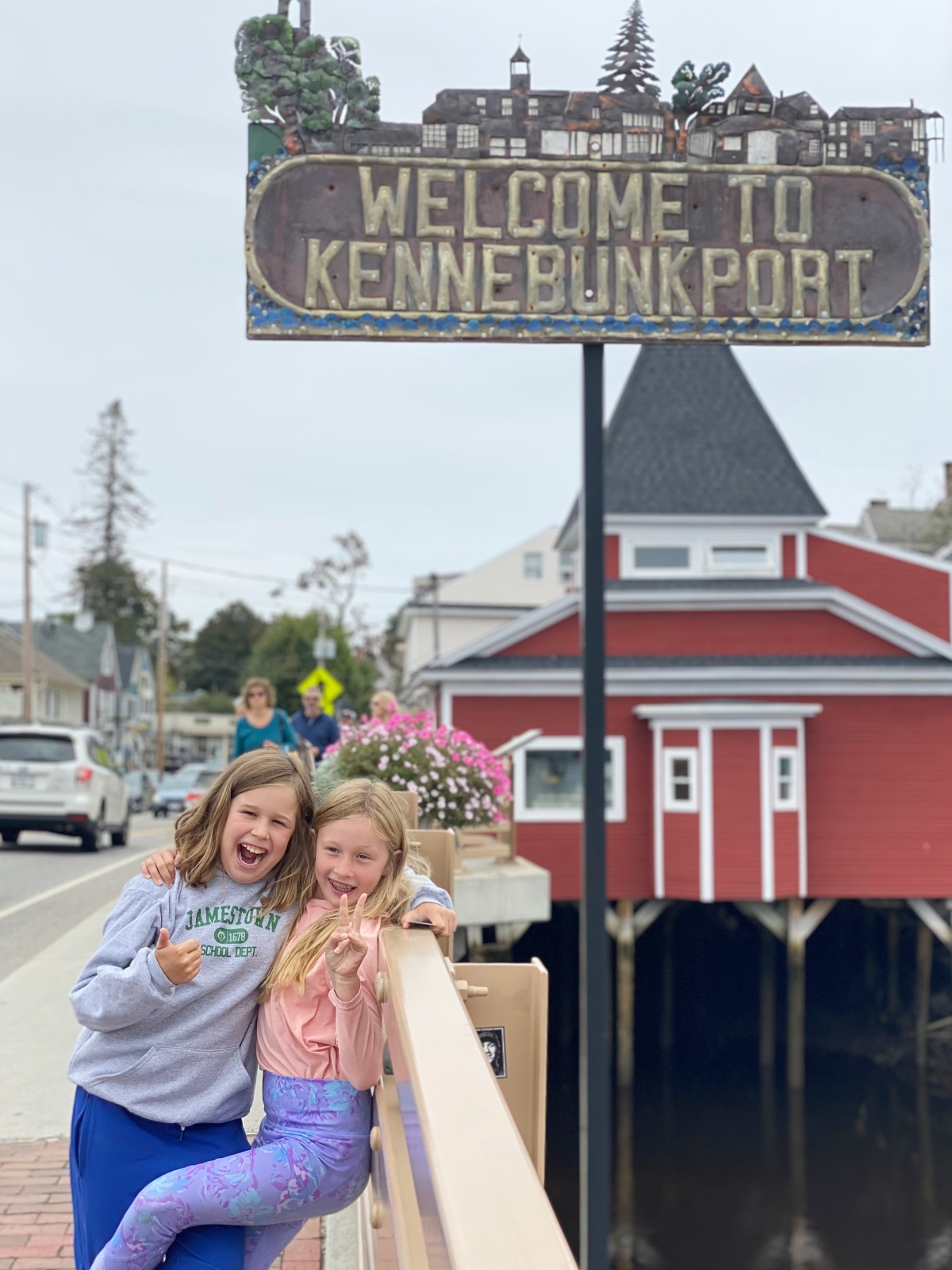
Situated approximately 90 miles north of Boston along the southern coast of Maine, Kennebunkport represents a preserved example of 17th- and 18th-century New England maritime culture. The town’s historical architecture, featuring whitewashed churches and former sea captain residences, reflects a legacy built upon shipbuilding, shipping, and fishing industries. According to regional tourism metrics, coastal Maine experiences peak visitation during the summer months, driven by warm oceanic temperatures and accessible maritime recreation.
During the warmer seasons, visitors engage in a variety of coastal activities, including kayaking along the Kennebunk River, deep-sea fishing expeditions, whale watching tours operating from mid-June through early September, and excursions to Goose Rocks Beach. Local officials emphasize the ecological significance of the area’s tidal marshes and wildlife refuges, which support localized birdwatching and hiking initiatives. As the autumn season progresses into mid-October, Kennebunkport becomes a primary destination for leaf-peeping tourism, characterized by the transformation of native sugar maples, oaks, and beeches into vibrant shades of red, orange, and gold.
Winter tourism in Kennebunkport centers heavily upon the annual Christmas Prelude festival, established in 1982 to extend the local economic season and celebrate regional heritage. The event draws tens of thousands of visitors annually, featuring signature displays such as holiday trees constructed from lobster traps, historic carriage rides, and community-wide artisanal markets.
For luxury accommodations, families frequently select Hidden Pond, an award-winning resort situated within a 60-acre birch forest that emphasizes multi-generational programming and private cabin rentals. Alternatively, travelers seeking sophisticated boutique lodging often patronize the White Barn Inn, a historic property known for its culinary standards and central location within the village.
Newport, Rhode Island: Gilded Age Opulence and Sailing Capital
Located less than two hours south of Boston, Newport, Rhode Island, functions as a historical epicenter of American wealth, naval history, and competitive sailing. Founded in 1639, the city grew into a prominent colonial port before transforming during the late 19th and early 20th centuries into the favored summer playground for American industrial titans, including the Vanderbilts and Astors. Today, Newport manages a delicate balance between historic preservation and contemporary tourism, hosting major international regattas alongside world-renowned cultural events such as the Newport Folk Festival and Newport Jazz Festival, both established in the mid-20th century.

The city’s economic framework relies heavily on seasonal tourism trends. Summer brings peak visitor volume, driven by maritime activities on Narragansett Bay, walking tours of the Gilded Age mansions managed by the Preservation Society of Newport County, and cultural festivals at Fort Adams State Park. Local hospitality associations report high occupancy rates between June and August, supported by regional ferry networks linking Newport, Jamestown, and Rose Island.
In contrast, the shoulder seasons of spring and autumn offer alternative tourism experiences. Spring features the Newport Daffodil Days festival, during which more than one million yellow blooms emerge across parks, historic estates, and roadways, signaling the end of the winter season. Autumn brings favorable sailing conditions, declining crowd densities, and stabilized sea temperatures through September, making it an optimal period for walking the historic Cliff Walk—a 3.5-mile public access trail bounded by the Atlantic Ocean on one side and Gilded Age estates on the other.
Winter programming focuses on interior heritage tourism, highlighted by the Holidays at Newport Mansions event, which transforms historic properties with elaborate Victorian decorations, thousands of feet of garland, and themed historical exhibitions. Accommodations such as The Brenton Hotel offer modern harbor-front lodging, while The Vanderbilt, Auberge Collection, provides restored 19th-century luxury in the downtown district.

White Mountains, New Hampshire: Alpine Adventure and Natural Preservation
Positioned roughly two and a half hours north of Boston, the White Mountains of New Hampshire span over 800,000 acres of federal and state protected land within the White Mountain National Forest. Established under the Weeks Act of 1911, the national forest serves as a vital watershed protection zone and a premier destination for year-round outdoor recreation, welcoming millions of visitors annually.
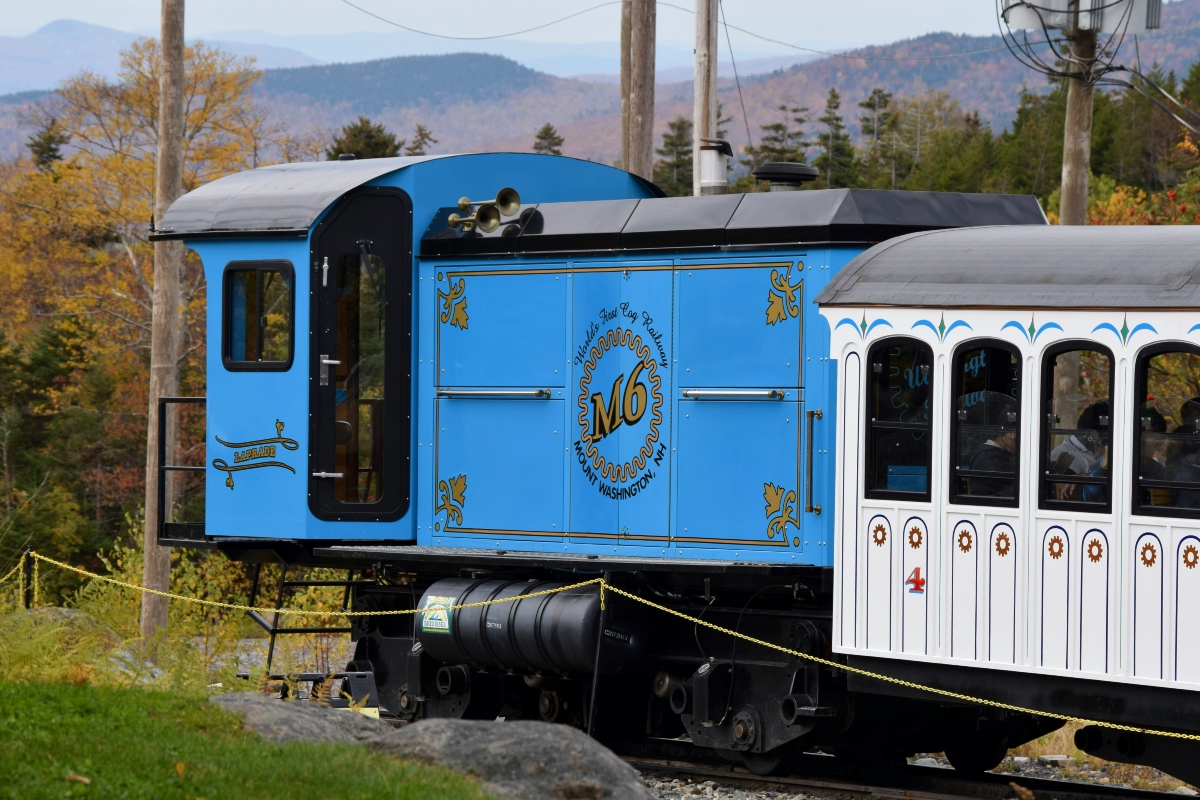
The region’s topography supports a diverse seasonal economy. Summer and autumn invite high volumes of hikers, cyclists, and motorists traversing the scenic Kancamagus Highway. Prominent geological formations, such as Franconia Notch and Flume Gorge, draw substantial pedestrian traffic interested in glacial history and botany. Additionally, heritage rail tourism thrives via the Mount Washington Cog Railway—the world’s first mountain-climbing cog railway, operational since 1869—and the Conway Scenic Railroad.

Winter operations in the White Mountains represent a significant economic driver for northern New Hampshire. Resorts such as Bretton Woods, adjacent to the historic Omni Mount Washington Hotel, manage extensive trail systems covering hundreds of acres for alpine skiing, snowboarding, Nordic skiing, and snowshoeing. Resort operators have increasingly invested in snowmaking technology and adaptive ski programs to mitigate the economic risks associated with variable winter snowfall patterns.
Hospitality infrastructure in the region ranges from historic grand hotels, such as the Omni Mount Washington and the Mountain View Grand Resort & Spa—which features an operational agricultural farm—to modern condominium complexes designed to support family-oriented and multi-generational travel itineraries.
Stowe, Vermont: Mountain Resiliency and Alpine Tradition
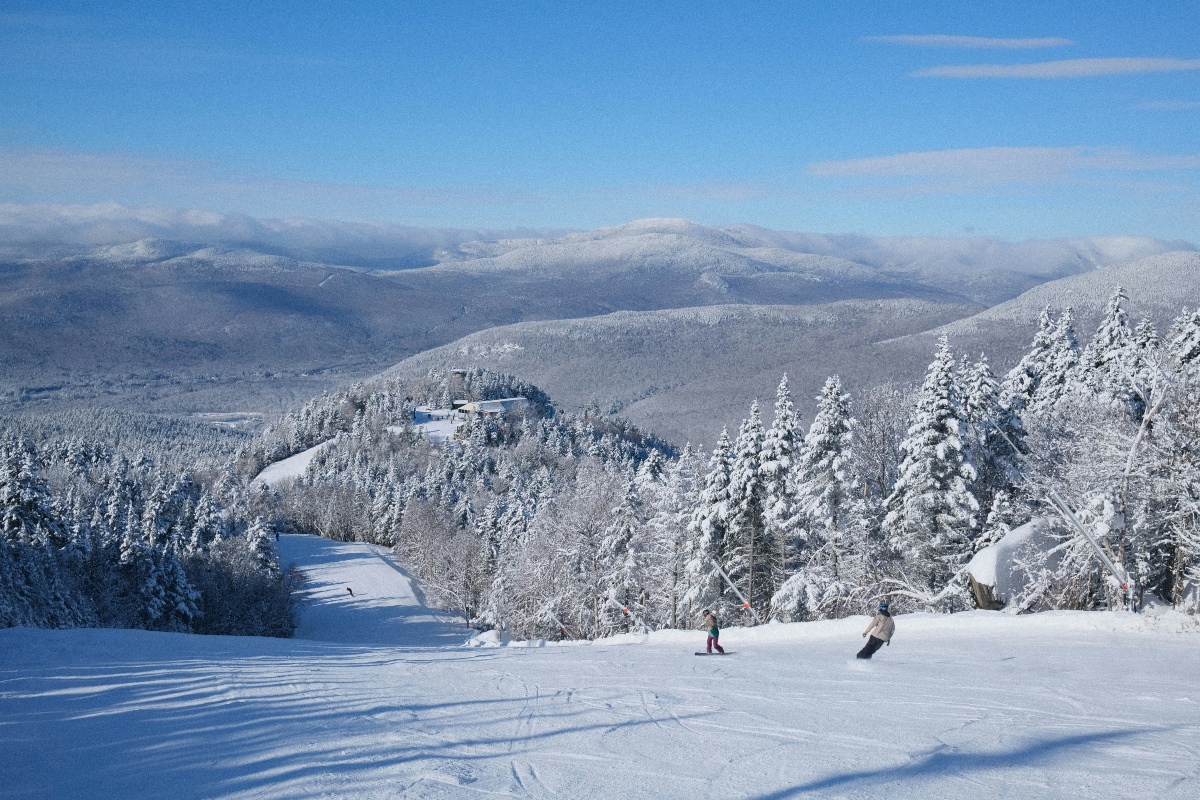
As the farthest destination on the regional itinerary at just over a three-hour drive from Boston, Stowe, Vermont, occupies a prominent position in the development of American alpine skiing and resort culture. Situated at the foot of Mount Mansfield, Vermont’s highest peak at 4,393 feet, Stowe combines agricultural heritage with modern luxury tourism.
The town’s economic and cultural development is closely tied to the history of skiing in the United States. The introduction of the Stowe Ski Patrol in the 1930s and the construction of the region’s first chairlift established the town as a pioneer in winter sports. Today, Stowe Mountain Resort features extensive advanced and intermediate terrain, complemented by the Spruce Peak Village Center, which provides ice skating, dining, and pedestrian-oriented retail infrastructure.
Beyond the winter ski season, Stowe transitions into an outdoor recreation hub during the spring, summer, and fall. Regional tourism data indicates a steady rise in summer and autumn visitation, driven by mountain biking trail expansions, hiking routes leading to Moss Glen Falls, and culinary tourism centered around nearby attractions such as the Ben & Jerry’s Factory in Waterbury. During spring, local sugarhouses engage in traditional maple syrup production, offering educational tours that highlight Vermont’s agricultural heritage.
Lodging options in Stowe reflect a tiered luxury market. The Lodge at Spruce Peak, managed by Hyatt, offers ski-in/ski-out access and comprehensive wellness facilities. For travelers seeking alternative settings, the Von Trapp Family Lodge—founded by the famous singing family depicted in The Sound of Music—provides Austrian-inspired architecture, extensive cross-country ski trails, and family-focused educational programming. Meanwhile, Topnotch Resort caters to wellness-oriented travelers and visitors seeking a quieter boutique environment close to the village center.
Regional Economic Implications and Travel Planning
The accessibility of Kennebunkport, Newport, White Mountains, and Stowe underscores the strategic value of Boston as a departure point for regional tourism. Collectively, these four destinations contribute billions of dollars annually to the New England economy, supporting local hospitality, agricultural, and service sectors. Travel analysts note that these destinations have increasingly focused on multi-seasonal programming to reduce economic volatility associated with single-season dependencies, ensuring sustained employment and regional development throughout the calendar year. Visitors planning trips from Boston are advised to monitor seasonal peak periods—particularly autumn foliage weekends and winter holiday weeks—and secure lodging accommodations well in advance to manage demand fluctuations.