Beyond Sustainability: How Regenerative Tourism Is Redefining the Future of Global Travel

The global tourism industry is facing a profound philosophical reckoning. For decades, the dominant paradigm of sustainable travel has focused heavily on mitigation—minimizing carbon footprints, reducing single-use plastics, respecting local heritage sites, and encouraging eco-friendly lodging. However, as the compounding effects of climate change and overtourism accelerate worldwide, industry leaders, environmental scientists, and policymakers are arguing that merely doing "less harm" is no longer sufficient.
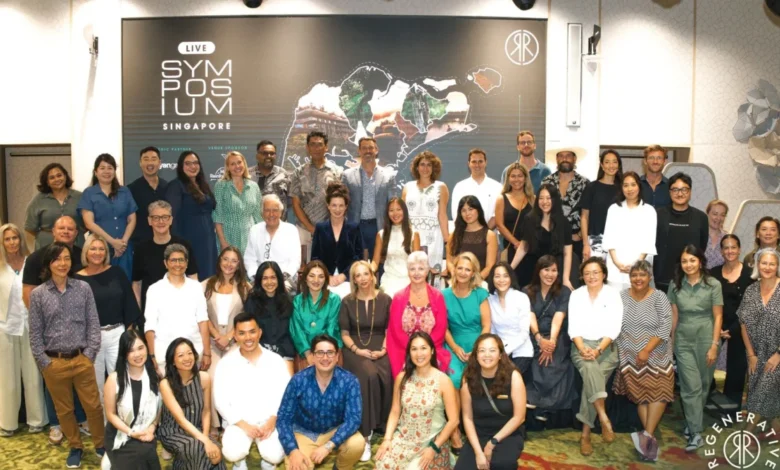
This critical shift was at the center of the recent Regenerative Travel Asia Symposium held in Singapore, where international delegates gathered to explore an ambitious framework: regenerative tourism. Rather than treating destinations as resources to be consumed and protected, this emerging model posits that travel can and must actively restore degraded ecosystems, empower local communities, and mend the relationship between human travelers and the natural world.
The Evolution from Consumption to Regeneration
The historical architecture of global tourism has long been built on consumption. Tourists arrive, consume localized experiences, resources, and cultural touchstones, and depart—often leaving behind structural economic dependencies or environmental degradation. Regeneration challenges this foundational model.
Speaking at the symposium, Amanda Ho, co-founder and CEO of Regenerative Travel, described the movement as a fundamental transition from "head to heart, scarcity to abundance, and individual to collective." Ho urged industry stakeholders to view tourism not merely as an economic sector driven by consumer satisfaction, but as a reciprocal relationship connecting people, places, and nature.
This sentiment was echoed by keynote speaker Juliet Kinsman, who emphasized humanity’s interconnectedness within broader biological systems. In an era dominated by rapid technological advancement and artificial intelligence, Kinsman argued that the travel sector holds a unique capability to "regenerate humanity" by forcing individuals to disconnect from virtual landscapes and re-establish tactile, empathetic bonds with the physical planet and local communities.
Consumer Demand vs. Practical Execution
The appetite for this paradigm shift is increasingly evident among global consumers. Jeremy Tran of Sustainable Travel Asia presented compelling data sourced from recent Booking.com studies, revealing that approximately 85% of global travellers express a strong desire for more sustainable travel options. Furthermore, 69% of respondents stated they want to leave their visited destinations better than they found them.
Despite these positive consumer intentions, a significant operational gap remains between wanting to travel responsibly and possessing the operational knowledge of how to do so.
Tran pointed to the disruptive influence of social media in dictating modern travel trends, where picturesque destinations can transform into viral hotspots overnight. This hyper-accelerated trend culture frequently overwhelms local infrastructure and prompts tourists to follow generic digital itineraries rather than choosing destinations with genuine intention. To counter this, industry analysts suggest travelers evaluate the foundational motivations behind their trips, questioning whether their presence supports local infrastructure or simply contributes to overtourism cycles.
Addressing Overtourism: The Case of Bali
To understand the urgent necessity for regenerative practices, one need only look at destinations experiencing acute growth pressures. Maitri Fischer, a leader in environmentally sustainable design with Eco-Mantra, addressed the severe systemic tensions that emerge when tourism growth outpaces regional carrying capacities.
Using Bali as a primary case study, Fischer detailed the severe environmental strains caused by rapid, unchecked development. From critical water resource depletion to municipal waste management crises, the traditional volume-driven tourism model has placed an unsustainable burden on local ecosystems and communities.
Fischer emphasized that for tourism to achieve genuine regeneration, local communities cannot remain passive recipients of industry policies. Instead, they must function as active decision-makers with direct agency over their land, cultural preservation, and long-term economic futures. This requires a transition from extractive tourism—where economic capital flows outward to multinational corporations—to a model of exchange that reinvests wealth directly into the host region.
Industry Case Studies: Regeneration in Action
While systemic transformation remains a long-term goal, several hospitality leaders and resort operators are already proving that regenerative business models are commercially viable. Throughout the Singapore symposium, organizations such as the Banyan Group, The Datai Langkawi, and Potato Head Bali showcased operational blueprints for the future.
Another notable example highlighted during the event is Song Saa Private Island in Cambodia. Developed deliberately on a degraded marine environment, the resort was founded with an explicit mandate for ecological restoration. Through the establishment of the Song Saa Foundation, the project successfully helped create Cambodia’s first official Marine Protected Area.
Operationally, the resort enforces strict on-site waste management protocols, food waste reduction programs, and rainwater harvesting systems. Crucially, approximately 75% of its workforce is recruited directly from surrounding communities. By inviting guests to participate in hands-on conservation projects and community outreach initiatives, Song Saa transforms visitors from passive vacationers into active stakeholders in regional restoration.
The Wellness Sector and Relational Tourism
The symposium also scrutinized the intersection of wellness tourism and regeneration. Historically, wellness travel has centered on personal restoration—using local traditions, botanical remedies, and healing environments to rejuvenate the individual traveler.
Regenerative travel broadens this scope by asking whether the wellbeing of the traveler can be decoupled from the wellbeing of the host community. Because true regeneration is inherently relational, healing an individual cannot come at the expense of the ecosystem or the local population that facilitates that healing experience. Travel must operate as a two-way street that fosters mutual flourishing.
Overcoming Greenwashing and Accessibility Challenges
As regenerative travel gains mainstream momentum, industry watchdogs have issued cautionary warnings regarding the threat of greenwashing. Without transparent metrics, verified community participation, and long-term ecological impact tracking, "regeneration" risks devolving into another empty marketing buzzword used to justify premium pricing. Ensuring accountability will require rigorous third-party auditing and genuine regulatory frameworks.
Moreover, accessibility remains a vital hurdle. If regenerative travel remains confined exclusively to luxury eco-resorts with high nightly rates, its systemic impact will be severely limited. Experts at the symposium stressed that regenerative principles must scale across all economic tiers of the tourism market, making responsible choices available to budget-conscious travelers and independent local operators alike.
The Path Forward for Global Tourism
As the intersecting crises of climate degradation and record-breaking global travel volumes intensify, the transformation of the tourism sector is no longer optional. Nick Hardman, a marine biologist and Head of Sustainability at the Banyan Group, encapsulated the core thesis of the symposium during his address: "Tourism has a huge power to be part of the healing process."
Hardman argued that the catalyst for this healing is personal connection. Whether a traveler engages in coral reef restoration diving or participates in authentic cultural exchanges with Indigenous populations, people inherently protect what they love and understand.
Ultimately, the transition toward regenerative travel is defined not by perfection, but by deliberate intention. By demanding corporate transparency, supporting community-led initiatives, and prioritizing local economic reinvestment, travelers can help redefine the global tourism industry. Travel holds the remarkable capacity to not only transform the worldview of the individual explorer, but to actively strengthen, heal, and enrich the communities and ecosystems that welcome them.