Finding Hope on the Trail: Why One Veteran Guide Believes America’s Wilderness Is the Ultimate Antidote to Global Unease

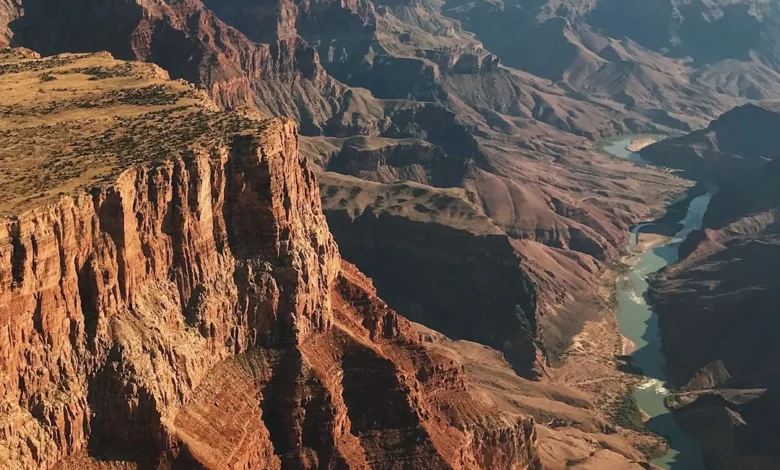
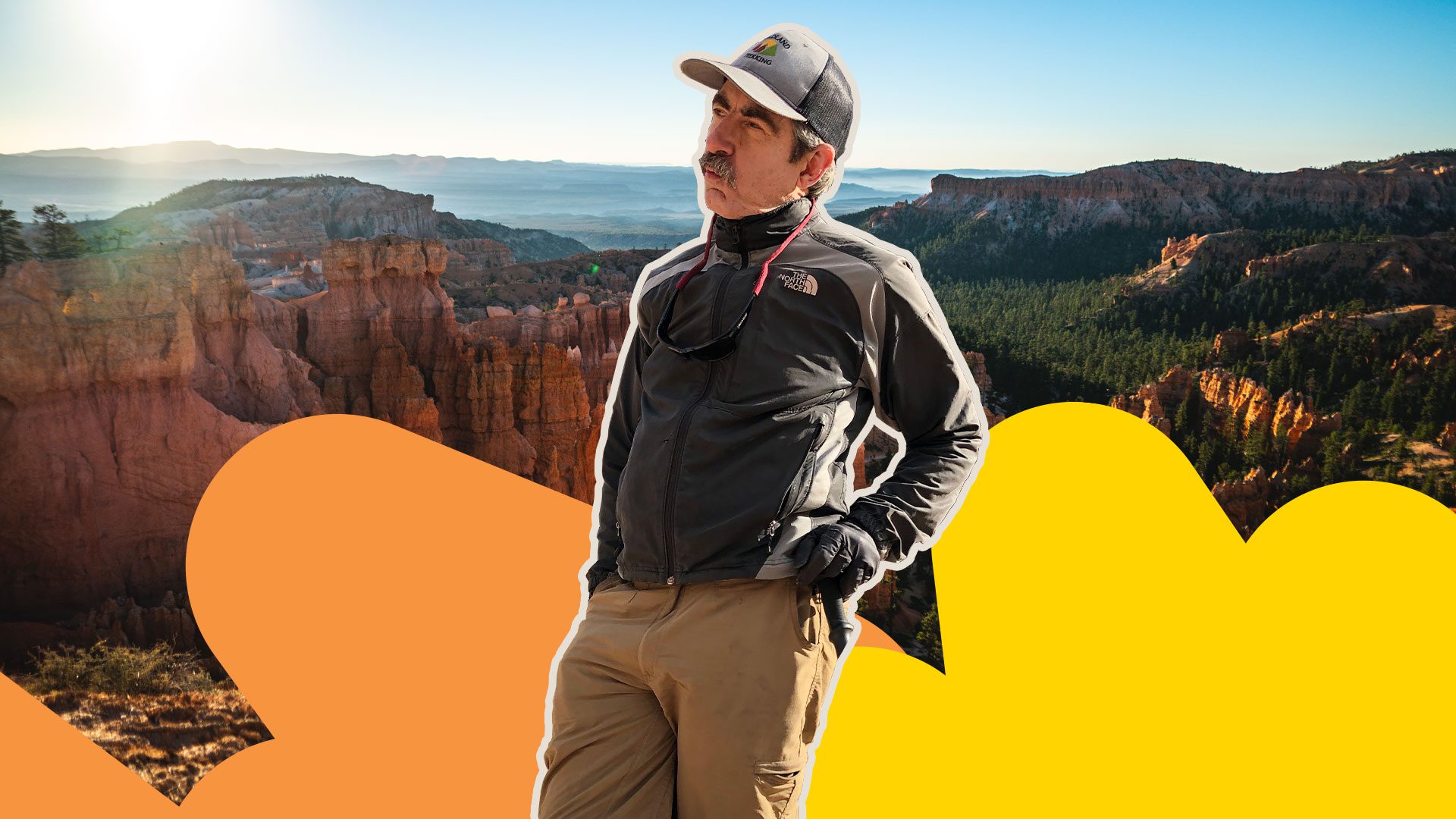
For Doug Campbell, a seasoned wilderness guide with Wildland Trekking, the 2026 tourism season has unfolded with a glaring absence. Throughout months of leading small-group expeditions across America’s most celebrated national parks, Campbell has not guided a single international visitor. While this milestone highlights a stark shift in global travel patterns, Campbell views it not as a permanent rejection of the United States, but rather as an invitation to examine how the nation’s vast, untamed landscapes can offer a much-needed perspective shift for an anxious world.
The noticeable decline in foreign tourism to the United States is well-documented. Travelers from traditional markets such as the United Kingdom, Canada, and Australia have increasingly opted for alternative destinations, heavily influenced by persistent media coverage of polarizing political rhetoric, shifts in domestic policy, and rising administrative hurdles for entry. For prospective international visitors observing the United States from afar, the prevailing narrative often paints a picture of a deeply fractured society, causing many to question whether the country remains a welcoming destination for foreign tourists.
Yet, Campbell argues that this external perception bears little resemblance to the reality found on the ground—particularly within the boundaries of America’s protected public lands. Far from the contentious debates of cable news and urban political rallies, the country’s national parks continue to function as neutral ground, where diverse groups of people routinely bond over a shared appreciation for the natural world.
The Changing Landscape of US Tourism
The drop in international visitation experienced by Wildland Trekking reflects a broader nationwide trend. According to recent tourism analyses, the United States has experienced a measurable contraction in inbound international travel. This downturn coincides with several significant regulatory and operational adjustments within the federal park system.
Since January 2025, public lands have weathered substantial administrative changes, including a reported 25% reduction in overall national park staffing, according to data from the National Parks Conservation Association. Furthermore, new fee structures introduced by the National Park Service have added financial hurdles for foreign tourists. Non-U.S. residents visiting high-demand destinations such as the Grand Canyon are now required to pay a $100 per-person surcharge in addition to standard entry fees, alongside stricter overall visa and visitation regulations.
These policy adjustments initially sparked anxiety and numerous inquiries from travelers regarding the operational stability of the parks. However, Campbell notes that the impact of staffing reductions is rarely experienced by visitors as a visible decline in park maintenance; rather, the strain is predominantly felt behind the scenes, testing the resilience of a park service workforce that continues to perform its duties under challenging conditions.
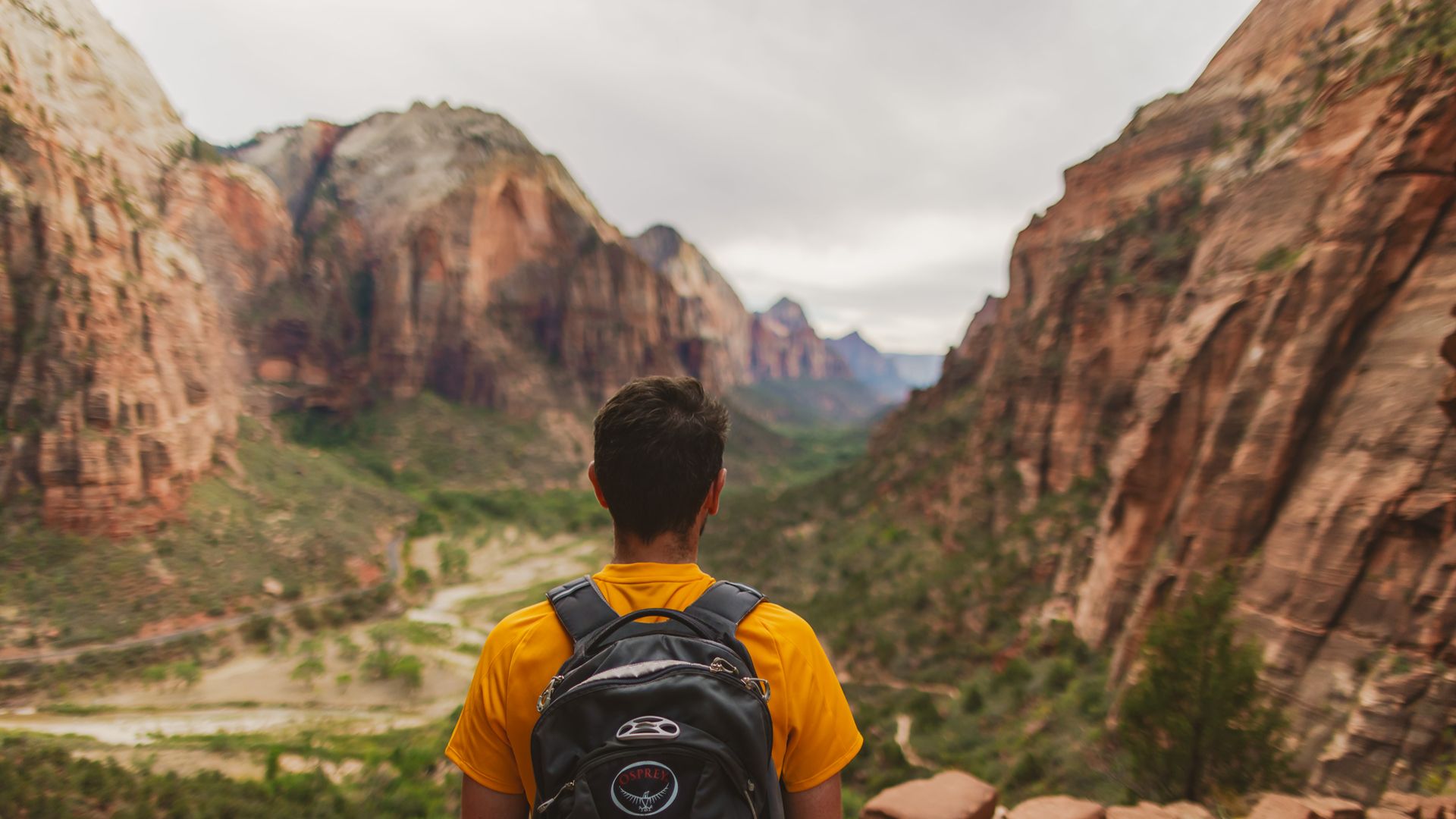
Despite these friction points, industry advocates emphasize that the foundational hospitality of local communities remains intact. Observers point to major international events—such as the 2026 FIFA World Cup hosted across North American cities—as evidence that international guests continue to receive a warm, diverse, and accommodating reception from Americans regardless of political affiliation or geographic location.
A Lifelong Dedication to the Wild
Campbell’s perspective on the unifying power of nature is rooted in a lifelong relationship with the outdoors. Raised in New Mexico, his affinity for the wilderness began at age ten during an overnight hiking expedition in the mountains outside Santa Fe with his father. By his mid-teens, he was organizing independent backpacking trips with peers.
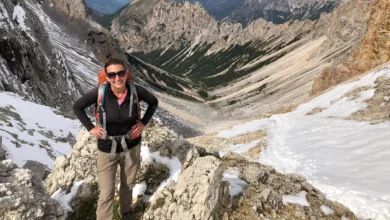
Although his initial professional pursuits led him into the field of social services, the pull of the natural world eventually redirected his career path. Nearly two decades ago, Campbell made the pivotal transition to professional guiding, a role he has maintained with Wildland Trekking since 2008. Over the course of his career, he has successfully led more than 250 treks into the Grand Canyon, while also guiding expeditions across Colorado’s Rocky Mountain National Park, the dramatic landscapes of Southern Utah’s "Mighty 5" national parks, and the red rock country of Sedona, Arizona.

For Campbell, guiding is not merely employment, but a continuous exercise in human connection. He observes that once a group of hikers hits the trail, external markers of identity—such as political beliefs, socioeconomic status, and cultural differences—dissipate.
Navigating the Trails Away From the Headlines
The psychological shift that occurs upon entering a wilderness area is a recurring theme among outdoor professionals. Out on the trail, the immediacy of physical exertion, changing weather, and sweeping vistas commands the full attention of the traveler.
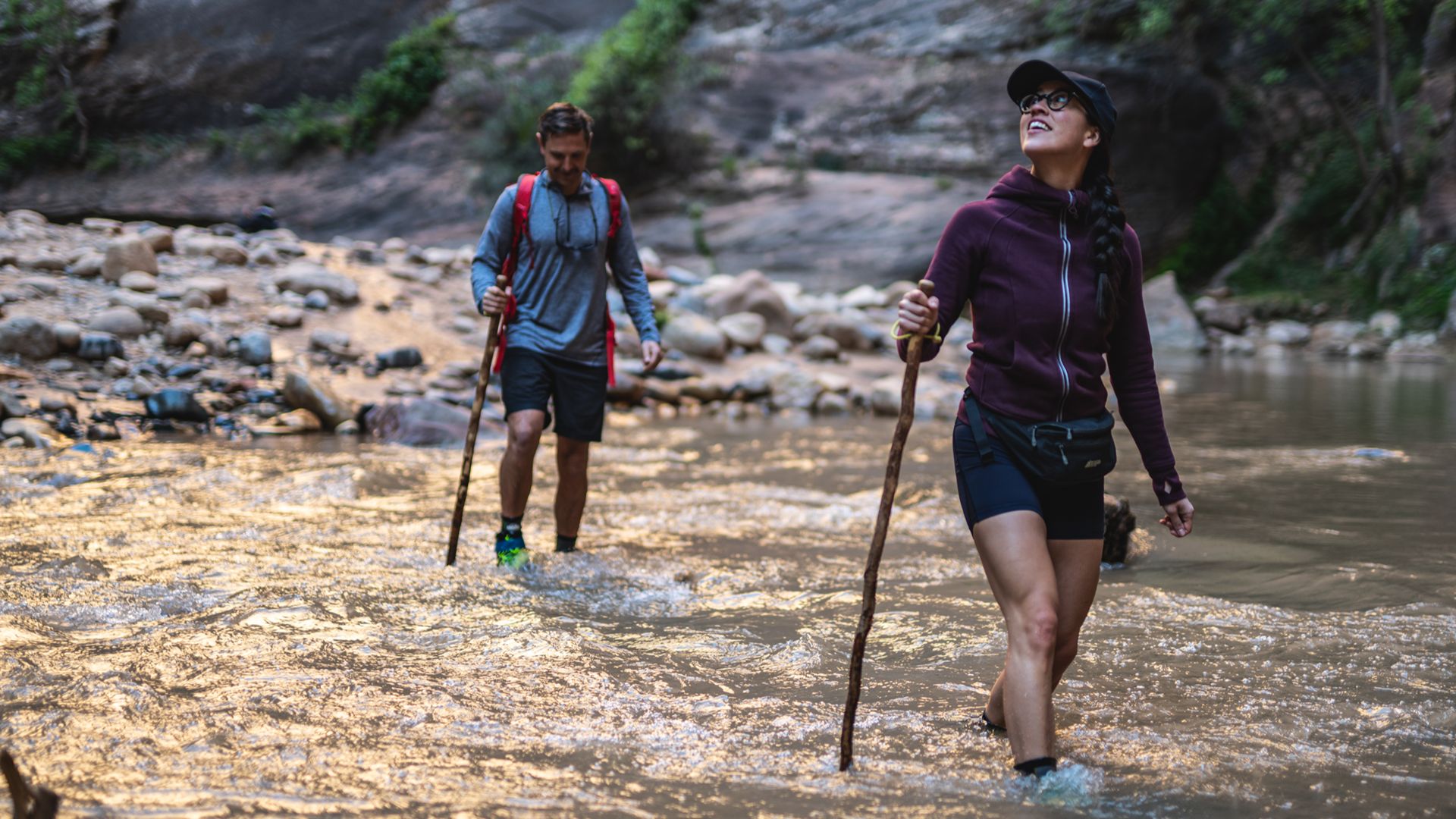
Campbell notes that conversations regarding current events, political polarization, and daily headlines are remarkably rare among hiking groups. Instead, attention shifts organically toward immediate sensory experiences: the sound of a mountain stream, the distant rumble of thunder, snow-capped peaks, and the collective camaraderie of fellow hikers. This immersive environment frequently generates a shared realization among participants that beneath ideological differences lies a common foundation of empathy and mutual concern for the planet and one another.

Strategies for Experiencing Authentic Solitude
As public interest in iconic American landscapes evolves, seasoned guides emphasize the importance of strategic trip planning to avoid crowds and maximize encounters with wildlife and untouched terrain.
While major hubs like the Grand Canyon and Yellowstone National Park command international renown, they also attract millions of annual visitors. However, because these parks encompass vast geographic areas, venturing into backcountry regions with an experienced guide consistently yields opportunities for genuine solitude.
For travelers seeking an even more secluded experience, experts recommend exploring lesser-known federal lands that offer dramatic topography without the congestion of high-profile parks. Canyonlands National Park in Southern Utah, for instance, records roughly 800,000 annual visitors—a fraction of the nearly five million who visit the Grand Canyon—providing expansive, other-worldly red rock canyons with virtually no lines or crowds. Beyond the national parks system, the United States features extensive national monuments, national forests, and federally designated wilderness areas that offer equally compelling landscapes for exploration.
Resilience and Long-Term Outlook
As the United States commemorates its 250th anniversary in 2026, the nation finds itself reflecting on a long history of weathering socio-political turbulence. Campbell views the current cycle of global anxiety and tourism fluctuations through a similar historical lens, describing the present era as a temporary chapter in a much longer narrative.
The fundamental stability of the natural world, he suggests, provides a reassuring counterweight to human volatility. Landmarks like the Grand Canyon and Yellowstone operate independently of geopolitical cycles, offering a timeless sanctuary for those seeking perspective and emotional renewal.
Ultimately, industry professionals like Campbell remain optimistic that as global travel dynamics normalize, international visitors will return to discover that the core character of the American wilderness—and the people who care for it—remains unchanged. For those currently seeking a reminder of shared humanity and a renewed sense of hope, that welcome continues to wait quietly along the trails of America’s wild landscapes.
Related posts: