Portable charger fire on KLM flight 735 forces emergency return and prompts formal safety inquiry

The culprit was small enough to fit in a pocket, but the consequences were significant enough to force a Boeing 777 to abort its transatlantic journey. On September 17, an incident involving a portable power bank—a ubiquitous accessory for the modern traveler—triggered an in-flight emergency that underscored the persistent, high-stakes safety risks posed by lithium-ion battery technology in the pressurized environment of a commercial aircraft. KLM flight 735, which departed from Amsterdam Schiphol Airport bound for Curaçao, was forced to execute a mid-air turn over the Atlantic Ocean after the device ignited in the cabin, leading to a cascade of operational disruptions and a subsequent investigation by national safety authorities.
A Chronology of the Incident
The sequence of events began shortly after the aircraft reached cruising altitude. As the Boeing 777-300ER proceeded toward the Caribbean, a portable charger belonging to a passenger experienced a thermal runaway event. This chemical process, which occurs when a battery cell enters an uncontrollable, self-heating state, led to the emission of smoke and visible flames within the cabin.
The cabin crew, trained in emergency protocols specifically designed for lithium-battery fires, acted swiftly to contain the blaze. Using specialized fire-suppression equipment, the crew successfully extinguished the flames, preventing the fire from spreading to the aircraft’s interior fittings or cargo. Given the volatility of such fires and the potential for reignition, the flight crew made the command decision to prioritize passenger safety by returning to Amsterdam.
The aircraft landed safely at Schiphol Airport, where emergency services were waiting. While the majority of the passengers remained physically unharmed, one individual sustained injuries during the incident, necessitating medical attention. The plane was immediately grounded, remaining out of service for three days while undergoing rigorous safety inspections and cleaning, eventually returning to the fleet on September 20. The operational ripple effect was substantial; the unscheduled return necessitated the cancellation of subsequent flights, forcing KLM to provide emergency accommodation and logistical support for hundreds of displaced passengers.
The Emerging Investigation
On November 4, the Dutch Safety Board (Onderzoeksraad voor Veiligheid) officially opened an independent investigation into the circumstances surrounding the incident. The board, which is tasked with investigating accidents and incidents in the Netherlands to improve safety, aims to determine the root cause of the battery failure. Investigators are currently reviewing the specific make and model of the charger, the condition of the device at the time of the flight, and whether any external factors contributed to the ignition.
The incident gained additional public attention due to reports in Dutch media outlets suggesting that the owner of the device was Camiel Eurlings, a former chief executive of KLM. While the airline has maintained a strict policy of passenger privacy, declining to confirm the identity of the individual involved, the speculation regarding Eurlings has underscored the high-profile nature of the event. To date, Eurlings has not provided a public statement regarding the matter. The airline’s refusal to comment on the identity of the passenger is consistent with standard data protection protocols, yet the connection remains a point of interest for aviation analysts tracking the incident’s potential for policy reform.
The Growing Threat of Lithium-Ion Batteries
The incident on flight 735 is far from an isolated event. Lithium-ion batteries have become the lifeblood of modern consumer electronics, powering smartphones, tablets, laptops, and portable power banks. However, their high energy density makes them susceptible to thermal runaway if they are damaged, improperly manufactured, or exposed to certain conditions.
According to data from the Federal Aviation Administration (FAA) and the European Union Aviation Safety Agency (EASA), there has been a documented increase in "smoke, fire, or extreme heat" events involving portable electronic devices (PEDs) and lithium-ion batteries in recent years. While the total number of incidents remains small relative to the millions of flights operated annually, the danger posed by a fire in a confined, high-altitude cabin is severe.
The FAA has long warned that these batteries can be dangerous if they are not handled correctly. Risks include:
- Mechanical damage: Dropping a charger can cause internal shorts that may not be immediately apparent but can lead to failure later.
- Charging during use: High heat generated during the charging process, combined with environmental factors, can push a battery to its thermal limit.
- Counterfeit products: Low-cost, non-certified chargers often lack the sophisticated battery management systems (BMS) required to prevent overcharging or short-circuiting.
Aviation Policy and Safety Implications
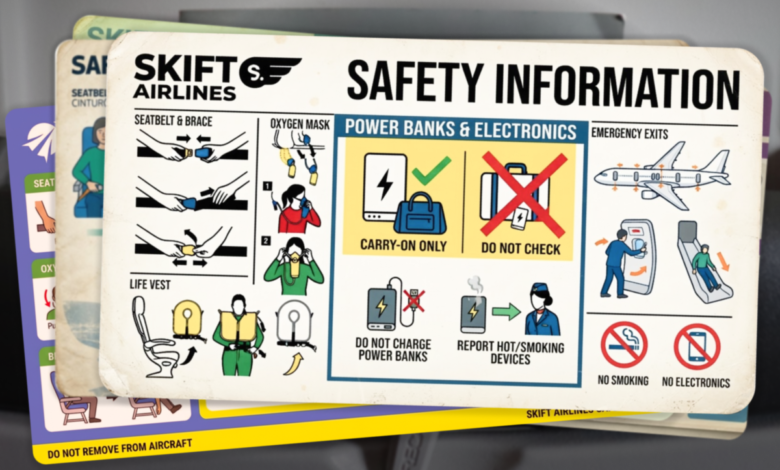
The KLM incident has reignited a debate within the aviation industry regarding current passenger guidelines. Most airlines, including KLM, already have clear policies prohibiting the packing of spare lithium batteries and power banks in checked luggage, requiring them to be carried in the cabin where crew members can monitor them. The logic behind this is simple: a fire in the cargo hold is significantly more difficult to detect and suppress than one in the passenger cabin.
However, as passenger reliance on these devices grows, some industry experts are calling for more stringent verification processes. Discussions are ongoing regarding:
- Stricter labeling requirements: Ensuring all portable chargers have clearly visible certifications (such as UL or CE marks) that verify they have undergone rigorous safety testing.
- Enhanced passenger education: While many airlines provide safety briefings, some advocates argue that travelers do not fully comprehend the volatility of power banks and the dangers of using damaged equipment.
- Containment procedures: The effectiveness of current fire-suppression kits, often referred to as "battery containment bags," is being scrutinized to see if they are sufficient for the increasing capacity of modern power banks, which can reach 20,000 mAh or higher.
Broader Impact on Airline Operations
Beyond the immediate safety concerns, the KLM incident highlights the logistical vulnerability of modern airlines. A single, small device caused a multi-day disruption, impacting hundreds of travelers and incurring significant costs for the airline. This highlights the fragility of the aviation network; when a major hub like Amsterdam Schiphol is affected by an unscheduled landing, the delays cascade through the entire global network.
For KLM, the incident serves as a reminder of the critical importance of crew training. The fact that the crew was able to extinguish the fire and bring the aircraft down safely is a testament to the rigorous, ongoing emergency training provided to aviation staff. The Dutch Safety Board’s investigation will likely focus on whether the current safety protocols were followed correctly and whether there are gaps in how passengers are screened for hazardous materials.
Conclusion
As the Dutch Safety Board continues its inquiry, the findings are expected to contribute to a broader international effort to mitigate the risks of portable electronic devices in flight. While the identity of the passenger may have captured the attention of the tabloids, the primary focus of the aviation community remains the technical and procedural lessons to be learned.
The incident on flight 735 serves as a stark reminder that as consumer technology advances, the aviation industry must remain vigilant. The portability of power banks makes them an essential tool for the modern passenger, but they remain hazardous materials that require respect and careful handling. Whether the outcome of the investigation leads to new regulations on the capacity of power banks allowed on board or improved fire-suppression equipment, the safety of the flying public remains the ultimate objective. For now, the KLM incident stands as a definitive case study on why small devices require big safety considerations.
Related posts: