The Convergence of Entertainment and Travel
For decades, the travel and entertainment sectors operated in silos. Tourism boards focused on landmarks and natural beauty, while promoters focused on routing artists. Today, these sectors have merged into a singular economic engine. When a major musical act announces a tour, airlines experience immediate spikes in flight searches to those specific cities, hotels see occupancy rates climb months in advance, and local municipal infrastructure is tested by the sudden influx of thousands of attendees.
The Skift Live Tourism Summit seeks to address the friction points within this ecosystem. Because live tourism has no single owner, the chain of command is often fragmented. A concert is booked by a promoter, marketed by a label, hosted by a venue, and supported by a city’s public transportation and hospitality sectors. Rarely do these parties sit at the same table to discuss the long-term impact on destination readiness. This event is designed to close that gap, forcing a conversation between those who capture the demand and those who must facilitate it.
Chronology of the Live Tourism Shift
The evolution of this industry can be traced through several pivotal shifts in consumer behavior over the last decade.
In the mid-2010s, the "experience economy" began to take center stage, with millennials and Gen Z consumers prioritizing spending on concerts, festivals, and sporting events over material goods. By 2019, tourism boards began to realize that a single high-profile residency or a multi-day festival could generate more revenue in a weekend than a season of traditional sightseeing.
The COVID-19 pandemic served as a major disruptor, effectively halting live events and causing a ripple effect throughout the global travel industry. However, the subsequent "revenge travel" period and the explosive demand for post-pandemic tours—most notably seen in the record-breaking global ticket sales of 2023—pushed the limits of existing travel infrastructure. Cities like Las Vegas, which successfully transitioned into a year-round hub for major sporting events and residency-style entertainment, emerged as the gold standard for this model. This September’s summit acknowledges that the "Las Vegas model" is no longer an outlier but an objective for destinations worldwide.
Data-Driven Insights into the Live Economy
The economic stakes are significant. According to recent reports from the World Travel & Tourism Council (WTTC), travel and tourism are projected to contribute record-breaking figures to global GDP, with a significant portion of that growth driven by "event-led" tourism.
Supporting data from Skift Research highlights that the average live event attendee now spends nearly 2.5 times more on travel-related expenses—including accommodation, dining, and local transportation—than the average leisure traveler. Furthermore, industry data suggests that over 40% of concert-goers in major urban markets are traveling from outside the host city, effectively making them "tourists" by definition.
However, this growth brings significant logistical hurdles. Airport capacity, ride-sharing availability, and hotel room inventory often reach a breaking point during peak event cycles. The summit aims to provide a platform for these stakeholders to analyze these data points, ensuring that the surge in demand is met with adequate supply rather than systemic failure.
The Role of Key Stakeholders
The inclusion of Live Nation as a presenting partner signals the industry’s shift toward centralized planning. As the world’s largest live entertainment company, Live Nation’s routing decisions dictate the economic fortunes of hundreds of cities. Their participation in the summit is a clear indication that promoters are increasingly viewing tourism boards as essential partners in the booking process.
Tourism authorities, meanwhile, are shifting from passive marketing to active infrastructure development. Leaders from the public sector are expected to engage in discussions regarding public-private partnerships. The challenge, as experts point out, is that many cities were not designed to accommodate the sheer volume of "event tourists" currently moving through the system.
"We are moving from an era of serendipitous tourism to an era of strategic event hosting," says one industry analyst familiar with the summit’s agenda. "The leaders in this room are the ones who decide whether a city becomes a destination of choice for international tours or a city that struggles to manage the traffic."
Implications of the Curated Room
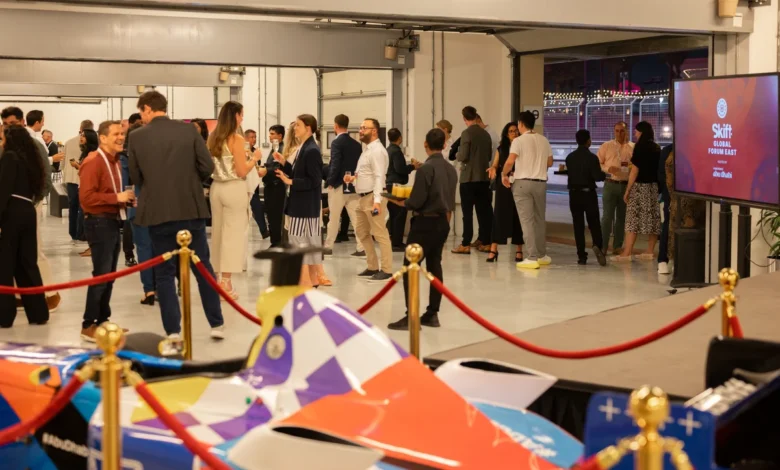
The "closed-door" nature of the summit is a deliberate design choice. By capping attendance and curating the guest list, organizers are prioritizing high-level, candid dialogue over general networking. The focus is on senior leaders who hold the authority to change policy, shift budget allocations, and pivot business strategies.
For those outside the room, the implications are profound. If the summit succeeds in creating a standardized framework for how cities and promoters collaborate, the industry could see a surge in regional tourism growth as secondary and tertiary cities learn how to effectively bid for and host large-scale events. Conversely, if the gap between demand and infrastructure continues to widen, major cities may face diminishing returns as event fatigue and logistical frustrations drive tourists elsewhere.
Addressing the Infrastructure Gap
A primary theme of the September summit is "destination readiness." It is no longer enough to have a world-class venue; a destination must now prove it can support the surrounding ecosystem. This includes:
- Aviation Capacity: Coordinating flight schedules to align with major tour stops.
- Hospitality Scaling: Utilizing dynamic pricing and inventory management to handle massive influxes of visitors without alienating local residents.
- Public Sector Integration: Streamlining permits, security, and public transit to ensure that large-scale movements of people do not disrupt daily municipal operations.
The summit will also feature a series of closed-door roundtables designed to tackle these specific issues. Participants will be tasked with identifying the "failure points" in the current chain and proposing collaborative solutions. This move toward actionable policy-making is what distinguishes this event from traditional tourism conferences.
The Future of Global Movement
As we look toward 2025 and beyond, the integration of live entertainment into the broader travel narrative appears permanent. The Skift Live Tourism Summit is not merely a meeting of industry peers; it is a response to a fundamental shift in how humanity experiences the world. Consumers are increasingly choosing their destinations based on the "live moment," and the tourism industry must adapt to this reality or risk losing relevance.
The question posed to those in the room is clear: Is your organization prepared to manage the volatility and the opportunity presented by the live event economy? As the summit approaches, the consensus among industry insiders is that those who do not adapt their strategies to this new reality will soon find themselves spectators in an industry they once led.
The summit concludes with a presentation of new research intended to serve as a roadmap for the next three years of travel and entertainment integration. By focusing on the intersection of data, infrastructure, and public policy, the Skift Live Tourism Summit aims to ensure that the next wave of live events serves as a catalyst for sustainable, long-term economic growth rather than a short-term strain on resources. Whether this elite assembly of leaders can translate these discussions into industry-wide standards remains the most pressing question for the travel sector in the coming year.