The landscape of Iceland, defined by its volatile volcanic terrain, expansive glacial fields, and dramatic coastal cliffs, remains one of the world’s most sought-after destinations for independent travelers. While the nation’s tourism infrastructure supports a variety of transit methods, the vast majority of visitors choose to traverse the island via private rental vehicles. This preference for personal mobility has necessitated a complex evolution in the country’s transportation policies, most notably with the introduction of a nationwide, kilometer-based road charging system in 2026. As tourism numbers continue to reach record highs, understanding the intersection of Iceland’s environmental protection mandates, infrastructure demands, and the logistical realities of arctic driving is essential for any visitor planning a self-drive itinerary.

The Evolution of Iceland’s Road Infrastructure and Usage Fees
For decades, Iceland’s Ring Road—the 1,332-kilometer highway encircling the island—served as the primary artery for both local commerce and international tourism. However, the surge in vehicle traffic over the last decade prompted the Icelandic government to seek a more sustainable model for road maintenance. Beginning January 1, 2026, the Ministry of Infrastructure implemented a mandatory kilometer-based road charge. This policy shift was designed to distribute the financial burden of road upkeep more equitably among all vehicle types, including electric vehicles (EVs) that previously bypassed traditional fuel-tax-based funding models.
Under the current framework, vehicle owners and rental agencies are subject to a fee of ISK 6.95 ($0.057 USD) per kilometer traveled. Rental agencies have been granted the discretion to pass these costs to consumers either through itemized billing based on odometer readings or via a flat daily administrative fee, currently standardized at approximately ISK 1,390 ($11.35 USD) per day. This transition marks a significant shift in the cost of tourism, moving away from a flat-rate rental model toward a usage-based expense structure. Furthermore, specific infrastructure projects, such as the Vaðlaheiðargöng Tunnel in the north and the Hornafjarðarfljót crossing in the southeast, continue to operate under a direct toll system, requiring drivers to register and pay online to avoid penalty fees.

Seasonal Dynamics and Environmental Challenges
Driving in Iceland is inextricably linked to the country’s extreme seasonal fluctuations. Meteorological data from the Icelandic Met Office indicates that weather patterns can shift within minutes, rendering even well-maintained roads hazardous. The peak tourist season, spanning from June to August, provides the most stable driving conditions, characterized by nearly 20 hours of daylight. During this period, the Highland interior—accessible only via the restricted "F-roads"—opens to 4×4 vehicles. These routes are strictly regulated, as they traverse unbridged glacial rivers and jagged volcanic plains.
Conversely, the shoulder seasons of May, September, and October offer a precarious middle ground. While rental prices for vehicles often decrease by 20 to 30 percent during these months, the risk of early-season snowstorms and high-velocity wind gusts increases significantly. The Icelandic Road and Coastal Administration (IRCA) consistently warns that wind damage remains one of the most common insurance claims for rental cars, as gusts can reach speeds capable of bending car doors or pushing vehicles off the road surface. By November, winter conditions dominate, and the risk of road closures due to drifting snow or ice-covered bridges necessitates a high level of driving proficiency, often requiring specialized 4WD vehicles equipped with studded winter tires.

Strategic Route Planning and Itinerary Optimization
The logistics of an Icelandic road trip require careful calibration between the desire for exploration and the reality of the island’s geography. The Ring Road is the standard route, typically requiring a minimum of seven to ten days to traverse safely. A rushed itinerary, such as attempting to complete the full loop in under five days, is discouraged by local safety authorities due to the high risk of driver fatigue.
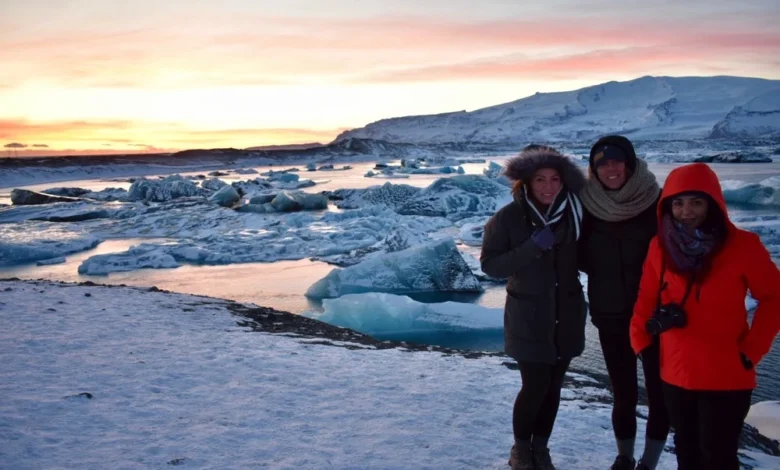
For travelers with limited time, regional excursions provide a more manageable experience. The South Coast route, extending from Reykjavík to the Jökulsárlón Glacier Lagoon, is the most highly trafficked corridor. It offers proximity to major sites such as the Skógafoss waterfall and the Vík black-sand beaches while remaining on paved, reliable roads. Alternatively, the Snæfellsnes Peninsula provides a comprehensive cross-section of Icelandic geology—including glaciers, lava fields, and coastal cliffs—in a compact loop that can be completed in two to three days.

Safety Protocols and Regulatory Compliance
The Icelandic police and the SafeTravel initiative emphasize that the country’s driving regulations are strictly enforced. Standard speed limits on paved highways are capped at 90 km/h, and the legal requirement to maintain headlights on at all times is enforced regardless of the hour or visibility.
One of the most critical aspects of safety, particularly for international visitors unfamiliar with arctic terrain, is the adherence to designated pull-offs. The practice of stopping on the shoulder of a road to capture photographs—a common occurrence in the social media era—has been identified as a leading cause of traffic accidents. Furthermore, the prevalence of free-roaming livestock, particularly sheep, poses a persistent hazard. Drivers are legally advised that in the event of a collision with an animal, the incident must be reported to local authorities immediately.

Data-Driven Impact: The Future of Self-Drive Tourism
The transition to a digital, automated road-charging system is part of a broader strategy by the Icelandic government to digitize the tourism experience. Data collected from these systems allows planners to monitor traffic density in sensitive ecological areas, such as the Vatnajökull National Park. By analyzing travel patterns, local governments can better distribute traffic, mitigating the "over-tourism" effect that has impacted popular sites like the Golden Circle.
From a financial perspective, the integration of these fees into the rental market has forced a shift in consumer behavior. Travelers are now encouraged to book vehicles months in advance, specifically opting for high-coverage insurance packages that account for gravel, ash, and wind damage. Industry analysts note that while the cost of entry for a road trip has risen due to these regulatory changes, the reliability of the infrastructure has improved, providing a more professionalized and secure experience for the nearly 2 million annual visitors who land at Keflavík International Airport.

Conclusion: Balancing Freedom with Responsibility
The decision to rent a vehicle in Iceland remains the most effective way to experience the country’s geography, but it requires a fundamental shift in mindset from typical European or North American road trips. The environment is not merely a backdrop for travel; it is an active, changing force that dictates the pace and viability of any itinerary. By prioritizing flexibility, staying informed through official portals like SafeTravel, and accounting for the new legislative costs of road usage, travelers can navigate Iceland with the necessary awareness to ensure both their safety and the preservation of the delicate landscapes they have come to witness. The ultimate value of a self-drive trip in Iceland lies not in the speed of the journey, but in the ability to adapt to the rhythm of an island that remains, in every sense, untamed.
Related posts: